
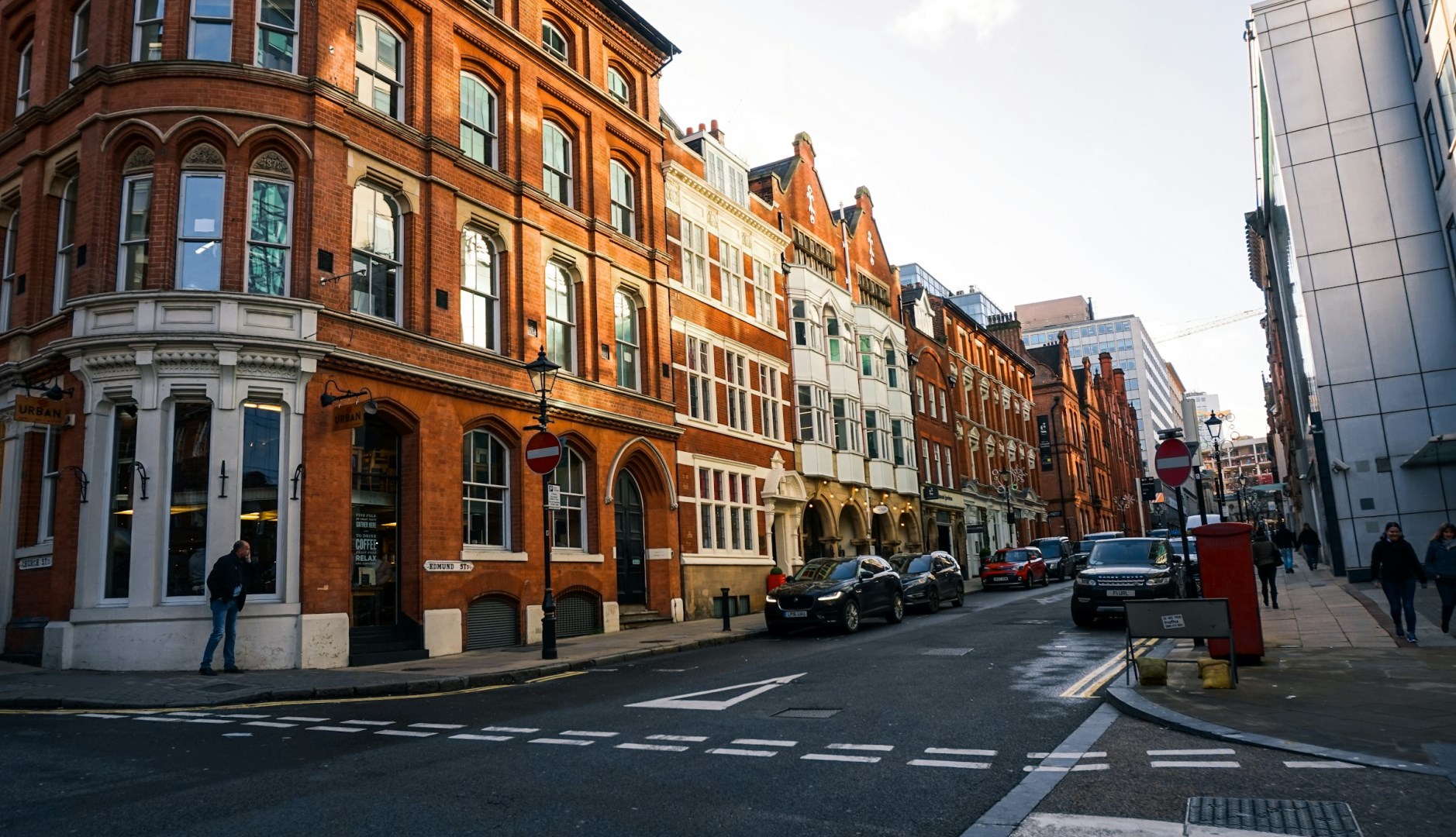
Birmingham
Located in northwest England, Birmingham has a tremendous history as an industrial city. Close to coal and iron ore supplies, it was here that Bouton and Watt harnessed steam power to run machinery. The Museum of Science and Industry resides here and provides an excellent look at England's history.
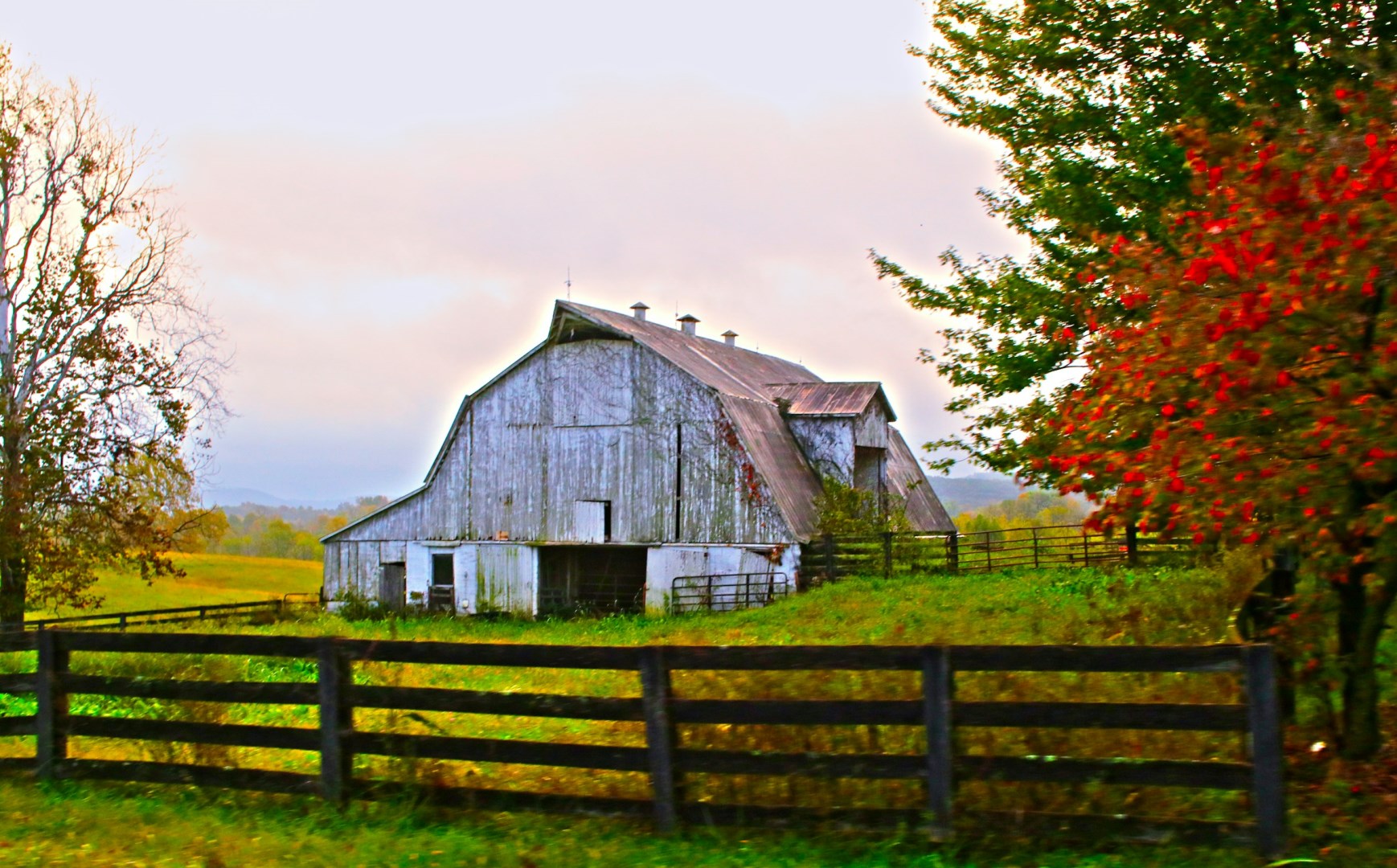
Kentucky
Kentucky is known worldwide for the Kentucky Derby, but there’s far more to this southern state than fast horses and fancy hats. Louisville, the largest city, pairs old-world charm with modern energy. Visitors can stroll along Museum Row on Main to explore the Louisville Slugger Museum & Factory or dive into boxing history at the Muhammad Ali Center, dedicated to the life and legacy of the Louisville-born champion.
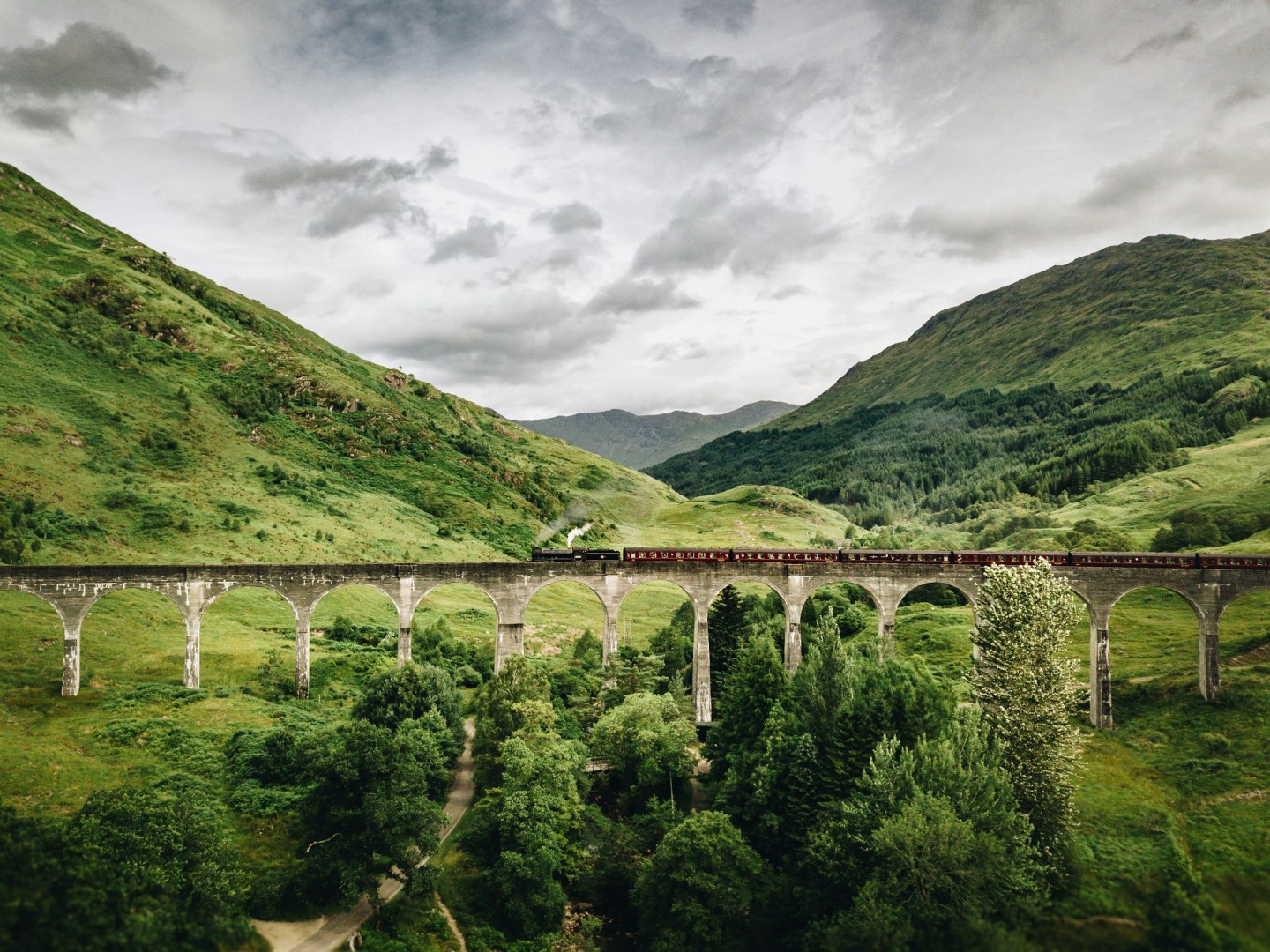
Glenfinnan
Glenfinnan, nestled in the Scottish Highlands, is a picturesque village renowned for its dramatic landscapes and historical significance. This small but enchanting destination is best known for the Glenfinnan Viaduct, an architectural marvel completed in 1901.
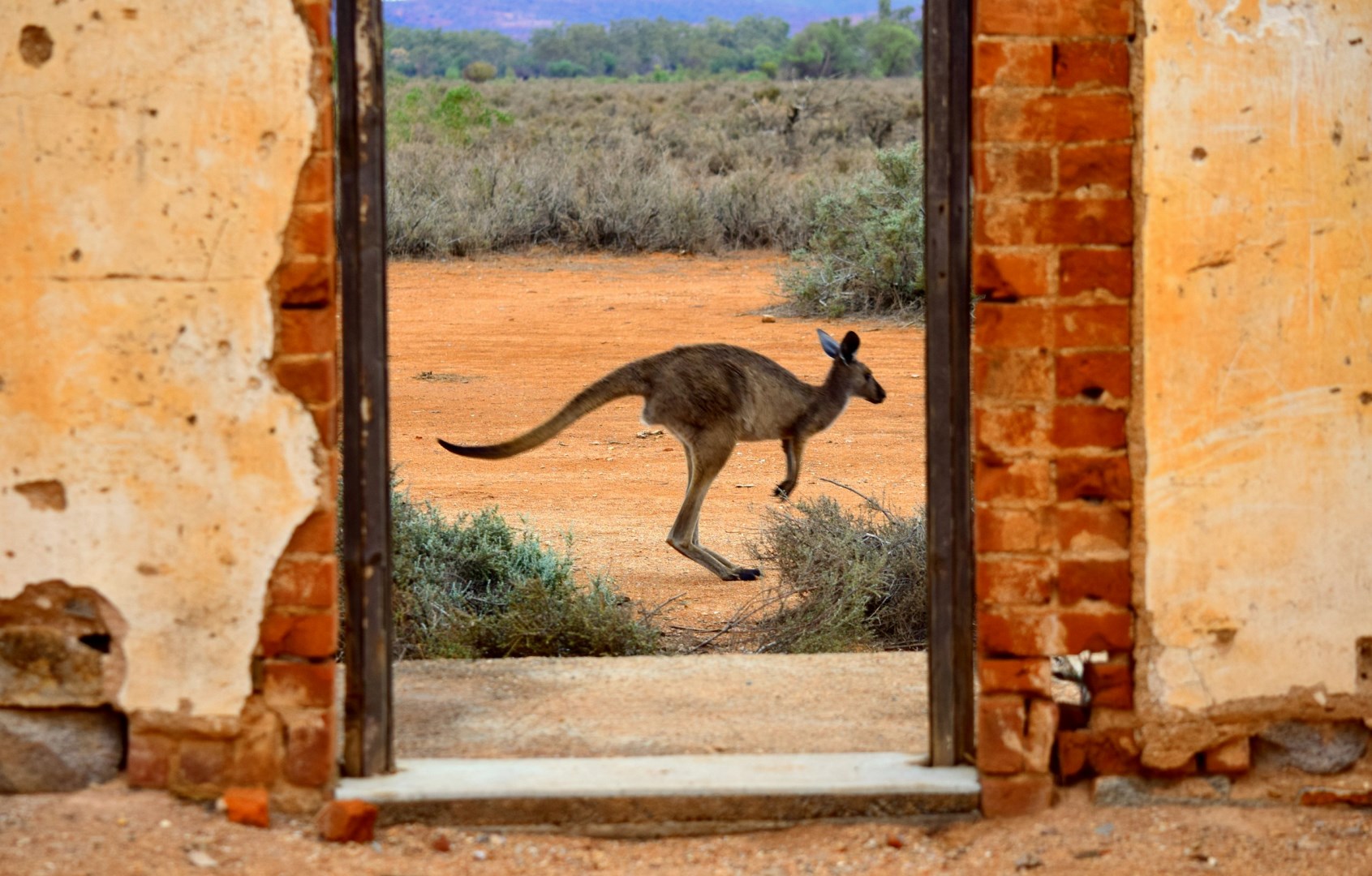
Broken Hill
Broken Hill is a mining town which is also very popular amongst Australian artists. The town is known as ‘Silver City’ and still mines for Silver, lead and zinc today. However there is only one mine that is still open today. When you get here be prepared to change your watches.

Jasper
Explore Jasper, Alberta and gaze in awe at one of Canada’s most beautiful national parks in the Canadian Rockies. A veritable paradise for the bold traveler, Jasper National Park has no shortage of natural marvels guaranteed to take your breath away.
