
Santiago Island
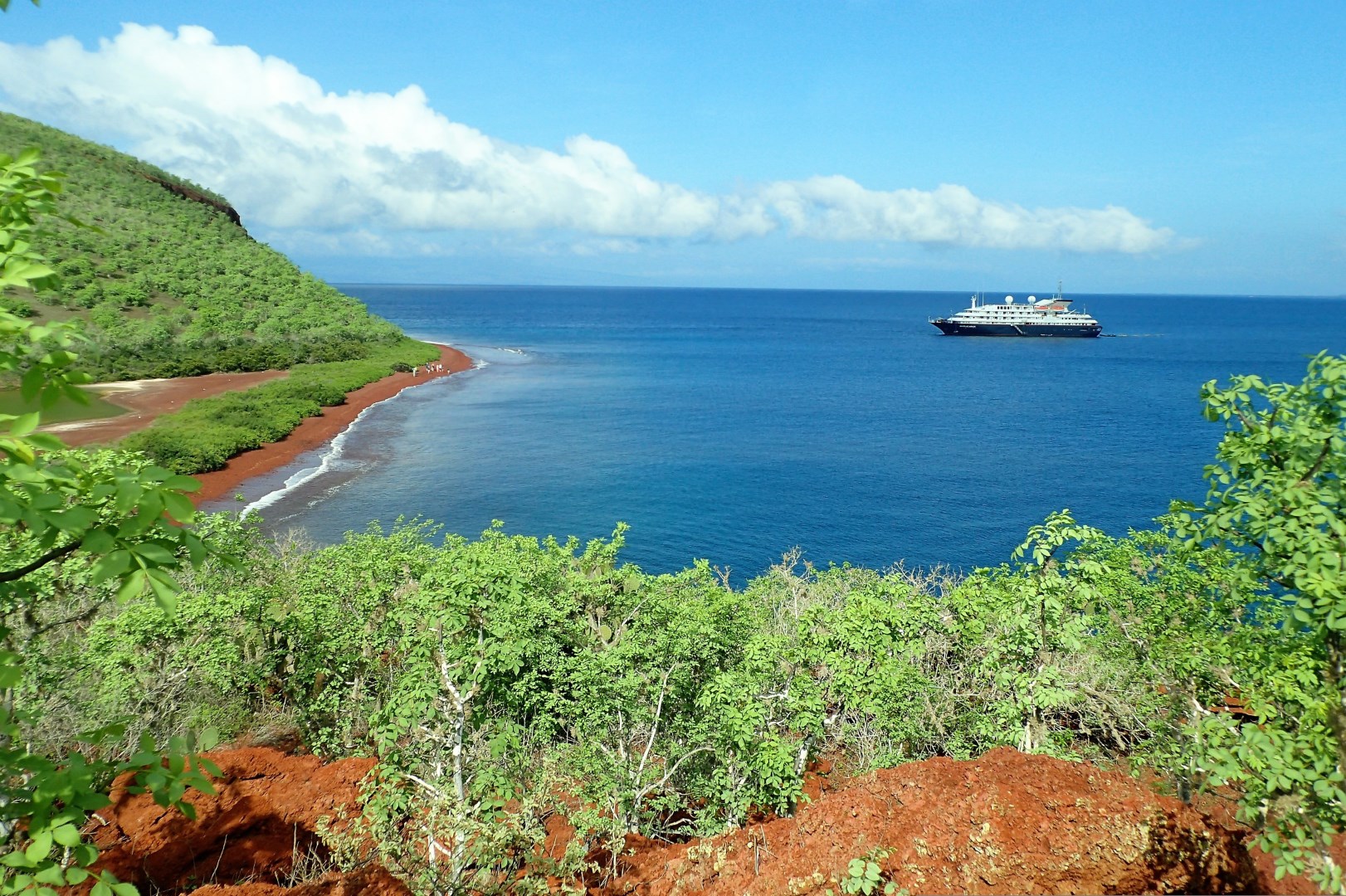
Set in the heart of the Galápagos archipelago, Santiago Island offers a raw and untamed landscape shaped by volcanic forces. Unlike more developed islands in the region, Santiago remains largely uninhabited, giving visitors a rare look at ecosystems that have evolved with minimal human presence. Its coastline shifts from black lava fields to soft sandy beaches, while inland trails reveal hardened flows and scattered vegetation slowly reclaiming the terrain.
Charlotte Bay
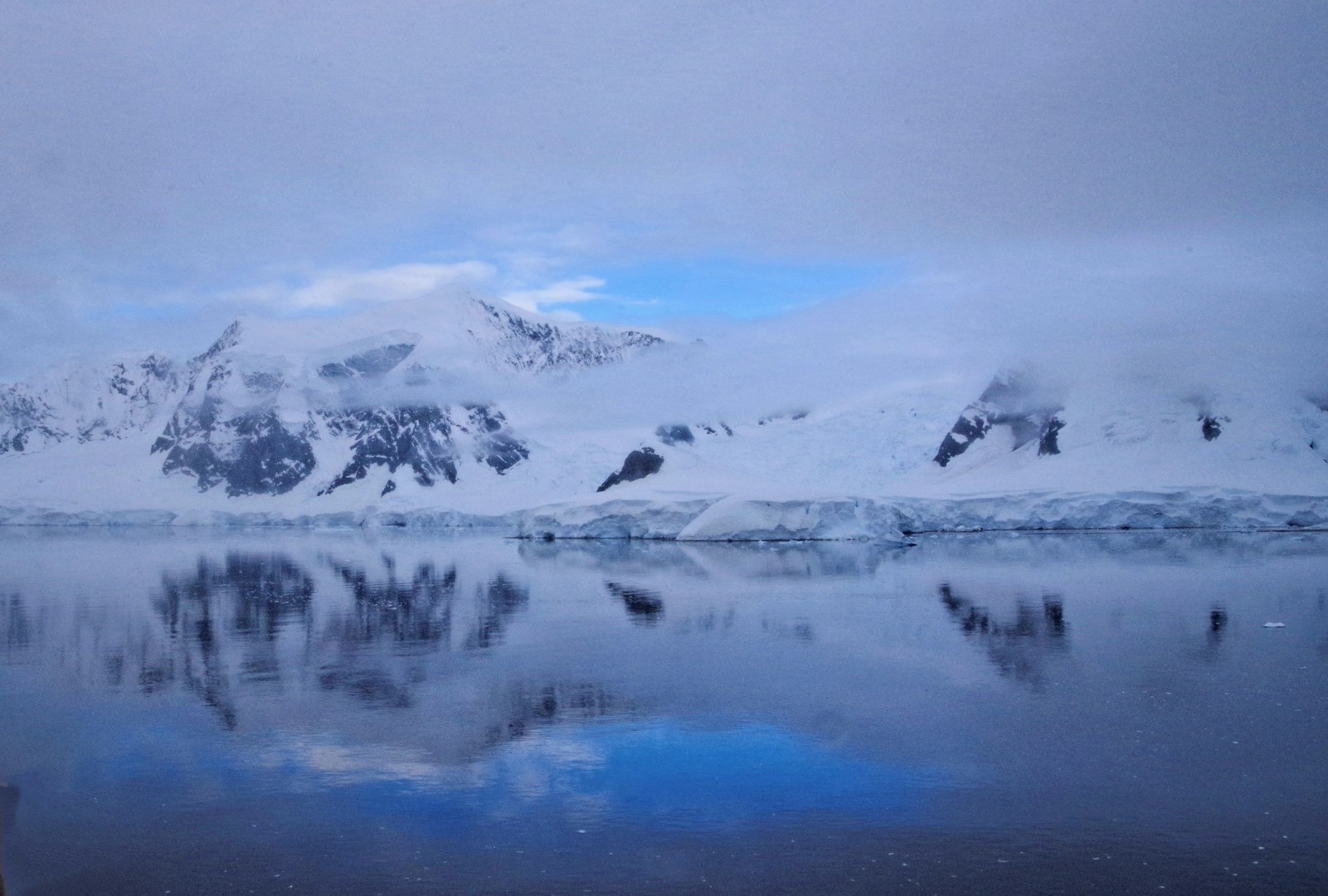
Charlotte Bay is best known for its combination of glacial scenery and marine wildlife. The surrounding mountains descend toward heavily glaciated coastlines, while the bay itself can contain floating sea ice and icebergs of varying sizes. Whales are regularly encountered in the waters of the Antarctic Peninsula, and seals may also be seen around ice and along the shoreline.
Santiago de Cuba
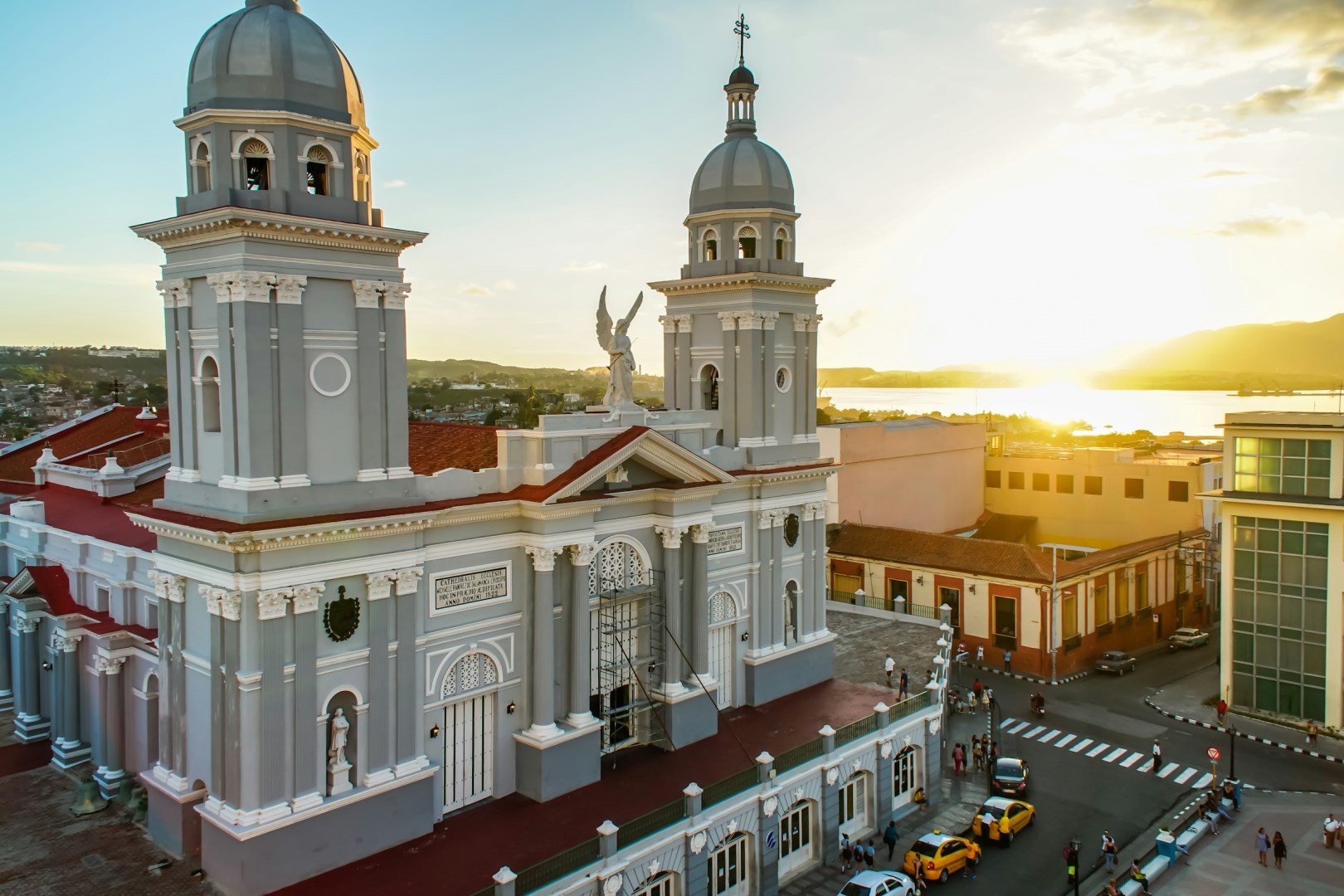
Santiago, the cultural capital of Cuba, is a passionate, unique destination, second in size and importance only to Havana, the governmental capital of the island. Some of Cuba's most famous musicians were born here, as well as the Bacardi brand of spirits, and the UNESCO World Heritage describes the local citadel of San Pedro de la Roca as "the most complete, best-preserved example of Spanish-American military architecture."
South Malé Atoll
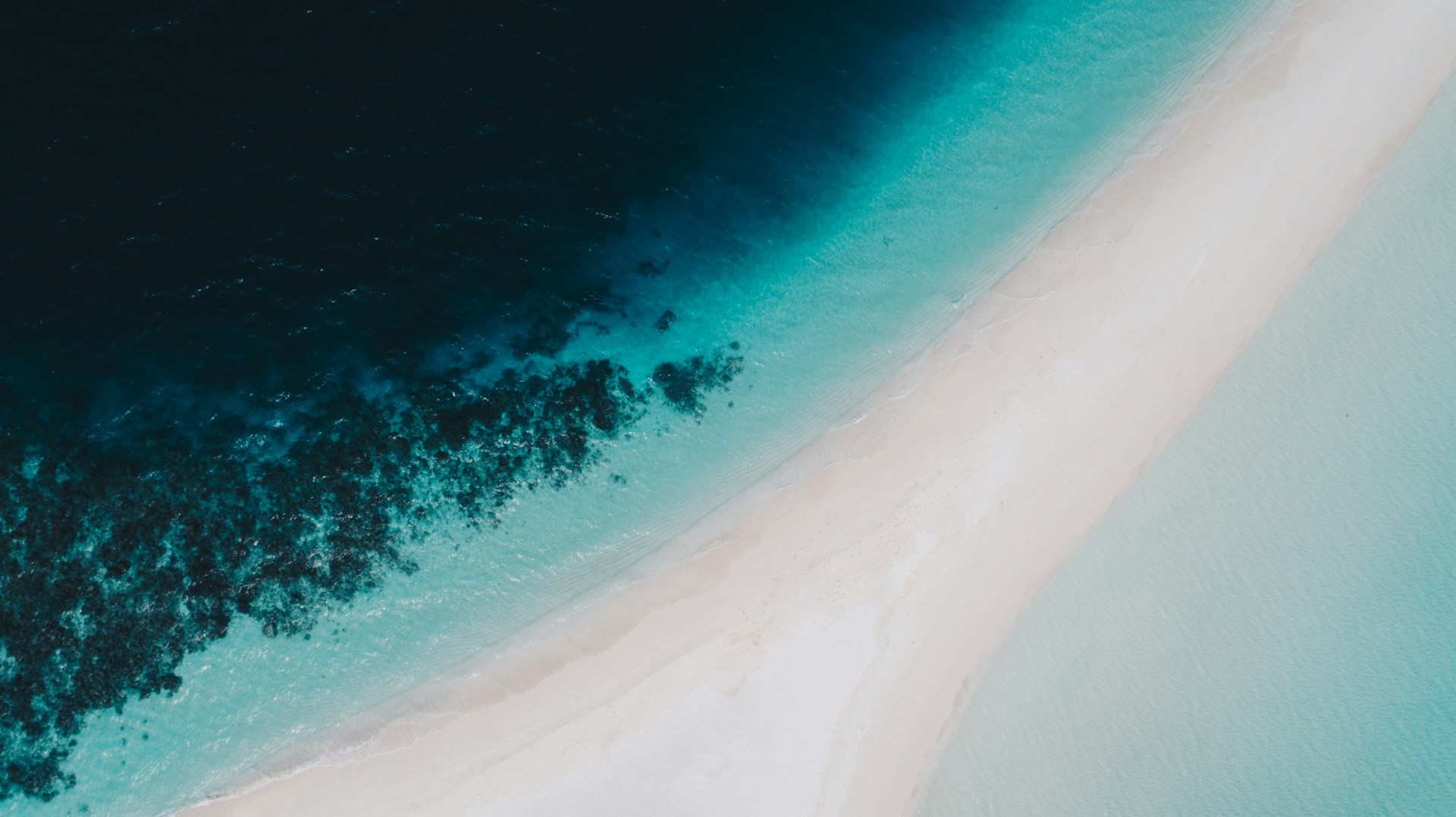
South Malé Atoll, also known as Kaafu Atoll, lies immediately south of Malé and is among the most accessible island regions in the Maldives. Its islands range from established local communities to private resort islands, surrounded by lagoons, coral reefs, sandbanks, and channels. Maafushi, Gulhi, Guraidhoo, and Thulusdhoo are well-known inhabited islands in the wider Malé atoll region, while resort islands provide a different style of stay.

Donji Milanovac
Donji Milanovac is a gateway to the Iron Gates Gorge, one of the most stunning natural attractions in the region.
