

Dominica
Dominica, known as the “Nature Island of the Caribbean,” is a haven for eco-tourists and adventure seekers. Nestled between the French islands of Guadeloupe and Martinique, this lush island boasts a remarkable landscape of volcanic mountains, dense rainforests, and stunning waterfalls. Dominica’s most iconic natural wonder is the Boiling Lake, the second-largest hot spring in the world.
Kibira National Park
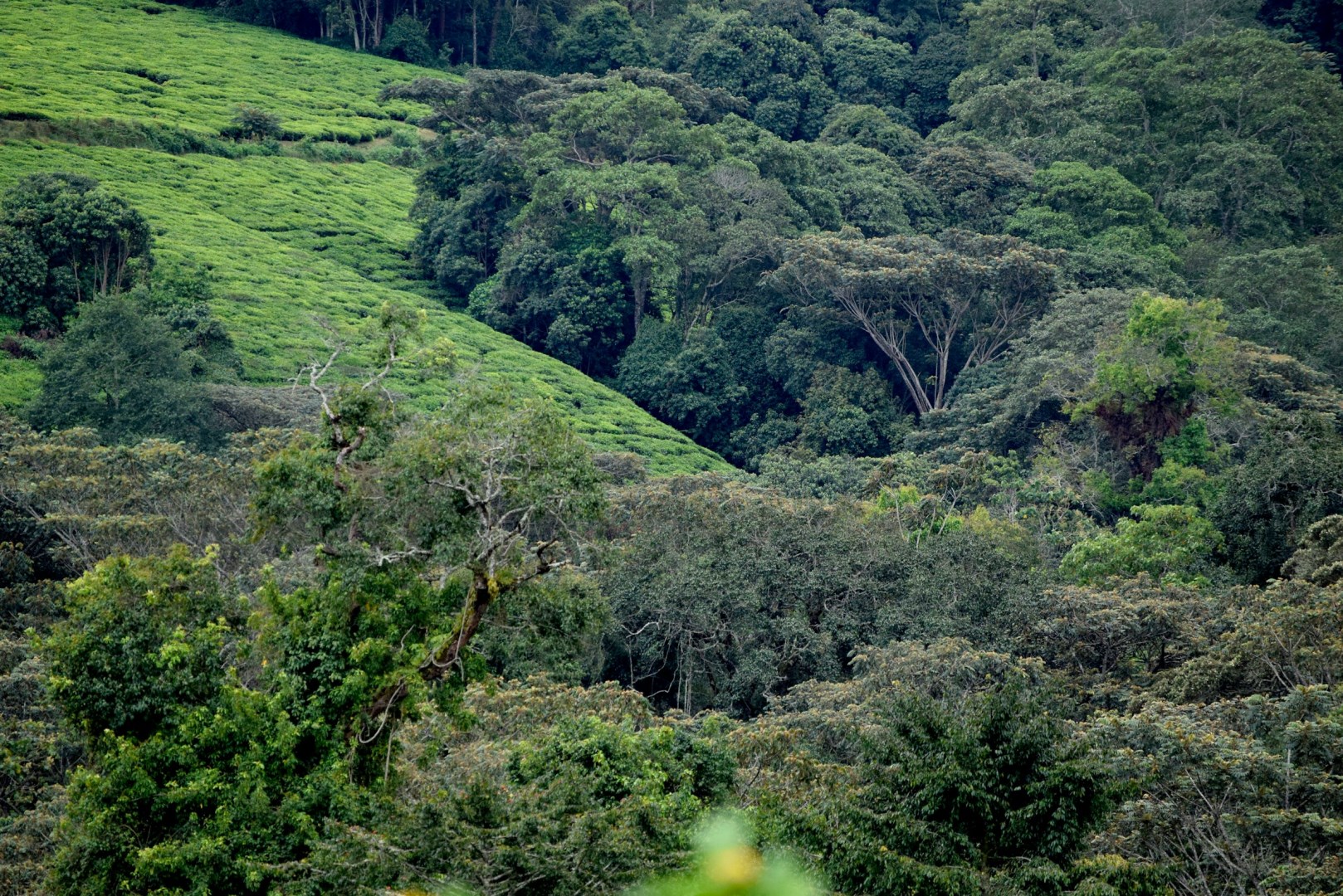
Kibira National Park is a large montane rainforest in northwestern Burundi, extending along the Congo-Nile Divide near the border with Rwanda. The park covers about 40,000 hectares and rises from roughly 1,500 to 2,660 metres, creating a cool, misty environment of dense forest, bamboo, streams, and mountain ridges
Alphonse Atoll
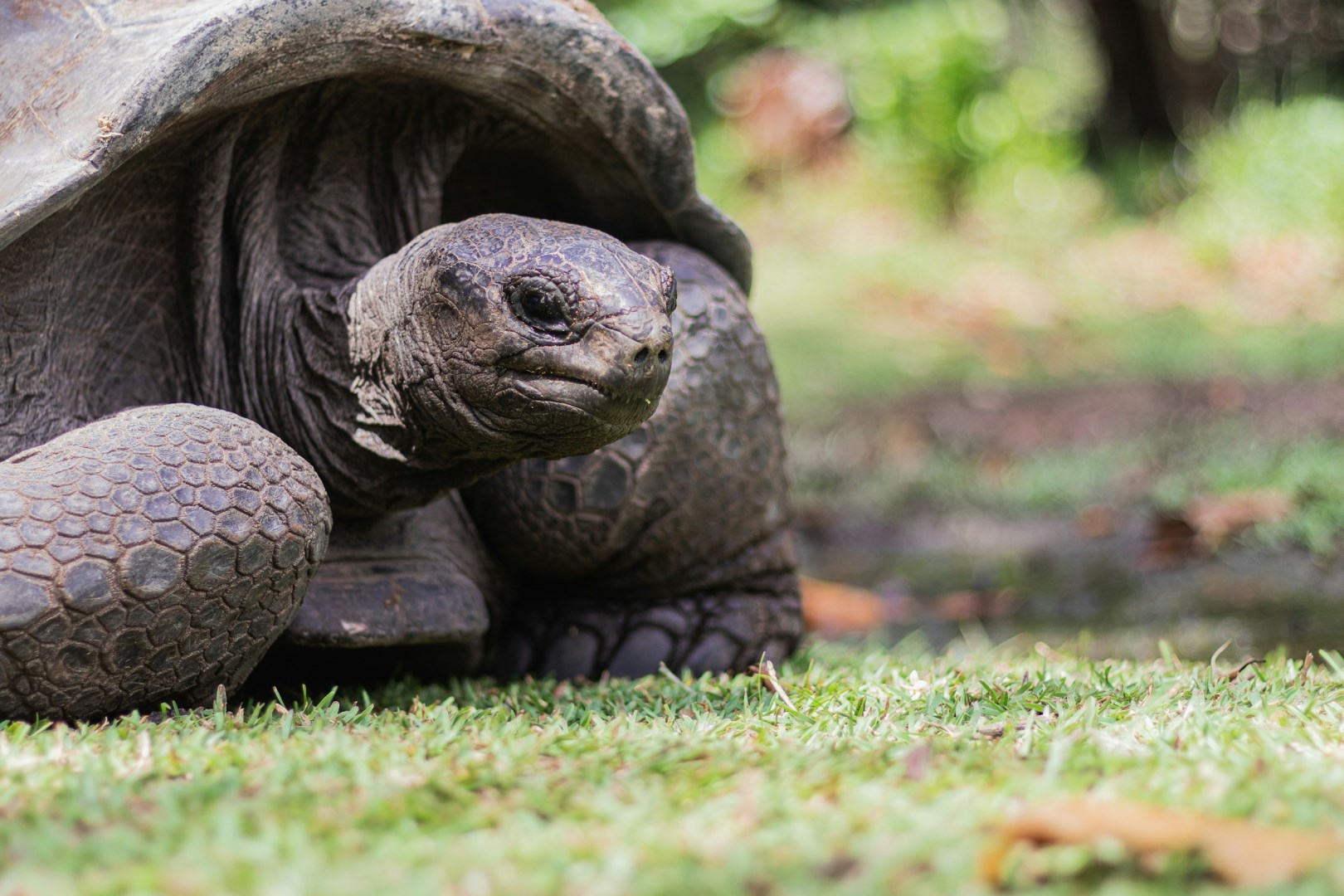
Alphonse Atoll, located in the Seychelles, is a true paradise for nature lovers and adventure seekers. This remote atoll, part of the Outer Islands of the Seychelles, is renowned for its stunning coral reefs, pristine white-sand beaches, and crystal-clear waters. The atoll is a haven for marine life, including vibrant coral formations and diverse fish species, making it an ideal destination for snorkeling and diving enthusiasts.

Morelia
Morelia, the capital of Michoacán, is a city that wears its history in stone. Built in the 16th century and recognized as a UNESCO World Heritage Site, its historic center is filled with over 200 colonial-era buildings made from pink cantera, a soft volcanic stone that gives the city its distinct look. The centerpiece is the Morelia Cathedral, a massive baroque structure that features twin towers that light up every Saturday night with a fireworks and music display.
Delos
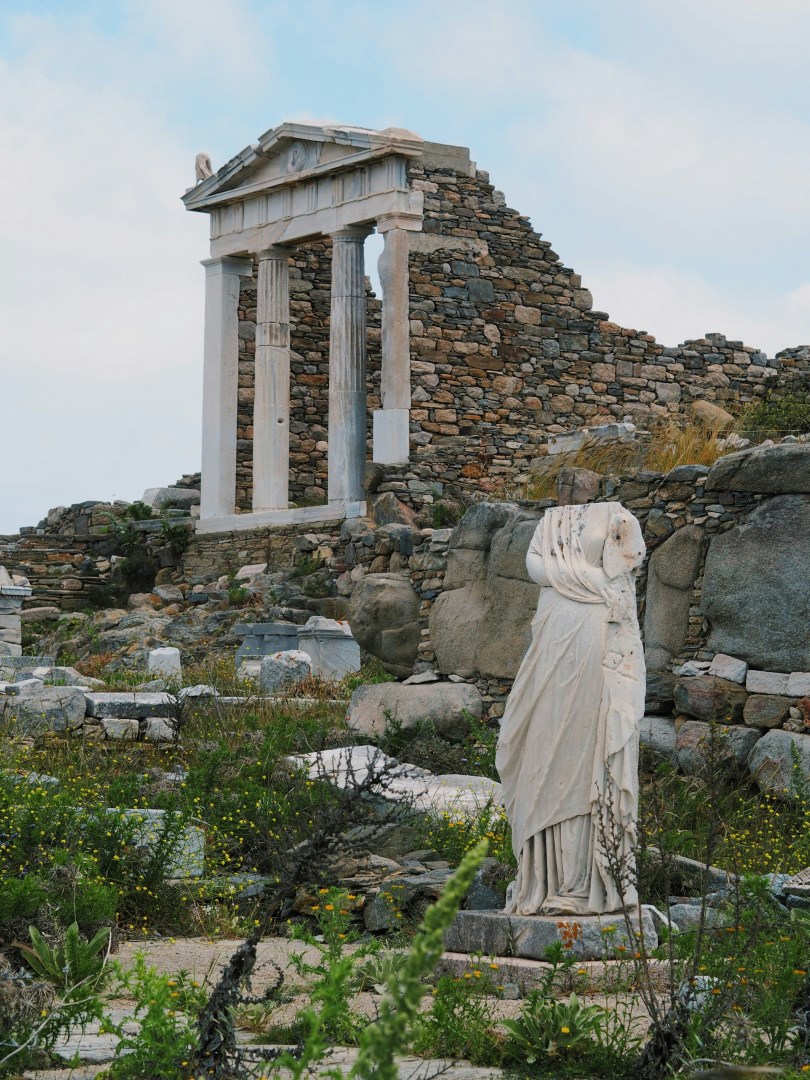
This uninhabited island is one of the finest archaeological sites in Greece. Considered a sacred island since the 7th century BC, the famous Terrace of the Lions stands guard over the "sacred lake" and the remains of the temple of Apollo.
