

Dominica
Dominica, known as the “Nature Island of the Caribbean,” is a haven for eco-tourists and adventure seekers. Nestled between the French islands of Guadeloupe and Martinique, this lush island boasts a remarkable landscape of volcanic mountains, dense rainforests, and stunning waterfalls. Dominica’s most iconic natural wonder is the Boiling Lake, the second-largest hot spring in the world.
Cape Cross
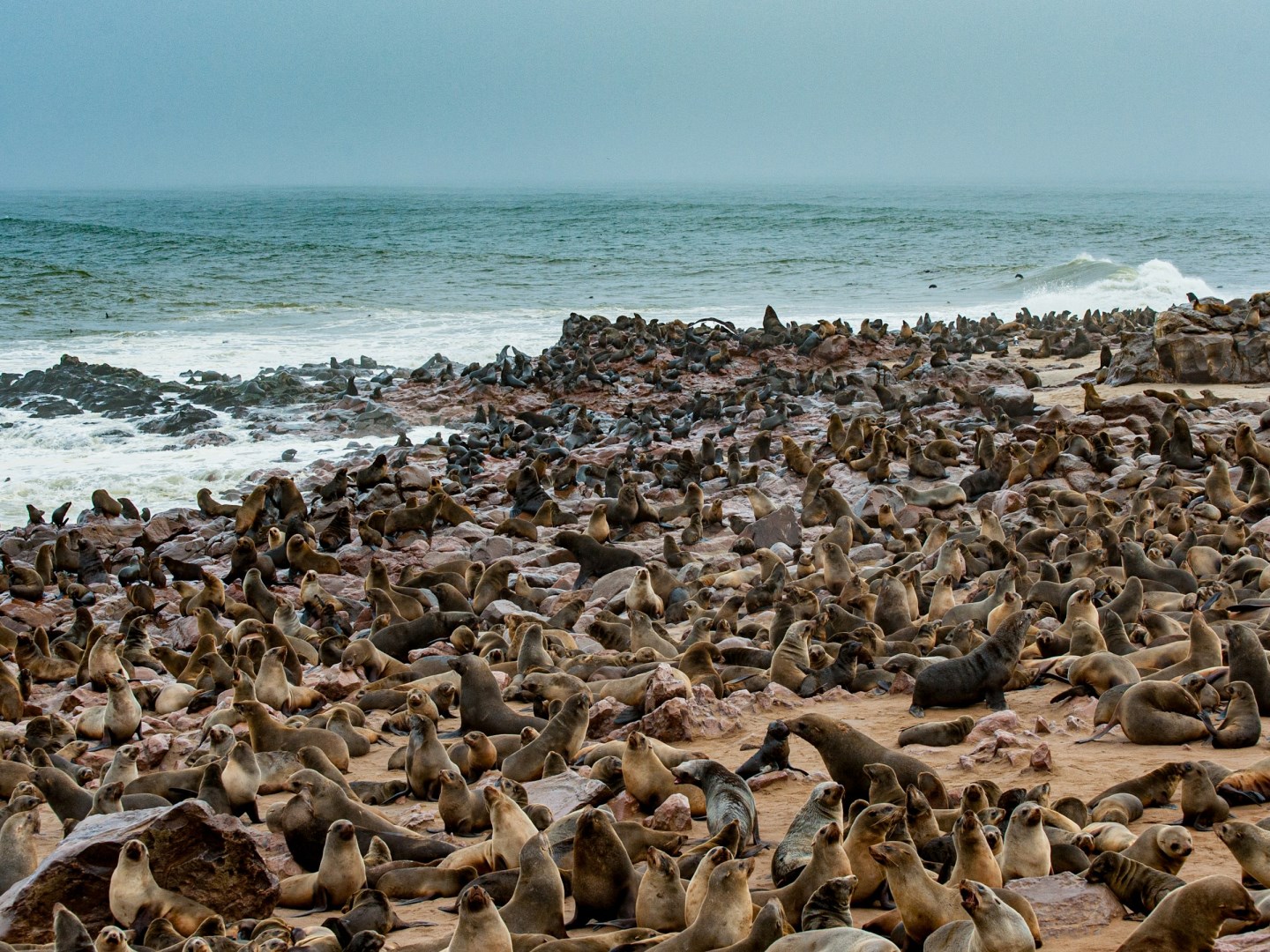
Cape Cross is a remote coastal site on Namibia’s Atlantic shoreline, located within the dry landscapes of the Namib Desert. It is best known for the Cape Cross Seal Reserve, which protects one of the world’s largest breeding colonies of Cape fur seals. The coastline here consists of rocky shores, sandy beaches, salt pans, and sparsely vegetated desert terrain.

Franschhoek
Nestled in the heart of South Africa’s Cape Winelands, Franschhoek is a charming village renowned for its exquisite vineyards and rich history. Founded by French Huguenots in the late 17th century, the village’s French heritage is palpable in its architecture, cuisine, and local culture.
Staniel Cay
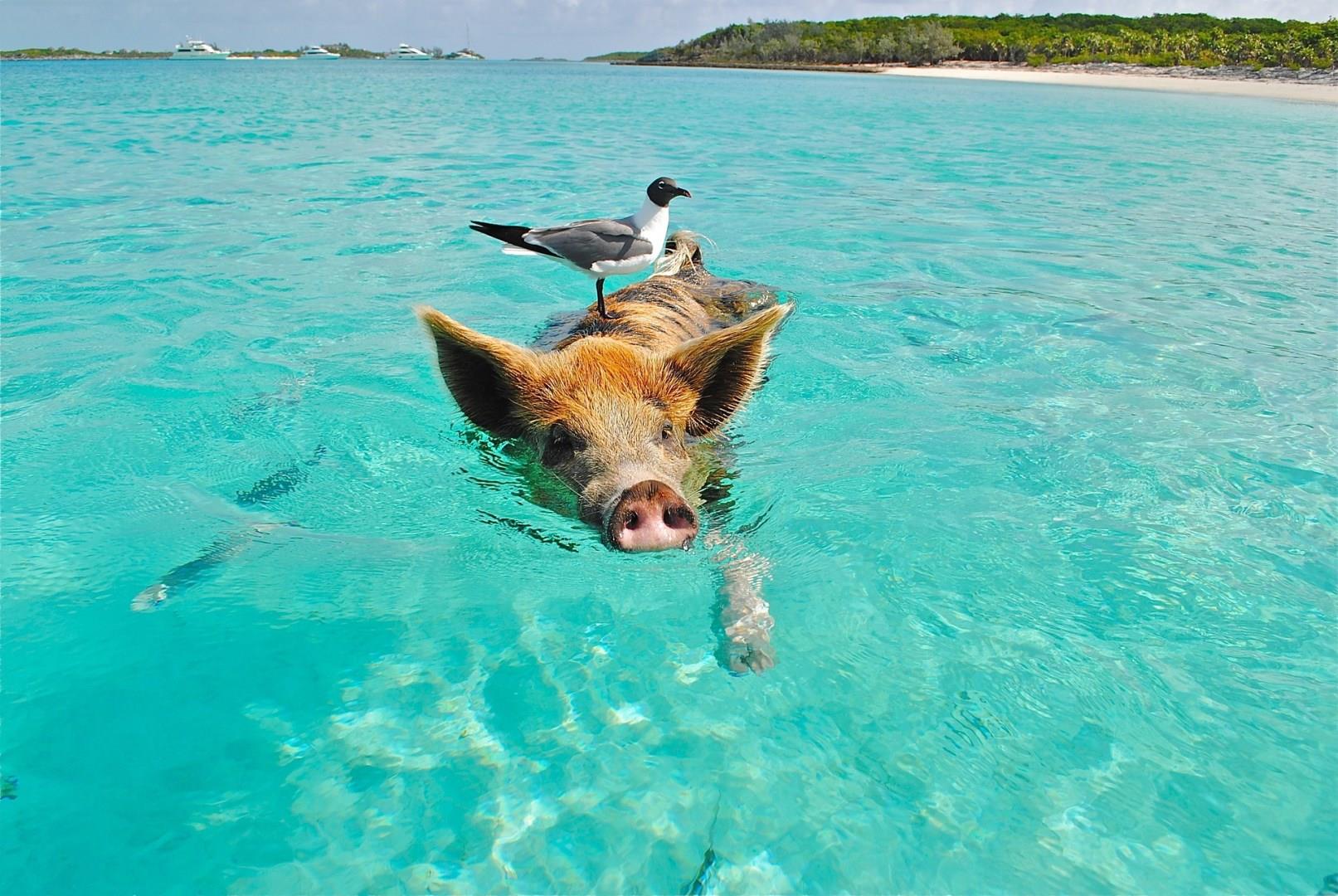
Staniel Cay is a small island in the Exuma Cays of The Bahamas, surrounded by clear shallow waters, coral reefs, sandy beaches, and numerous nearby cays. The island covers less than two square miles and has a small Bahamian village on its western shore. Its position makes it a useful base for exploring the surrounding Exumas by boat, while a local airstrip provides another way to reach the island.
Raja Ampat
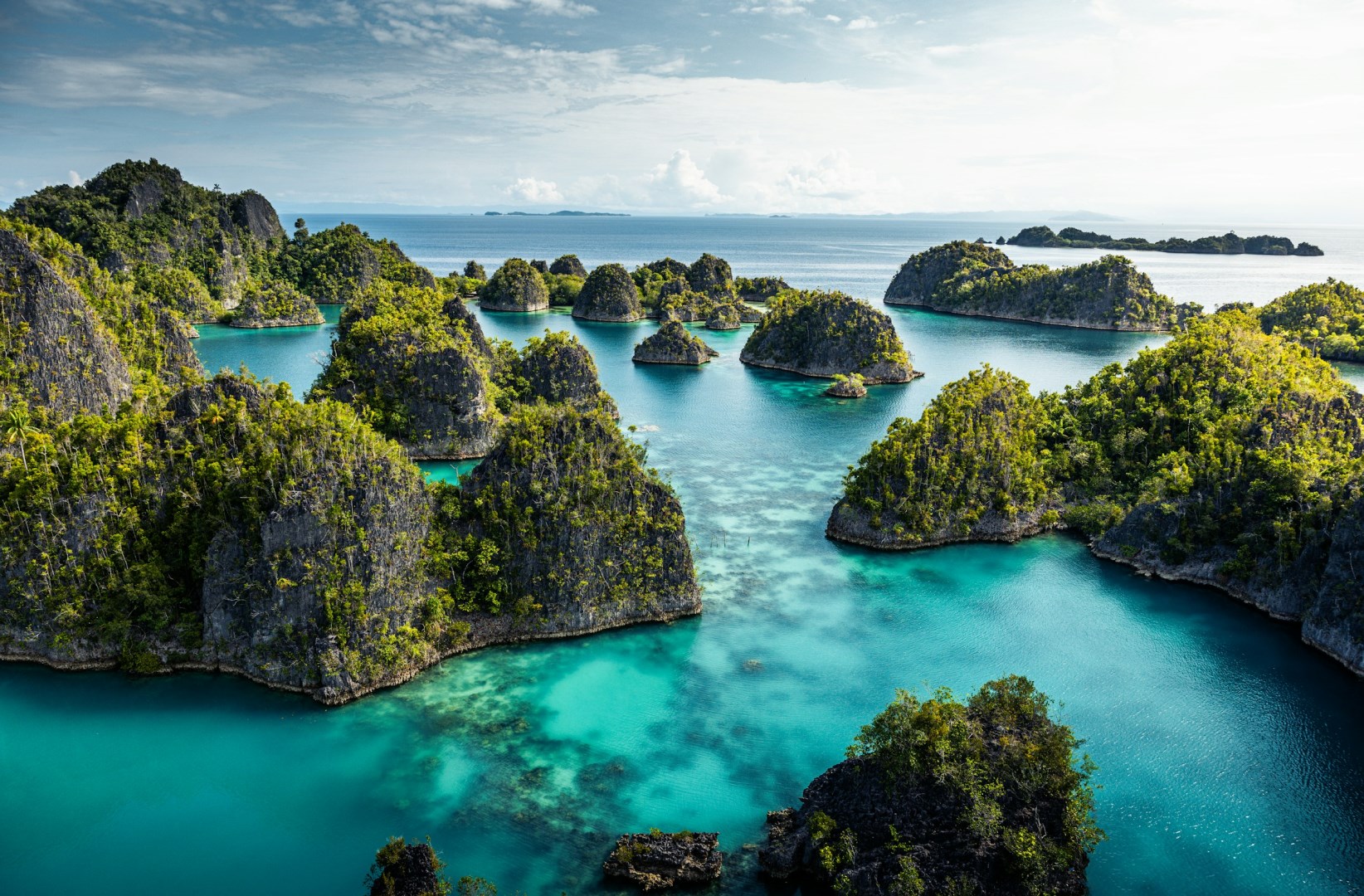
Raja Ampat is an archipelago in Southwest Papua, Indonesia, centered around the four major islands of Waigeo, Batanta, Salawati, and Misool. More than 1,500 smaller islands, cays, and reefs surround these larger islands, creating a landscape of forested hills, limestone formations, sheltered bays, and clear tropical waters.
