

Washington
Washington State offers travelers a dynamic mix of landscapes, cultures, and experiences shaped by volcanoes, forests, coastline, and innovation. Seattle, the state’s largest city, is home to the iconic Space Needle, buzzing Pike Place Market, and holds deep roots in music history. Visitors can stand on the original floor of the first Starbucks, explore interactive exhibits at the Museum of Pop Culture, or catch a ferry from the city’s waterfront for a scenic ride across Puget Sound.

Kruger National Park
Kruger National Park, located in northeastern South Africa, is one of the world’s premier wildlife reserves and a cornerstone of African conservation. Established in 1898, it spans nearly 20,000 square kilometers, making it larger than many countries.
Protaras
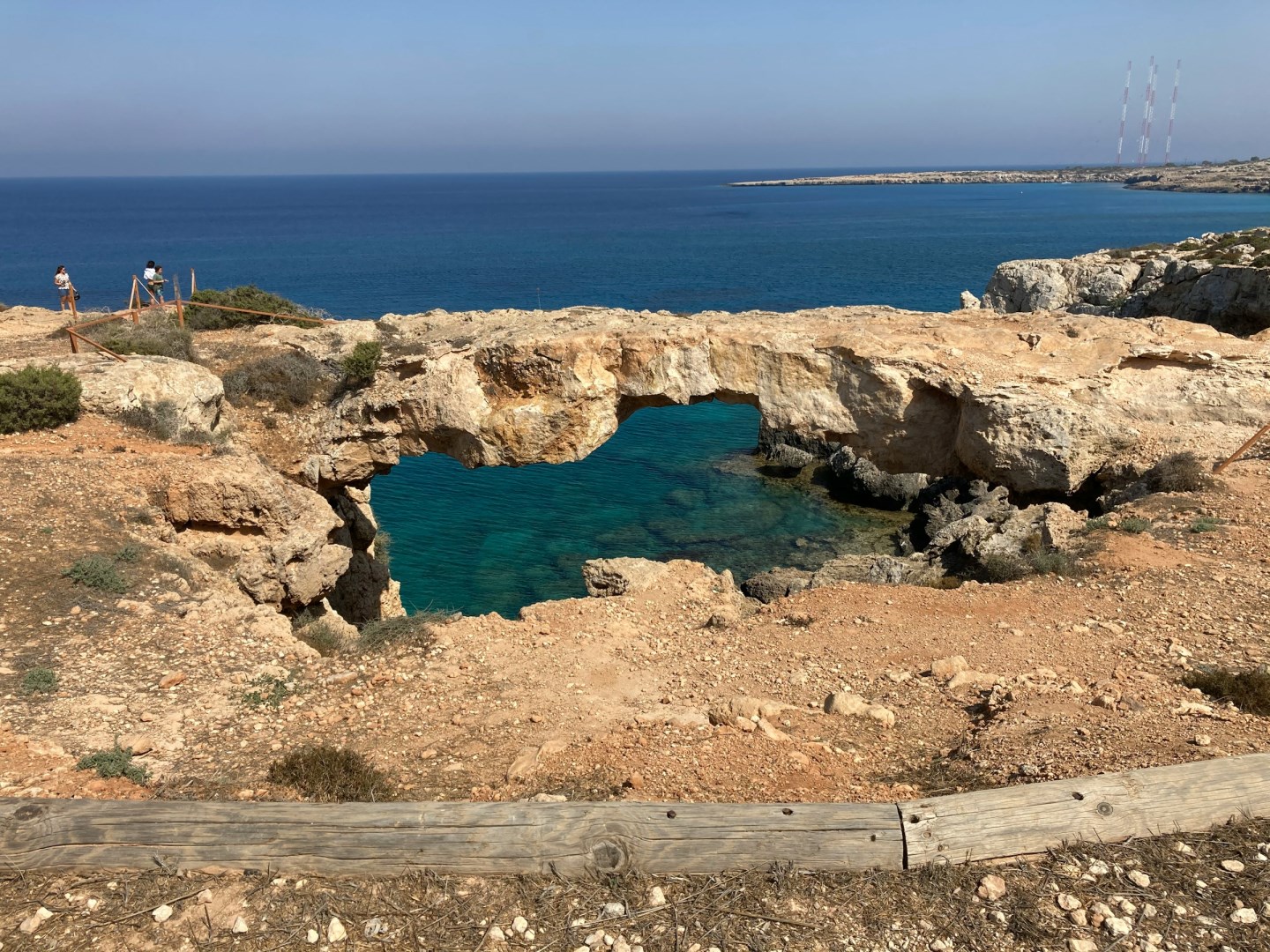
Protaras is a coastal resort town in southeastern Cyprus, located in the Paralimni area along a section of coastline known for sandy beaches, shallow bays, and clear Mediterranean waters. The town stretches along the shore with hotels, apartments, restaurants, cafés, and a long coastal promenade.
Kuala Lumpur
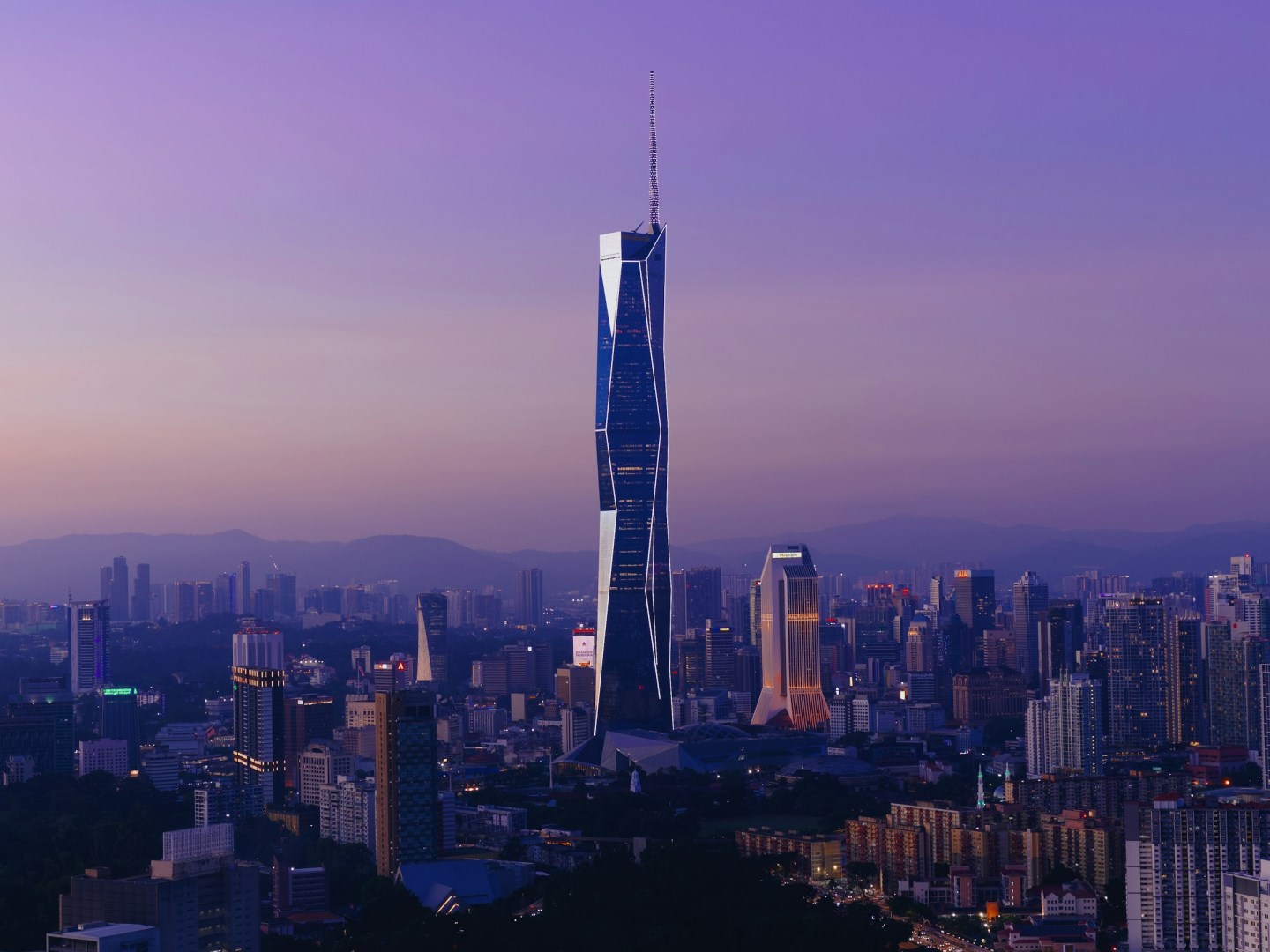
Kuala Lumpur, the capital of Malaysia, is a city where tradition and modernity meet in striking ways. Towering over the skyline are the Petronas Twin Towers, once the tallest buildings in the world, while at street level you’ll find lively markets, ornate temples, and colonial-era architecture.
Ampefy
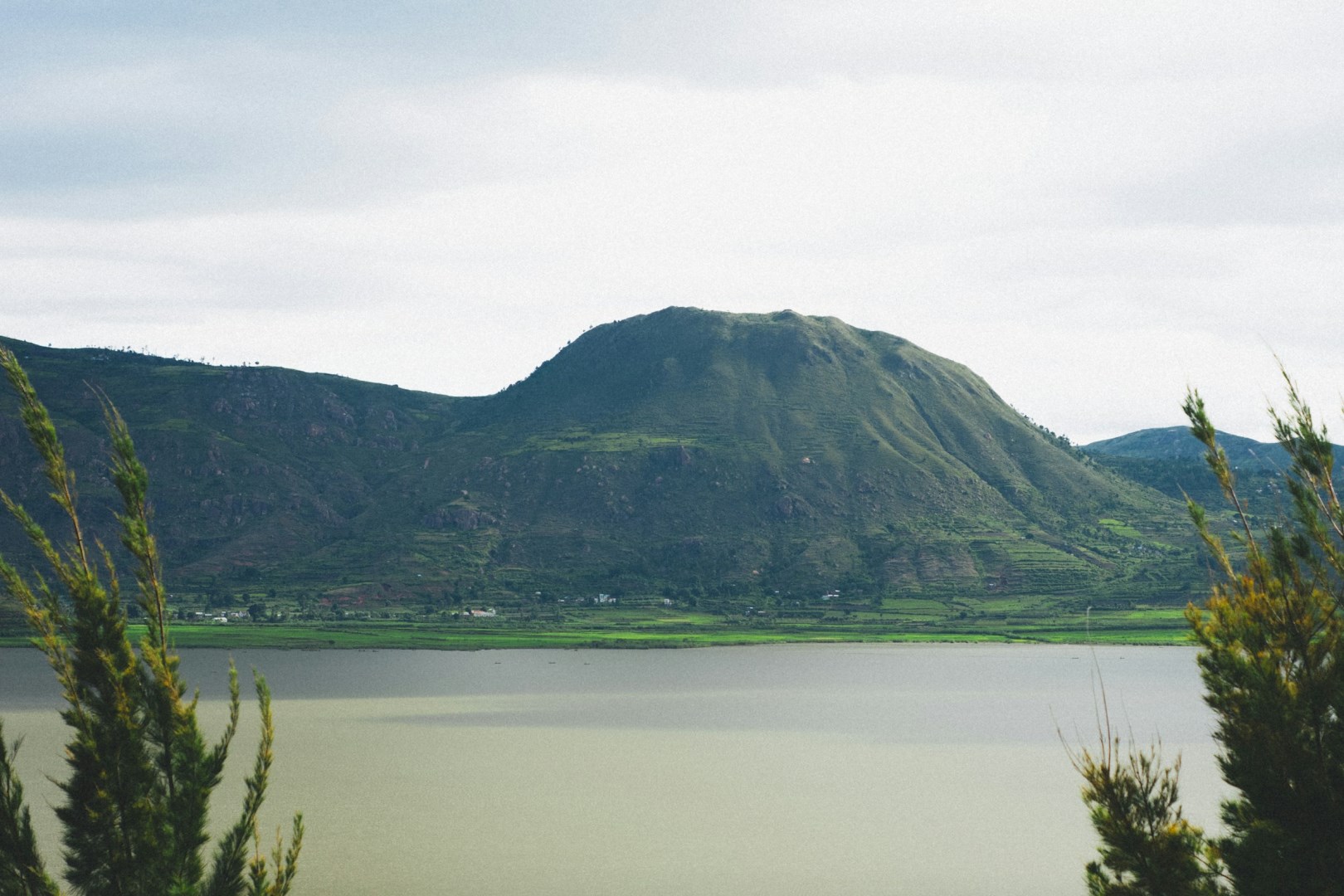
Ampefy is a highland town in central Madagascar, situated in the Itasy region west of Antananarivo. The area is known for its volcanic landscape, with Lake Itasy forming the center of a region shaped by ancient eruptions. Rolling hills, fertile farmland, volcanic cones, and streams surround the lake, creating a landscape that differs from Madagascar’s drier western and southern regions.
