
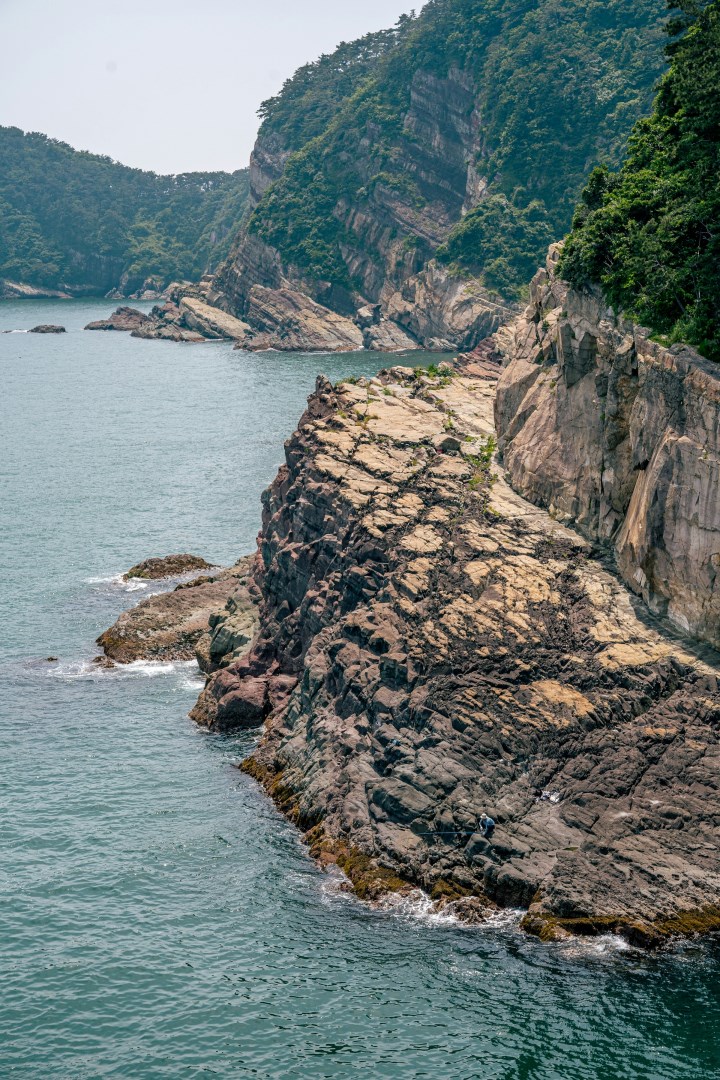
Incheon
Located on the Yellow Sea in northwest South Korea, it is a large port city.

Whitehorse
Whitehorse, the capital of Canada’s Yukon Territory, sits along the Yukon River and serves as the cultural, economic, and transportation heart of the North. Its history is closely tied to the Klondike Gold Rush of the late 1890s, when prospectors passed through the area on their way to Dawson City.

Cancún
Cancún sits on the northeastern tip of Mexico’s Yucatán Peninsula, where the Caribbean Sea meets a narrow stretch of sand shaped by ancient Maya trade routes and modern development. While widely known as a resort destination, Cancún’s roots trace back to a quiet fishing area near important pre-Hispanic sites, with nearby Isla Mujeres and the mainland serving as part of a broader coastal network connected to inland Maya cities.
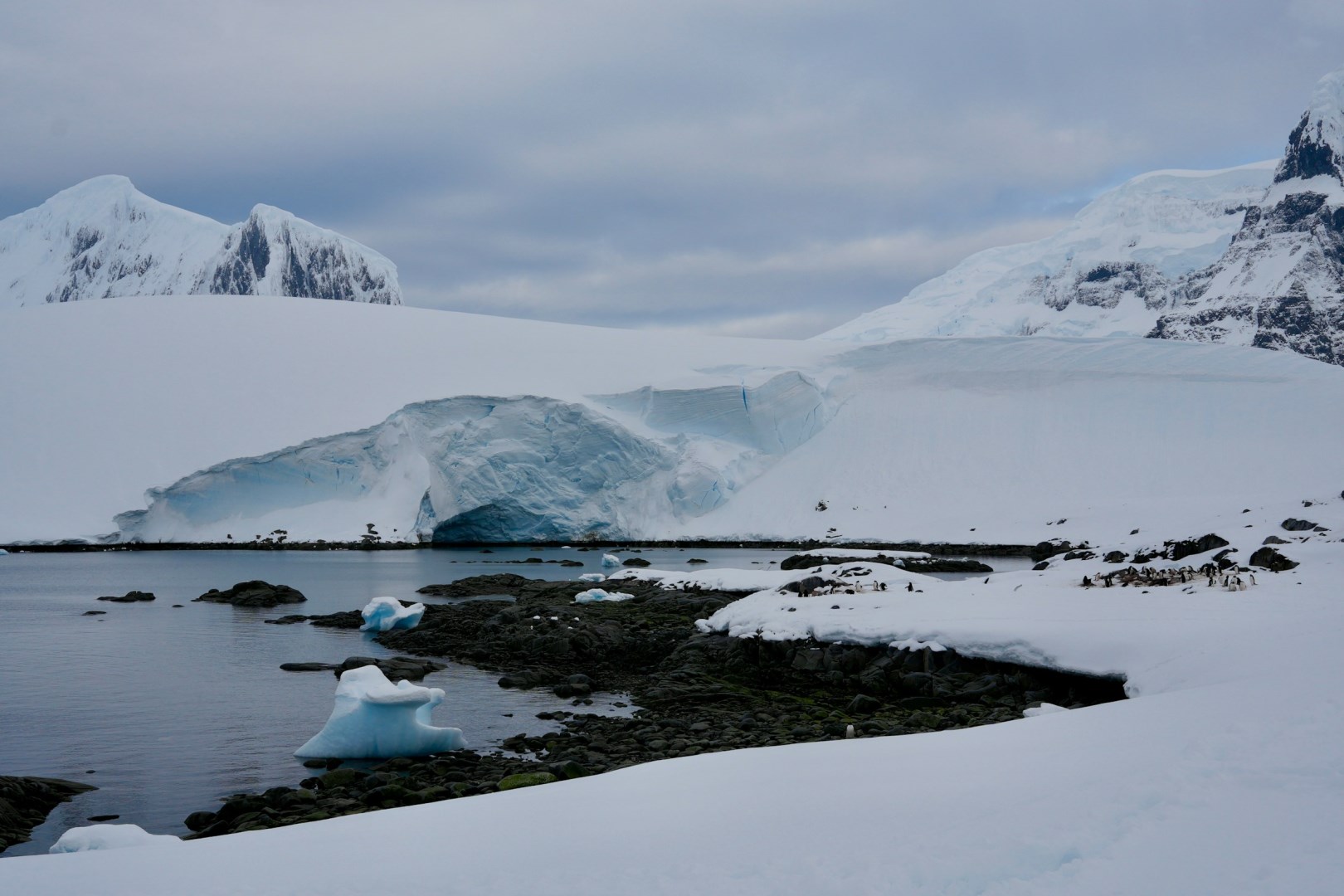
Wiencke Island
Wiencke Island lies off the west coast of the Antarctic Peninsula, separated from Anvers Island by the narrow Gerlache Strait. The island is mountainous and heavily glaciated, with steep slopes rising from a rugged coastline of rocky shores, snowfields, and ice. Several sheltered coves provide access for expedition vessels, while the surrounding waters are often dotted with icebergs and sea ice.

Linz
Midway between Salzburg and Vienna, Linz boasts beautiful Baroque buildings, including Old Town Hall and the Old Cathedral, Alter Dom. Lentos Kunstmuseum Linz has a major modern art collection and across the river, the striking Ars Electronica Center focuses on society, technology, and the future. Some of Austria's most iconic figures, including Adalbert Stifter, composers Wolfgang Mozart and Anton Bruckner, and the famous scientist Johannes Kepler, once called Linz home.
