

South Luangwa National Park
South Luangwa National Park in eastern Zambia is one of Africa’s most treasured wildlife areas, lying along the lush bends of the Luangwa River. Designated as a protected area in the 1970s, it stands out for its consistently high wildlife densities and landscapes that shift with the seasons. Dry grasslands, shaded woodlands, and green floodplains all unfold beneath wide skies, shaping the canvas for memorable animal sightings.

El Calafate
El Calafate, a small town in southern Patagonia, serves as the main gateway to one of Argentina’s most spectacular natural wonders, the Los Glaciares National Park. Sitting on the shores of Lake Argentino, El Calafate was once a quiet outpost known mainly for sheep farming and the hardy calafate berry. Today, it attracts travelers from around the world who come to witness massive ice formations and the shifting blue walls of nearby glaciers.
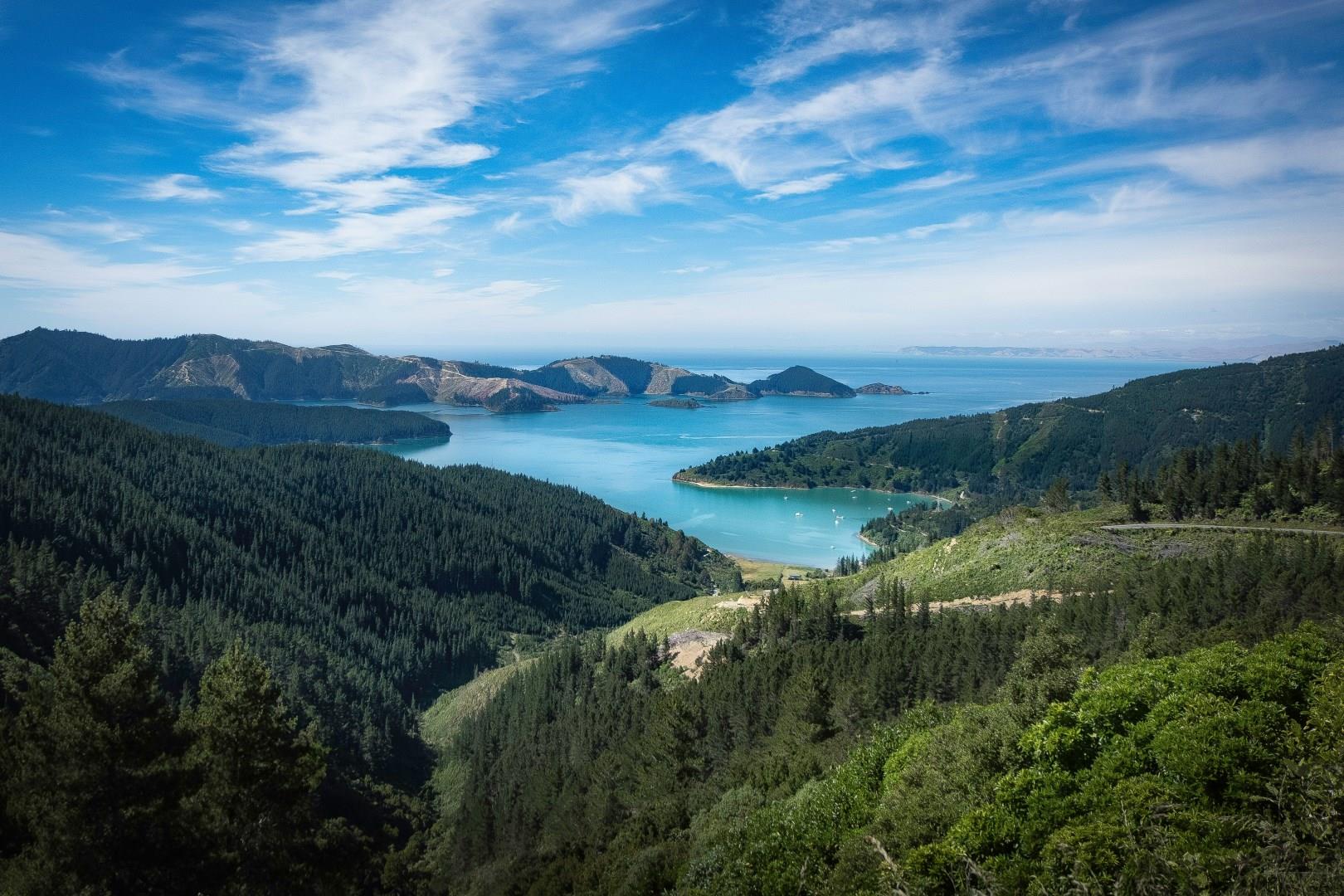
Picton
Picton, located at the head of Queen Charlotte Sound in New Zealand’s Marlborough region, is a charming gateway to the Marlborough Sounds and the South Island. The town is known for its scenic harbor, where ferries connect the North and South Islands, and as a hub for exploring the intricate waterways, bays, and coves that define this coastal region.

Bratislava
Bratislava, Slovakia’s capital, sits along the Danube River at the crossroads of Central Europe. It's the only capital in the world bordering Austria and Hungary, which makes it an easy stop on many European itineraries. Yet Bratislava is more than a waypoint; it offers a compact city center filled with centuries of history. The Old Town’s cobbled lanes lead past Gothic cathedrals, Baroque palaces, and buildings once used by Habsburg royalty.
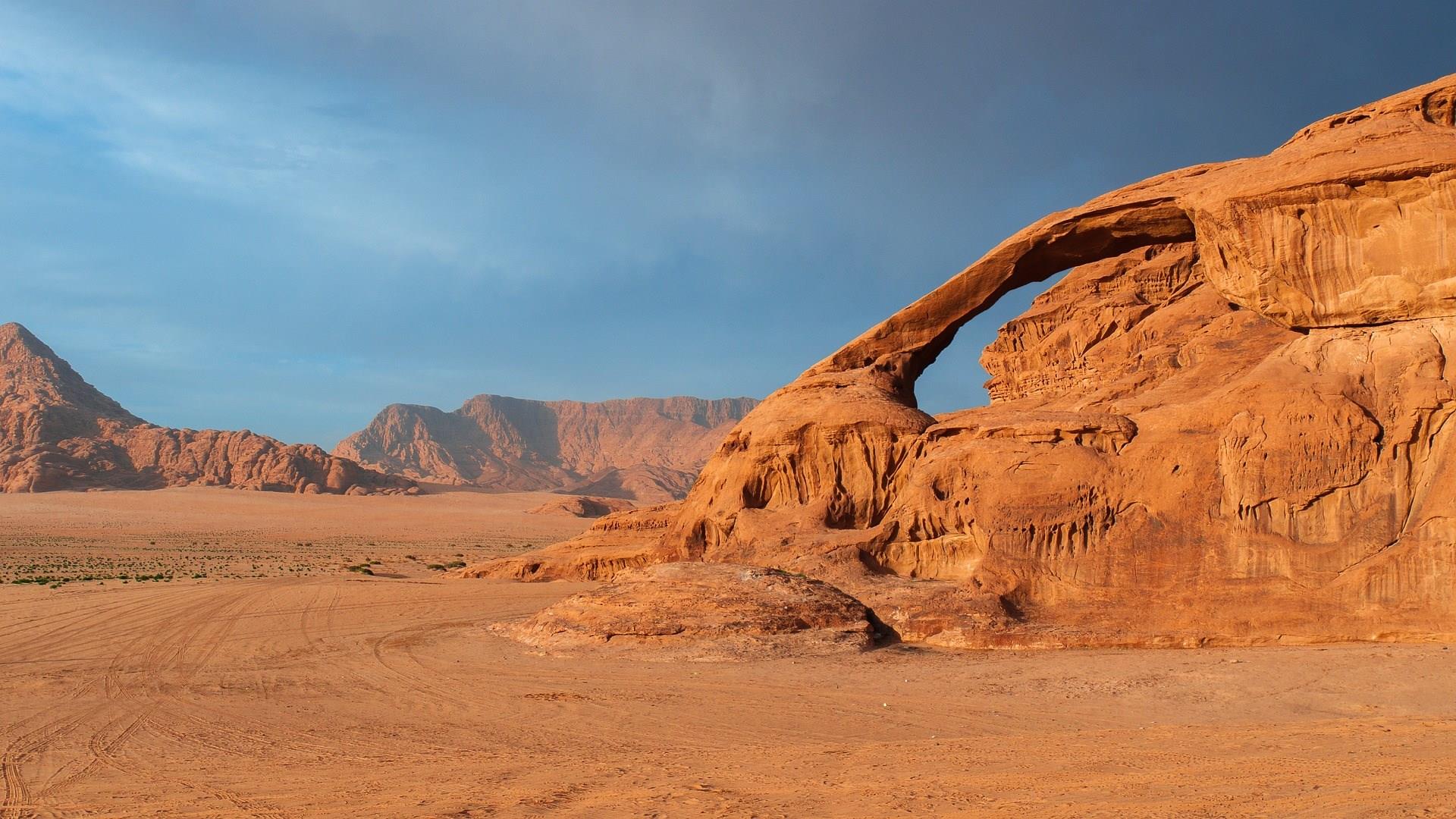
Wadi Rum
Wadi Rum, often called the “Valley of the Moon,” is a desert landscape in southern Jordan renowned for its dramatic sandstone mountains, sweeping red sand dunes, and ancient history carved into the rock. Its vast, otherworldly scenery has made it both a UNESCO World Heritage Site and a backdrop for films set on distant planets.
