
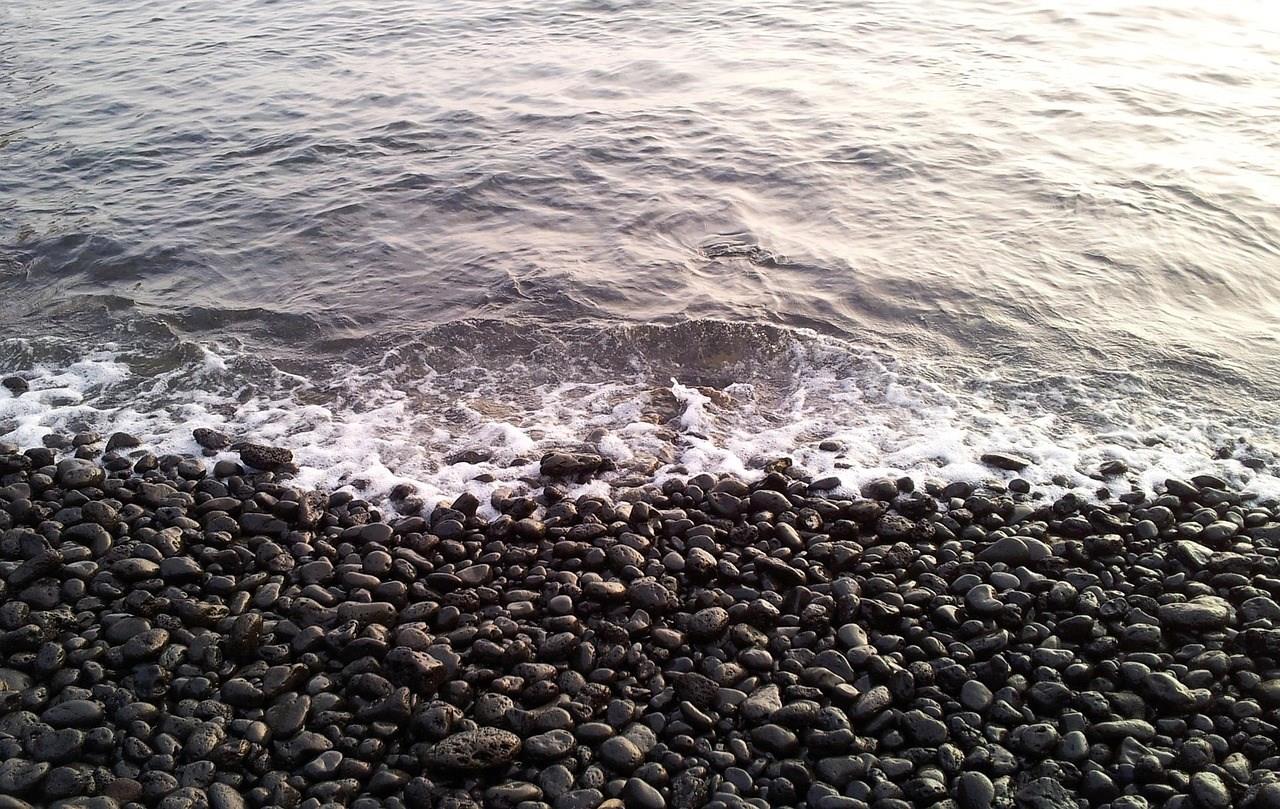
Keauhou, Hawaii
Keauhou, located on the Kona Coast of Hawai‘i Island, is recognized as the birthplace of King Kamehameha III, and many nearby sites still reflect its royal past.

USA
Spanning from the Atlantic to the Pacific, its geography encompasses everything from mountain ranges and fertile plains to vibrant cities and quiet coastal towns. Each region tells its own story.
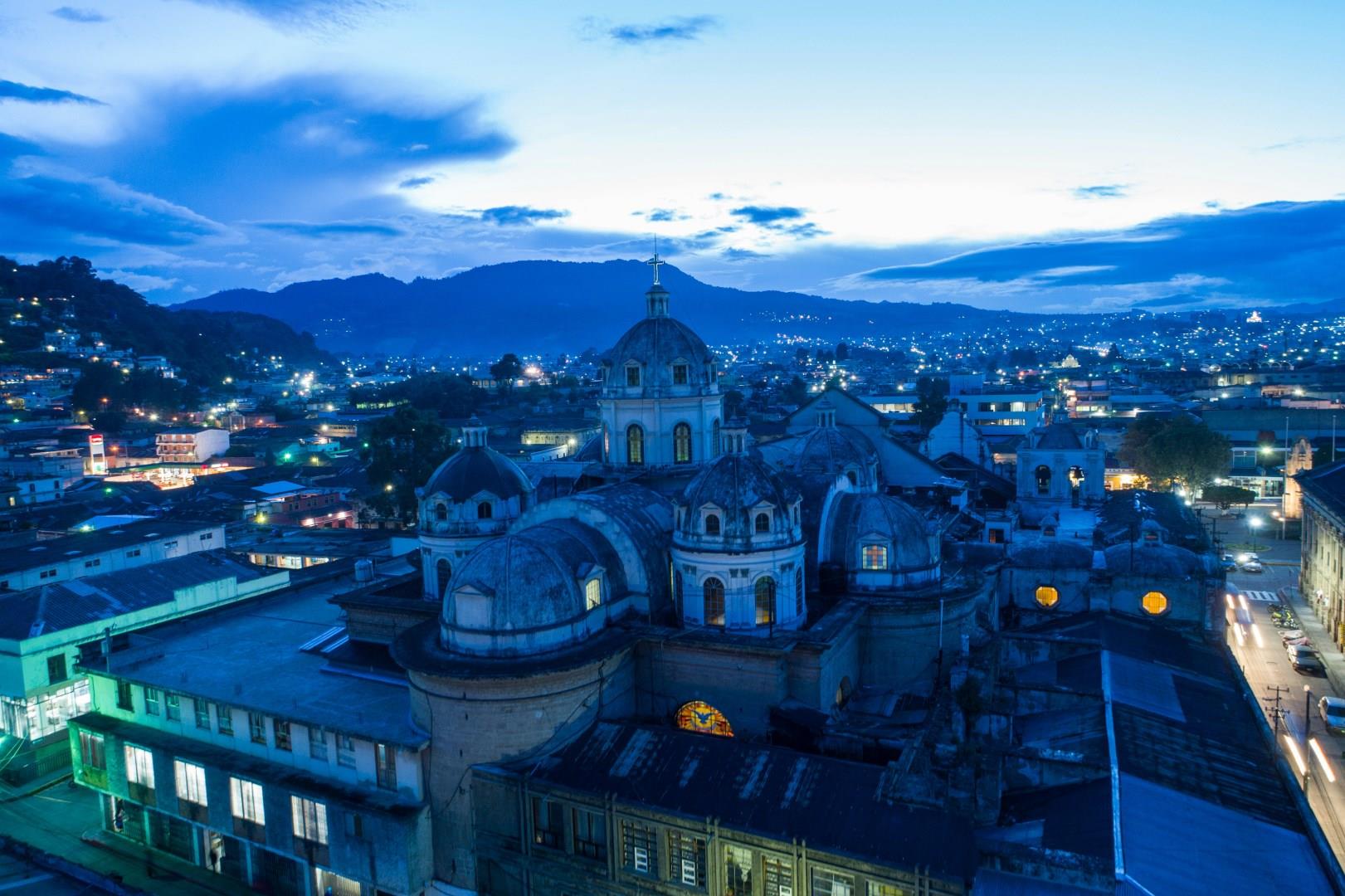
Quetzaltenango
Quetzaltenango, often called Xela by locals, is Guatemala’s second-largest city and a hub of indigenous culture, colonial history, and highland landscapes. Surrounded by volcanoes, including the towering Santa María, the city sits at over 7,600 feet above sea level, giving it a crisp mountain climate that contrasts with the country’s tropical lowlands.
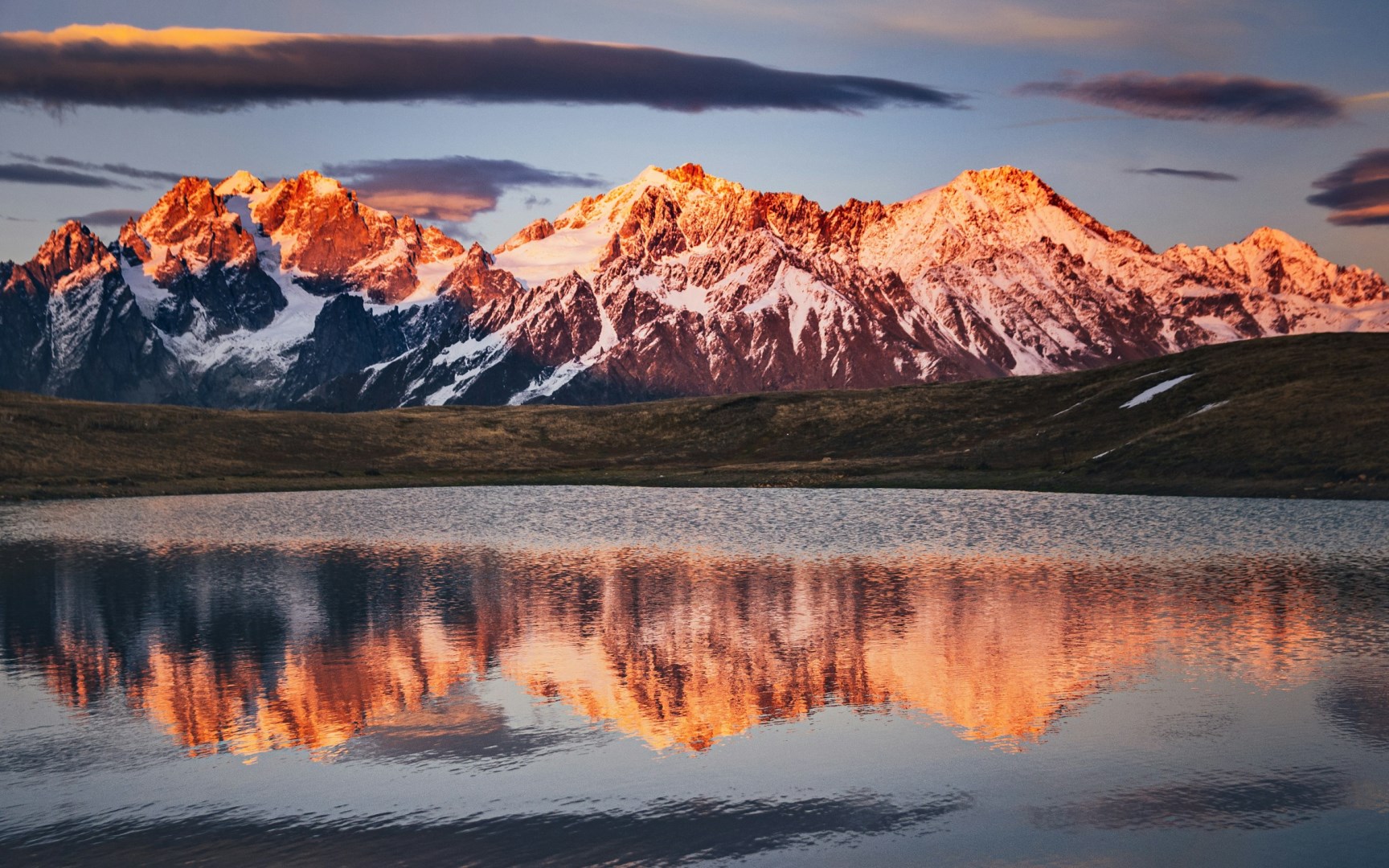
Mestia
Mestia is the main town of Upper Svaneti, a high mountain region in northwestern Georgia surrounded by the peaks of the Greater Caucasus. The town sits in a broad valley at about 1,500 meters above sea level, with snow-covered mountains, forested slopes, and alpine terrain extending in every direction.

Puntarenas
Stretching along Costa Rica’s Pacific coast, Puntarenas offers more than just sandy shores. This historic port town once served as the country’s main gateway for coffee exports in the 19th century. Today, visitors can stroll along streets that echo stories of maritime trade and explore how Puntarenas helped shape Costa Rica's economic identity.
