

Puebla
Puebla, a city nestled in the heart of Mexico, is a captivating blend of colonial charm, vibrant culture, and rich history. Known as the "City of Angels," Puebla's well-preserved historic center is a UNESCO World Heritage site, filled with stunning baroque architecture, colorful tiled buildings, and bustling markets. Puebla is also a haven for food lovers, celebrated as the birthplace of some of Mexico’s most iconic dishes.

Road Town
Road Town, the vibrant capital of Tortola in the British Virgin Islands (BVI), offers a charming blend of Caribbean culture, history, and natural beauty. Nestled around a horseshoe-shaped harbor and fringed by lush green hills, Road Town is the bustling heart of the BVI, where visitors can explore colorful markets, historical landmarks, and an inviting waterfront.

Šiaulia
Šiauliai, often referred to as the "City of the Sun" due to its high number of sunny days, is a vibrant gem in northern Lithuania. The city's most iconic landmark is the Hill of Crosses, a profound site of pilgrimage adorned with thousands of crosses placed by visitors over the decades. This unique and moving monument, which has been recognized by UNESCO for its cultural significance, symbolizes the resilience and spirit of the Lithuanian people.
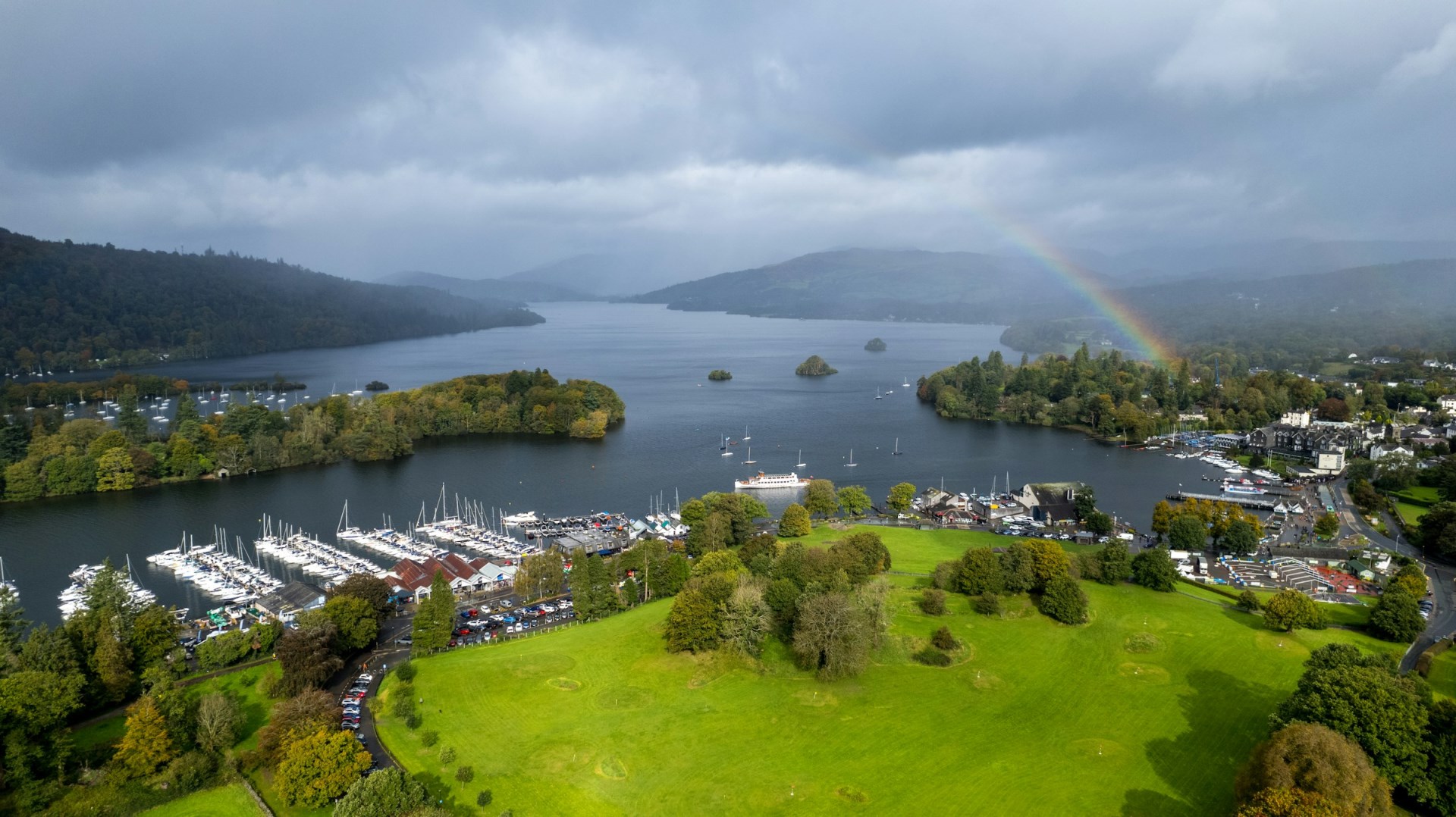
Windermere
The largest tourist town in the Lake District feels like a resort. One of the sights is the Windermere Steamboat Museum, probably the finest steamboat collection in the world.
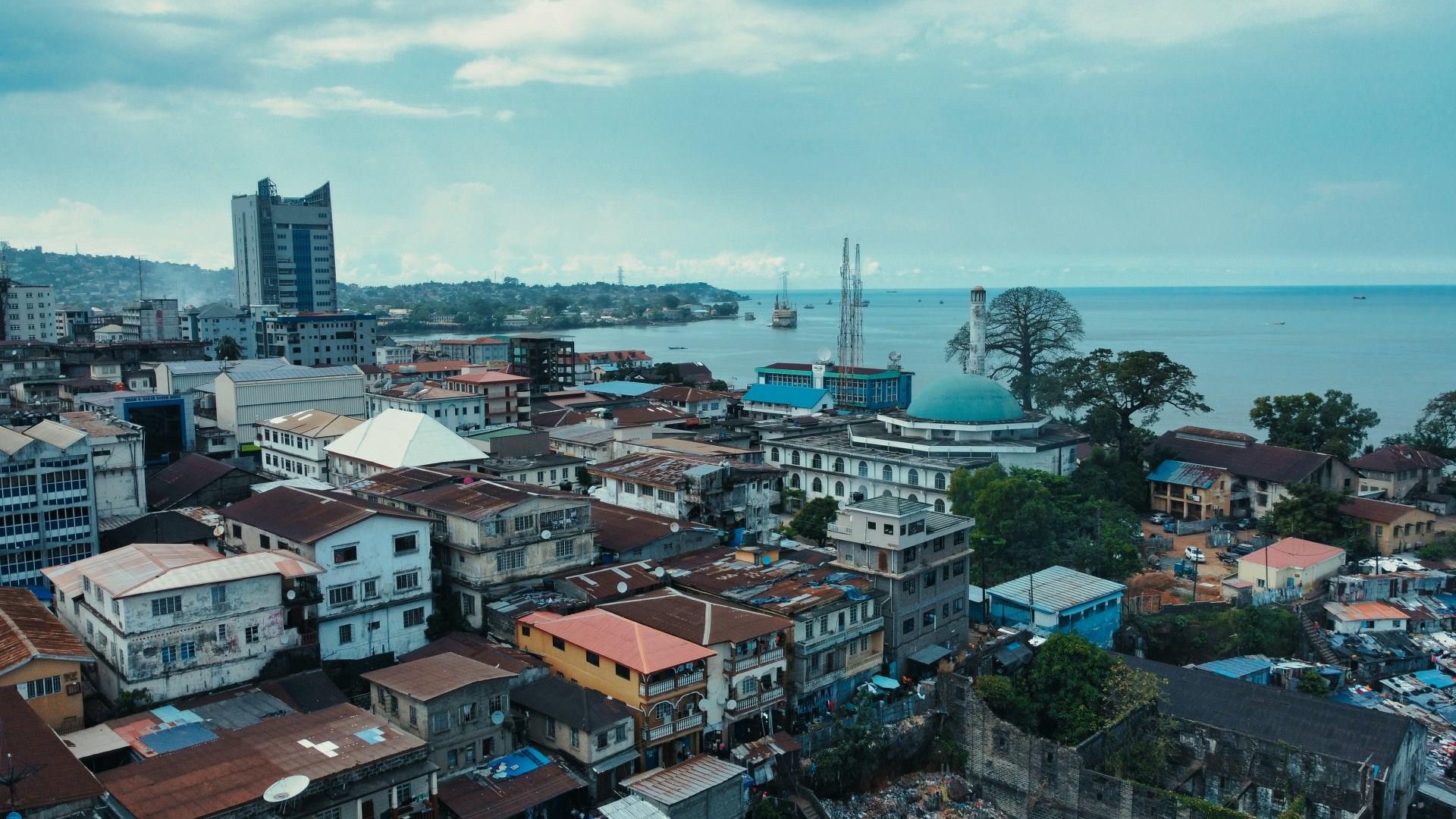
Sierra Leone
Sierra Leone, on the coast of West Africa, is a country of striking contrasts, where white-sand beaches meet green mountains and vibrant cities. Its Atlantic shoreline stretches for miles, offering quiet escapes as well as lively coastal communities.
