

Wānaka
Nestled on the southern shores of its namesake lake, Wanaka is a charming resort town in New Zealand's South Island that offers a captivating blend of adventure, relaxation, and stunning natural beauty. Surrounded by snow-capped mountains and crystal-clear waters, Wanaka is an ideal destination for outdoor enthusiasts.

Telč
Telč, a charming town in the South Bohemian Region of the Czech Republic, enchants visitors with its well-preserved Renaissance architecture and picturesque surroundings. The town's central attraction is its beautifully preserved Historic Centre, a UNESCO World Heritage Site, renowned for its colorful facades and quaint medieval charm.
Salmon Arm
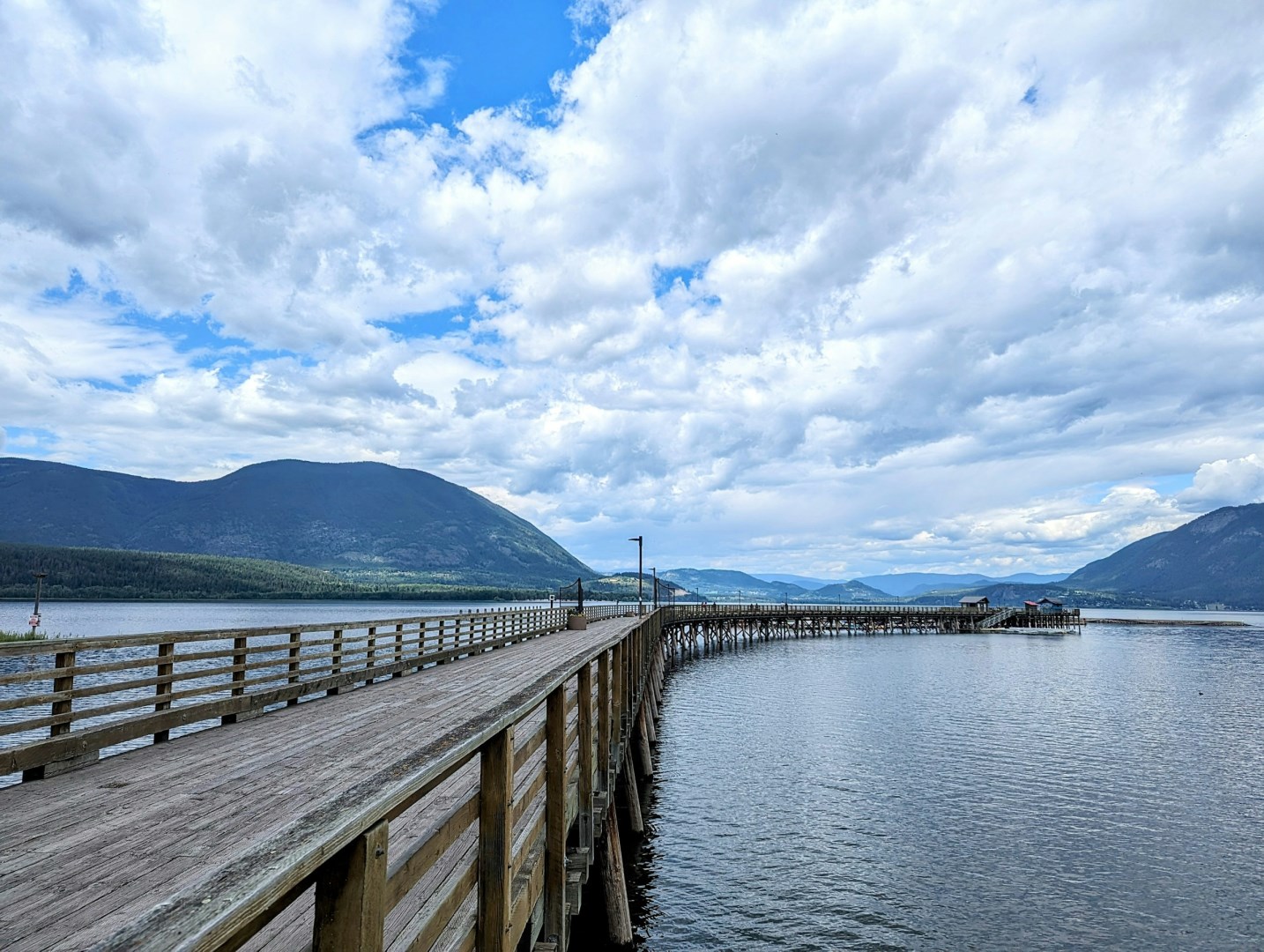
Salmon Arm is a community on the southern shore of Shuswap Lake in British Columbia’s Southern Interior. Its location places the city between Kamloops and Revelstoke, with the lake, surrounding hills, and forested valleys shaping the local landscape. The community takes its name from the southwest arm of Shuswap Lake, which was historically associated with salmon runs in the waterways entering the lake.

Sihanoukville
Nestled along Cambodia’s picturesque coastline, Sihanoukville offers an inviting retreat with its stunning beaches and vibrant culture. This coastal city, named after King Norodom Sihanouk, is renowned for its pristine white sand beaches and turquoise waters.
Bend
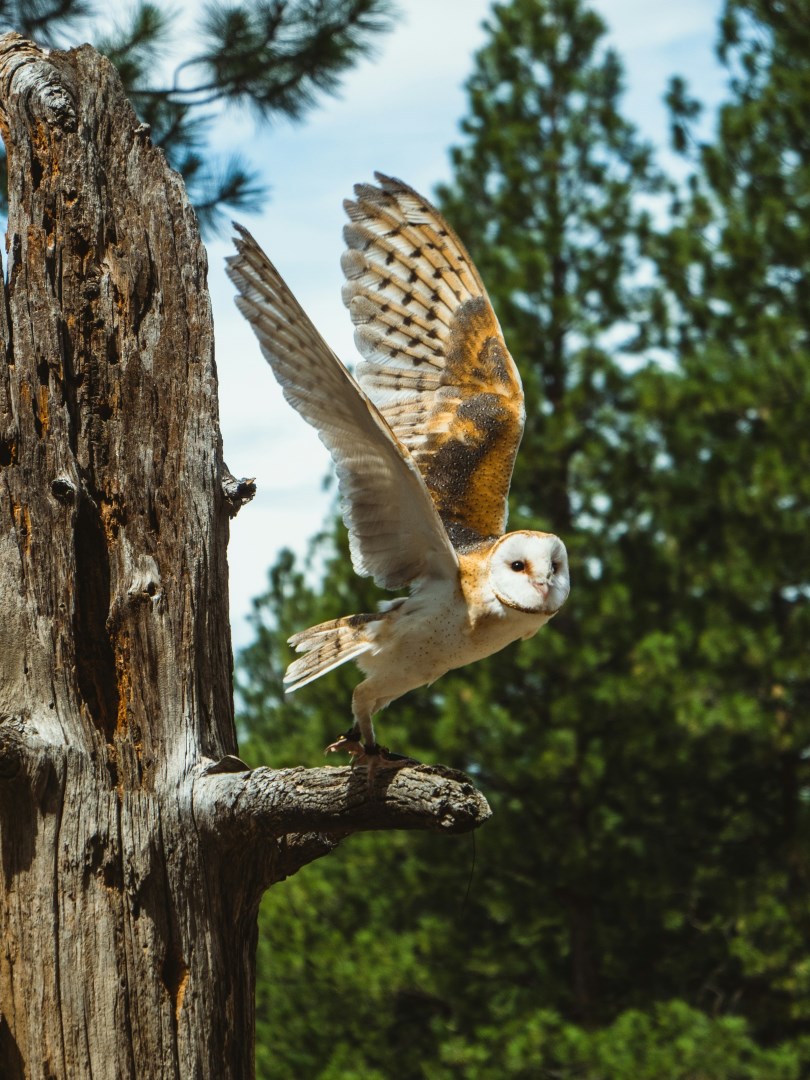
Central Oregon. Nestled along the Deschutes River, Bend is renowned for its outdoor activities and vibrant culture. The city is a haven for outdoor enthusiasts, offering year-round opportunities for hiking, biking, and skiing. The nearby Mount Bachelor, a popular ski resort, transforms into a winter wonderland with over 4,000 acres of skiable terrain. In the warmer months, it serves as a hub for mountain biking and hiking, with trails that cater to all skill levels.
