
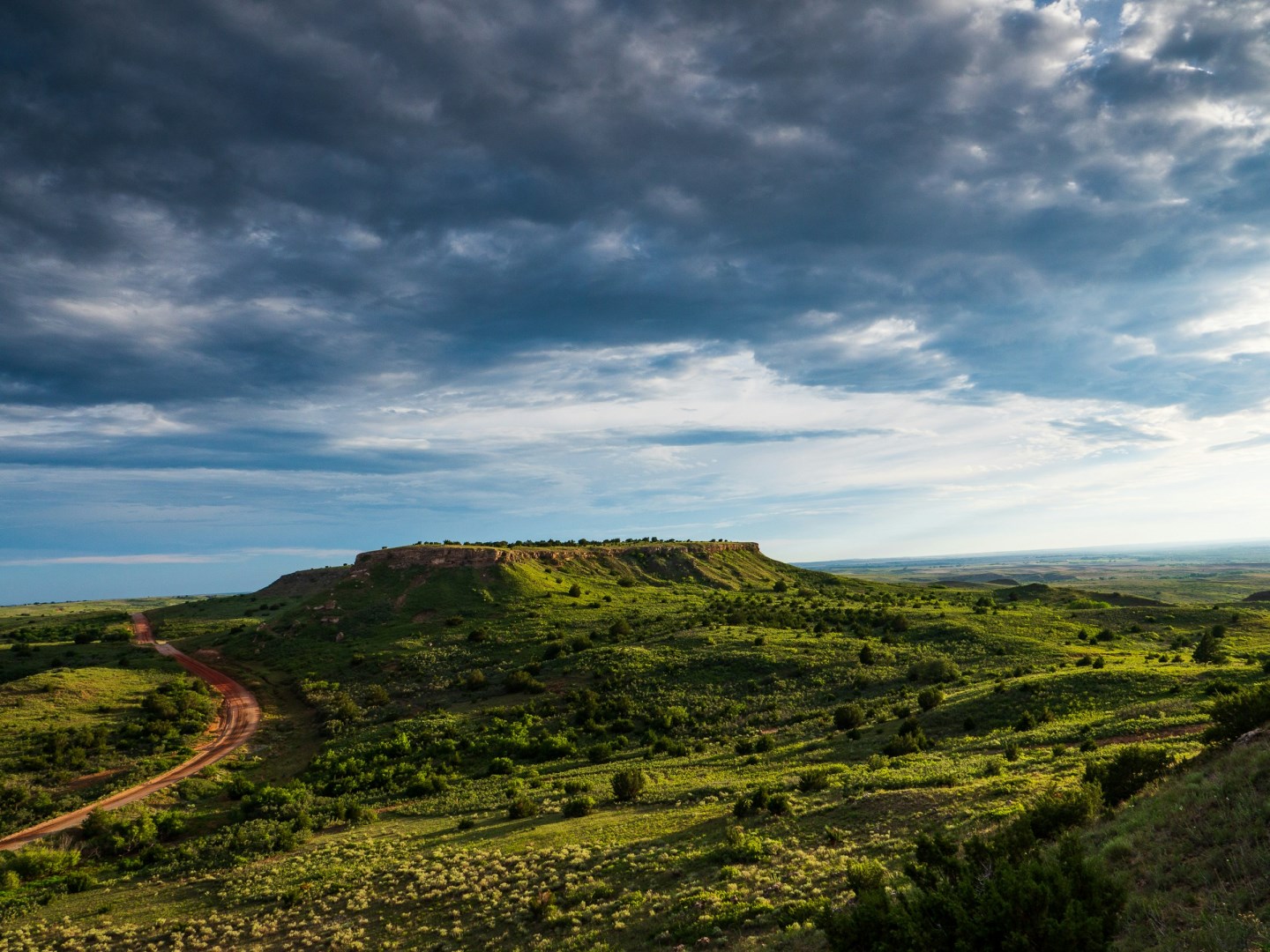
Oklahoma
Oklahoma offers a deep, unexpected travel experience shaped by wide-open skies, rich tribal history, and a music legacy that runs through jukeboxes and dance halls. In Oklahoma City, the National Cowboy & Western Heritage Museum showcases the art, artifacts, and grit of the American West. At Mount Scott, visitors can drive to the summit for panoramic views or spot bison grazing below. It’s a place where the sound of the wind and the crunch of gravel underfoot replace the noise of daily life.
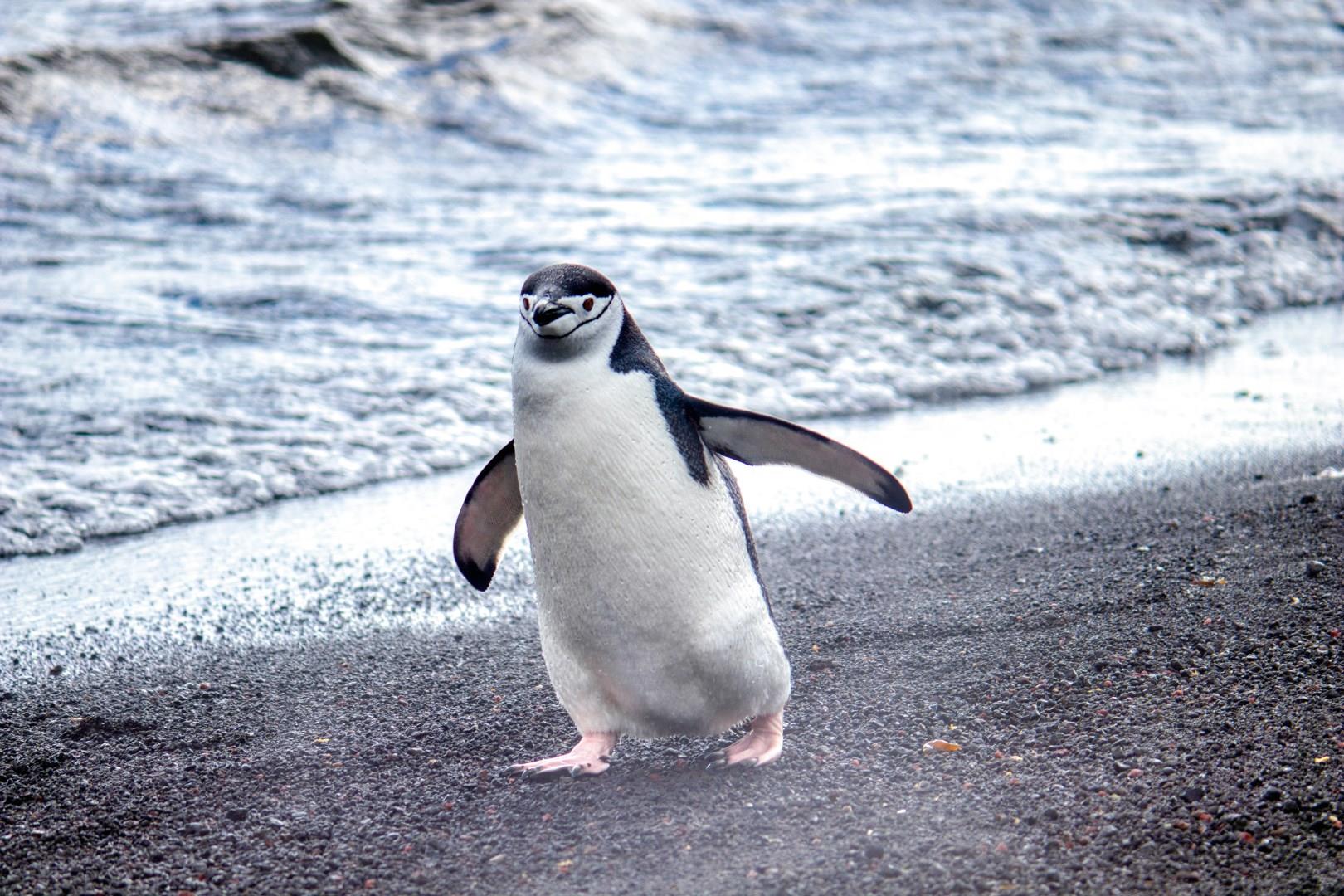
Elephant Island
Elephant Island, a remote outcrop off the coast of Antarctica, is not your average travel destination. Known for its dramatic cliffs, towering glaciers, and wild, ice-laced seas, this island is both stark and unforgettable. Located 245 kilometers northeast of the Antarctic Peninsula, Elephant Island is rarely visited except by specialized expedition cruises.
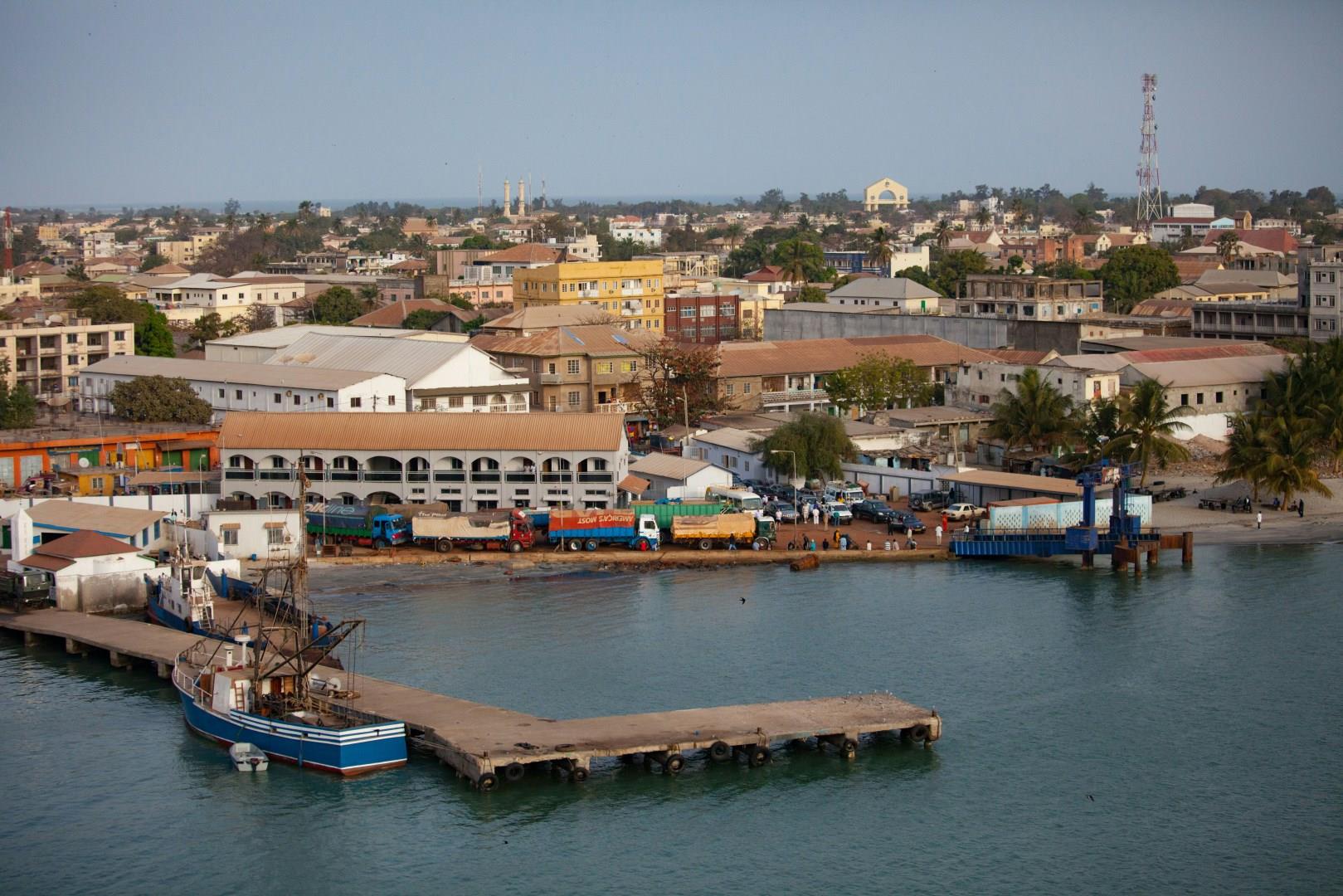
Banjul
Banjul, the capital of The Gambia, is located on St. Mary’s Island at the mouth of the Gambia River, giving it a unique waterfront setting.
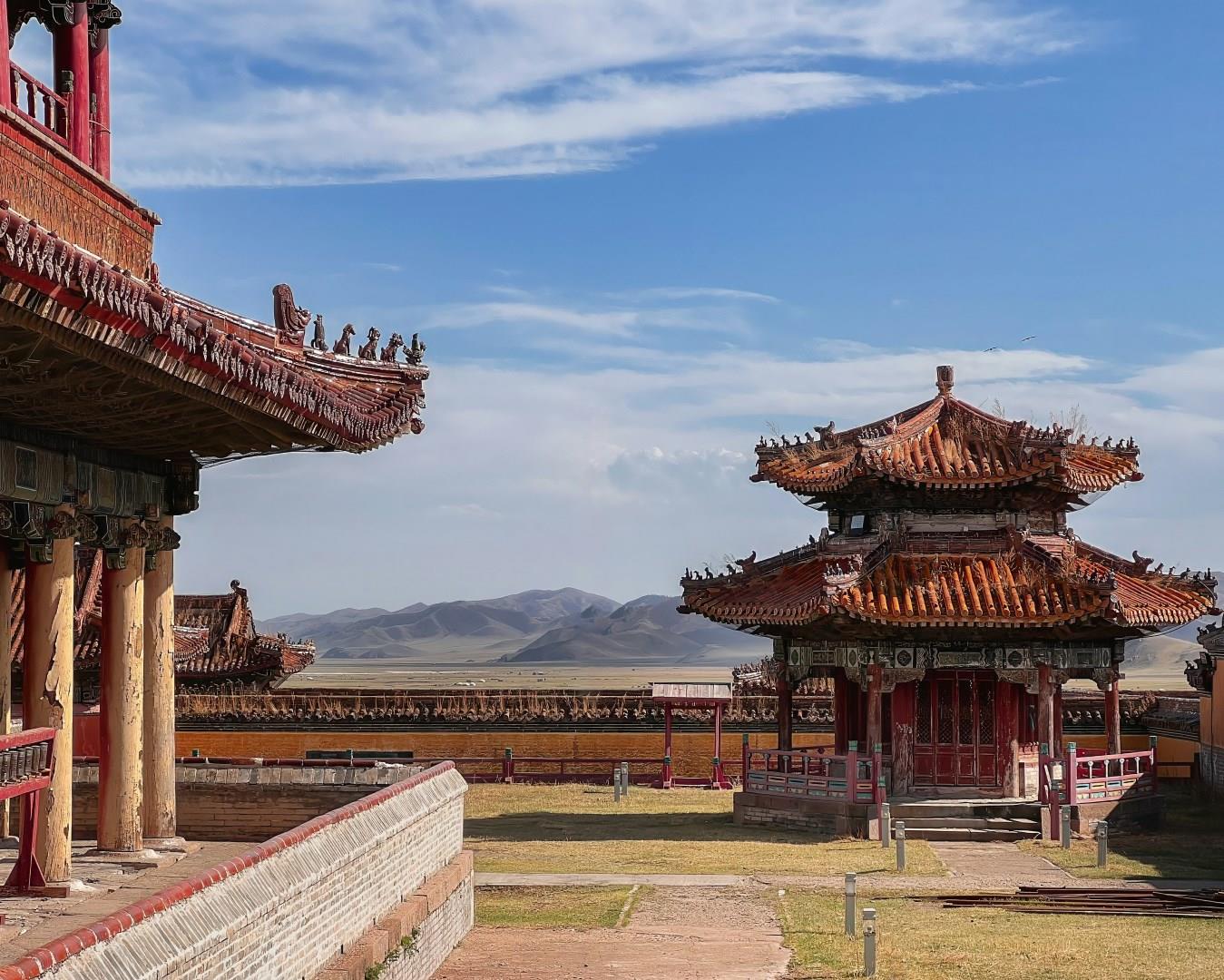
Baruunburen
Baruunbüren is a small town in northern Mongolia, set within the forest-steppe landscapes of Selenge Province near the Russian border.
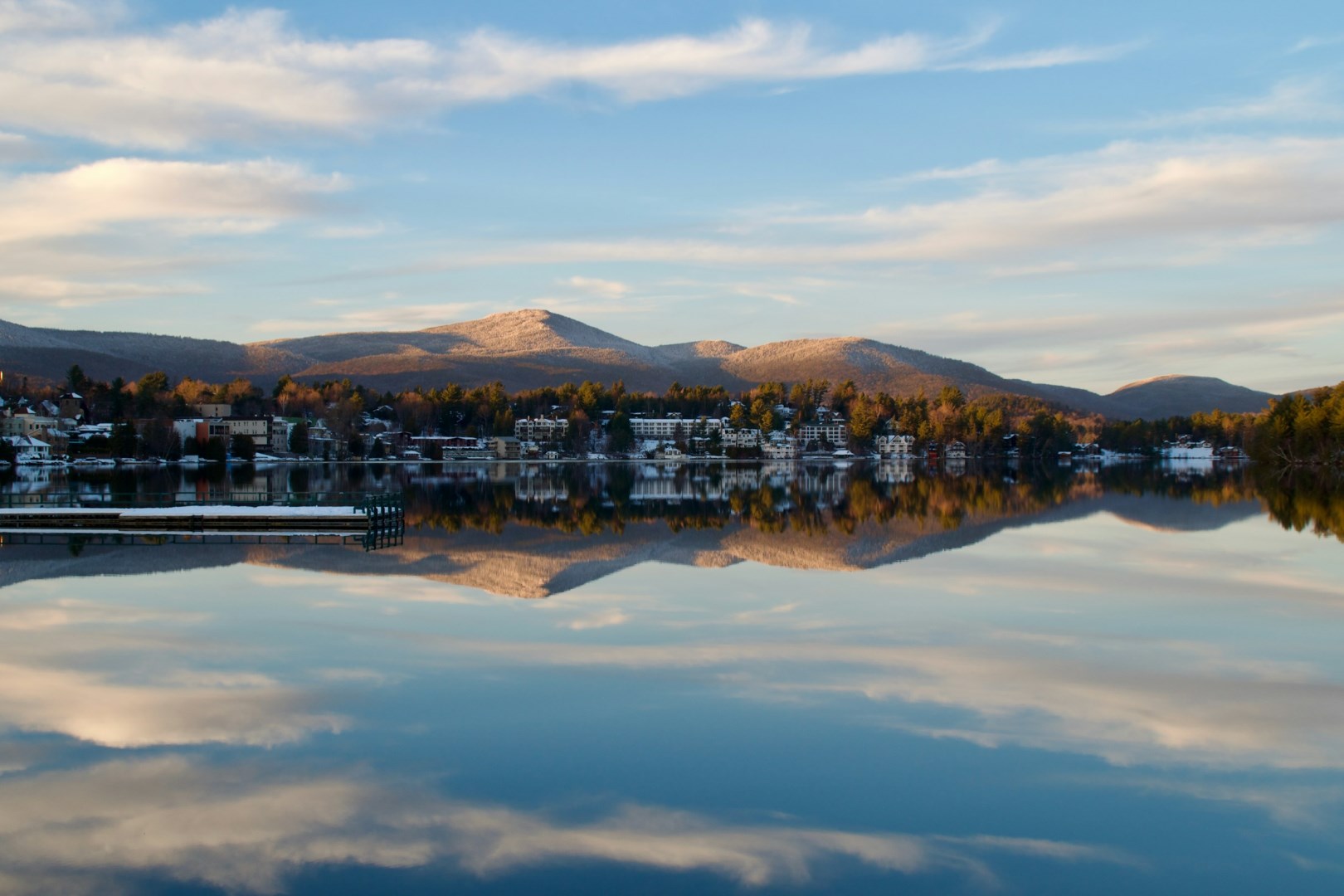
Lake Placid
Lake Placid is a village in the Adirondack Mountains of northern New York, set beside Mirror Lake and close to the larger Lake Placid. Surrounded by forested mountains, the community has a compact centre with shops, restaurants, galleries, and lodging along Main Street. The area is part of the Adirondack Park, a vast protected landscape of forests, lakes, rivers, and mountains.
