

Perth
Perth is pleasantly sited on the Swan and Canning rivers, with the cerulean Indian Ocean to the west and the ancient Darling Ranges to the east. It claims to be the sunniest state capital in Australia and the most isolated capital city in the world.

Valtice
Nestled in the wine-growing region of South Moravia, Valtice, Czech Republic, is a charming town known for its rich history and stunning architecture. The centerpiece of Valtice is the majestic Valtice Castle, a UNESCO World Heritage site that showcases an impressive Baroque façade and beautifully landscaped gardens.
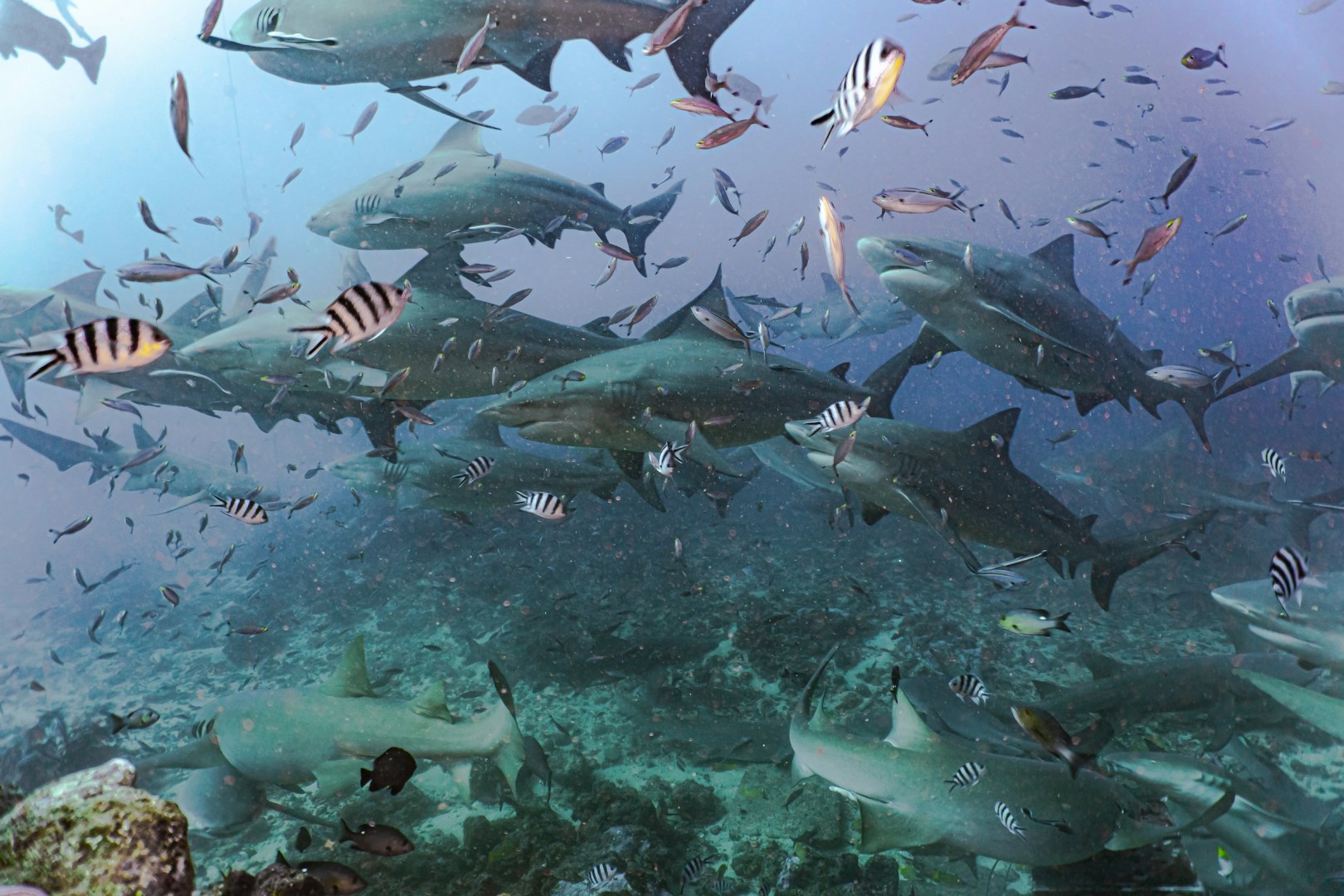
Beqa Island
In the heart of the South Pacific, beneath southern skies, lies the island paradise of Fiji. If you travel to dive, to eat fine food, to bask in the sun, or to simply relax in a tropical paradise the tiny, unspoiled island of Beqa, just might be what you're looking for. One exciting feature of Beqa is its seclusion. Beqa Island has no roads and no towns, only three isolated villages scattered around the perimeter. The island is skirted by stretches of sandy beaches laced, in the evening and ear
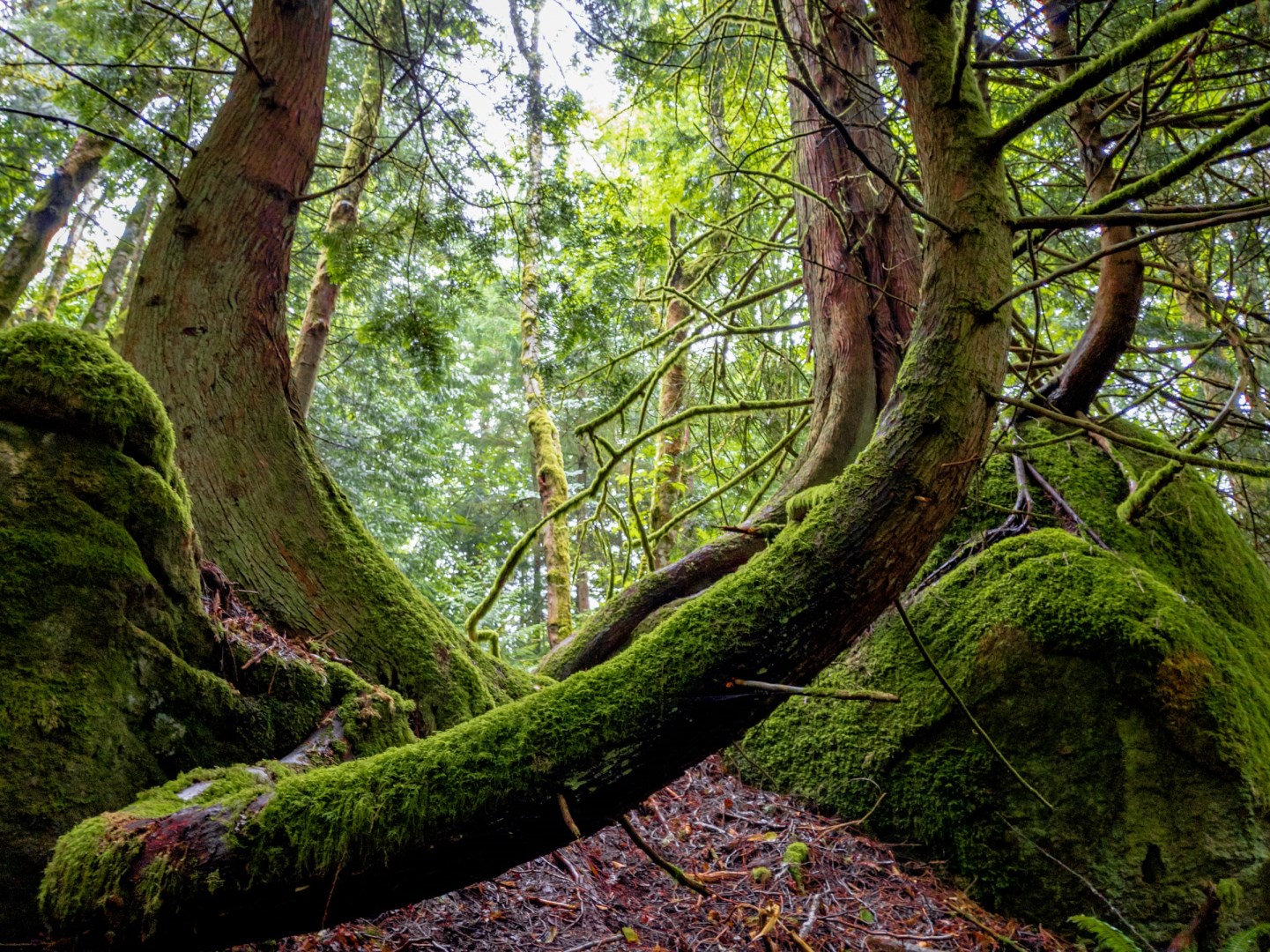
Bellingham
Located in northern Washington State, near the Canadian Border, Bellingham is the southern port for the Alaska Marine Highway System. Area attractions inlcude the San Juan Islands, winter skiing and the popular resort of Semi-Ah-Moo.
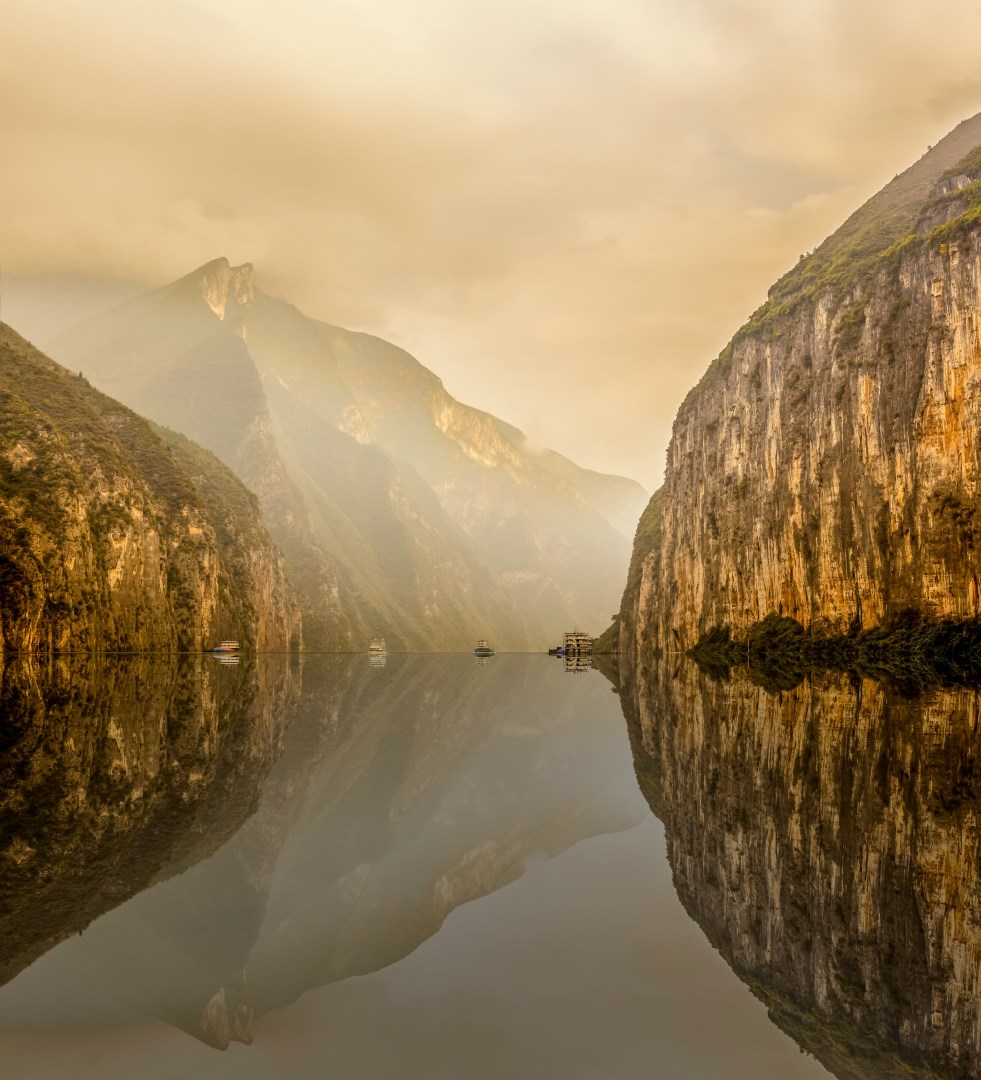
Yangtze River
The Yangtze River, a magnificent artery of China, stretches over 6,300 kilometers (3,917 miles) from the Tibetan Plateau to the East China Sea. As the longest river in Asia and the third longest in the world, it weaves through breathtaking landscapes and vibrant cities, making it a prime destination for travelers seeking both adventure and cultural immersion.
