

Romania
There's a wealth of things to do and see in Romania with an intensive range of activities and places to visit. You can ski at traditional or purpose-built mountain resorts or laze in the hot sun on the Black Sea beaches comparable to those on the Mediterranean.

Ohrid
Ohrid, nestled on the shores of Lake Ohrid in North Macedonia, is a city steeped in history and natural beauty. Often referred to as the "Jerusalem of the Balkans" due to its rich cultural and religious heritage, Ohrid boasts an impressive array of Byzantine-era churches, including the stunning Church of St. John at Kaneo. Perched on a cliff overlooking the lake, this church offers breathtaking views and a glimpse into the city's spiritual past.
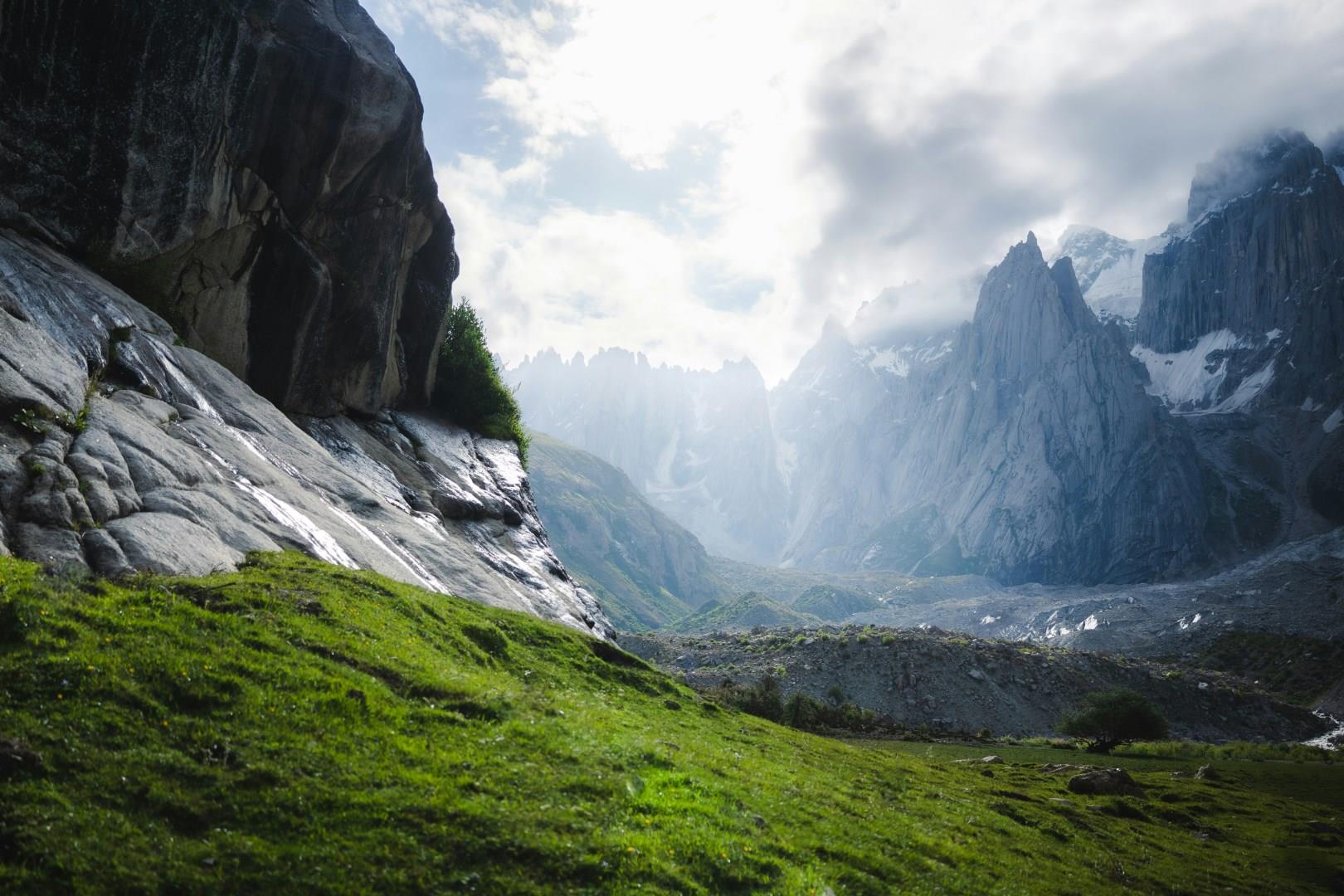
Nangma Valley
Nangma Valley, tucked deep within the Karakoram Range of northern Pakistan, is a place where towering granite spires rise dramatically above alpine meadows and clear streams. Located near the small town of Hushé in Gilgit-Baltistan, the valley is often described as a natural amphitheater of peaks. Climbers and trekkers from around the world are drawn to its vertical walls, but the valley’s quiet trails and sweeping views also offer an extraordinary experience .

Phuket
Phuket, Thailand’s largest island, has long served as a cultural and trade crossroads in the Andaman Sea. Centuries ago, it was a stopover for merchants trading tin, spices, and textiles, with influences from Chinese, Portuguese, Indian, and Malay travelers still reflected in the island’s architecture and cuisine. Inland, the Khao Phra Thaeo Wildlife Sanctuary protects rainforest habitat home to gibbons, civets, and exotic birds.

Inside Passage
This coastal route runs between the Gulf of Alaska and Puget Sound, and is a popular route for cruise ships. Cruise passengers can expect to see a breathtaking amount of wildlife, as well as Ketchikan, Wrangell, Prince of Wales, Sitka, Juneau, Haines, Skagway and Glacier Bay.
