

Santarem
Santarém is a city in central Brazil, located where the Tapajós River meets the Amazon. Its position at this confluence has made it a hub of riverine trade and cultural exchange for centuries, blending Indigenous traditions with Portuguese colonial influence.
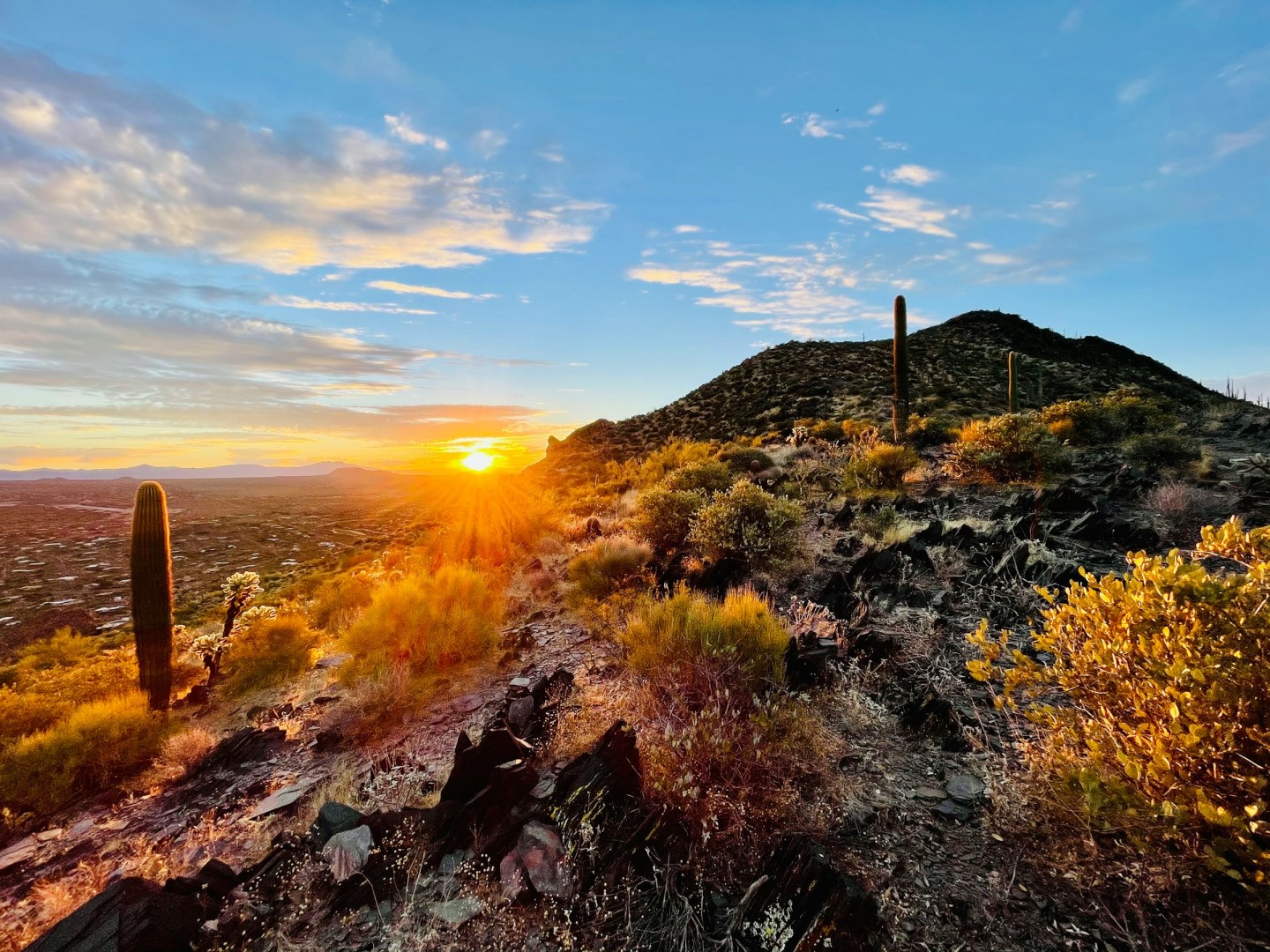
Cave Creek
Cave Creek is a town in Maricopa County, Arizona, located north of Phoenix at the edge of the Sonoran Desert. The community sits among desert hills and washes, with views toward the nearby Black Mountains and the broader Sonoran Desert landscape. Cave Creek retains a western character through its low-density development, equestrian properties, and locally oriented businesses.

Kamloops
Kamloops, located in the interior of British Columbia, sits at the meeting point of the North and South Thompson Rivers. The name comes from the Secwépemc word “Tk’emlúps,” meaning "where the rivers meet," and the area has been a gathering place for Indigenous communities for thousands of years. Today, visitors can explore this rich cultural heritage at the Secwépemc Museum and Heritage Park, where trails lead through archaeological sites and reconstructed pit houses.
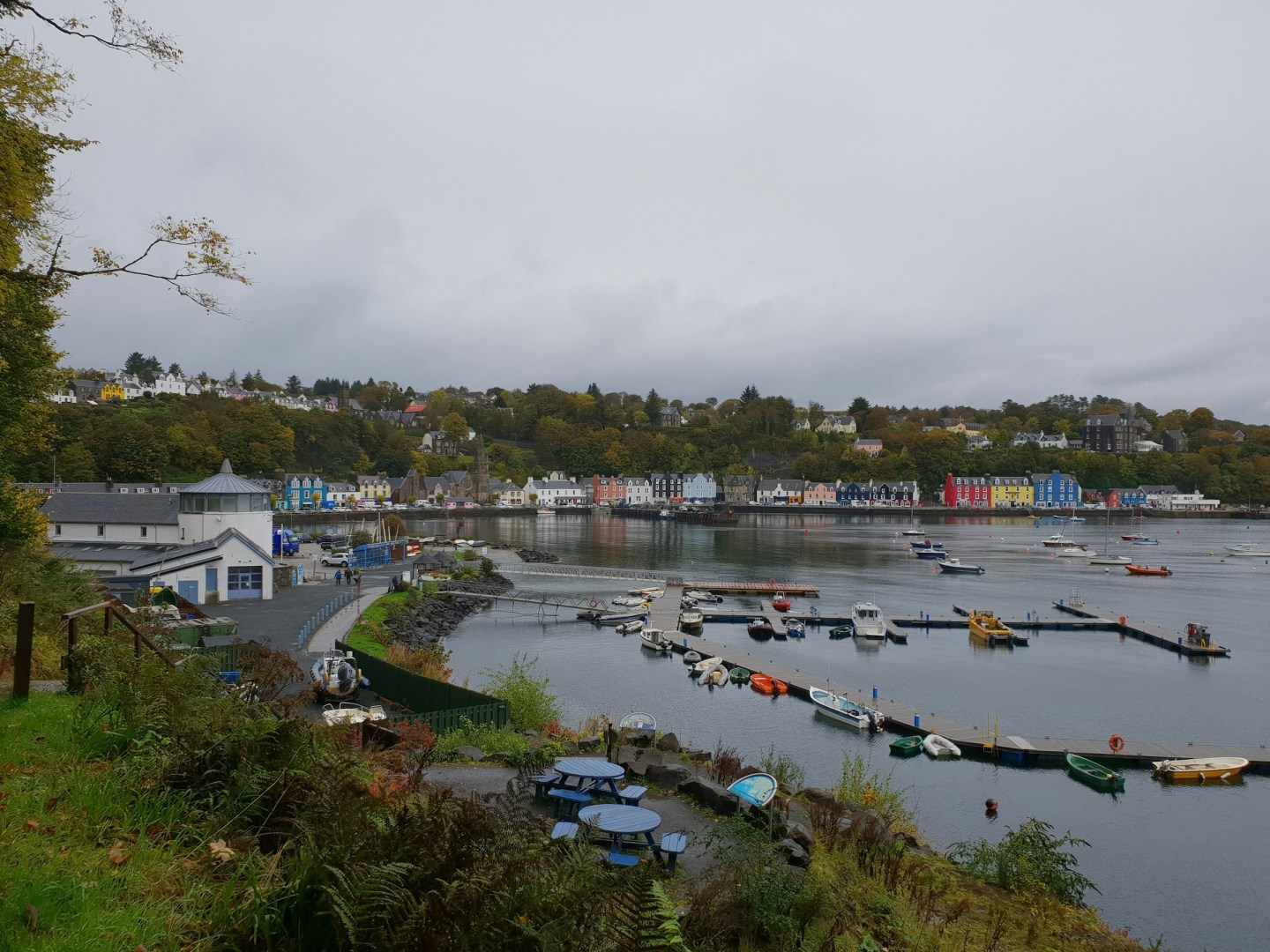
Tobermory
Tobermory is the main settlement on the Isle of Mull in Scotland’s Inner Hebrides, arranged around a sheltered natural harbor on the island’s northeast coast. Its waterfront is lined with brightly painted buildings, many of which house shops, cafés, galleries, restaurants, and guesthouses. The harbor remains active with fishing boats, pleasure craft, and ferries, while the surrounding hills rise behind the town.
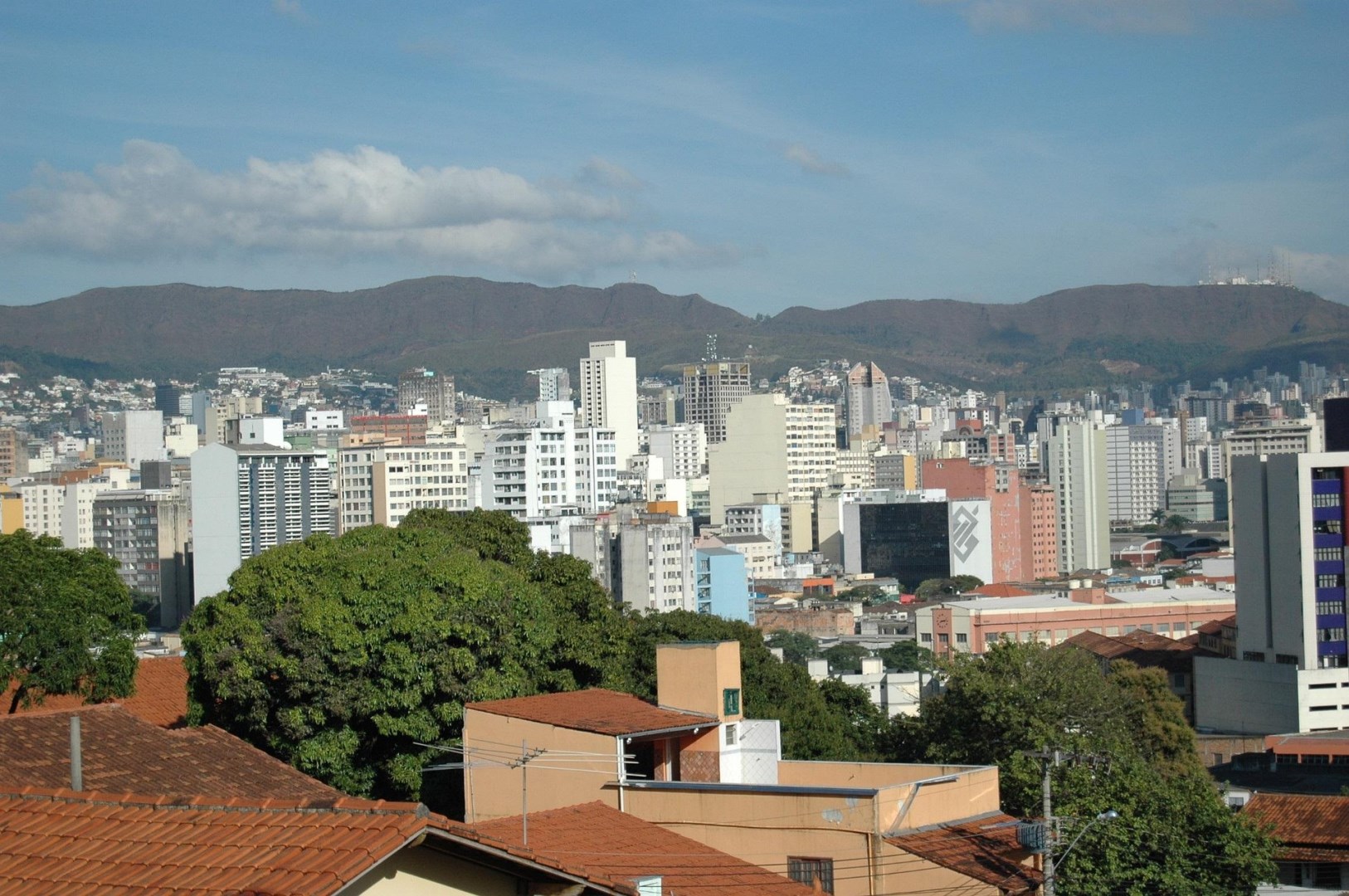
Belo Horizonte
Brazil's third largest city, Belo Horizonte was founded in 1897. Most of Brazil's gems and semi-precious stones are mined in this area and it is where you can find the best bargains, from aquamarines to imperial topaz. It is just 59 miles from Brazil's most historic colonial city, Ouro Preto.
