
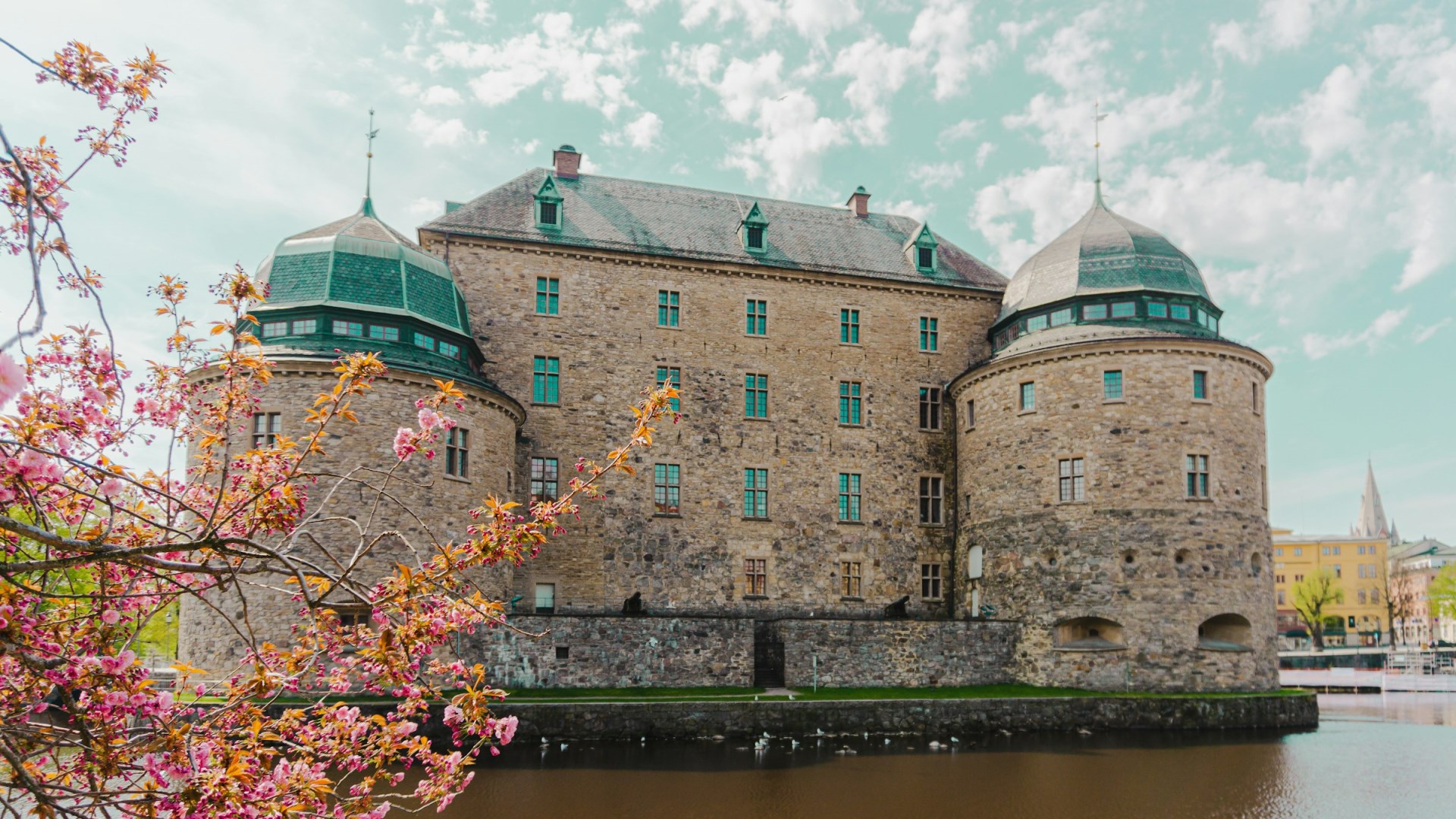
Örebro
Örebro today is the eighth largest city in Sweden, with about 119,000 inhabitants. The city is no longer dominated by any particular industry or trade, and now has a many-facetted economy. Industry is directed towards metal goods, machines, foods and graphic products. The former shoe town has become a prominent center for education.

Crotone
Located along the coast of Southern Italy, Crotone emanates a classic Italian lifestyle that appeals to tourists both foreign and domestic.
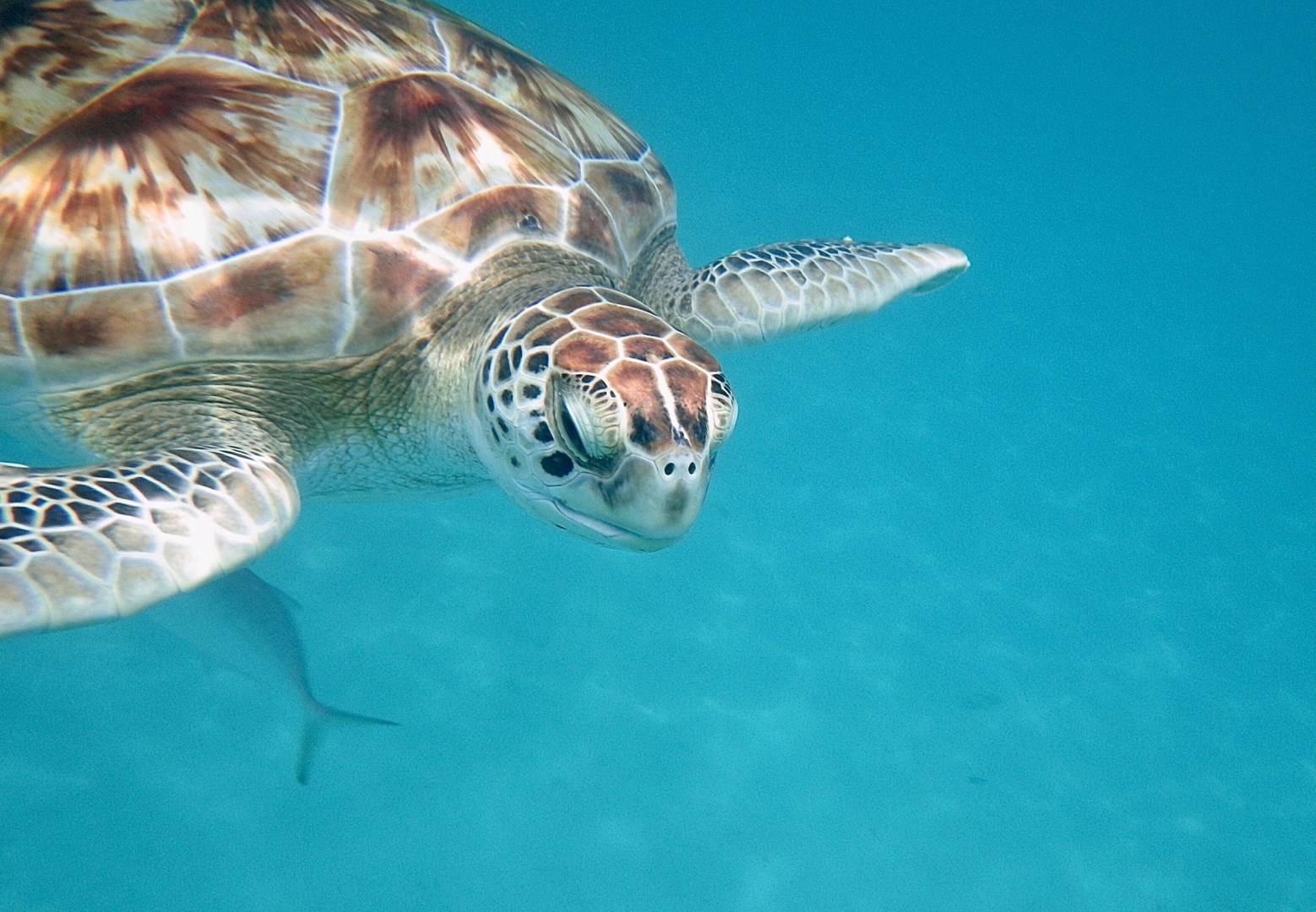
Paynes Bay
Paynes Bay is a coastal area on the west coast of Barbados in the parish of Saint James, between Holetown and Sandy Lane. Its public beach curves along calm Caribbean waters, with pale sand, shallow reef areas, and views across the sea. The bay is part of Barbados’ west coast, where sheltered conditions generally make the water suitable for swimming and snorkeling.
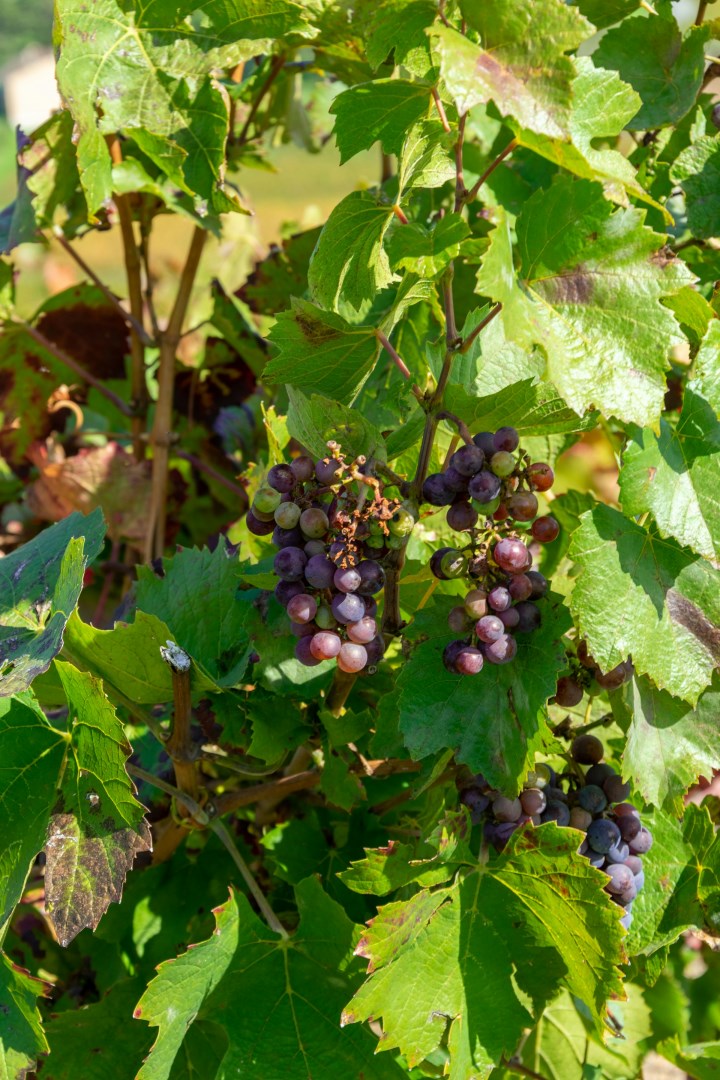
Beaujolais
Located just to the north of Lyon, Beaujolais is mainly known for it's winemaking. Beaujolais is written with an 's' because there are 12 of them. Beaujolais Nouveau is the most famous ambassador of the Beaujolais region. But it is simply one of an entire range. The different Beaujolais wines are produced by more than 4 000 vine-growers.
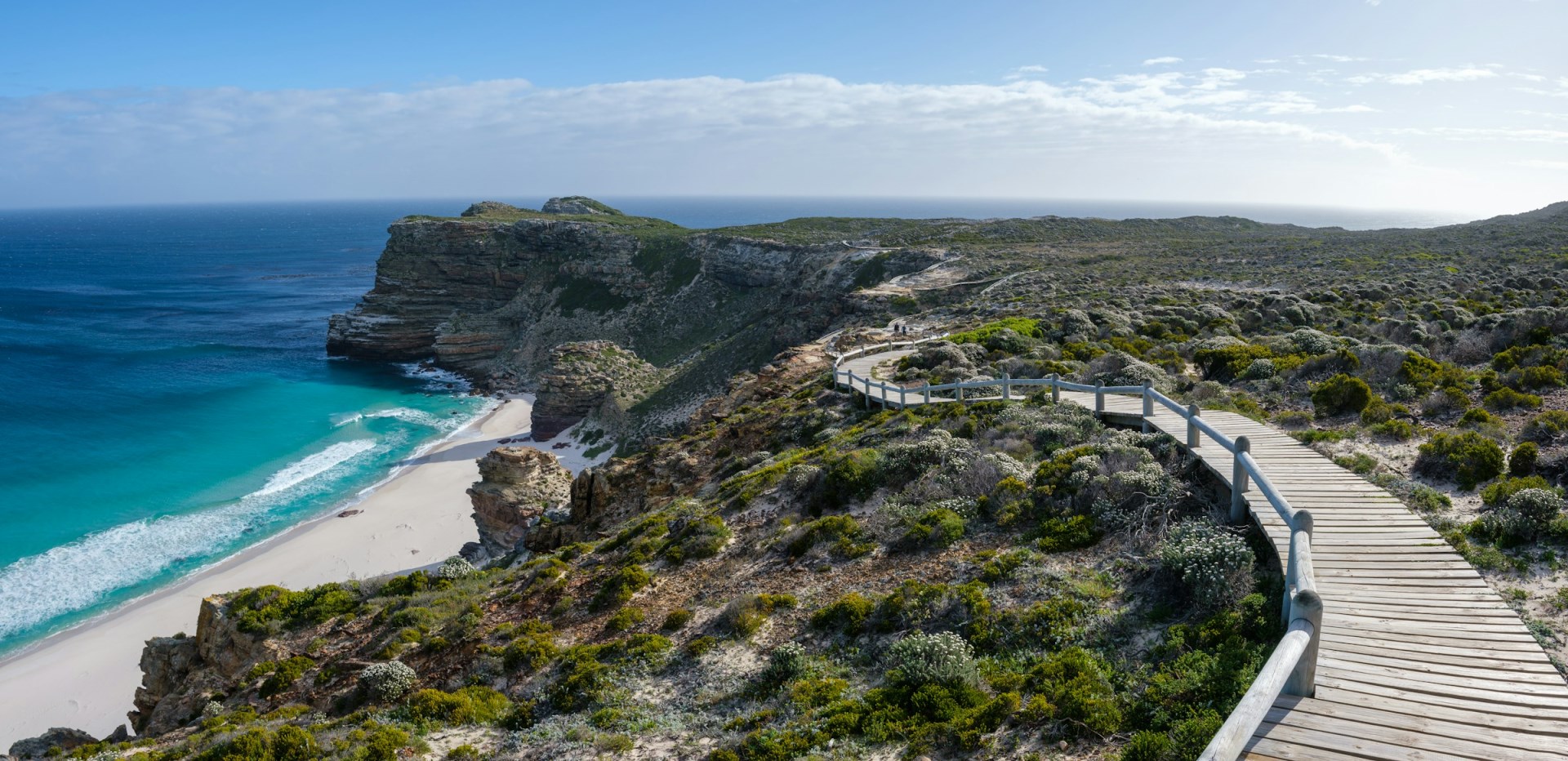
Cape Peninsula
Cape Peninsula is the mountainous, coastal region extending south from Cape Town into the Atlantic Ocean and False Bay. Its landscape combines Table Mountain, rocky headlands, sandy beaches, forests, and open fynbos-covered slopes. Table Mountain National Park runs along much of the peninsula, protecting the mountain chain and coastline from Signal Hill to Cape Point.
