
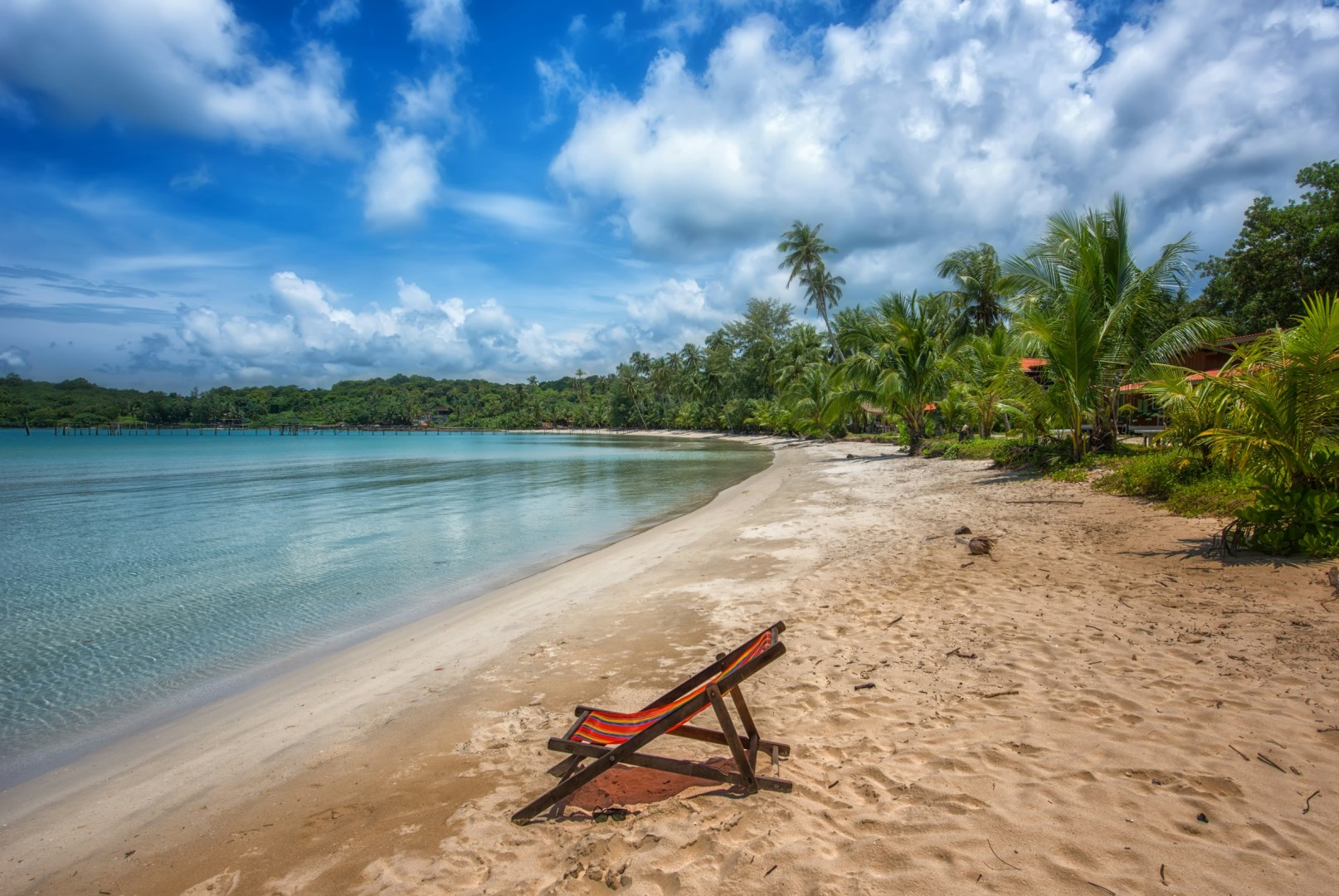
Ko Kood
Koh Kood, also spelled Koh Kut, is an island in Trat Province near Thailand’s eastern maritime border with Cambodia. It is the fourth-largest island in Thailand and the southernmost major island in the Koh Chang group. Much of its landscape consists of forested hills, coconut and fruit plantations, streams, and sandy beaches along the Gulf of Thailand.

Trinidad & Tobago
Trinidad and Tobago is a nation of contrasts, where vibrant cultural traditions meet diverse natural landscapes. Together, the two islands balance energy and relaxation, heritage and nature.
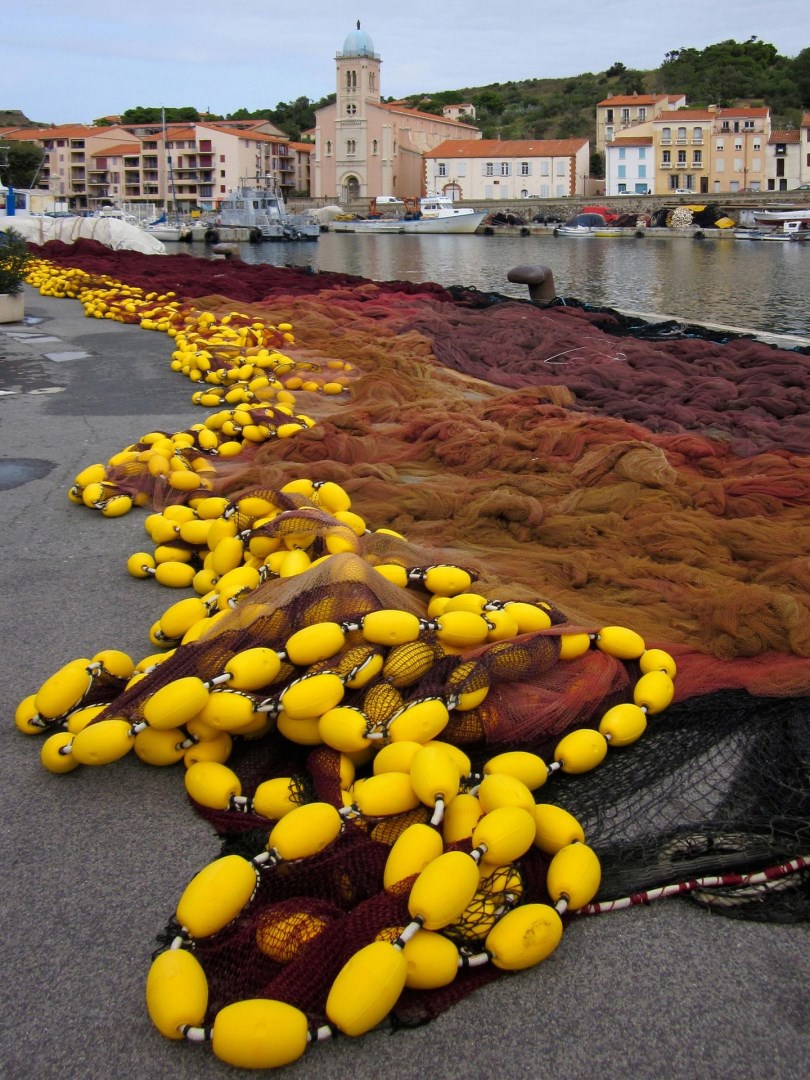
Port Vendres
Port Vendres is an old natural harbour that welcomes trade vessels, fishing and yachting boats. It has 3 basins: the outer harbour, the Old Port and the new Darse.
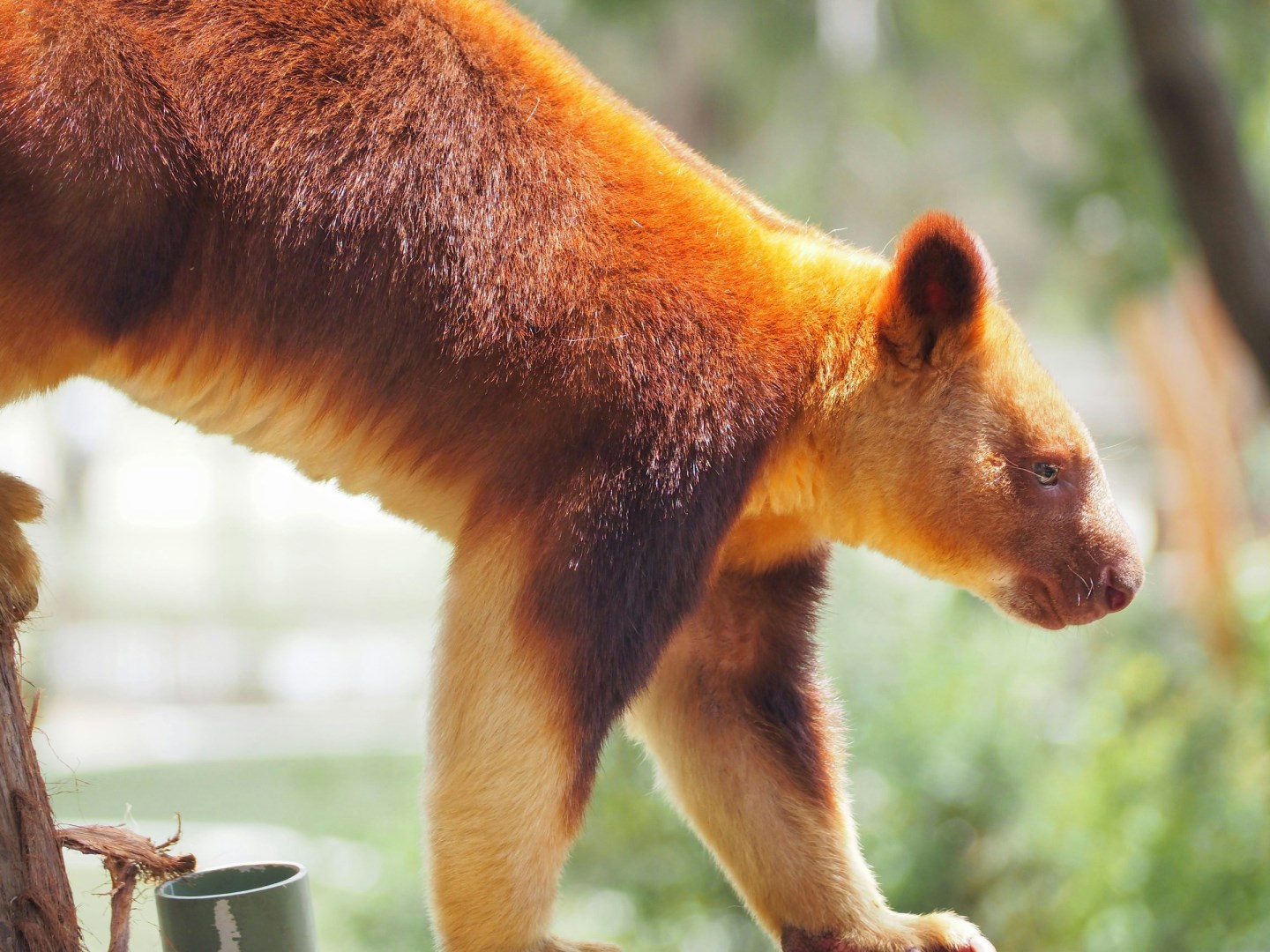
Ballarat
Ballarat is a regional city in central Victoria, known for its goldfields heritage, grand streetscapes, gardens, and strong arts scene. Located about 90 minutes from Melbourne by road or rail, it combines a historic city centre with lakes, parks, and surrounding rural landscapes. Sturt Street forms the main civic spine, lined with substantial nineteenth-century buildings, shops, cafés, and public spaces.

Cappadocia
The ancient region of Cappadocia lies in Central Anatolia, between the cities of Nevsehir, Kayseri and Nigde. Here, the traveler finds one of the most fantastic landscapes in the world. Wind and weather have eroded the soft volcanic rock with hundreds of strangely shaped pillars, cones and "fairy chimneys", often very tall, and in every shade from pink through yellow to russet browns.
