
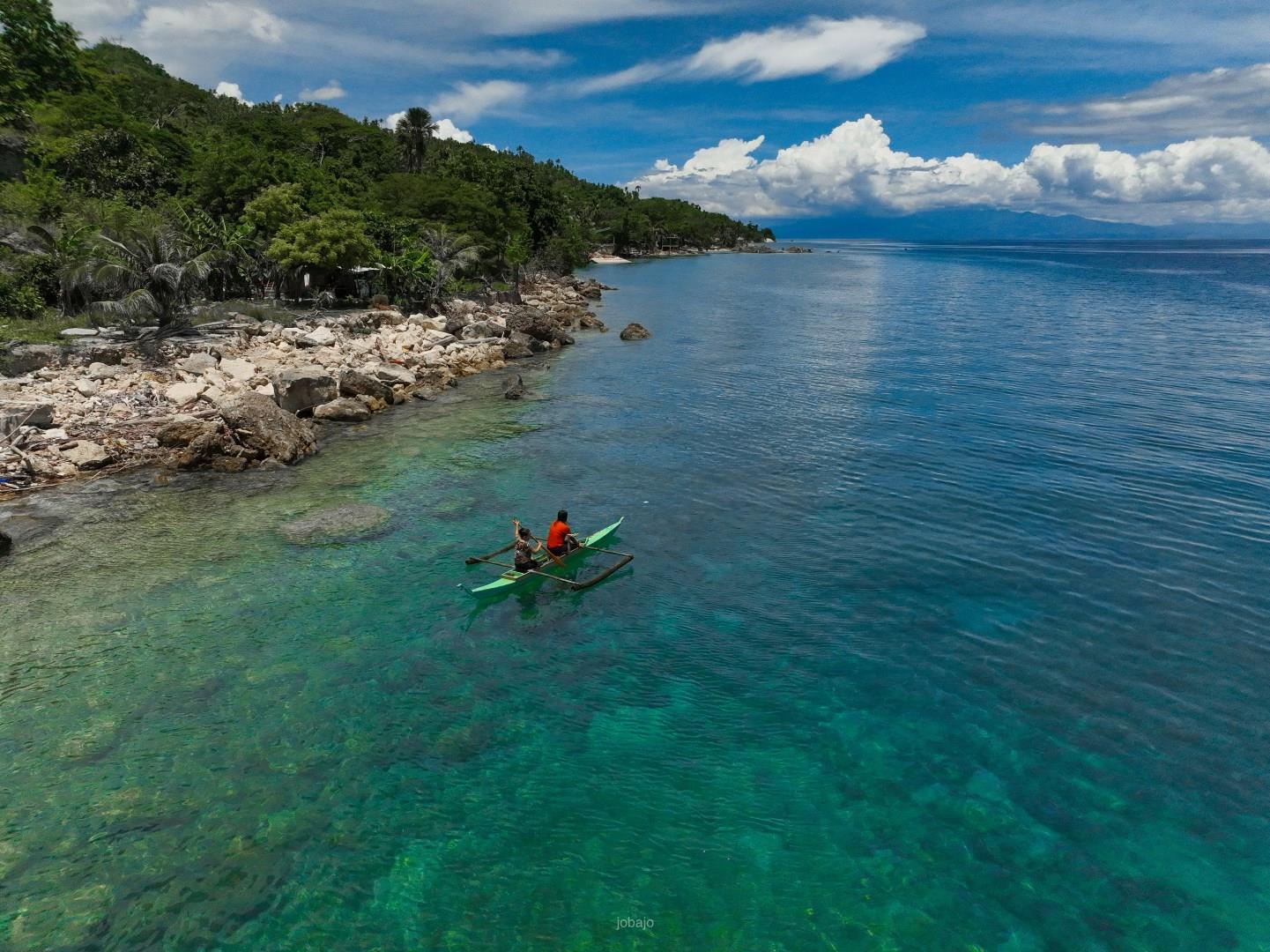
Cebu
Cebu sits at the center of the central Philippines, shaped by seafaring trade and early colonial contact. It was here that Spanish rule first took hold in the 16th century, leaving a legacy visible in churches, street patterns, and long-standing ties to Catholic tradition.
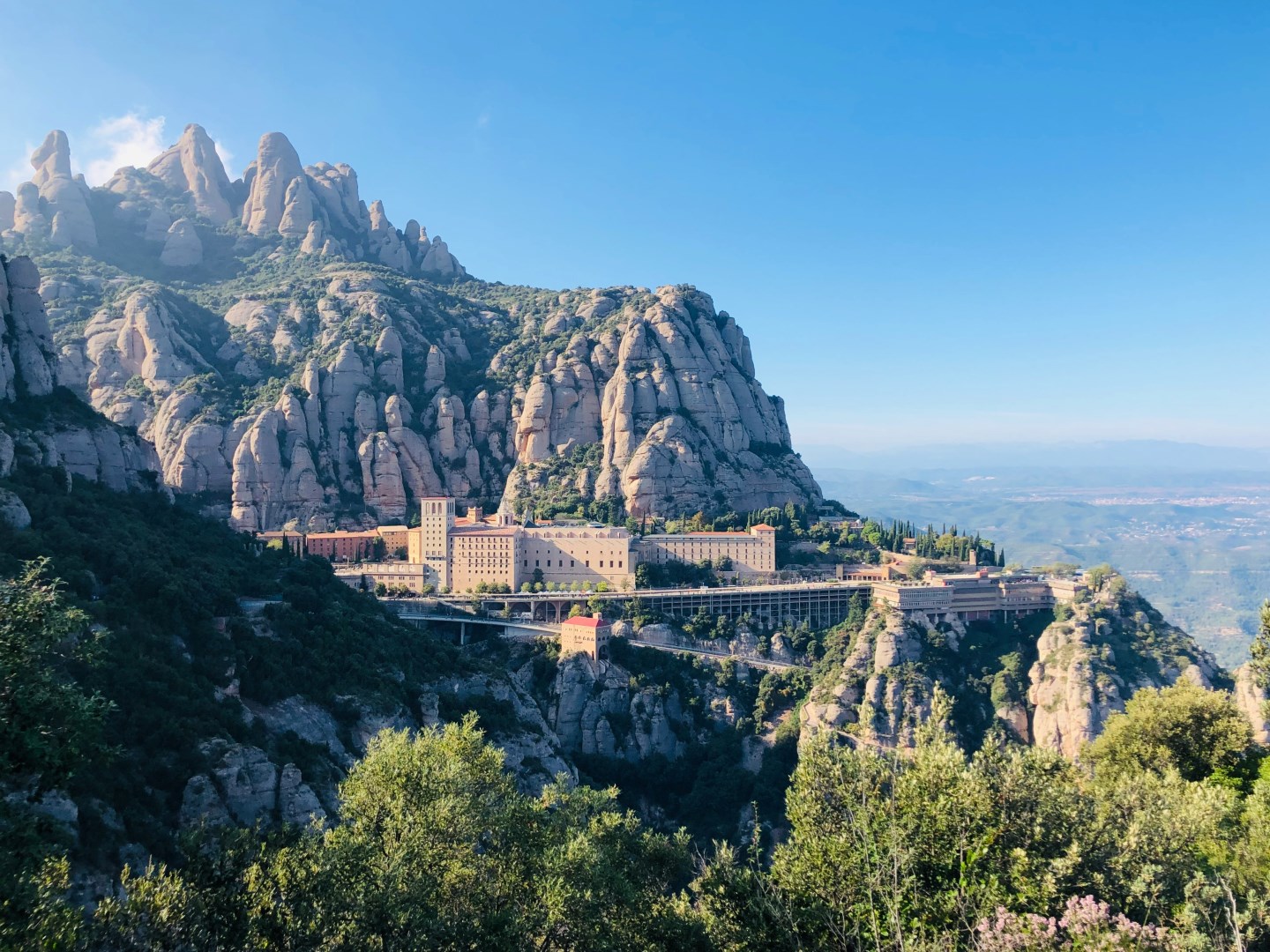
Montserrat
Montserrat Mountain rises sharply from the plains of Catalonia, its jagged rock shapes visible from far away. The mountain is known for its unusual rounded peaks and narrow ridges, formed into striking forms that look almost carved by hand. Trails and cable cars lead visitors upward from nearby villages such as Monistrol de Montserrat, where the climb quickly reveals wide views across the region, stretching toward Barcelona on clear days.
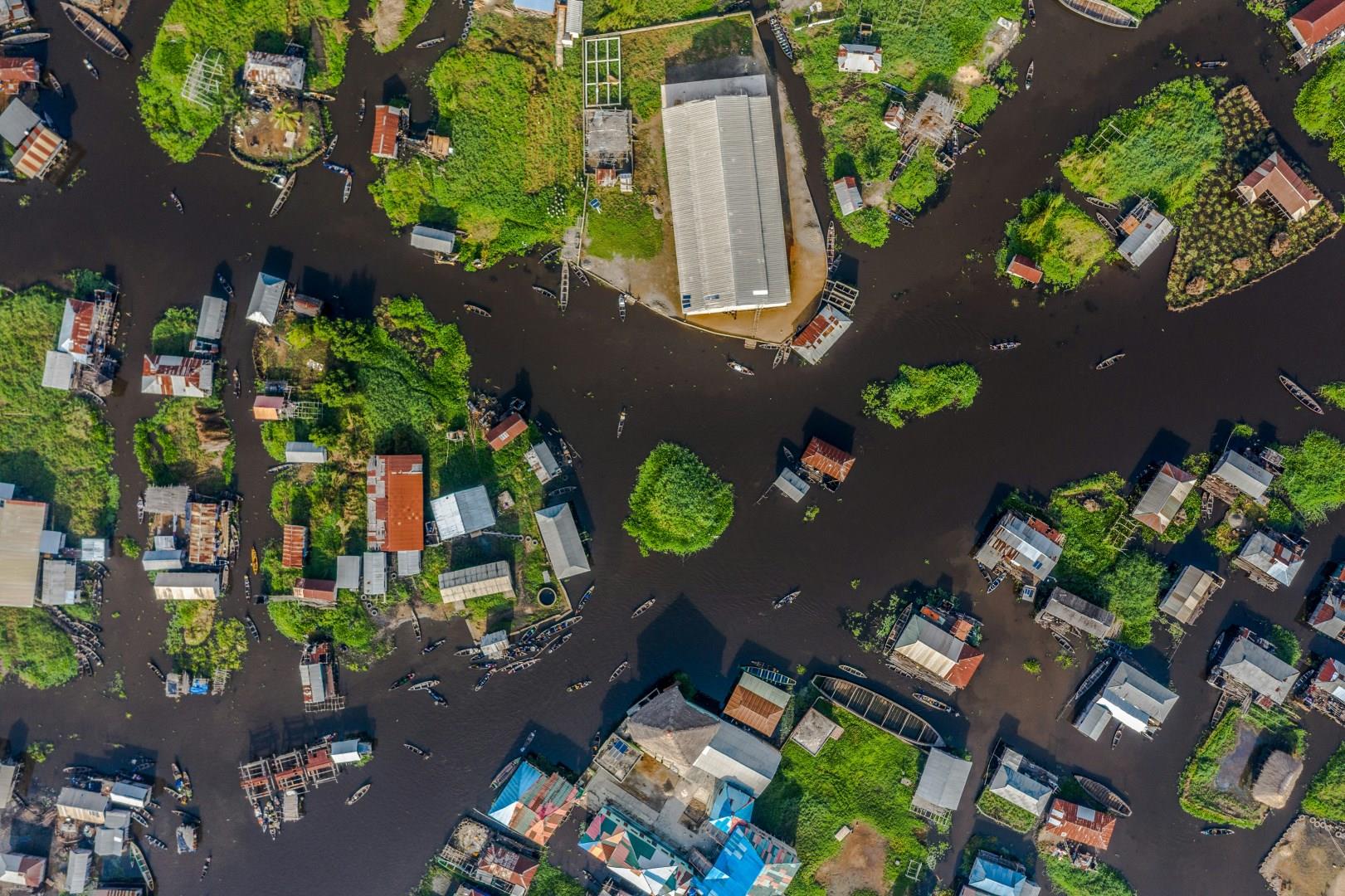
Ganvie
Ganvie, often called the "Venice of Africa," is a lake village located in the heart of Lake Nokoué in southern Benin. What makes Ganvie extraordinary is that the entire village sits on stilts above the water, with wooden homes, floating markets, and schools accessible only by boat. Visitors can glide through narrow canals in pirogues, experiencing firsthand a way of life shaped entirely by water.
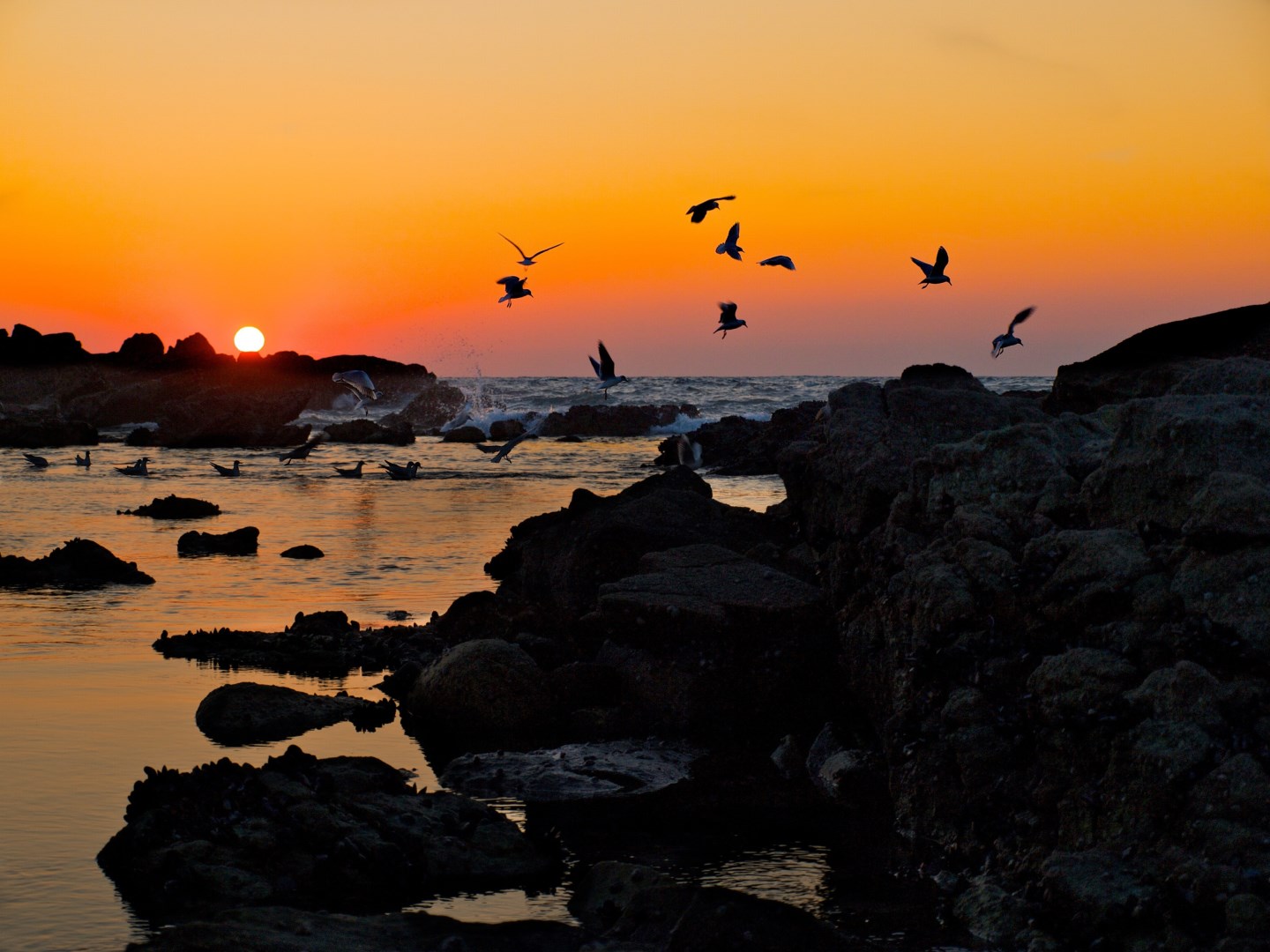
Baiona
Baiona is a coastal town in Galicia, Spain, located along the Atlantic Ocean in the province of Pontevedra. It sits at the entrance of the Ría de Vigo, with a historic harbor that has long connected it to maritime activity. The town is known for its seafront setting, where fishing traditions and tourism exist side by side.
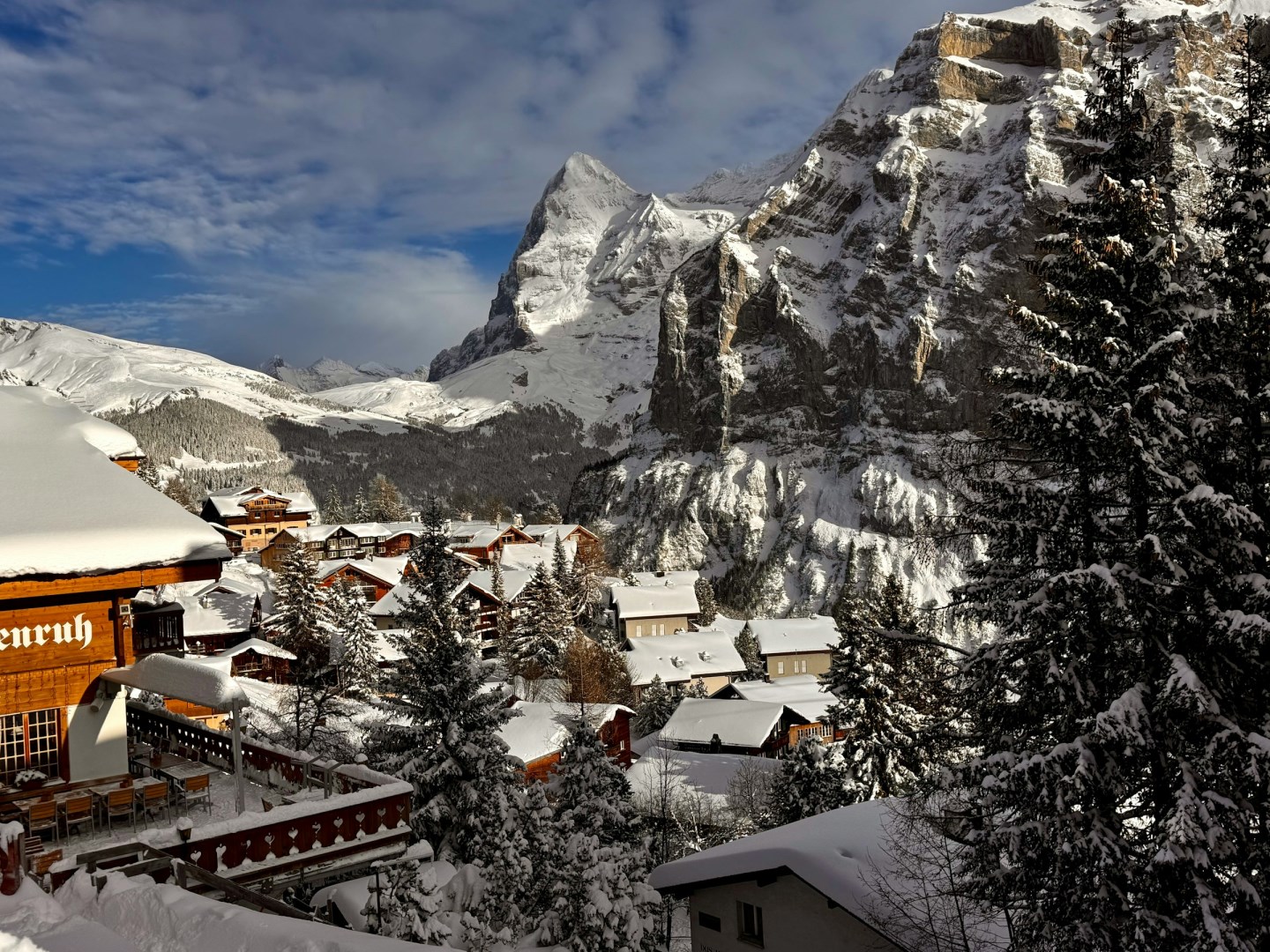
Mürren
The car-less village of Murren is surrounded by the mountain peaks of Eiger, Monch and Jungfrau, all soaring over 13,000 feet.
