
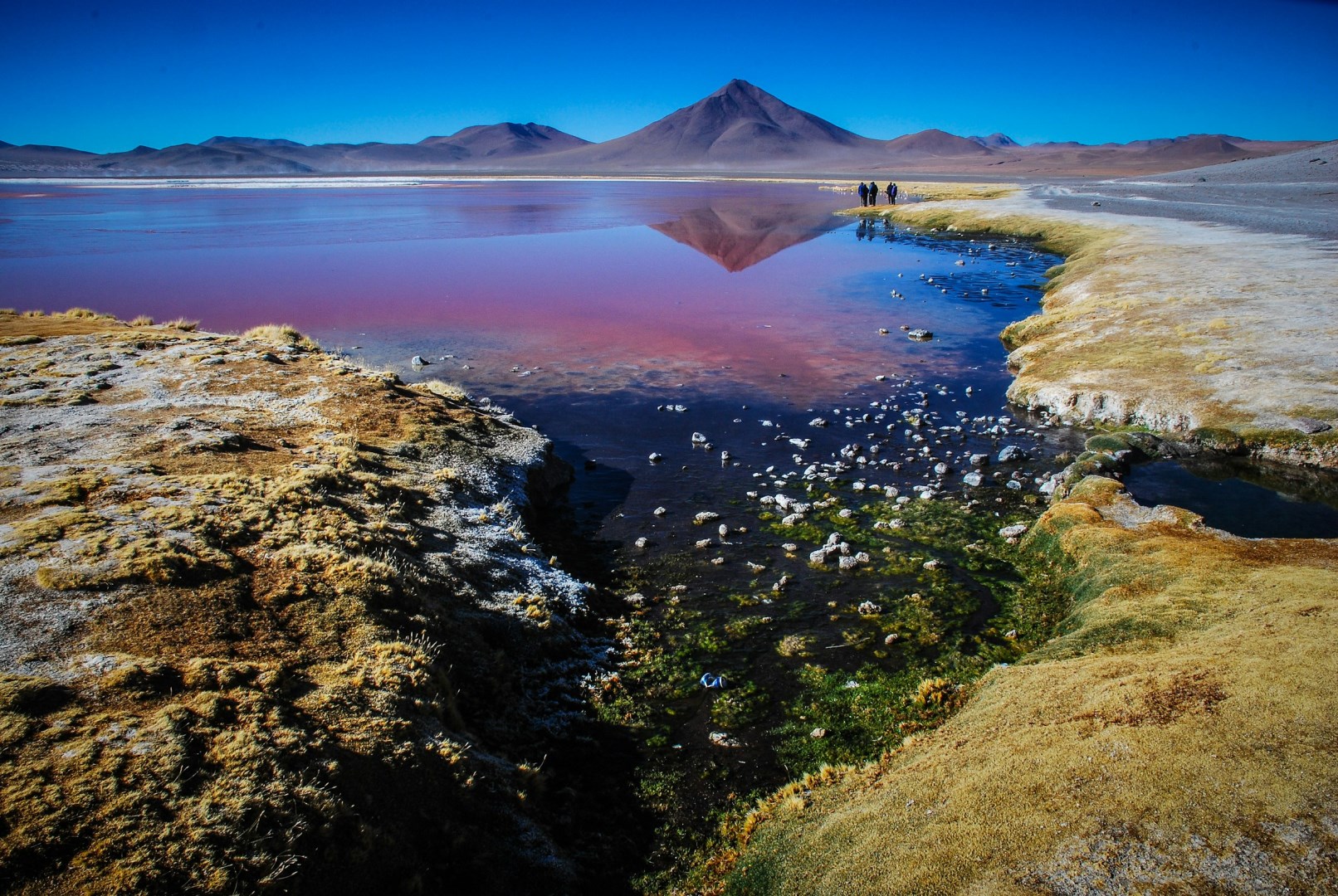
Altiplano
The Bolivian Altiplano is a vast high plateau in the Andes, stretching across much of western Bolivia between the country’s major mountain ranges. Its high elevation creates a cool, dry environment with broad open plains, rugged peaks, volcanoes, and sparse grasslands. La Paz and El Alto occupy the northern part of the plateau, while Oruro, Uyuni, and Potosí are among its other important settlements.

Huế
Its legacy as the former imperial capital of Vietnam is just one of many reasons to visit Hue. For more than a century, the emperors of the Nguyen dynasty (1802-1945) ruled from the Forbidden Purple City, the innermost enclosure of the citadel. Today, this complex is designated as a UNESCO World Heritage site and draws millions of visitors each year.
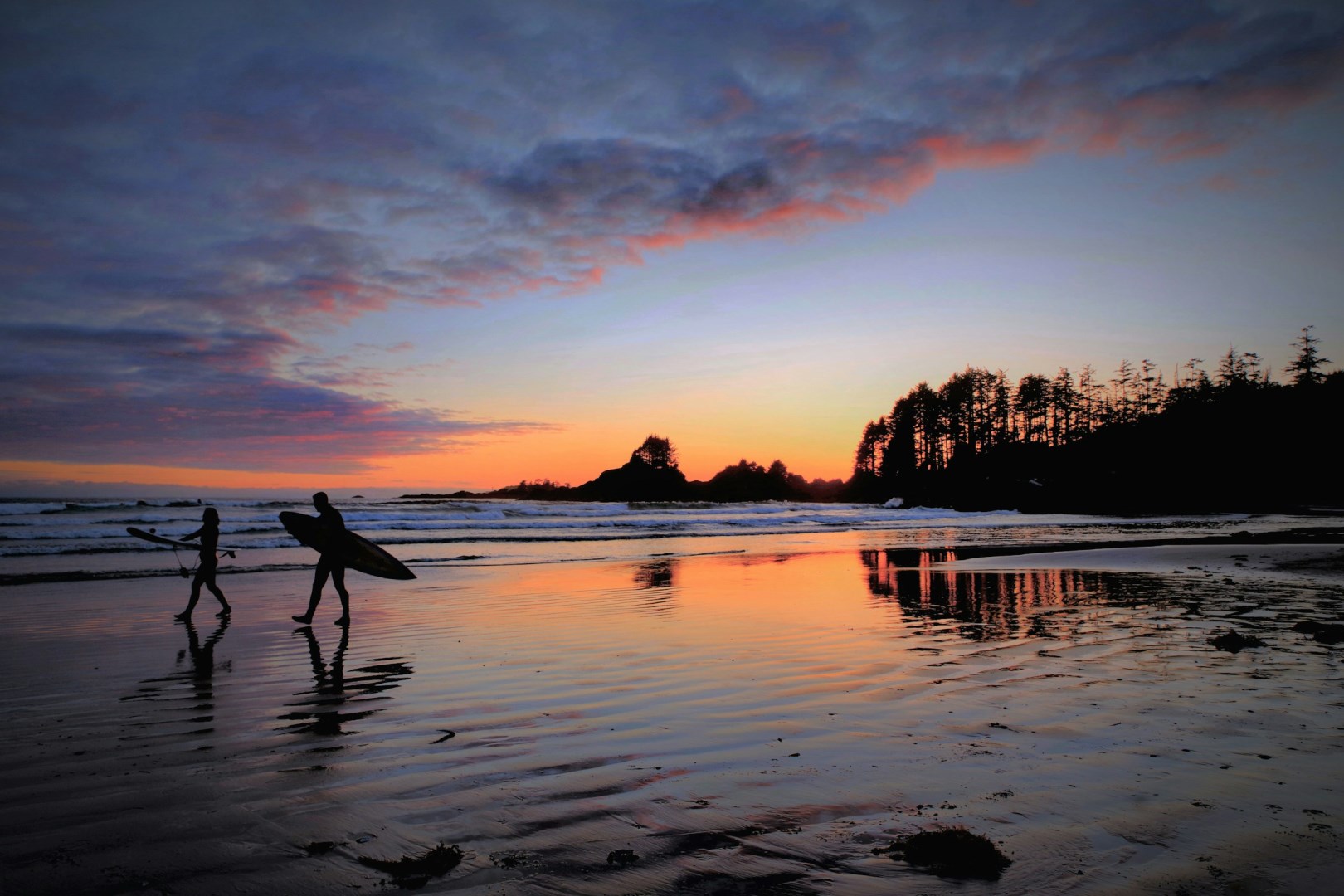
Tofino
Tofino is a small coastal community on the western edge of Vancouver Island, surrounded by Pacific Ocean waters, forested mountains, islands, and temperate rainforest. It sits within the traditional territory of the Tla-o-qui-aht First Nation and the Clayoquot Sound UNESCO Biosphere Region. Once known primarily for fishing and logging, Tofino has developed into a community closely associated with surfing, marine activities, outdoor recreation, and environmental stewardship.
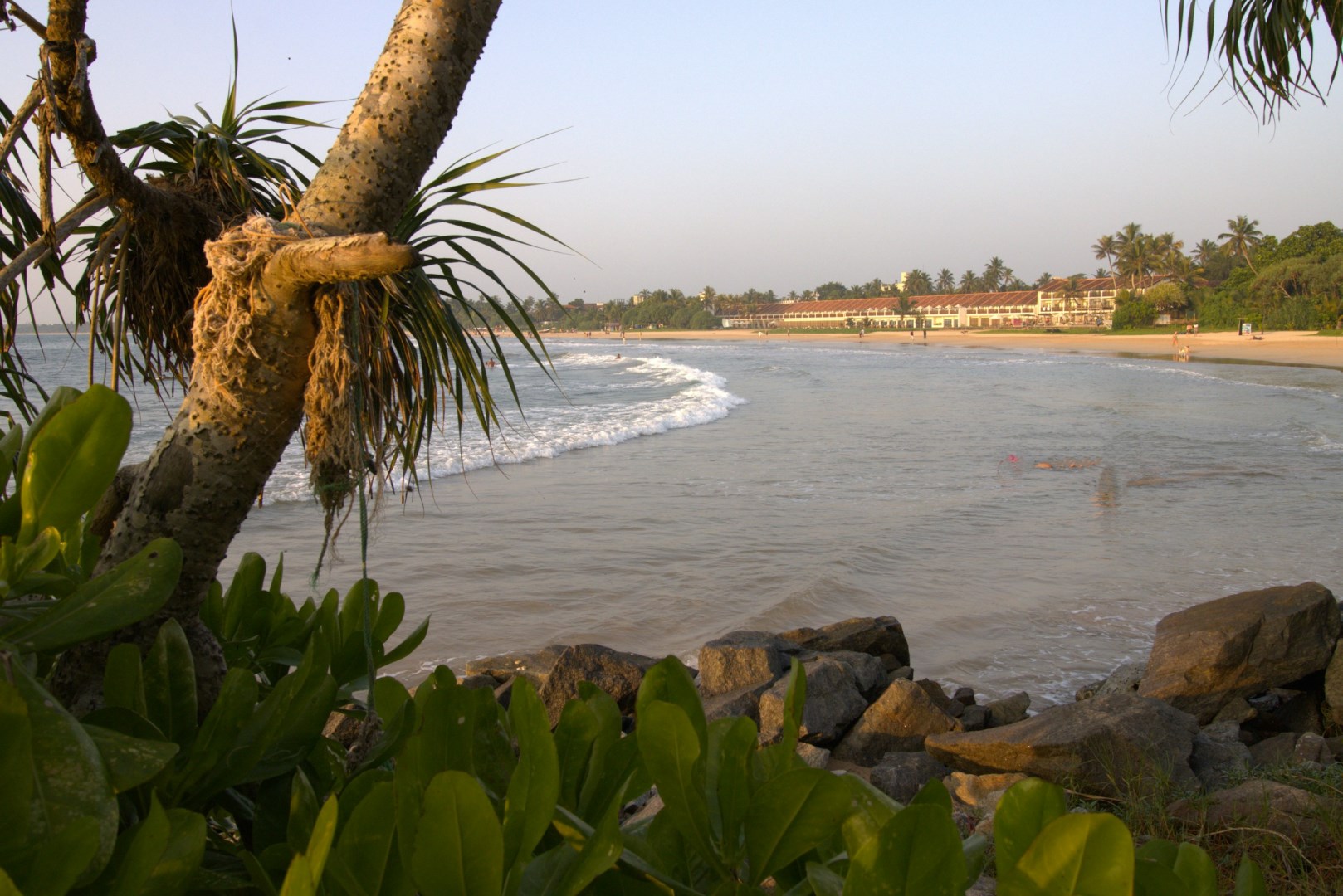
Bentota
Bentota is a coastal town in Sri Lanka’s Southern Province, positioned where the Bentara River meets the Indian Ocean. Its landscape is shaped by a broad sandy beach, the river’s waterways, and tropical vegetation, creating a setting where inland and coastal environments meet. Bentota is particularly associated with water-based recreation, including swimming, river excursions, fishing, windsurfing, waterskiing, snorkeling, and diving. The town is also known for Ayurveda, with wellness treatments
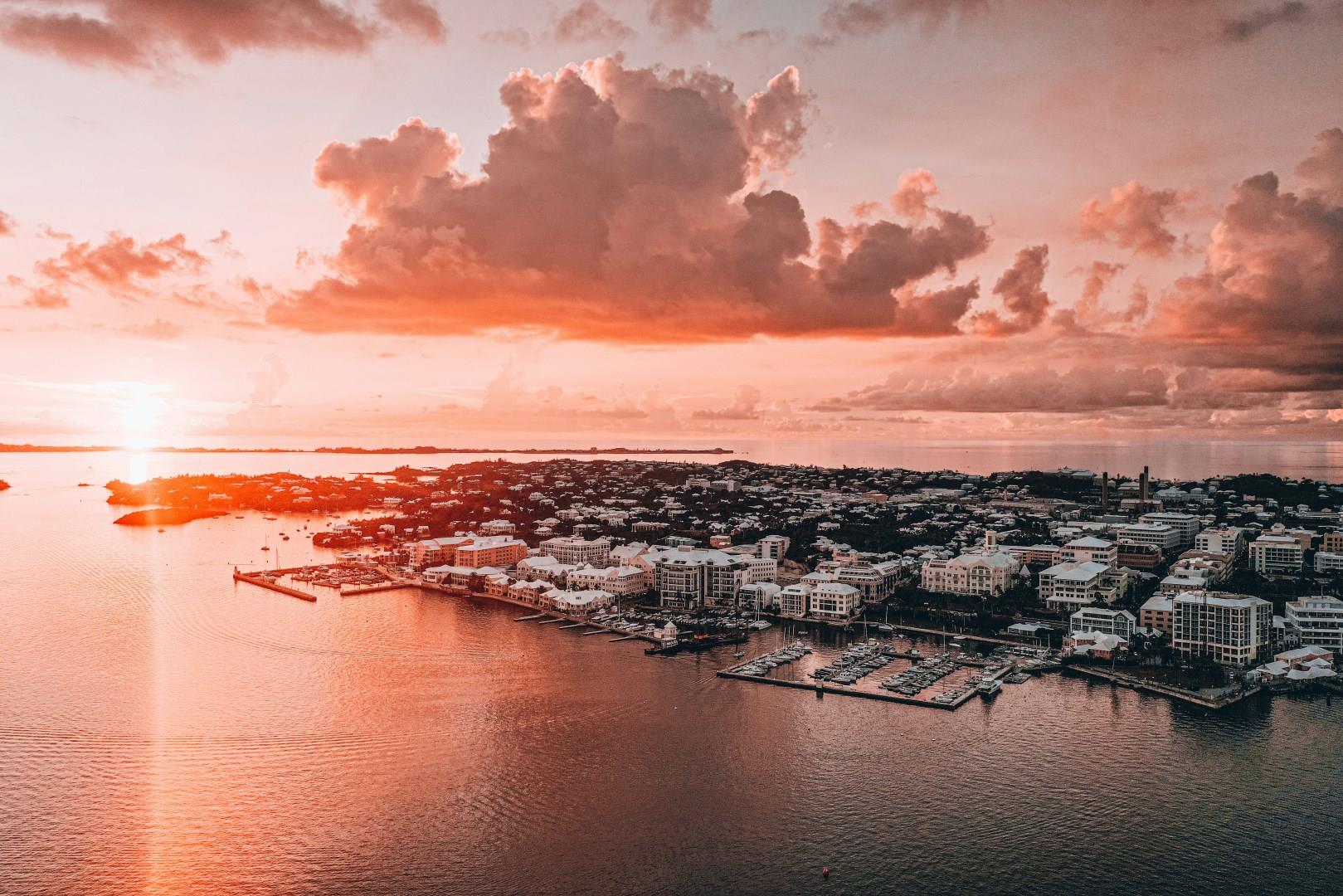
Hamilton
Hamilton, the capital of Bermuda, is the island’s lively cultural and commercial heart. Established in 1793, the city blends colonial charm with a modern island vibe, framed by pastel buildings and a picturesque harbor.
