
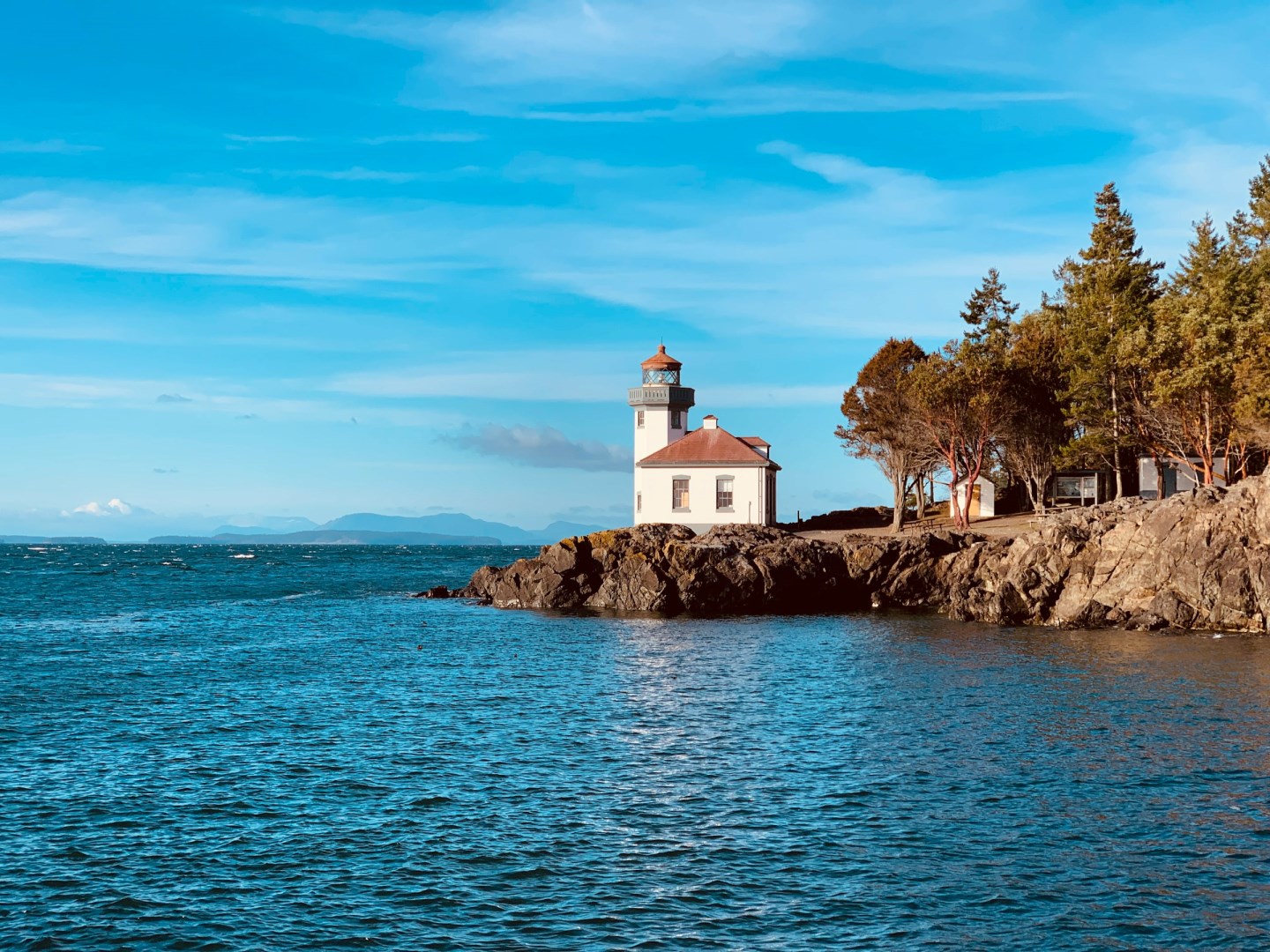
Friday Harbor
Friday Harbor is the principal community and county seat of San Juan County, located on San Juan Island in northwestern Washington. The town overlooks a sheltered harbor and serves as a central gateway to the surrounding San Juan Islands. Its waterfront is lined with marinas, small businesses, restaurants, galleries, and ferry facilities, while residential streets and wooded areas extend beyond the compact downtown.
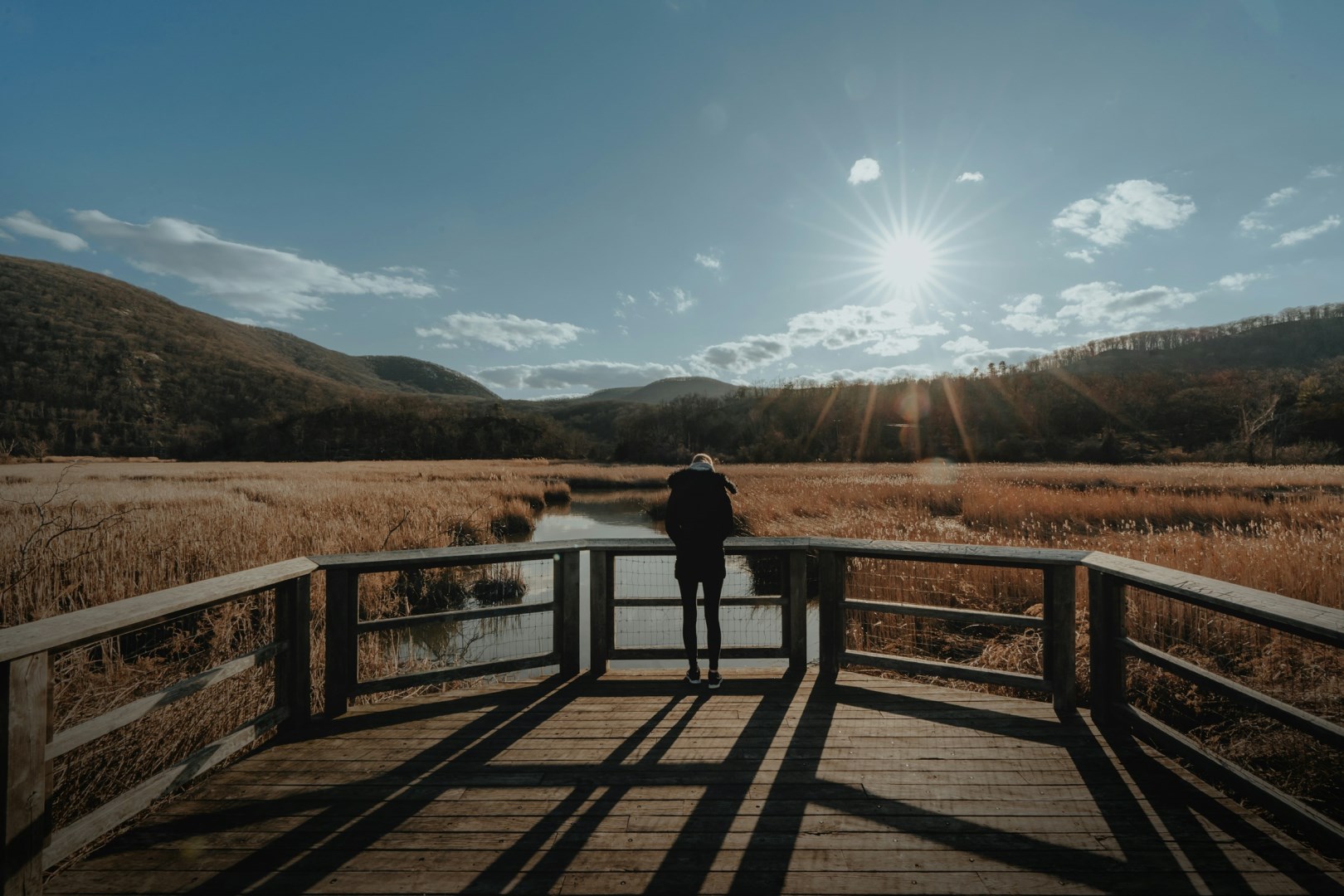
Bear Mountain State Park
Bear Mountain State Park occupies a rugged section of the Hudson Highlands on the western bank of the Hudson River, about 45 miles north of New York City. The park covers roughly 5,000 acres of forests, mountain slopes, lakes, and riverfront, making it one of the best-known public recreation areas in the Hudson Valley. Its landscape supports hiking, biking, fishing, boating, swimming, picnicking, and winter activities.
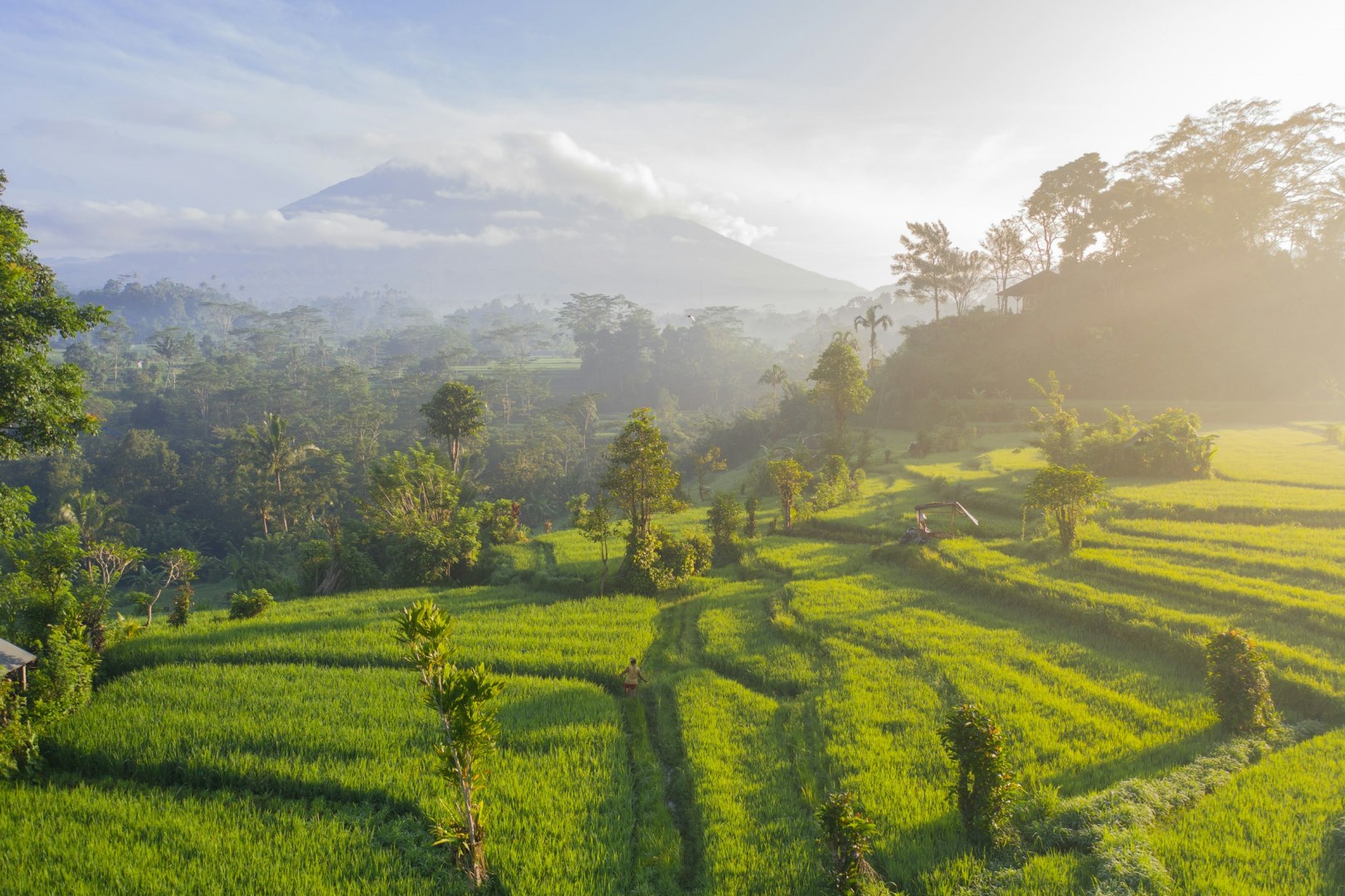
Sidemen
Sidemen is a rural valley in eastern Bali, surrounded by rice fields, wooded hills, small villages, and views toward Mount Agung. Located in Karangasem Regency, the area is known for its agricultural landscape and traditional village setting rather than a large urban center. Narrow roads and walking paths pass through cultivated fields, irrigation channels, gardens, and settlements, providing a close view of everyday life in Bali's countryside.
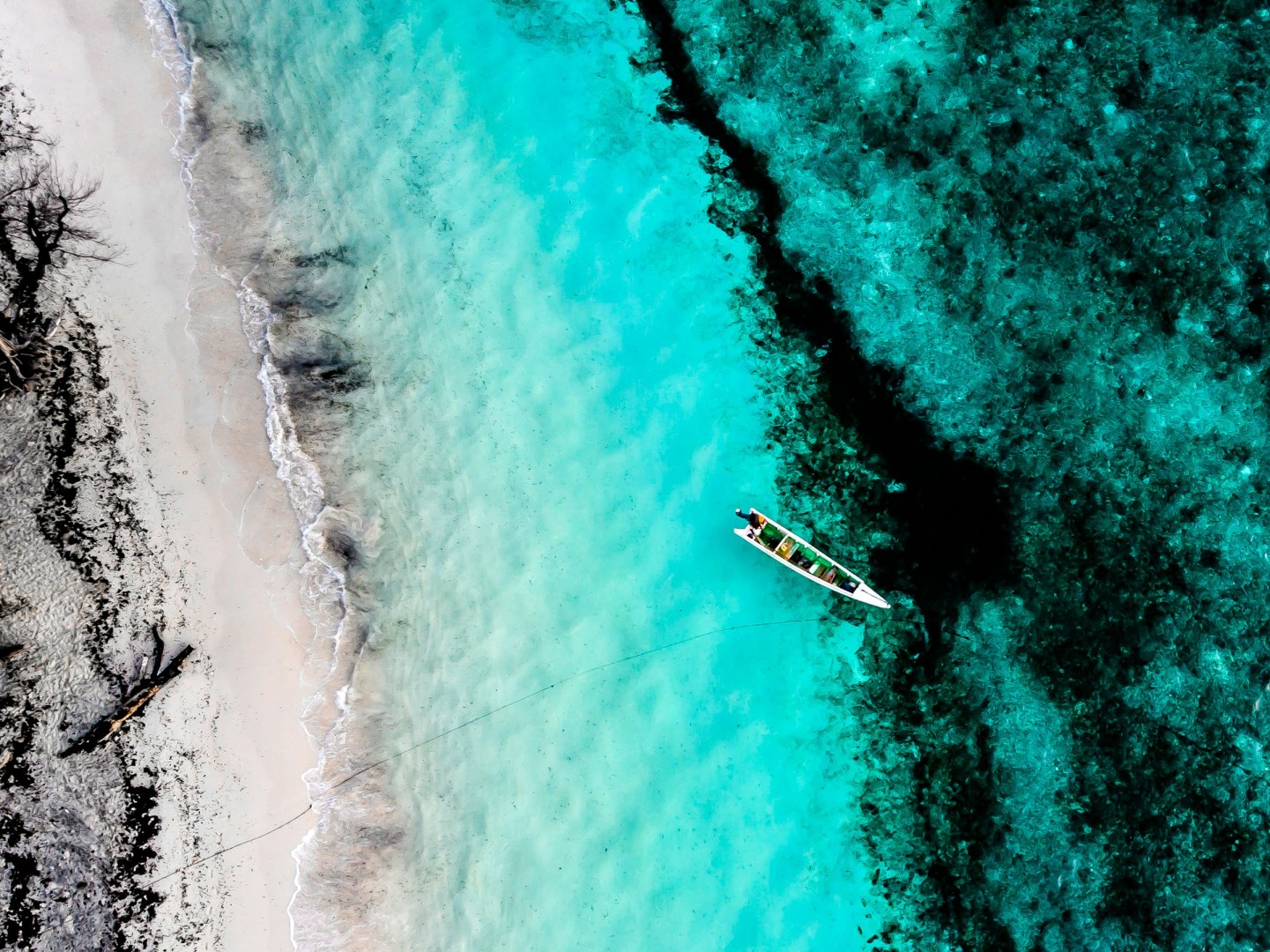
Atauro Island
Atauro Island is a mountainous island north of Dili in Timor-Leste, separated from the mainland by the Ombai Strait. Its landscape includes dry hills, forested slopes, grassy areas, rocky cliffs, and small coastal villages. The island is surrounded by exceptionally diverse coral reefs and clear tropical waters, making its marine environment one of its defining features.
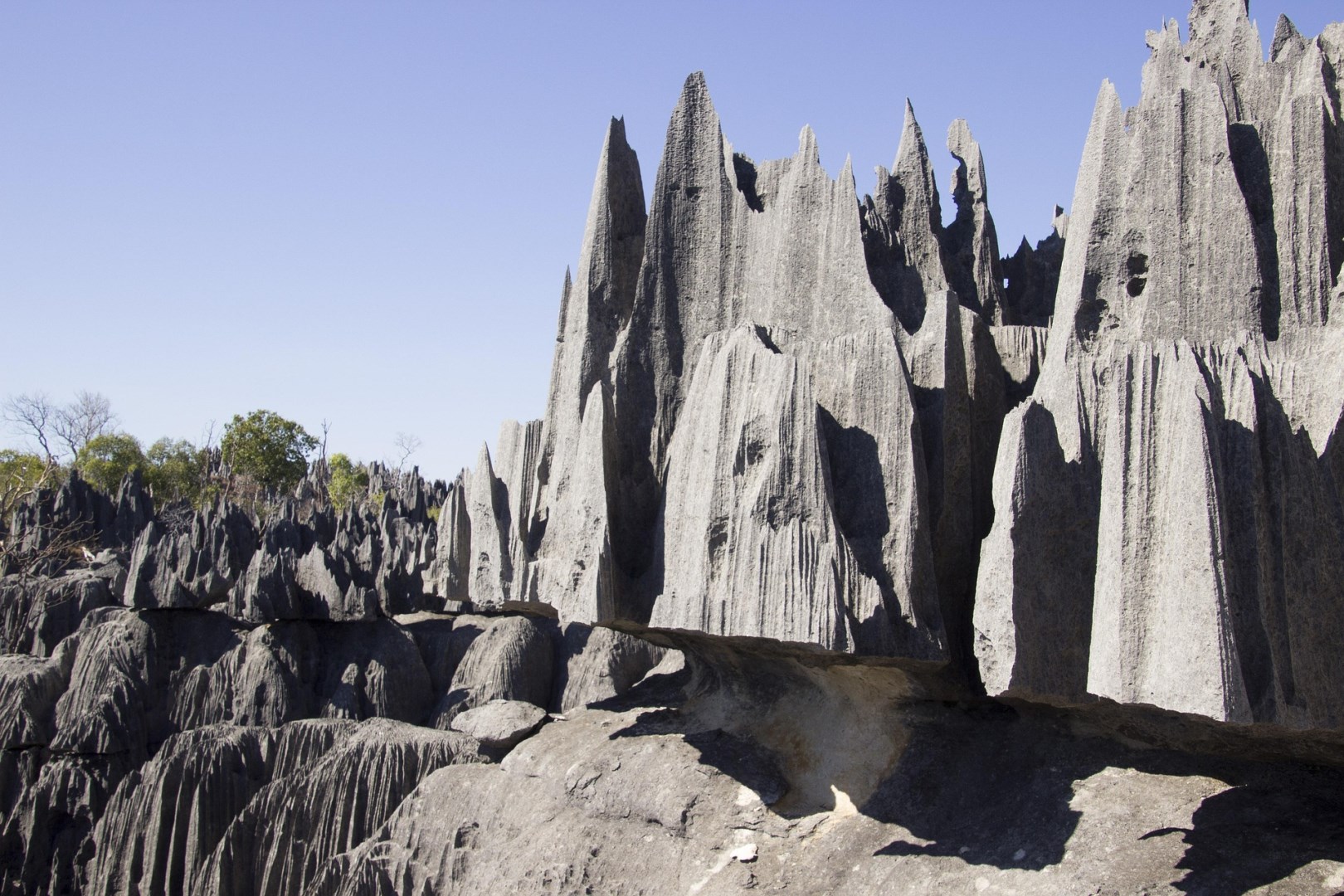
Tsingy de Namoroka National Park
One visit to Tsingy de Bemaraha National Park in Madagascar and you may find yourself feeling like you have stepped onto another planet. The mineral forest was formed nearly 200 million years ago and has become a popular destination for adventurous hikers from around the world. The hanging bridge, while not for the faint of heart, is one of the most photographed spots within the park.
