
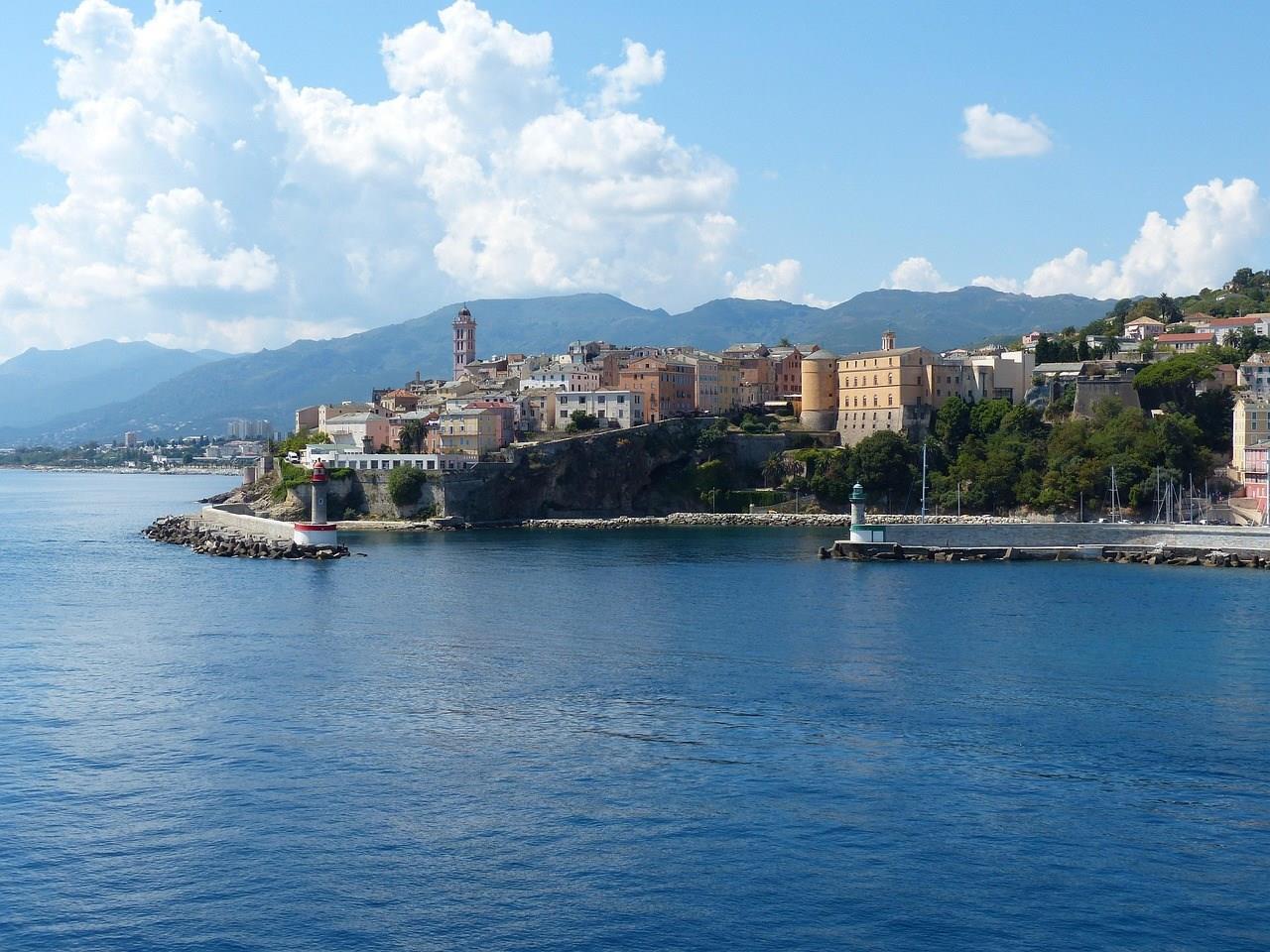
Bastia Corsica
Bastia, located on the northeastern coast of Corsica, is a city where coastal scenery and centuries of history meet at every turn. Overlooking the Tyrrhenian Sea, it serves as the island’s main port and a lively gateway for travelers arriving by ferry. Its old harbor, Vieux Port, is a highlight lined with tall, weathered houses in soft, faded colors, fishing boats bobbing in the water, and waterfront cafés that capture the steady rhythm of local life.
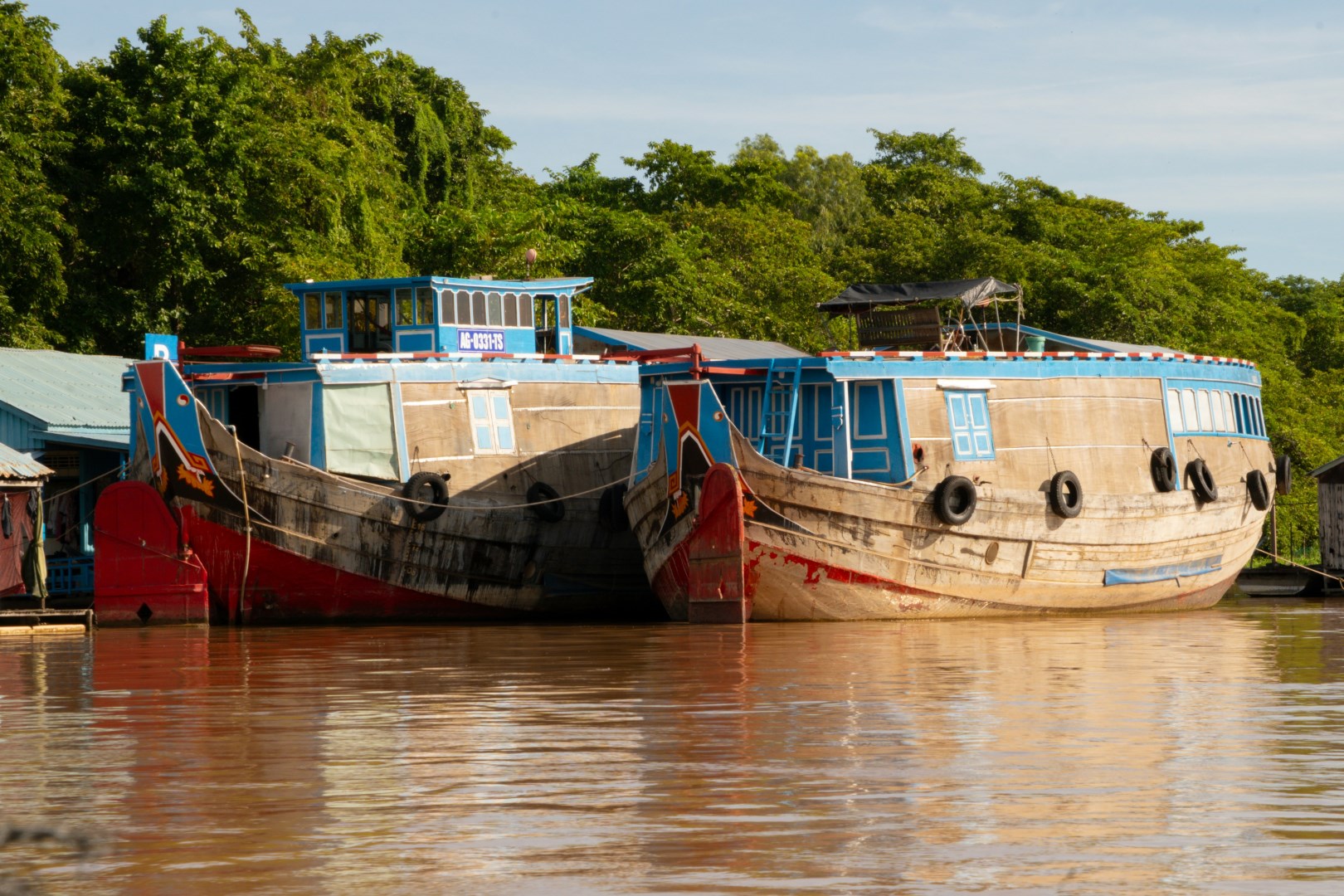
Chau Doc
Chau Doc is a riverside city in Vietnam’s An Giang Province, close to the border with Cambodia and the waterways of the Mekong Delta. The city is known for its floating fish farms, canal networks, and active river trade that connects nearby rural communities.
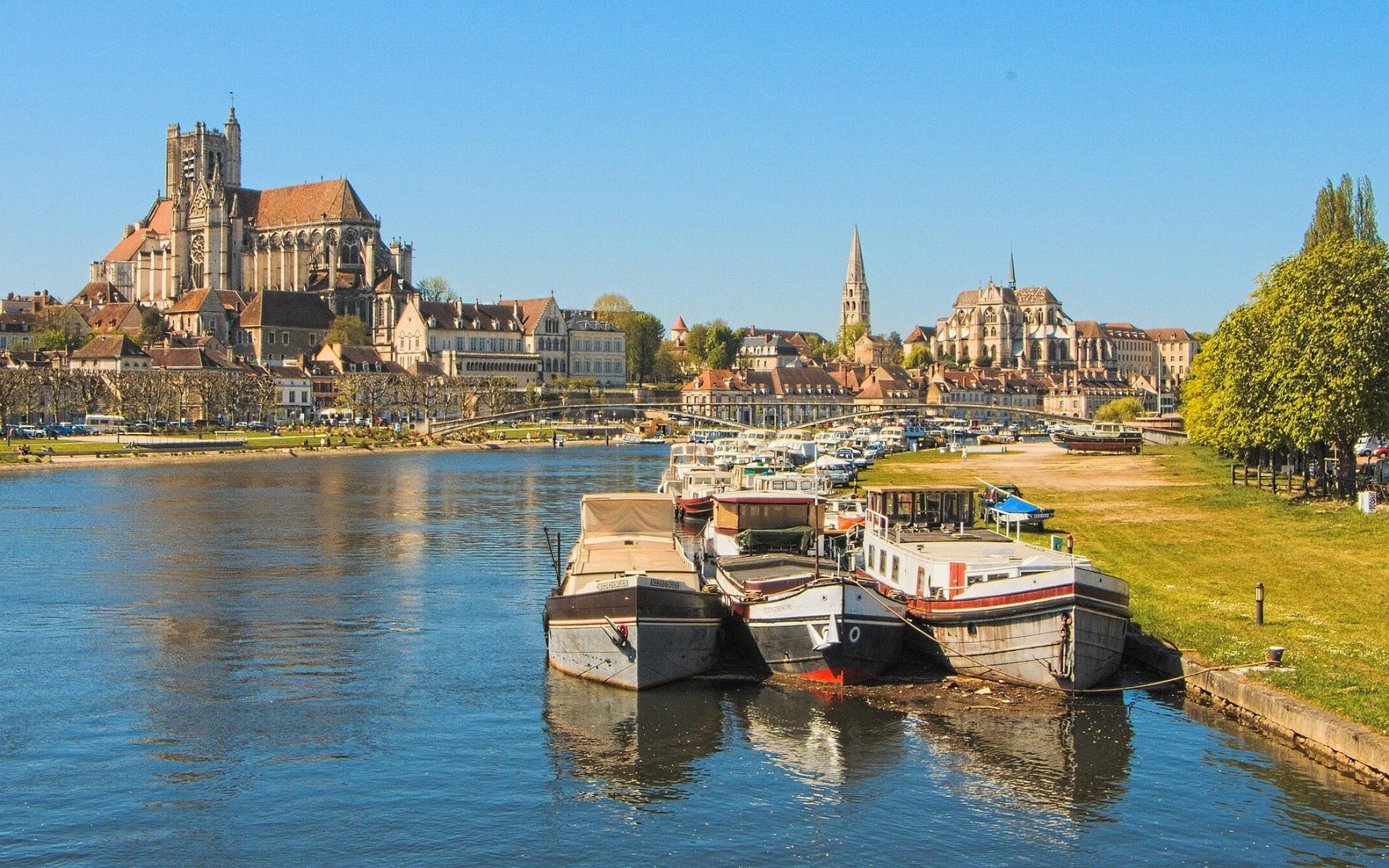
Auxerre
Auxerre is a picturesque city located southeast of Paris and is the capital of the Yonne department.
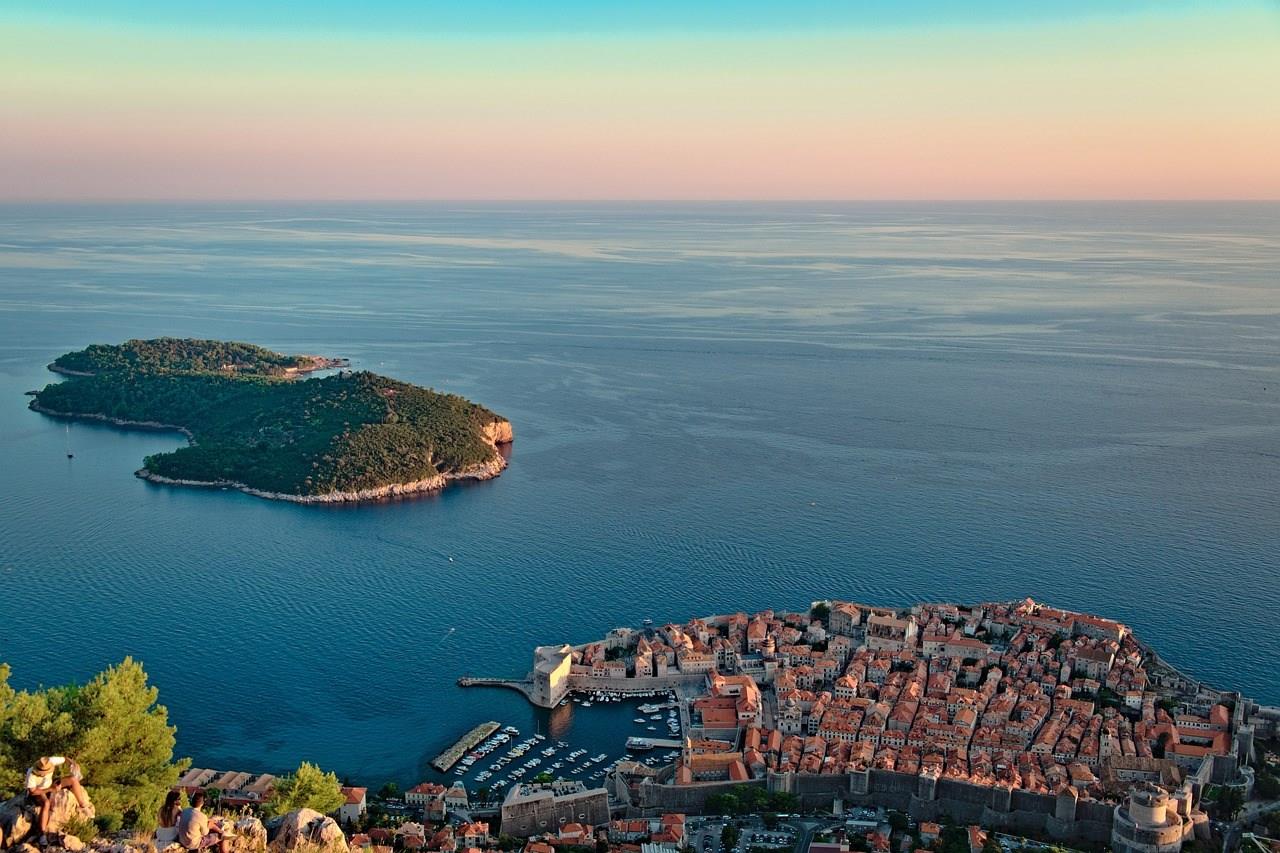
Mediterranean Sea
The Mediterranean Sea is more than a body of water, it’s a living crossroads of civilizations, flavors, and landscapes. Stretching across three continents and touching over 20 countries, it has been a stage for ancient empires, maritime trade, and cultural exchange for thousands of years. From the sun-drenched shores of southern Spain to the whitewashed villages of the Greek islands, each coastline tells a different story.
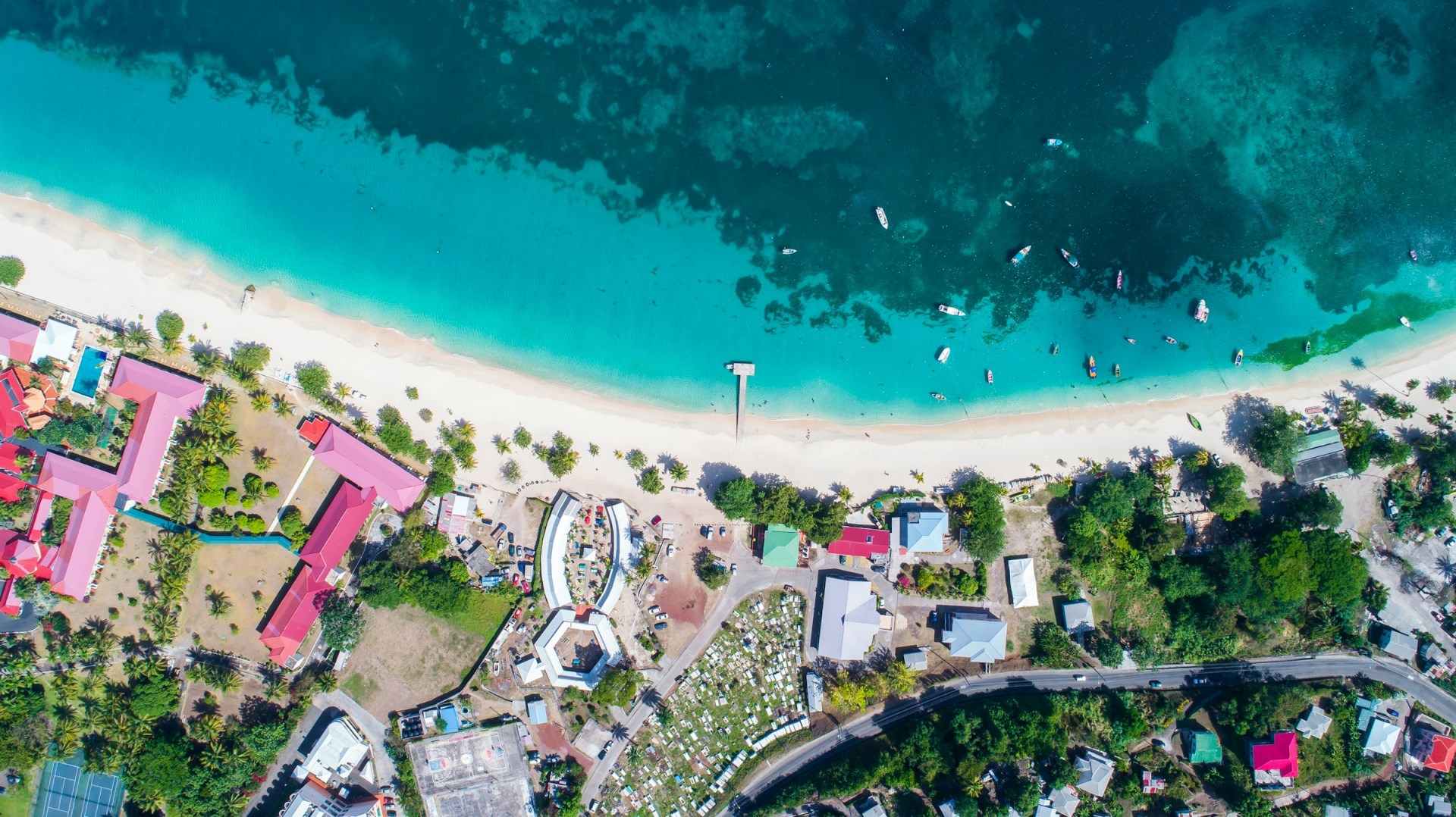
Grand Anse Beach
Grand Anse Beach is a long crescent of pale sand on the southwestern coast of Grenada, overlooking the Caribbean Sea. The beach stretches for roughly three kilometres and is backed by hotels, guesthouses, restaurants, shops, and residential areas, while much of the shoreline remains open for public use. Its sheltered position creates generally calm, clear water that is suitable for swimming and other water activities.
