
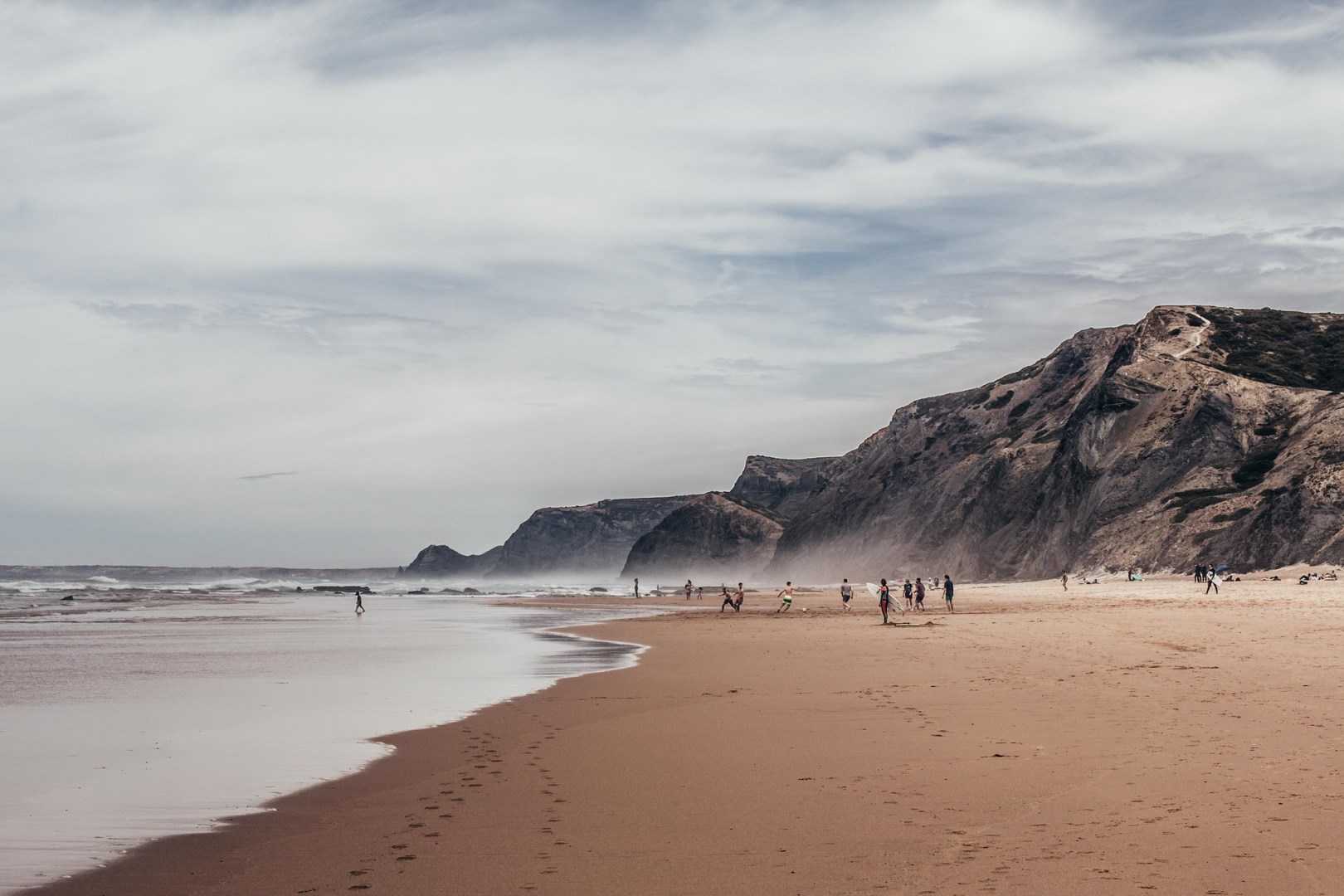
Faro
This is the most Moorish part of Portugal, the rich plain south of the Serra do Caldeirao, scalloped by the beaches and headlands of the Algarve. It is where, in early spring, blossoming almond trees carpet the still-brown hillsides with drifts of snow-like flowers, and the plain white facades of little houses are topped by intricately pierced chimneys that look like ice-cream cones.
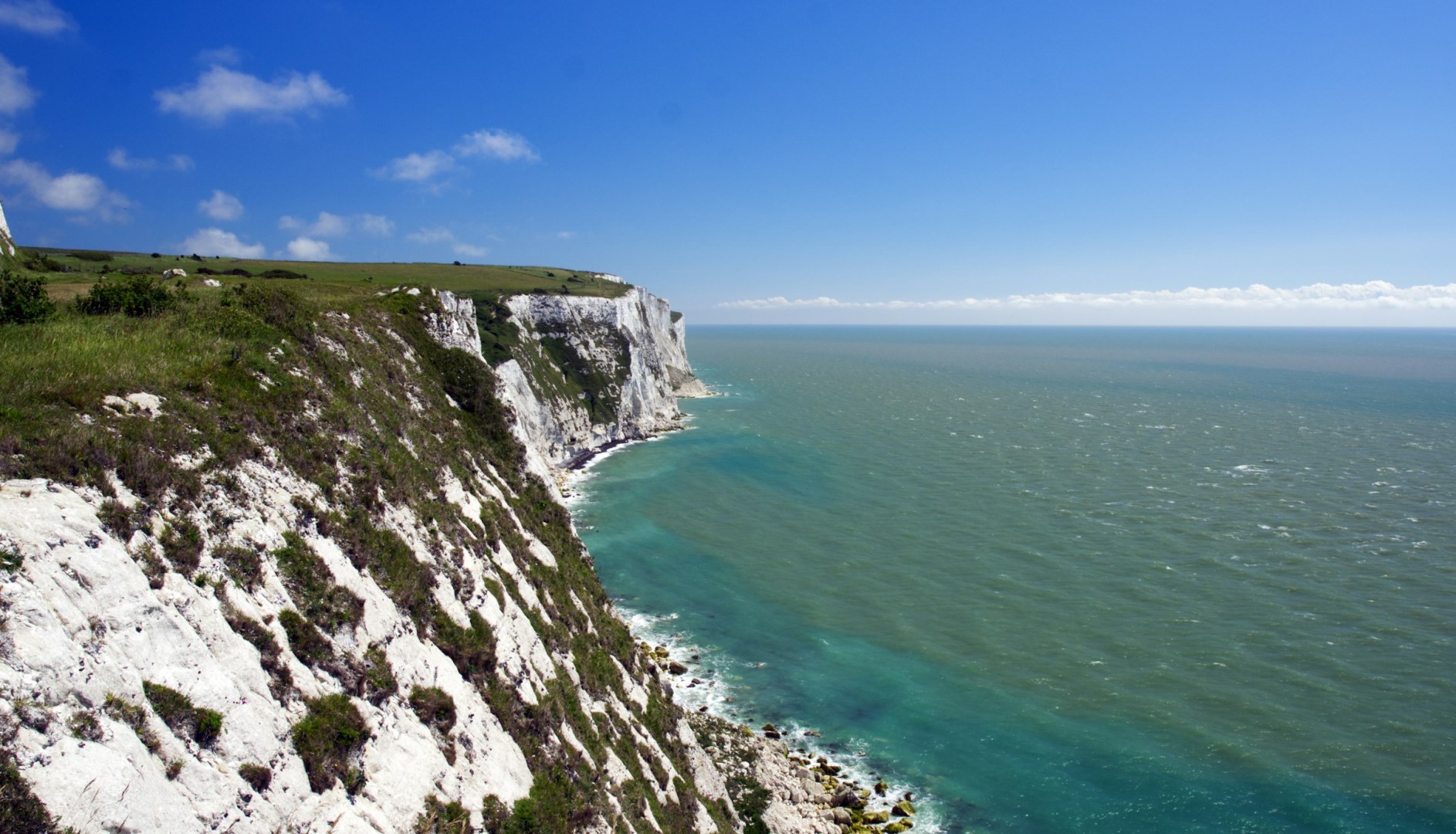
Dover
The historic city of Dover, nestled on the southern coast of England, is a captivating destination known for its iconic White Cliffs and strategic maritime heritage. Overlooking the Strait of Dover, these towering chalk cliffs offer breathtaking views across to France and serve as a symbol of Britain's resilience.

Nosy Be
Nosy Be, often called the “Perfume Island” due to its fragrant ylang-ylang trees, is Madagascar’s largest and most popular tourist destination. Situated off the northwest coast of Madagascar, this tropical paradise boasts powdery white sand beaches, turquoise waters, and lush inland rainforests, making it an idyllic escape for beach lovers, nature enthusiasts, and adventure seekers alike. Nosy Be is renowned for its stunning marine life.
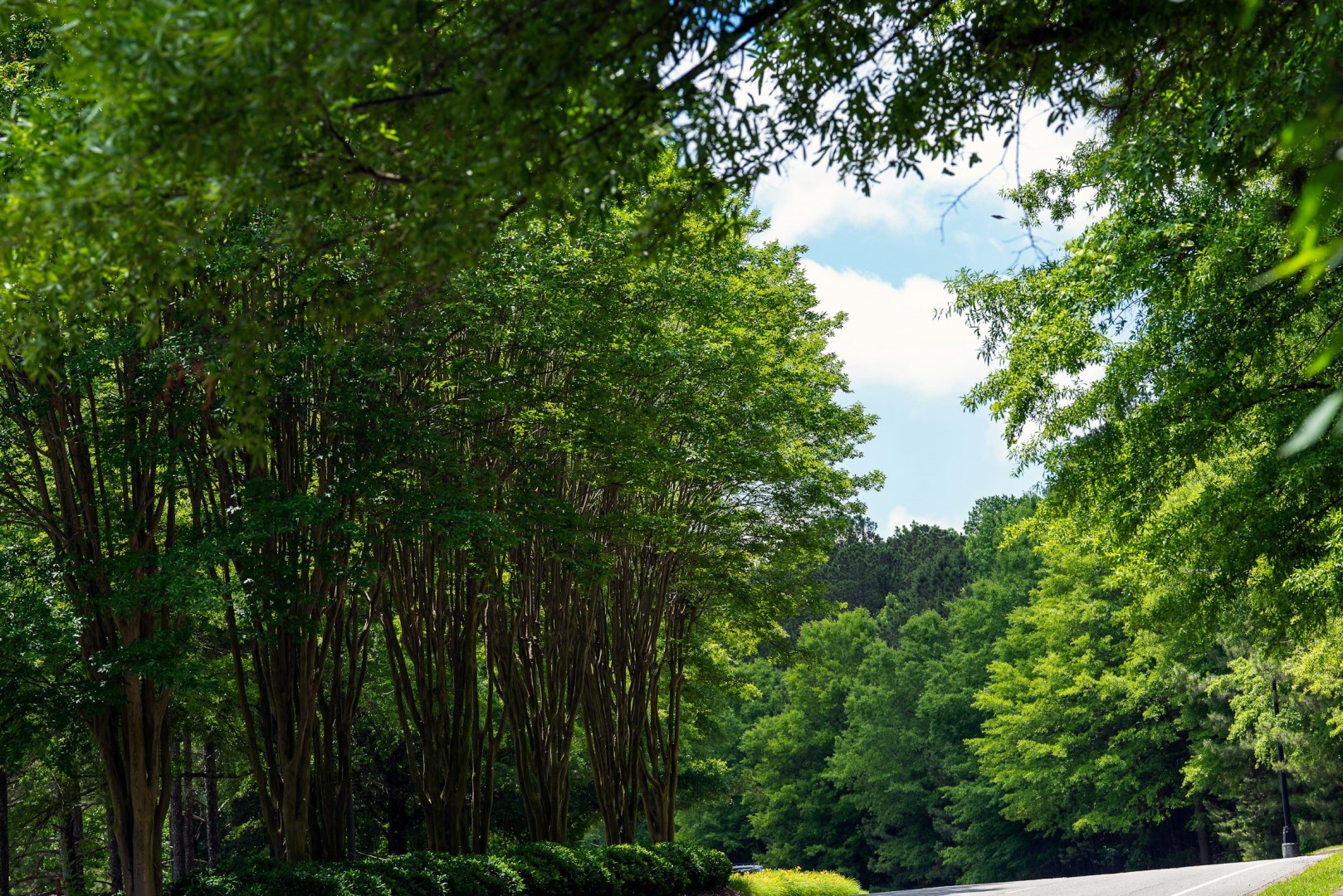
Alpharetta
Although Alpharetta is not a particularly big city now, experts predict that in about 25 years, Alpharetta will be the geographical center of metro Atlanta, as the area continues to expand North. After driving past many empty fields, or wooded areas, you might find it hard to believe that Alpharetta will really become such a major city. What you probably don't know is that much of Alpharetta's empty land is owned by some of the biggest names in the nation.

Whitsunday Island
The Whitsunday Islands sit in the heart of Australia’s Great Barrier Reef, where more than 70 islands rise from wide blue seas and offer an invitation to explore. Whitsunday Island itself is the largest of this group, known internationally for its ribbon of white silica sand stretching over seven kilometers at Whitehaven Beach. This sand feels cool underfoot even in warm sunshine because it’s made of nearly pure silica carried there by ancient ocean currents.
