
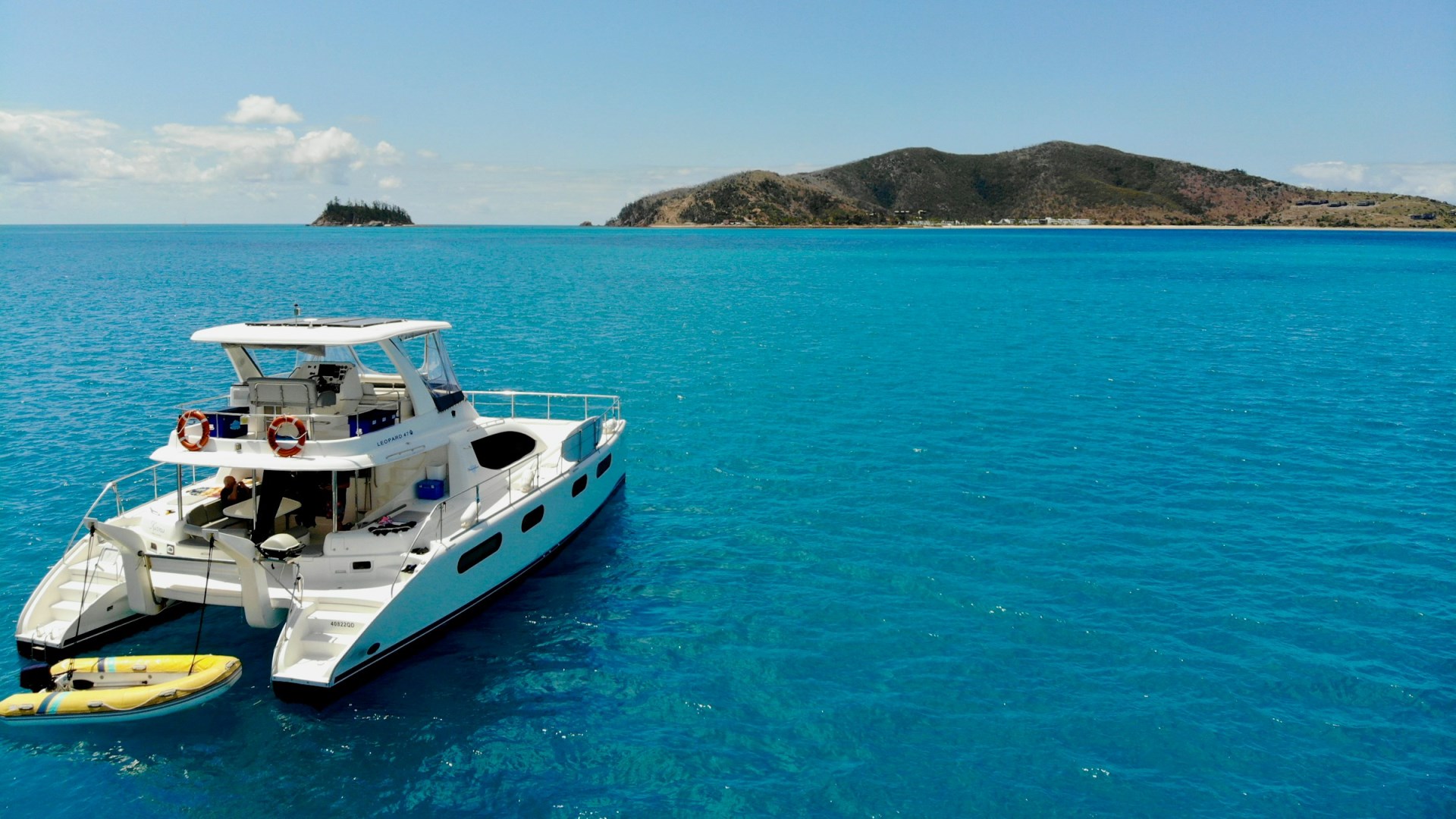
Hayman Island
Hayman Island is nestled in the spectacular Whitsunday Islands off Australia's north Queensland Coast.
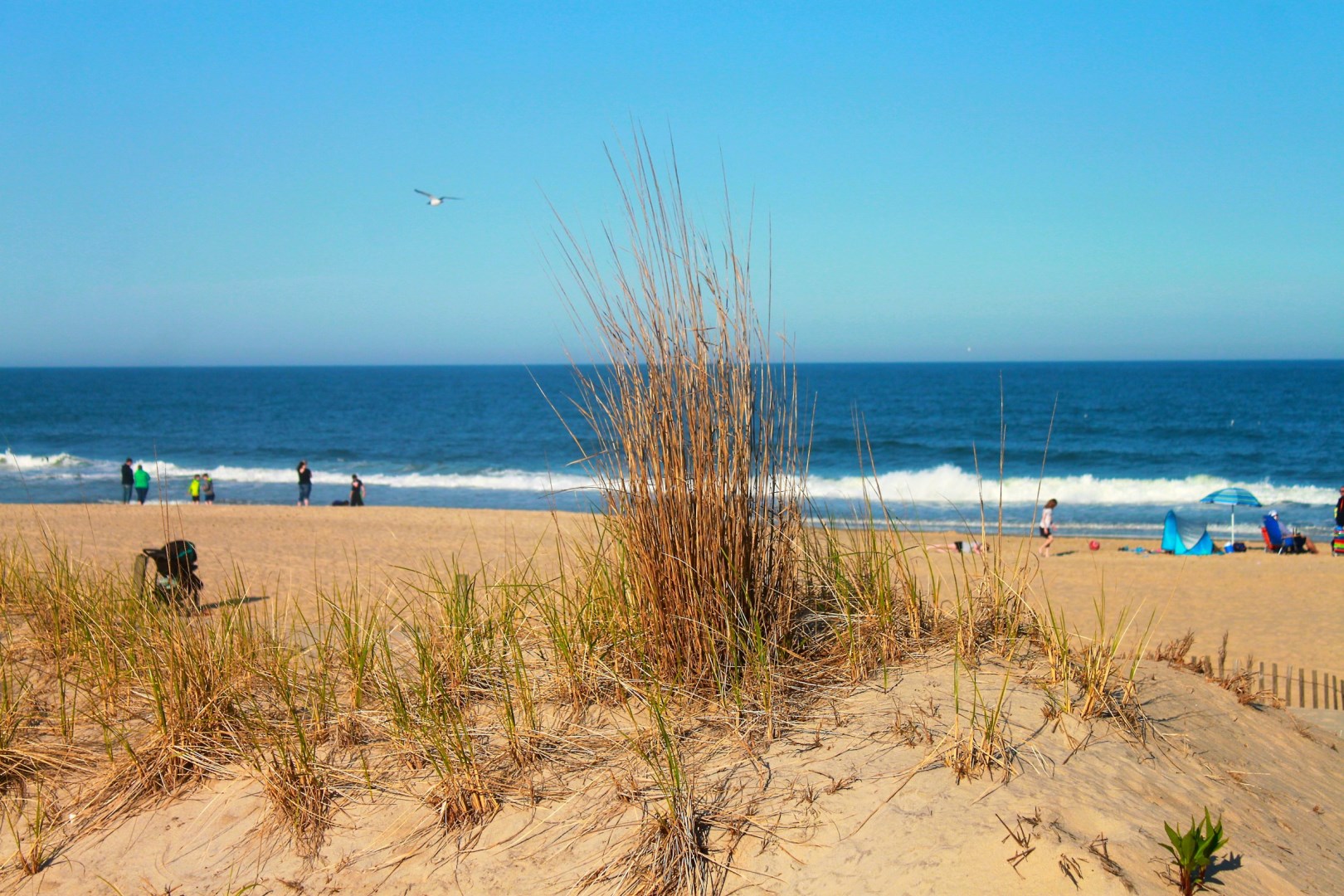
Ocean City
Ocean City, Maryland, is a barrier-island resort along the Atlantic coast of Worcester County, known for its broad beaches, long boardwalk, and connection to the coastal bays. The town stretches for about 10 miles between the Ocean City Inlet and the Delaware state line, with distinct neighborhoods ranging from the historic downtown to quieter northern sections. Its roots as a fishing community remain visible alongside its role as a major seaside destination.
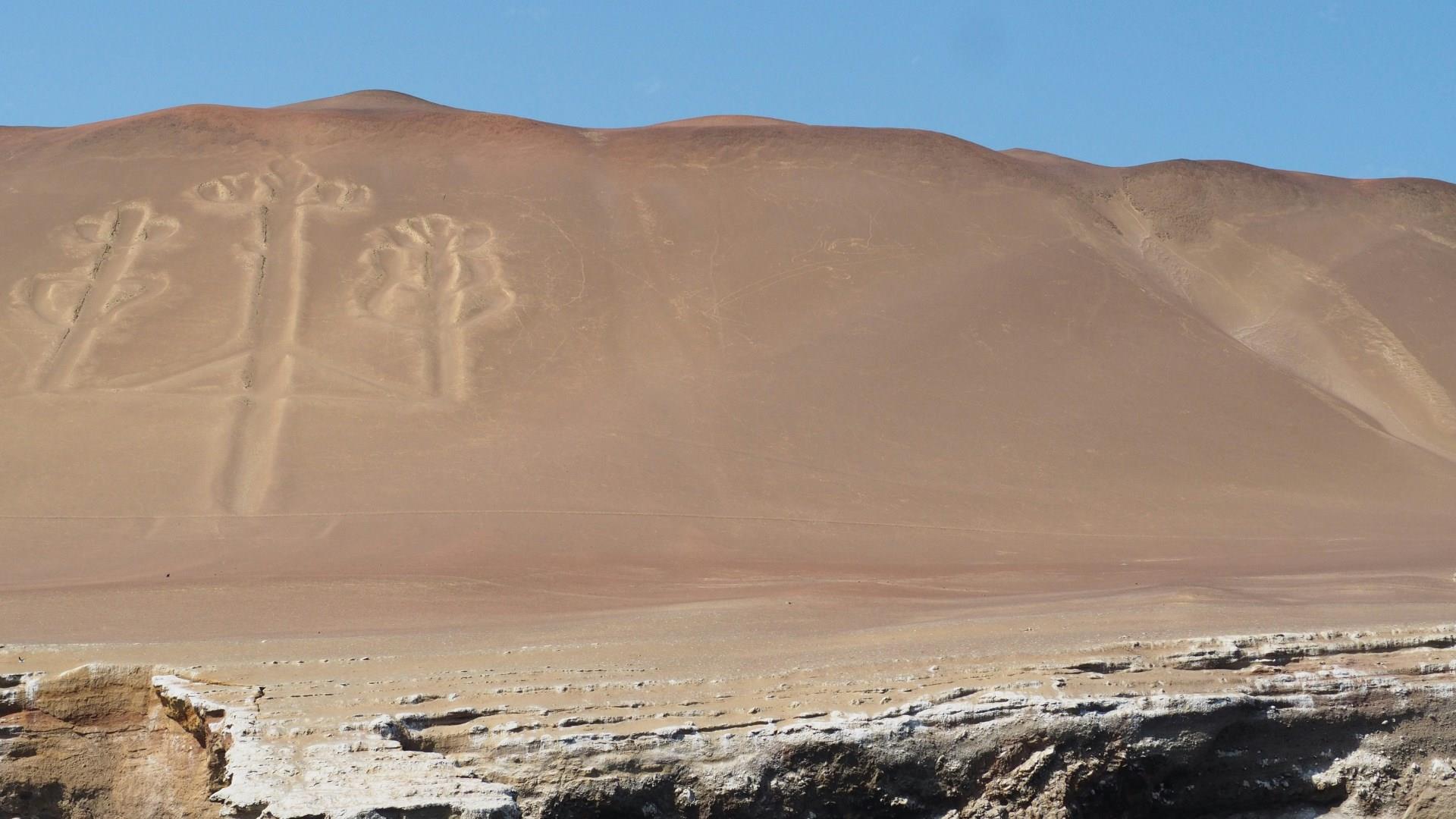
Paracas
Paracas, a small coastal town in southern Peru, offers a mix of desert landscapes, marine wildlife, and ancient history. Just three hours from Lima, it’s the gateway to the Paracas National Reserve, one of the country’s most important protected areas. This reserve includes both land and sea, making it home to dramatic cliffs, wind-carved rock formations, and waters where dolphins, sea lions, and Humboldt penguins are frequently seen.
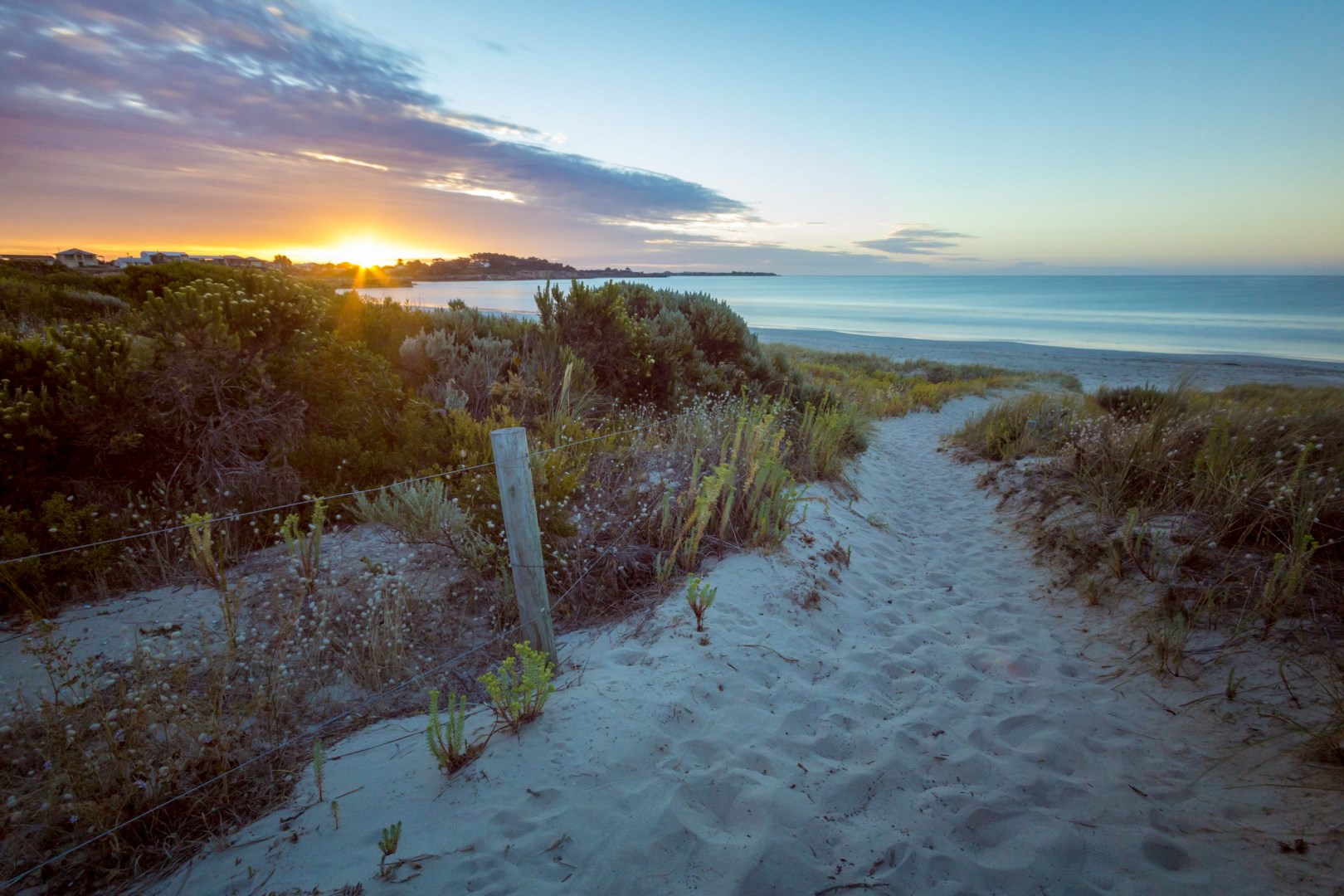
Robe
Robe is a small coastal town on South Australia’s Limestone Coast, overlooking Guichen Bay between long beaches, low dunes, lakes, and rocky headlands. Its setting combines a working fishing community with a historic town center containing numerous heritage-listed buildings. Robe developed as a port serving the pastoral districts of the southeast, and its maritime character remains visible around the harbor and waterfront.
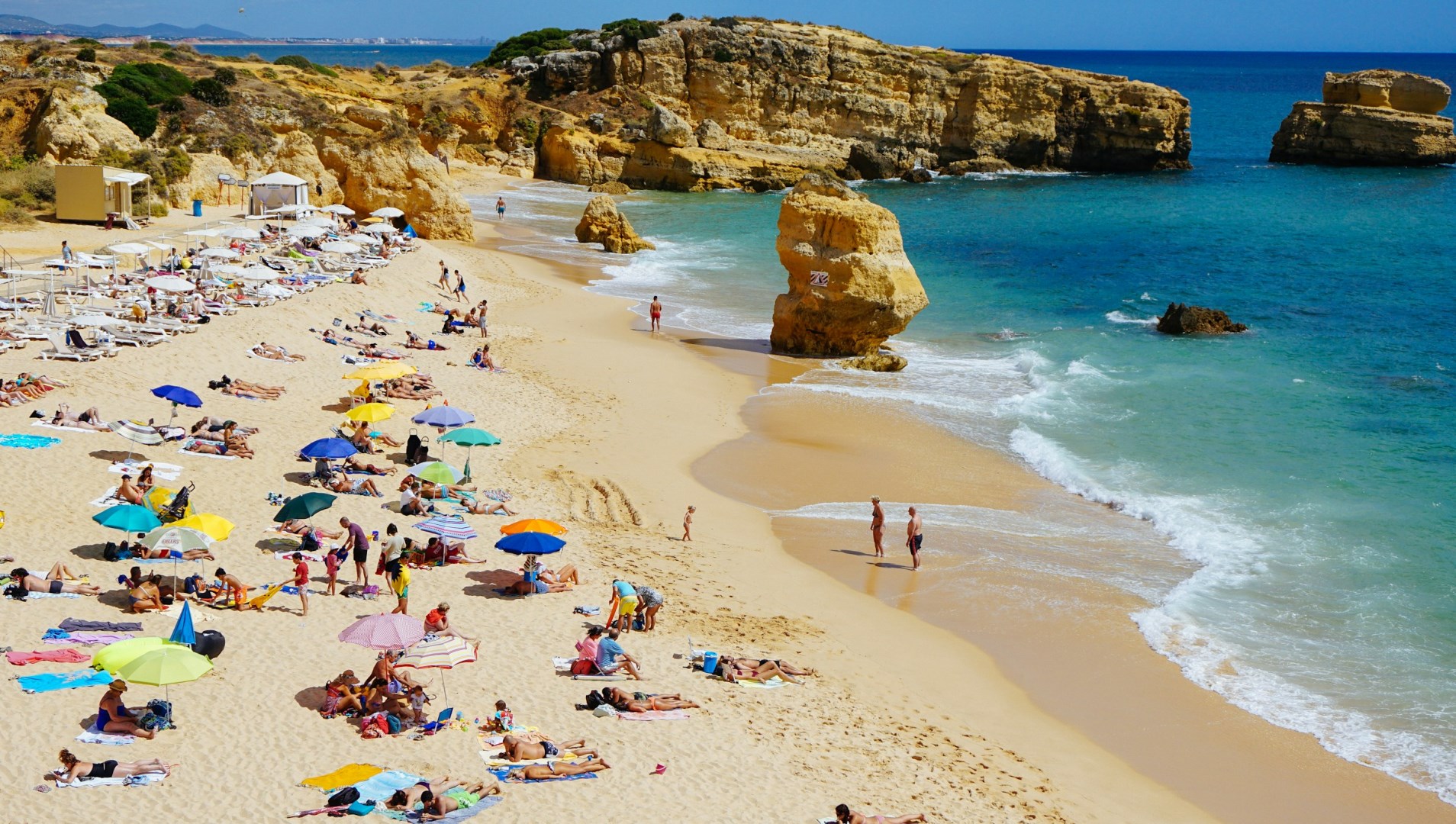
Albufeira
Albufeira, perched on Portugal’s Algarve coast, combines the charm of a traditional fishing village with the vibrancy of a seaside resort. Its whitewashed buildings tumble down hillsides toward golden beaches and turquoise waters, creating one of the most picturesque coastal scenes in southern Europe.
