

Palma
Enchanting Palma is the capital of Mallorca, Spain’s island paradise in the Balearic Sea. This picturesque town boasts historic castles and cathedrals, glittering beaches, and some of the island’s best culinary delights. Don’t let this city’s small size fool you; Palma houses truly magnificent architectural gems that make this island getaway well worth exploring.
iSimangaliso Wetland Park
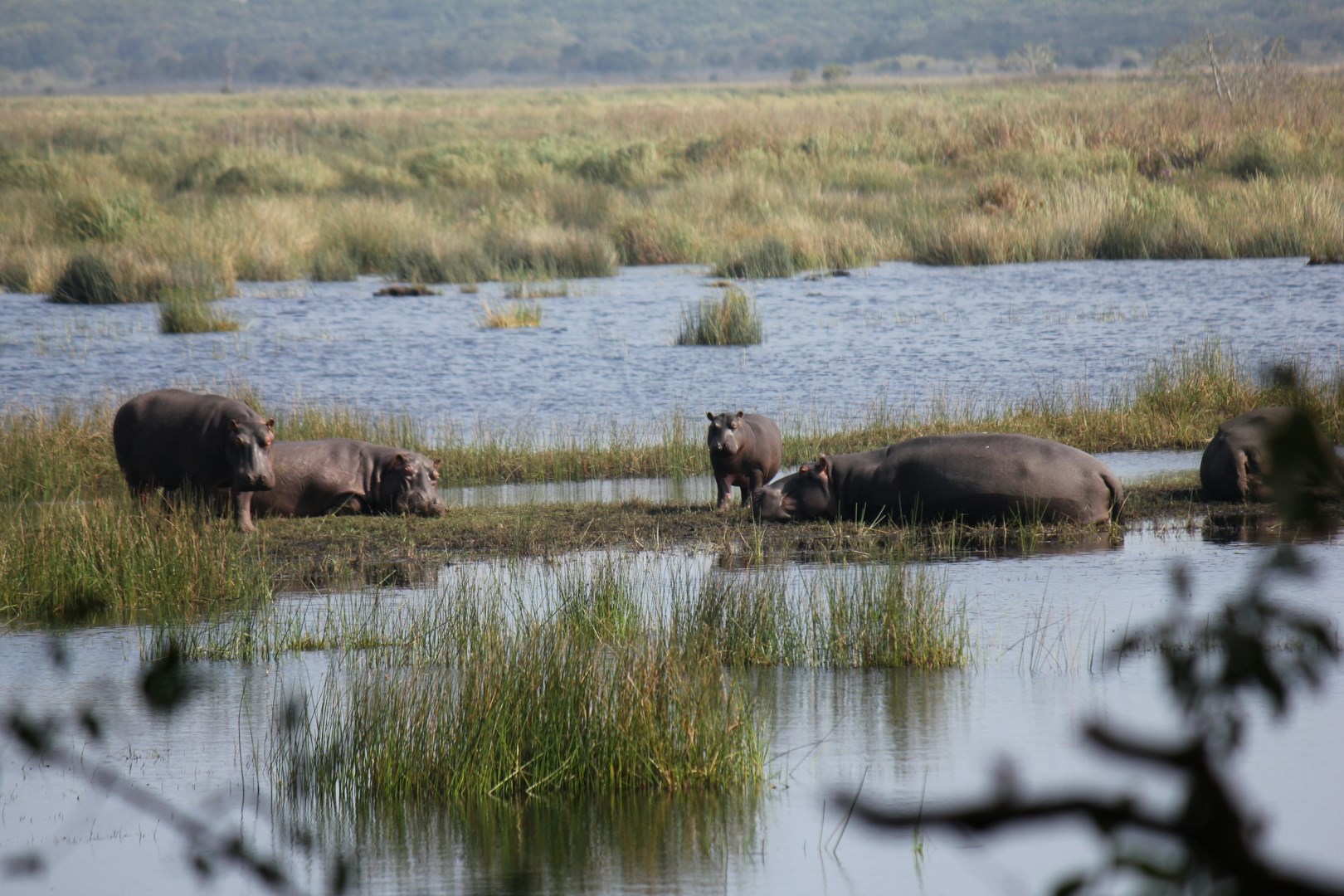
iSimangaliso Wetland Park stretches along the northern KwaZulu-Natal coast from Maphelane to the Mozambique border. It brings together beaches, coral reefs, coastal forests, dunes, lakes, wetlands, estuaries, grasslands, and savanna within one protected landscape. The park is South Africa’s first UNESCO World Heritage Site and includes several separate conservation areas linked by their ecological systems. Its name, iSimangaliso, is an isiZulu word associated with miracles and wonders.
Yaoundé
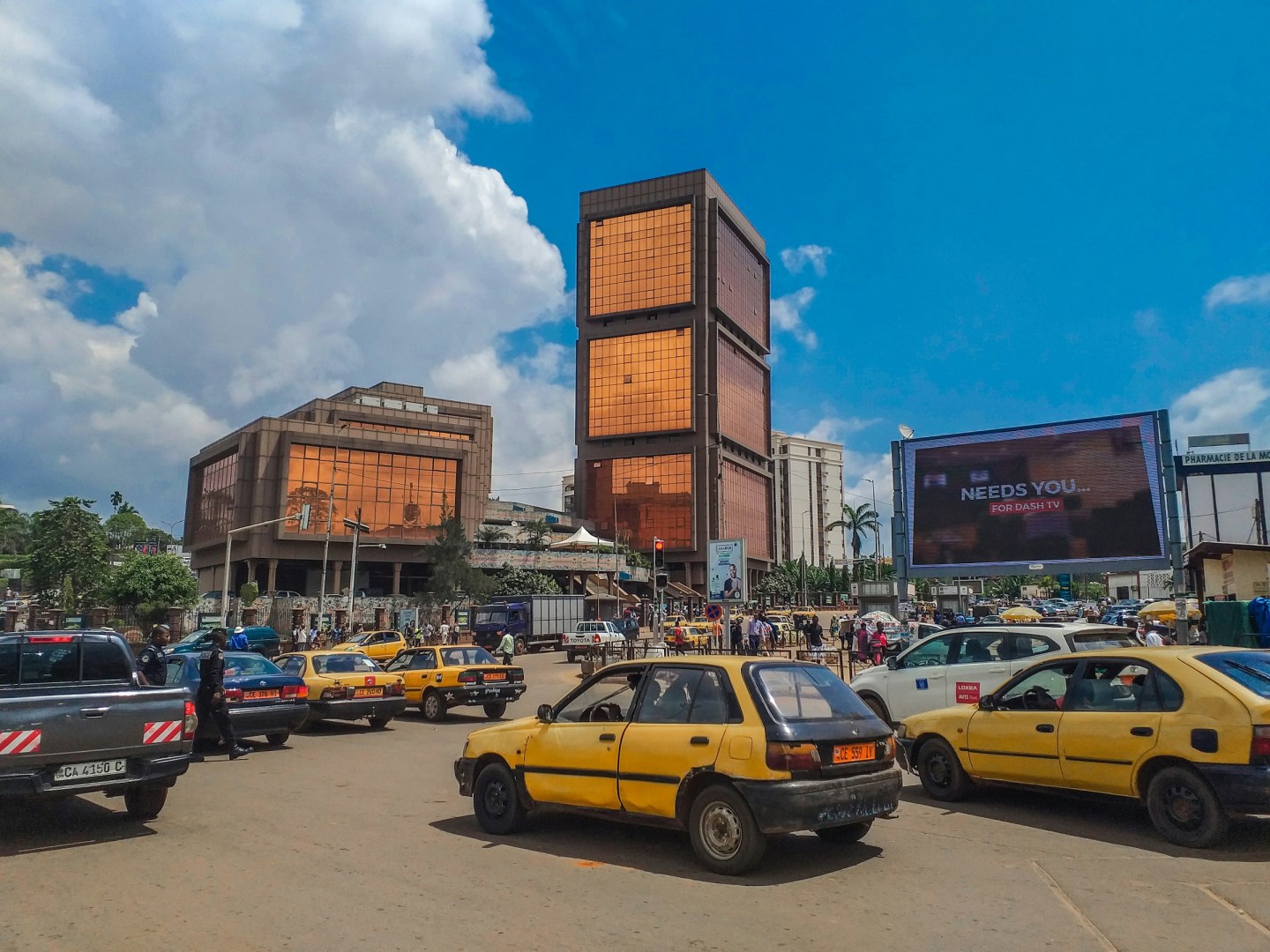
Yaounde is located 18 kilometers from Yaounde Nsimalen Airport, near Central Market.
Gstaad
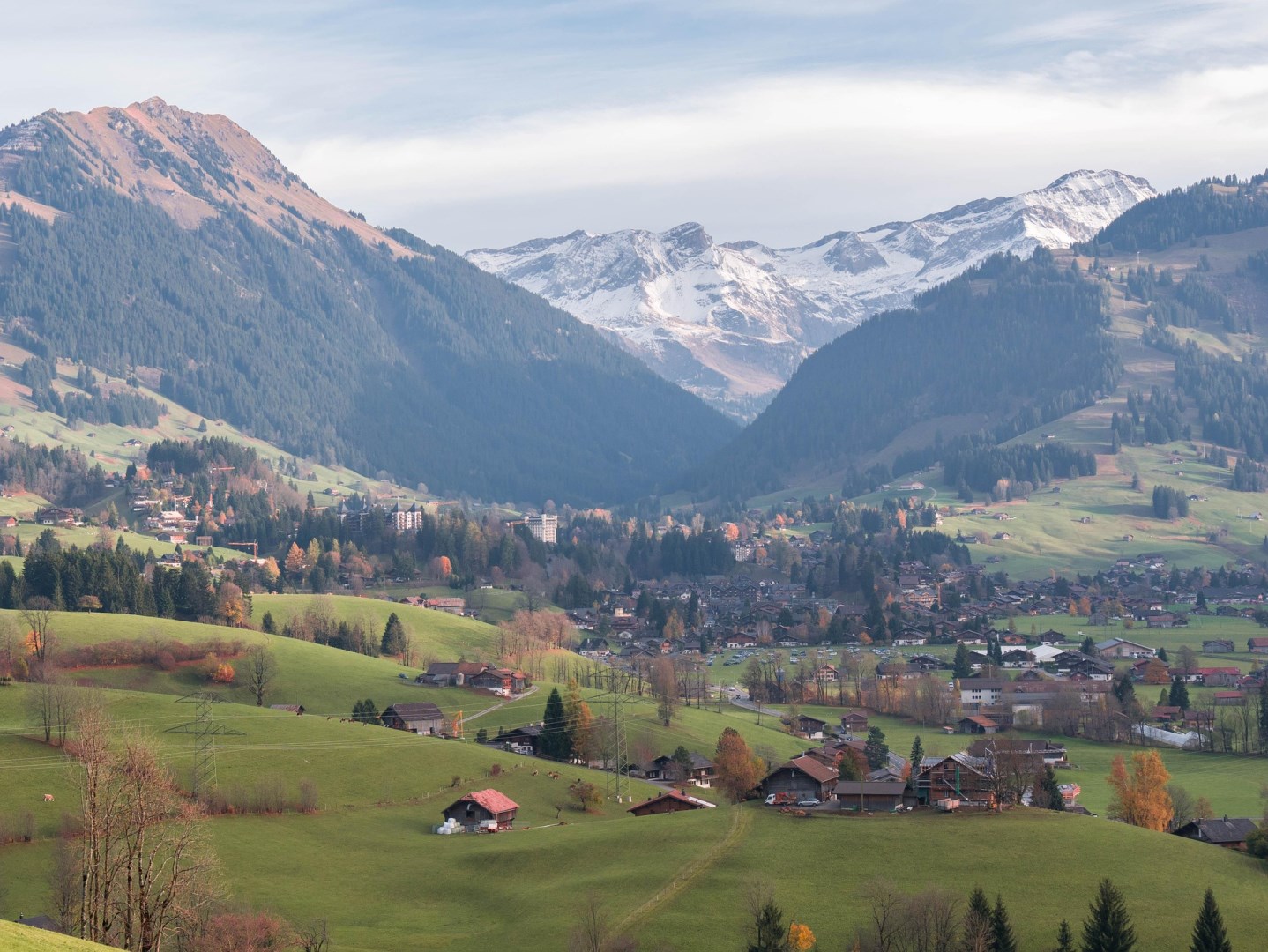
Elegant playground of the rich and famous, Gstaad also features the most glamorous snowfields in all of Europe. Mostly between Christmas and New Year, you will find international celebrities, aristocracy, movie stars and famous heads-of-state wherever you turn. Saanenland is a true paradise for fans of all kinds of winter sports.
Bay of Fires
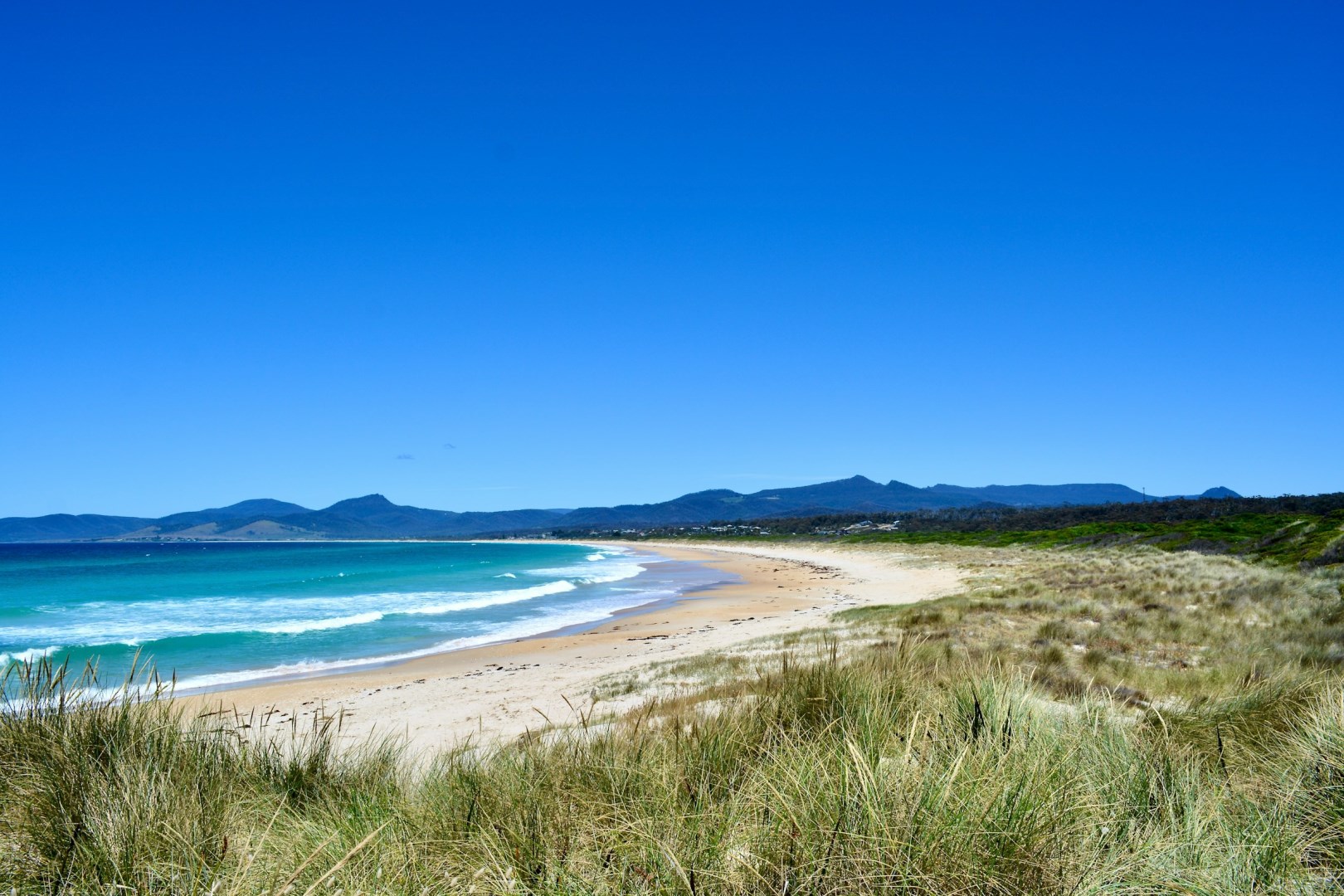
Bay of Fires is a coastal region on Tasmania’s north-east coast, extending from Binalong Bay in the south to larapuna/Eddystone Point in the north. It is recognized for white sandy beaches, clear blue water, and granite rocks marked by orange lichen. The Bay of Fires Conservation Area includes beaches, rocky headlands, coastal heath, dry forest, and sheltered bays
