
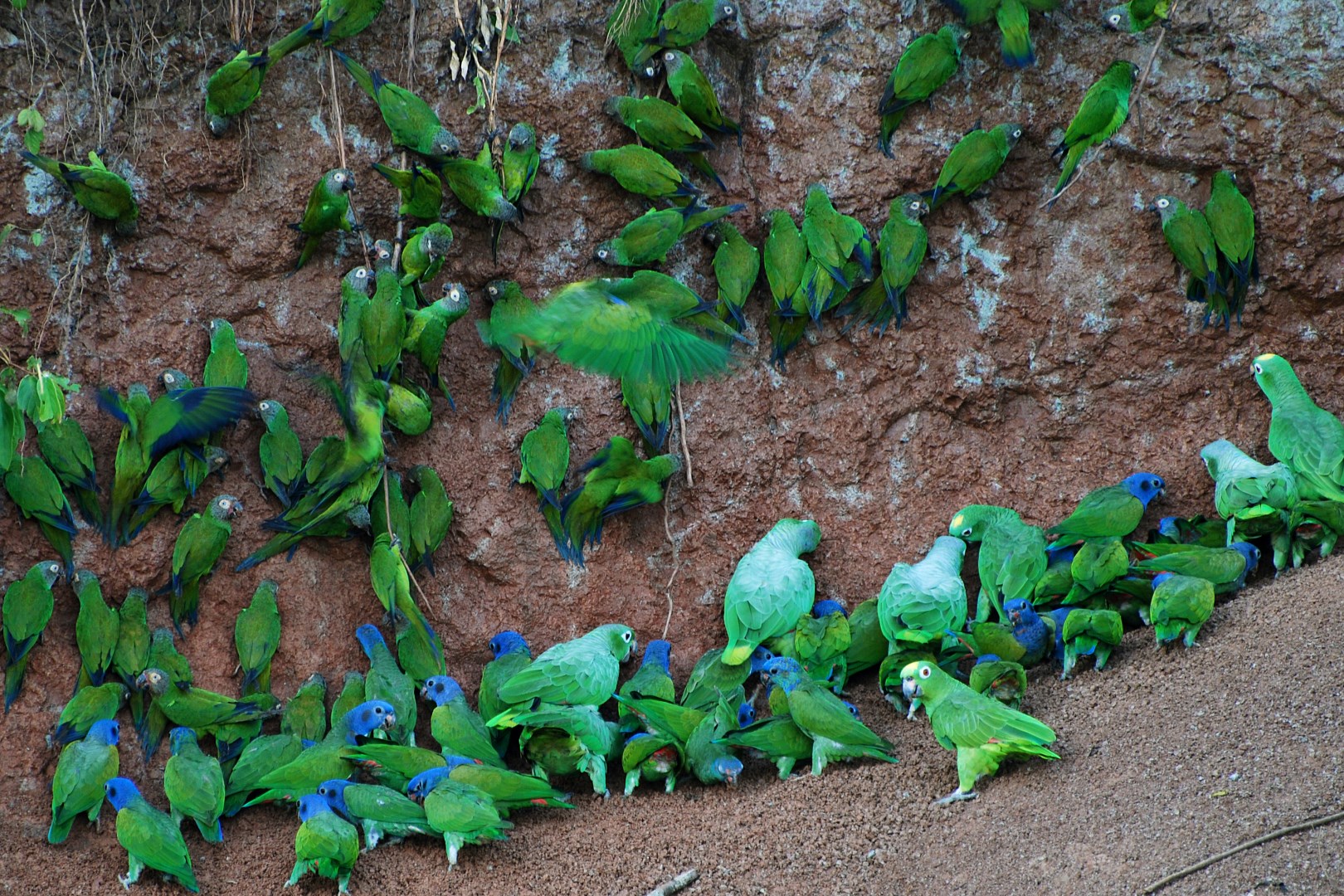
Yasuni National Park
Yasuní National Park lies in Ecuador’s Amazon region, between the Napo and Curaray rivers, and protects one of the country’s largest areas of lowland rainforest. The park contains dense tropical forest, rivers, lagoons, swamps, and seasonally flooded areas, creating a wide range of habitats. Its location near the equator and its varied terrain support exceptionally high biological diversity.
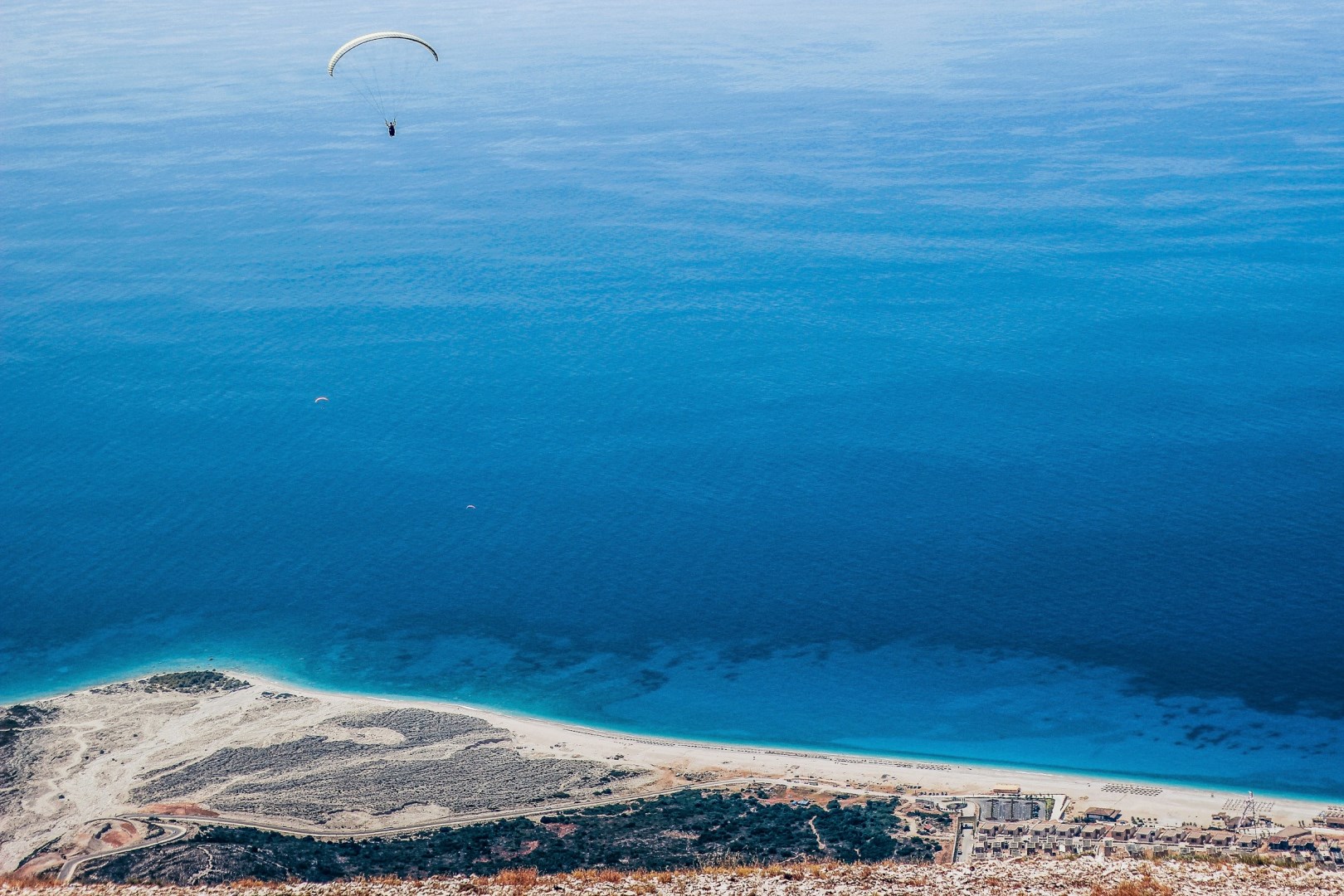
Llogara National Park
Llogara National Park lies in southern Albania within the Çika mountain range, overlooking the Ionian coast near the Albanian Riviera. The park rises from forested slopes to the Qore peak, with elevations ranging from about 450 to 2,018 meters. Its terrain includes steep limestone mountains, alpine meadows, rocky areas, and dense forests.
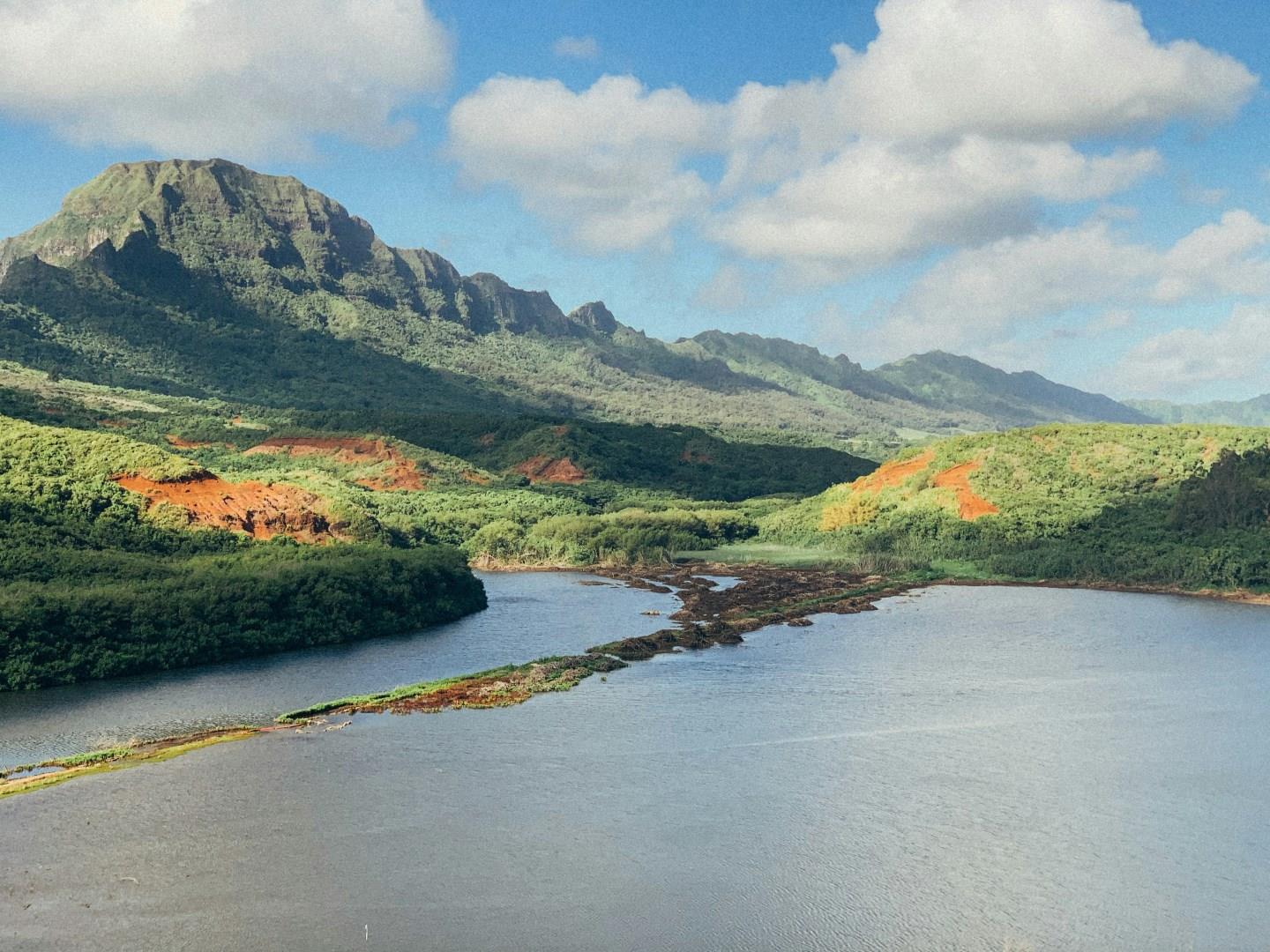
Lihue, Kauai
Lihue, the main town on the Hawaiian island of Kauai, blends administrative importance with island charm. As the county seat, it’s the hub of government and commerce, but it also serves as the welcoming gateway for travelers arriving at Lihue Airport or through its nearby harbor.
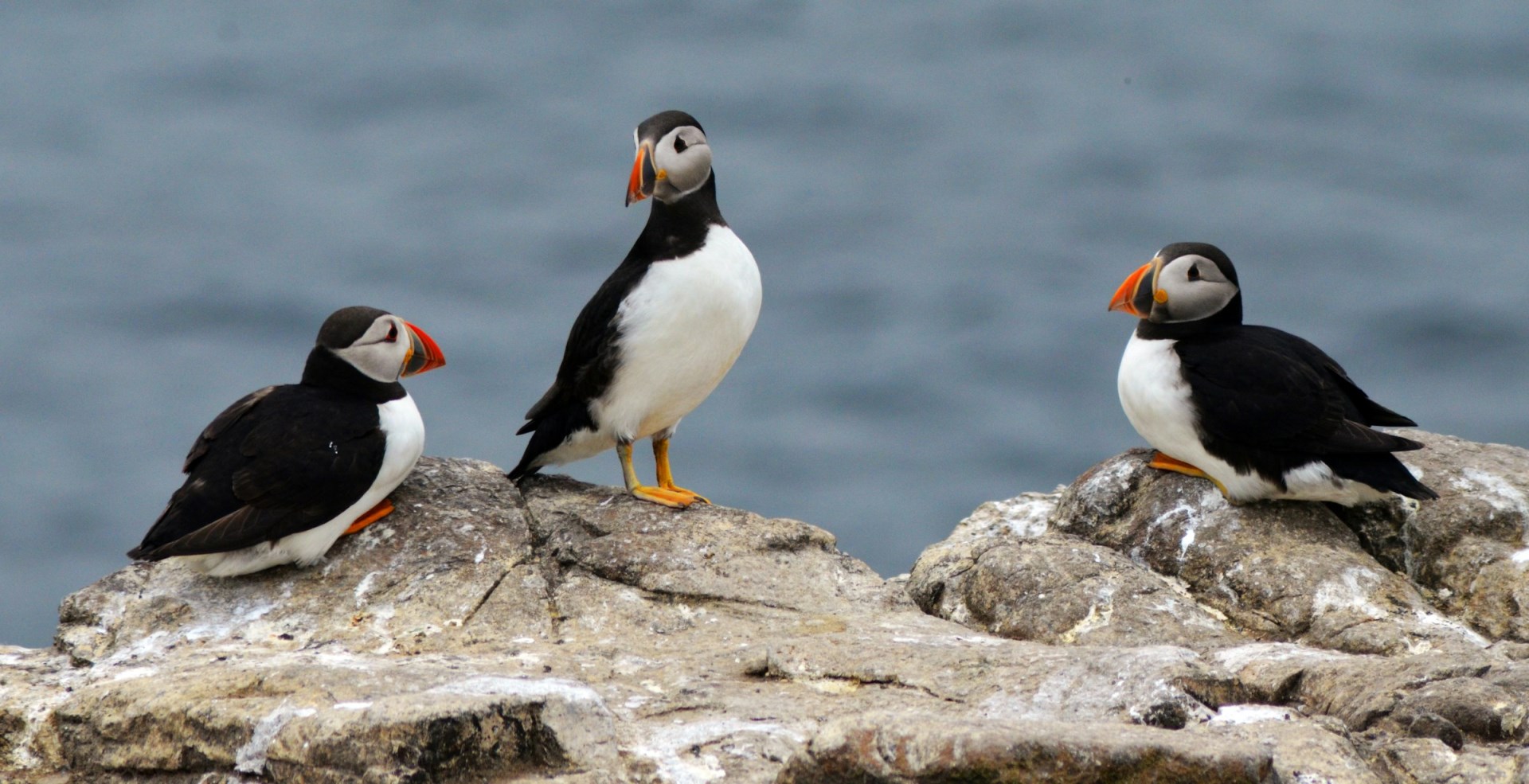
Farne Islands
The Farne Islands are a group of rocky islands off the Northumberland coast in northeast England, separated from the mainland by the waters of the North Sea. The archipelago consists of the Inner and Outer Farne Islands and is known for its exposed cliffs, sea caves, rocky shores, and internationally important wildlife colonies. The islands have no permanent population and are reached by boat from nearby Seahouses.
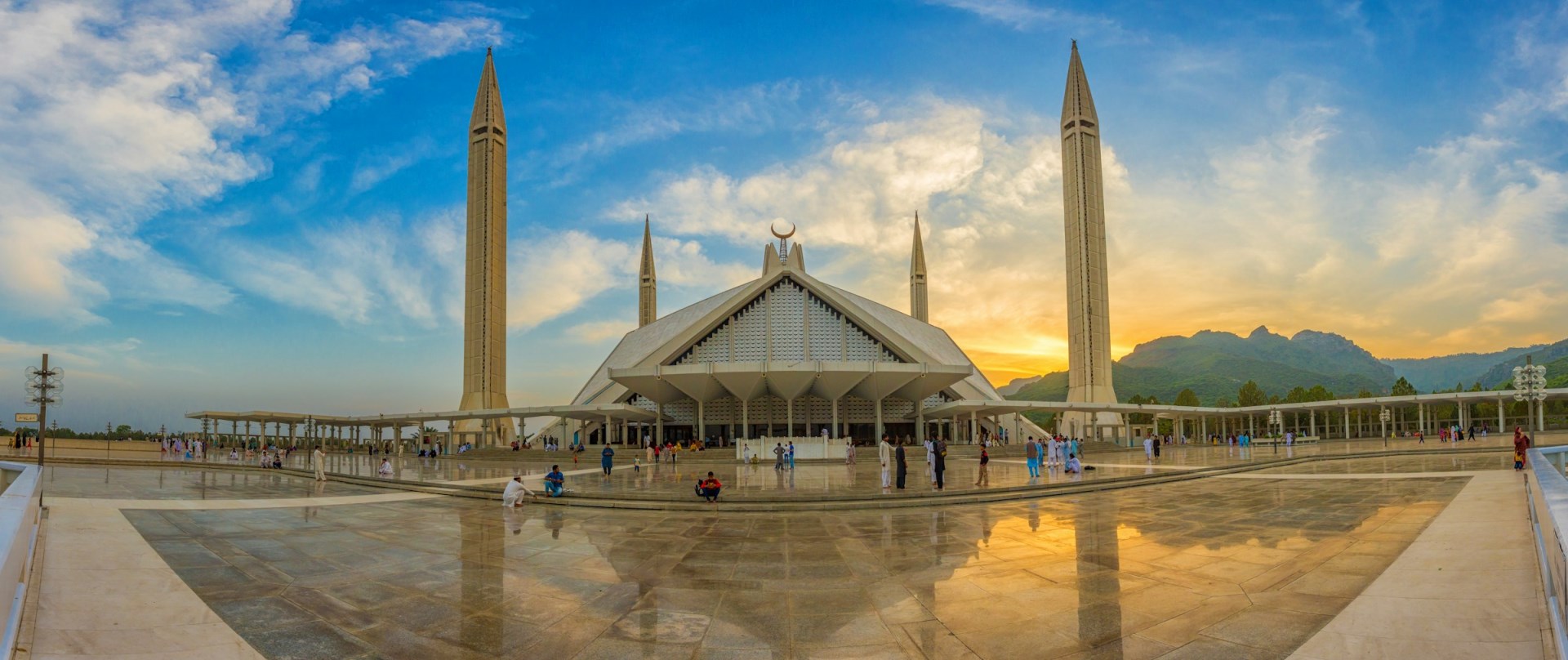
Islamabad
Islamabad is the capital of Pakistan, set against the wooded slopes of the Margalla Hills in the north of the country. Planned as a purpose-built capital, the city is organized around broad avenues, landscaped sectors, parks, and green belts, giving it a different character from Pakistan’s older cities. The Faisal Mosque is its most recognizable landmark, with its tent-shaped design and prominent position beneath the hills.
