
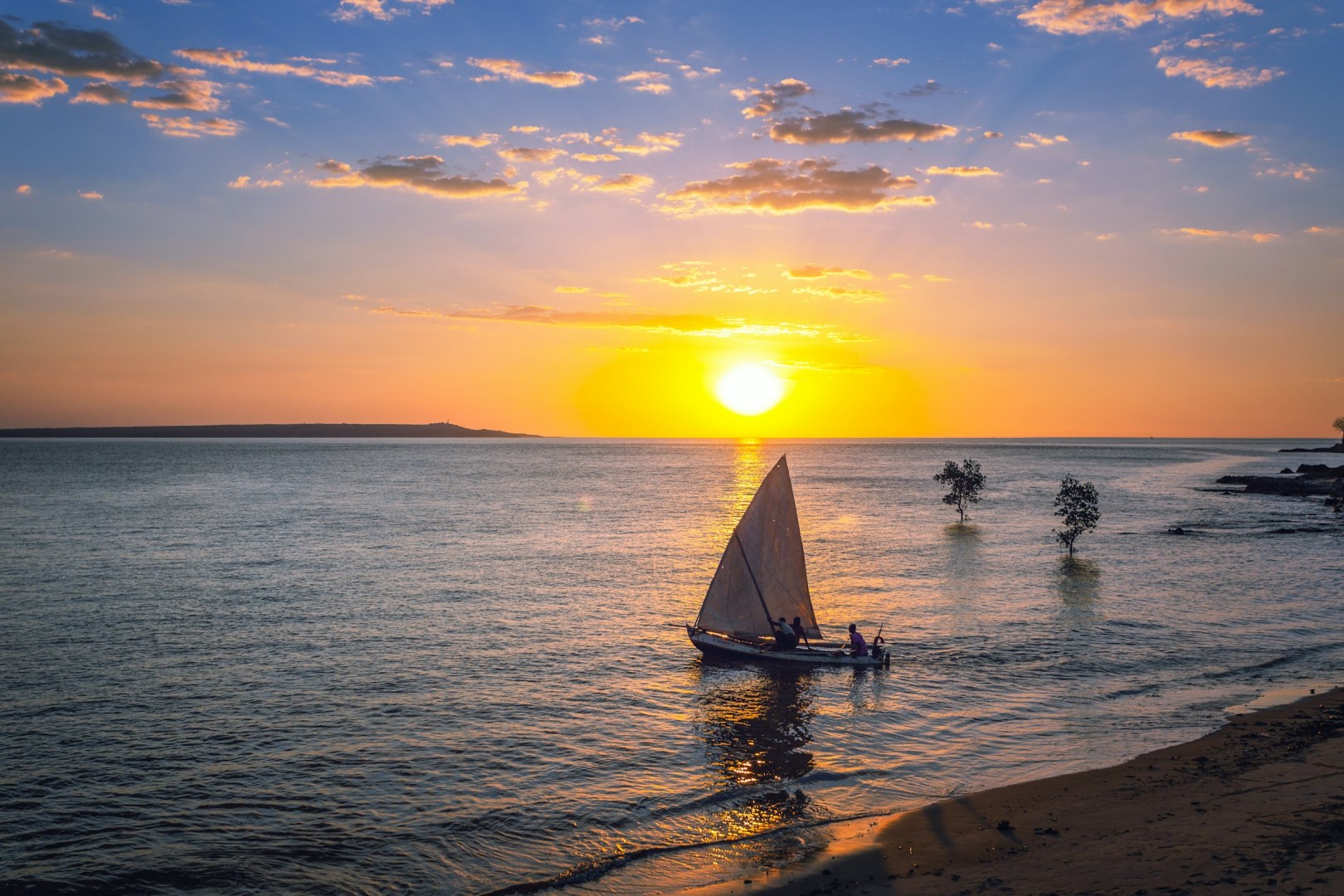
Mahajanga
Majunga, officially known as Mahajanga, is a picturesque coastal city in northwestern Madagascar that invites travelers with its vibrant culture and serene beauty. Situated along the Mozambique Channel, this port city is a gateway to some of Madagascar’s most stunning beaches and marine reserves. The city's palm-lined promenade, known as the Avenue of the Baobabs, is a local favorite, offering breathtaking views of the sunset over the ocean.

Zermatt
Among the stunningly snow-capped Swiss Alps, Zermatt is a charming ski resort town in Switzerland. Situated near the iconic Matterhorn peak, Zermat is the perfect destination for skiing, snowboarding, and hiking.

Tromso
Tromsø, a gem nestled in the Arctic Circle, offers an unparalleled blend of natural wonders and cultural richness. Known as the "Gateway to the Arctic," this Norwegian city is famed for its spectacular Northern Lights. Between September and April, Tromsø becomes a prime location for witnessing the aurora borealis, a mesmerizing display of green, purple, and pink lights dancing across the polar sky.
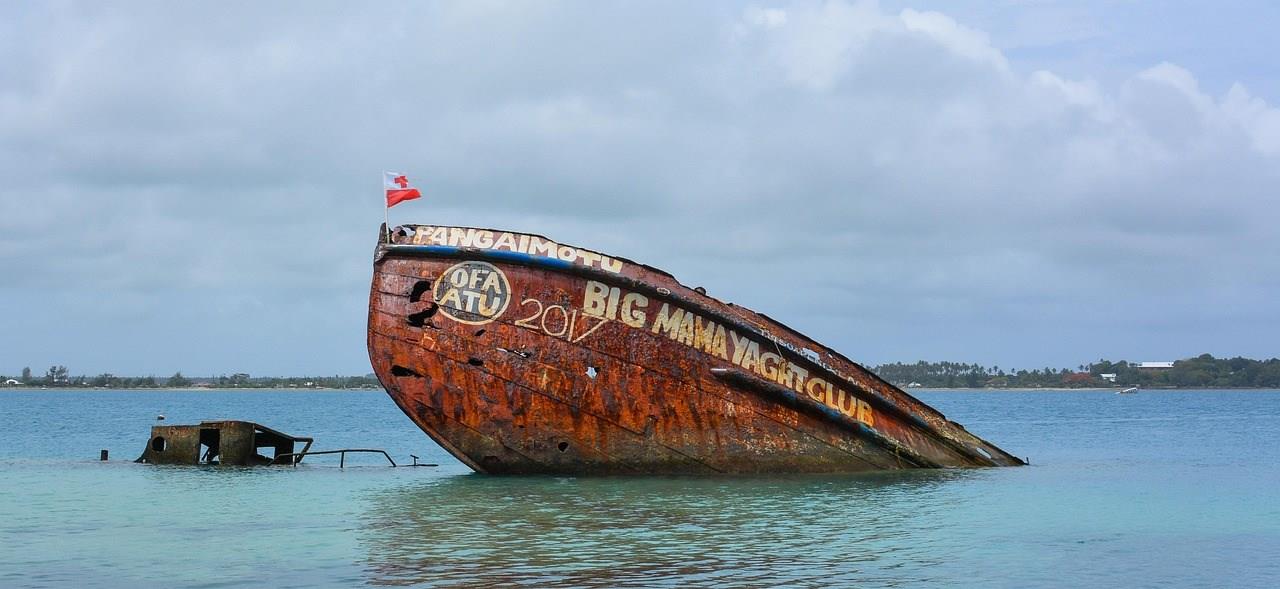
Tongatapu Island
Tongatapu, the main island of Tonga, is where tradition, history, and the South Pacific’s natural world intersect in quiet and unexpected ways. As the political and cultural center of the Kingdom of Tonga, it is home to the capital city, Nukuʻalofa, as well as ancient royal burial grounds, dramatic coastal blowholes, and friendly villages where daily life unfolds slowly.
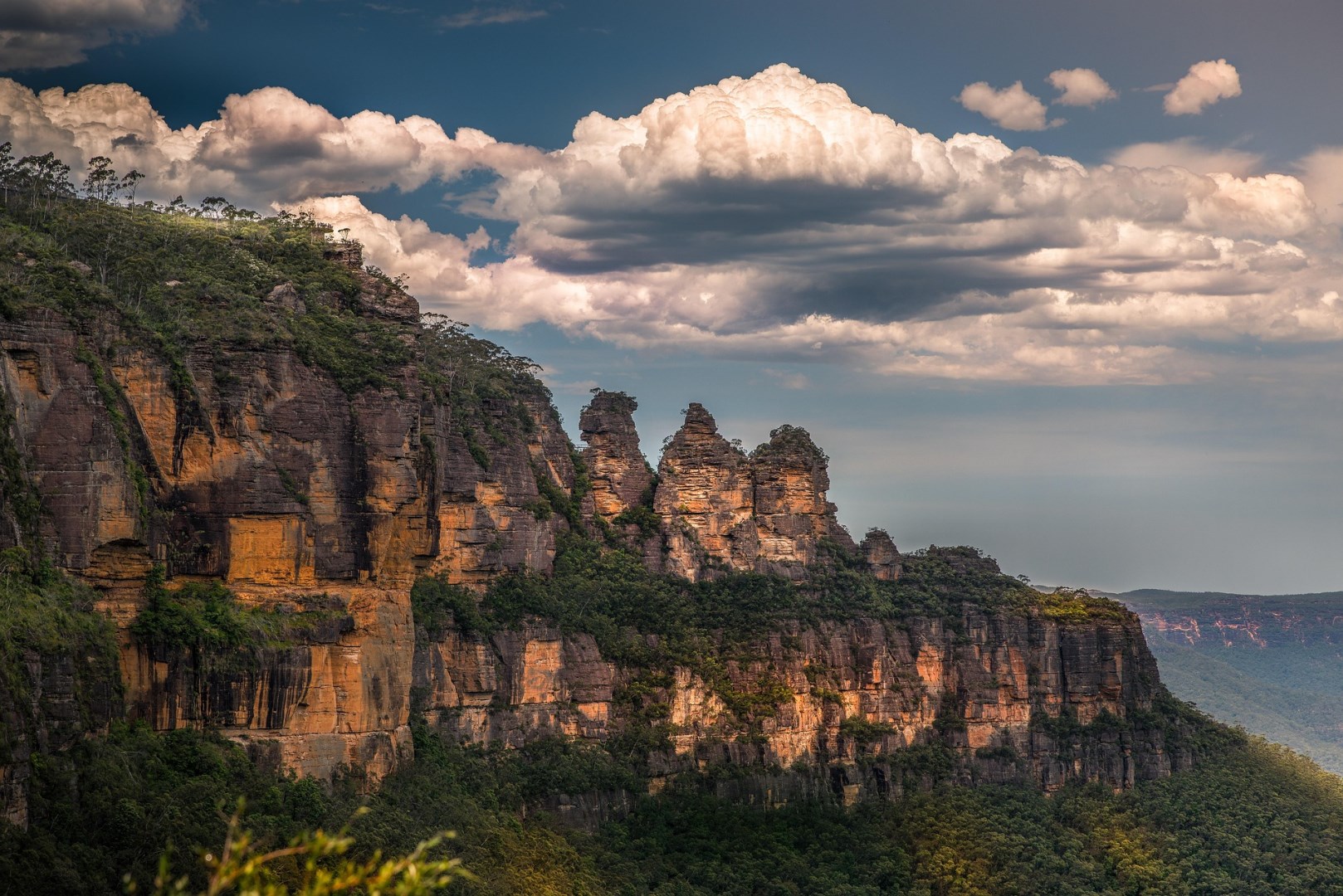
Blue Mountains
Indulge your taste for romance, drink in the clear mountain air, walk through the world-famous bushland or just relax in front of a roaring log fire. Located less than two hour's drive from Sydney, the Blue Mountains offer a natural wonderland of untamed bush, spectacular rock formations and native wildlife.
