
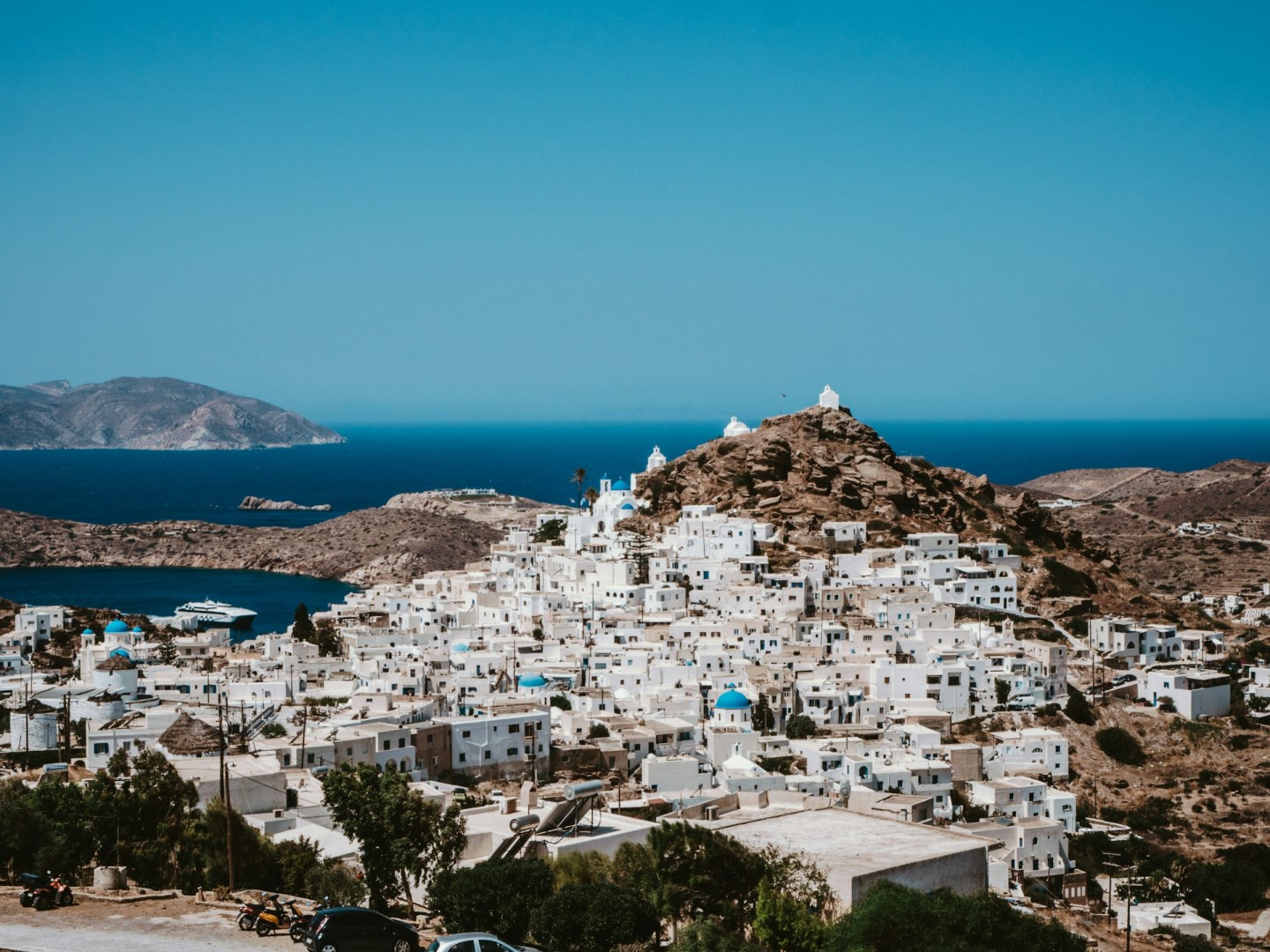
Ios
The coastline of this mountainous island is dotted with chapels, olive trees, vineyards and small exotic coves.
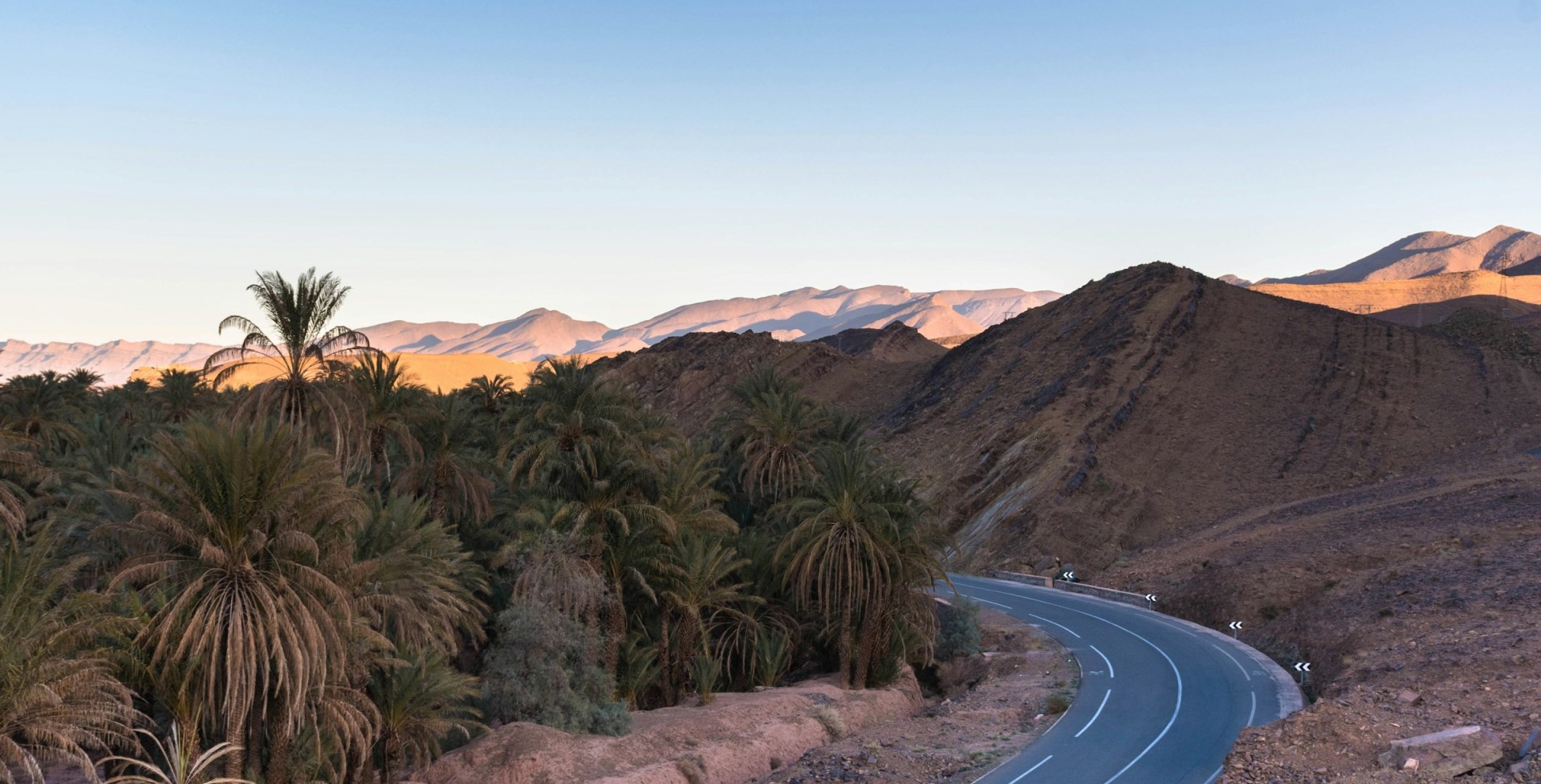
Agdz
Agdz is a small town in Morocco’s Drâa Valley, positioned between the High Atlas Mountains and the long oasis corridor leading toward the Sahara. The town sits beside the Drâa River, where irrigated gardens and dense stands of date palms contrast with the surrounding dry hills. Agdz has traditionally served as a stopping point along routes crossing southern Morocco, and its location still makes it a useful base for exploring the valley.
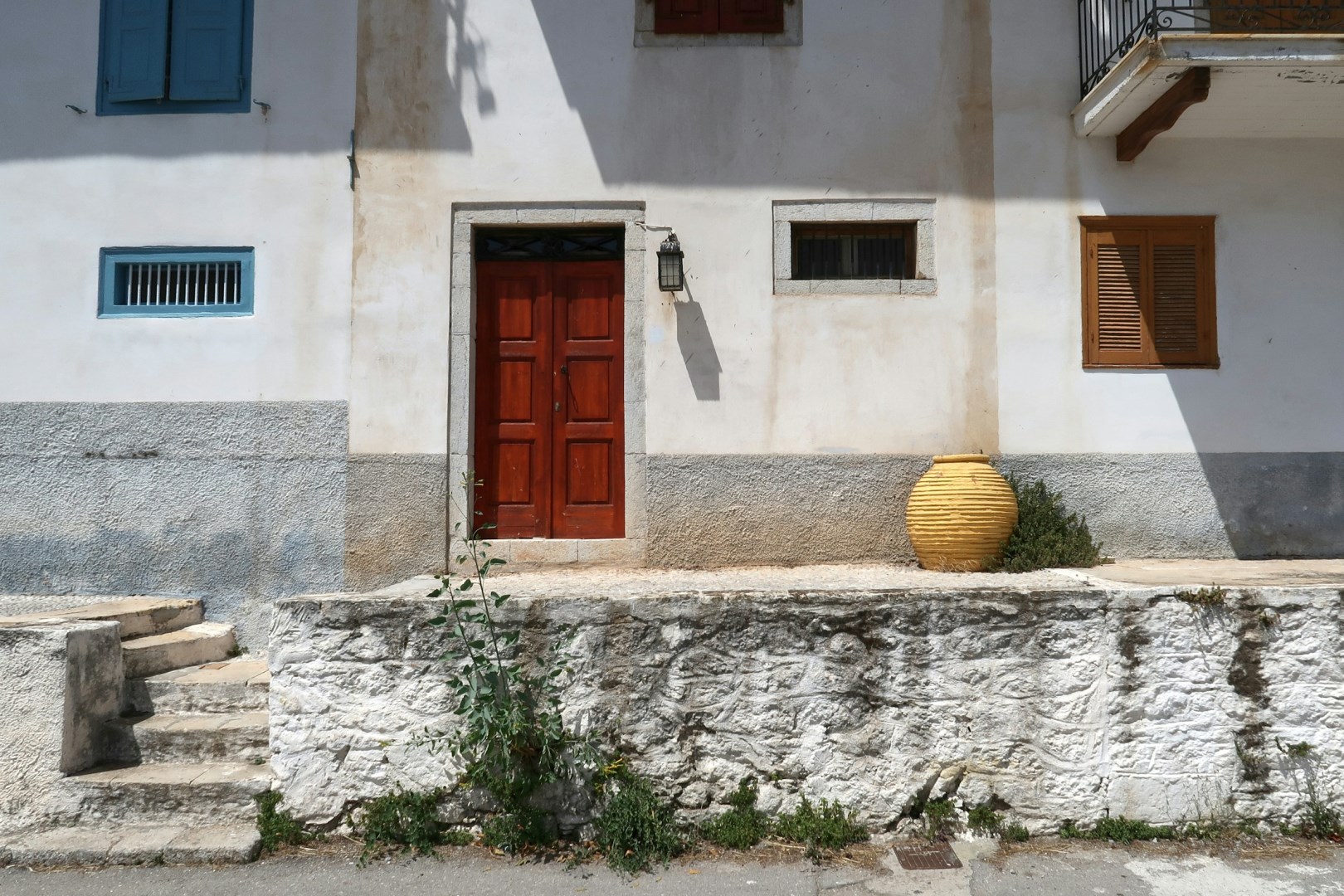
Itea
Itea is famous for its honey and olives. That said, it is the perfect little town to stay in as a starting point for day trips to such places as Delphi, one of the most popular and interesting archaeological sites in the world, and Amphissa, the capital of prefecture. Itea is also host to many festivals in the winter and summer months.

Oman
Oman stands among the oldest independent states in the Arab world, with evidence of human habitation stretching back over 100,000 years. Its capital, Muscat, rises gently against limestone hills with no skyscrapers to interrupt its skyline. Visitors find broad avenues lined with stunning buildings leading to landmarks like the Sultan Qaboos Grand Mosque and the Royal Opera House, both offering glimpses into Omani artistry and modern elegance.
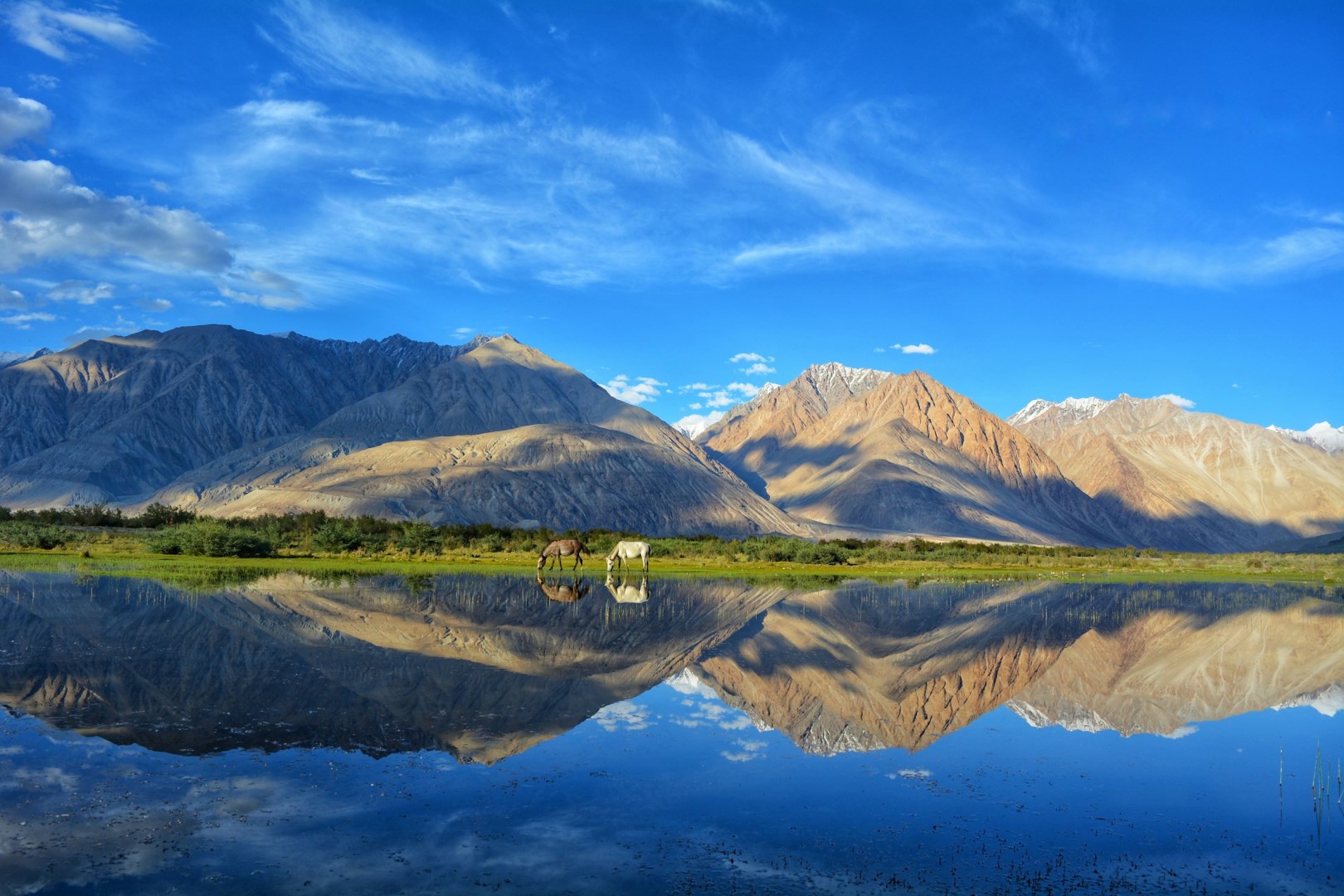
Leh
Leh is the principal town of Ladakh, set in a high mountain valley surrounded by the Ladakh Range and shaped by the Indus River system. At an elevation of roughly 3,500 metres, it is known for its dry climate, rugged mountains, clear skies, and compact old town of whitewashed buildings. Leh also serves as a major base for journeys into Nubra Valley, Pangong Lake, and other parts of Ladakh. Its location between major Himalayan ranges has long influenced settlement, trade, agriculture, and the dis
