

Mâcon
Mâcon is a riverside town in the Saône et Loire department of southern Burgundy, set where the Saône River curves gently through the countryside. Walking through the town naturally leads visitors from the riverfront toward its historic streets, where the past seems to linger in every corner. In the heart of Mâcon’s historic district, pedestrians find streets lined with notable sites.
Morondava
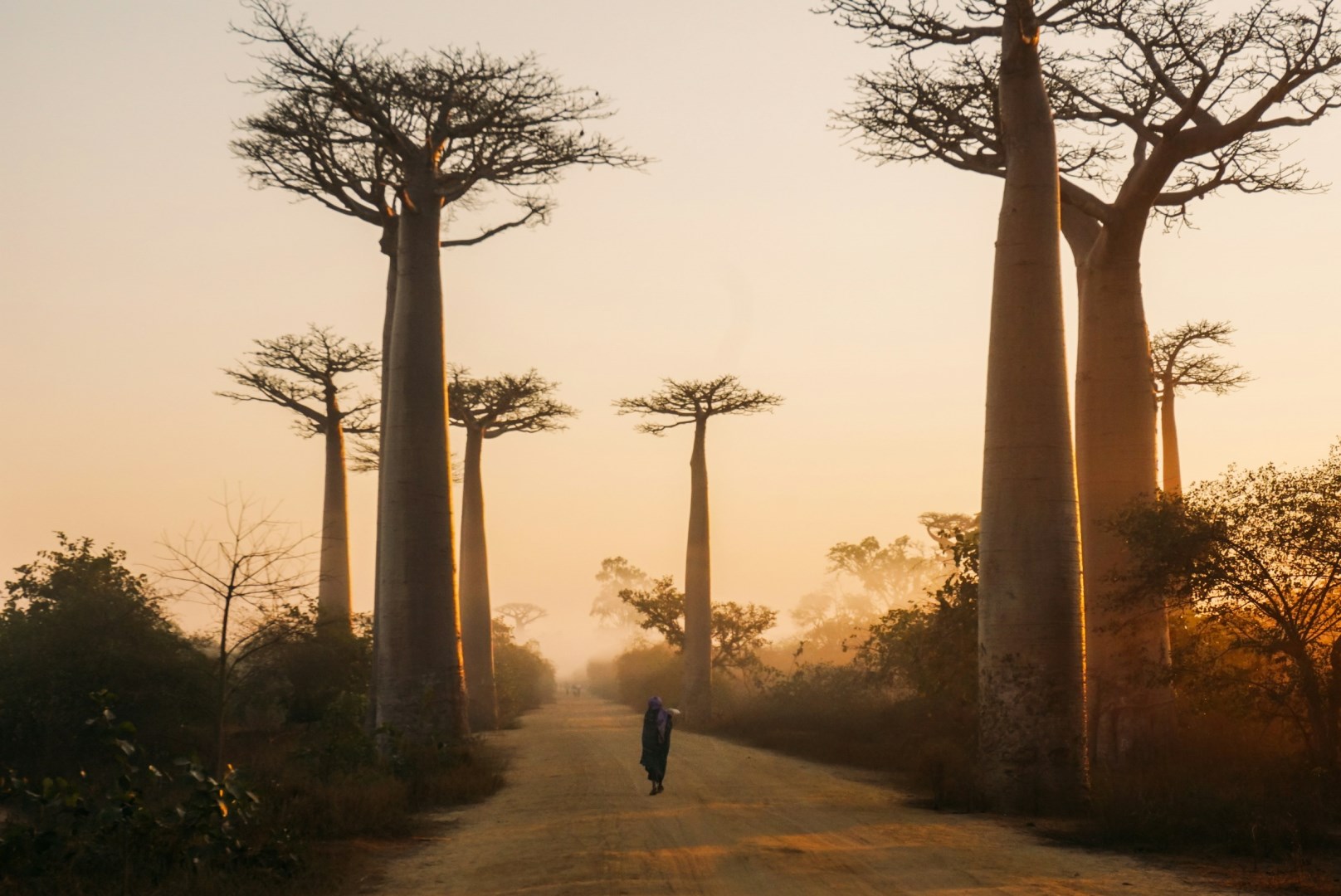
Morondava is a coastal town in western Madagascar and the capital of the Menabe region. Located along the Mozambique Channel, it serves as a base for exploring the dry landscapes and wildlife of western Madagascar. The town is closely associated with the Avenue of the Baobabs, one of the country’s best-known natural landmarks, and with the dry forests around Kirindy. Morondava’s setting is shaped by sandy coastal areas, river systems, dry woodland, and open plains.
Portage Glacier
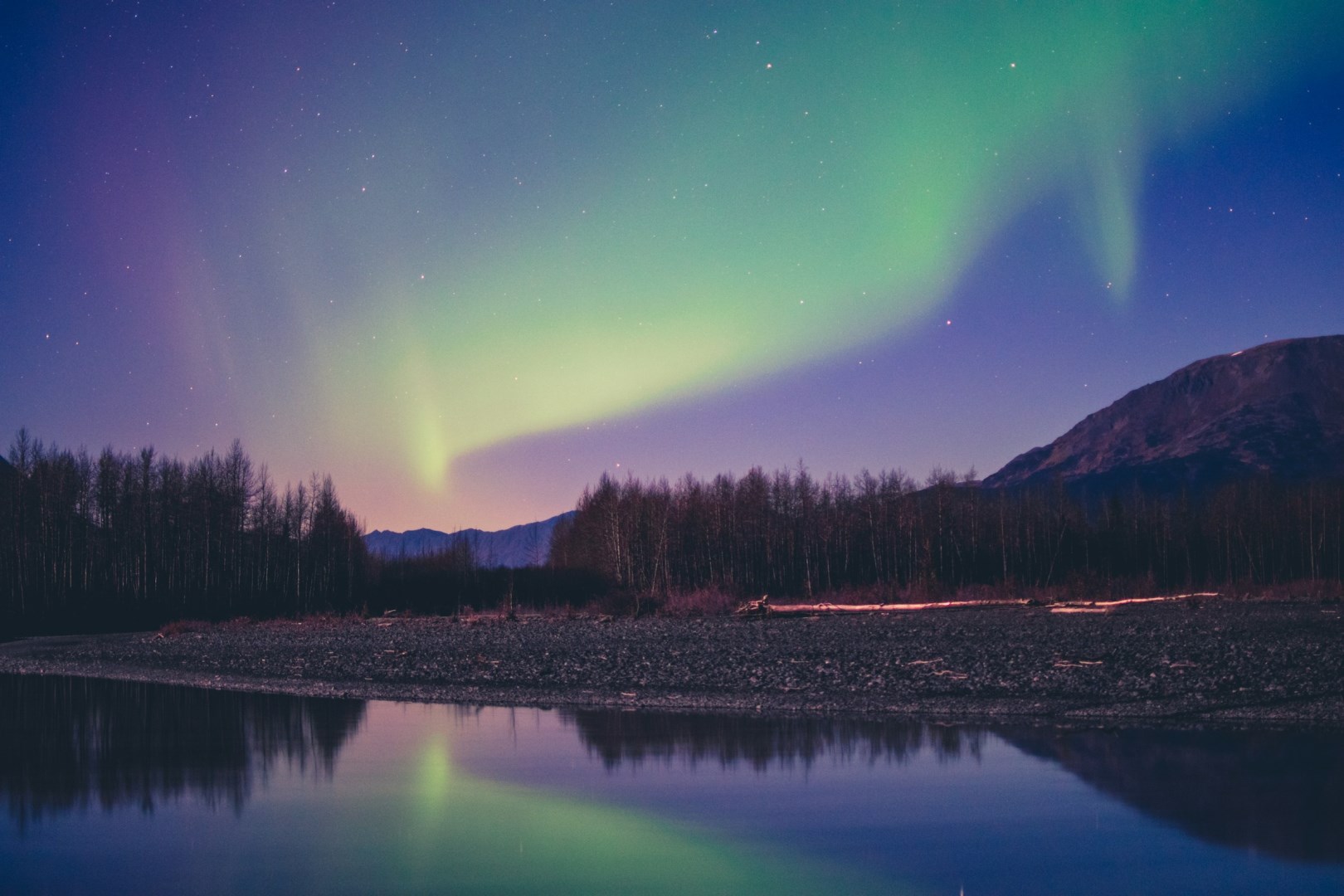
Portage Glacier, an hour's drive from Anchorage, is Alaska's most visited tourist attraction.
Nosy Iranja
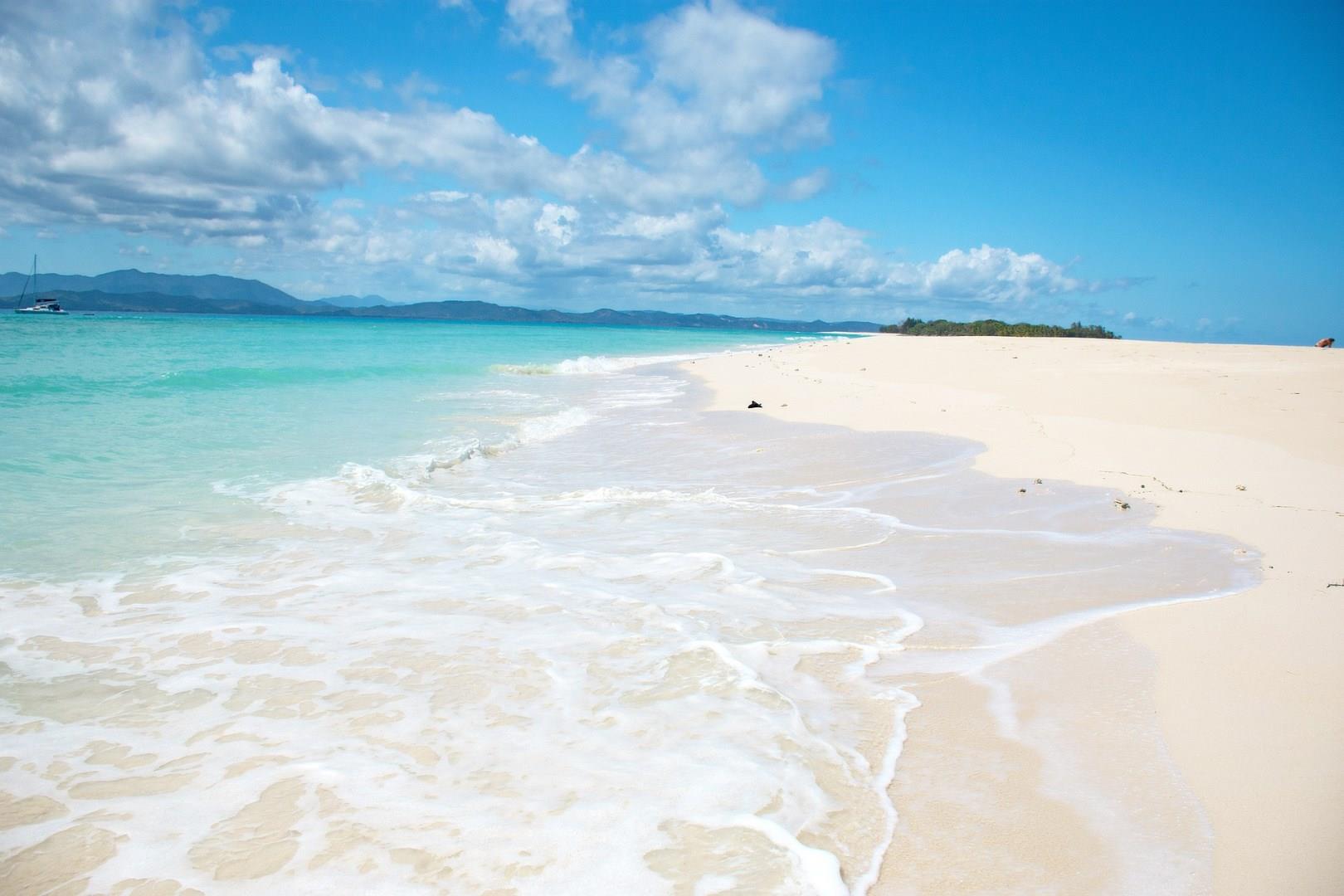
Nosy Iranja, a tropical paradise off the northwest coast of Madagascar, is a must-visit destination for travelers seeking an untouched escape. Known for its stunning natural beauty, Nosy Iranja is actually composed of two islands, Nosy Iranja Be and Nosy Iranja Kely, connected by a striking sandbar that appears at low tide. Visitors can stroll across the white sands with crystal-clear turquoise waters on either side, creating an otherworldly experience of walking between two islands.
Saint Louis
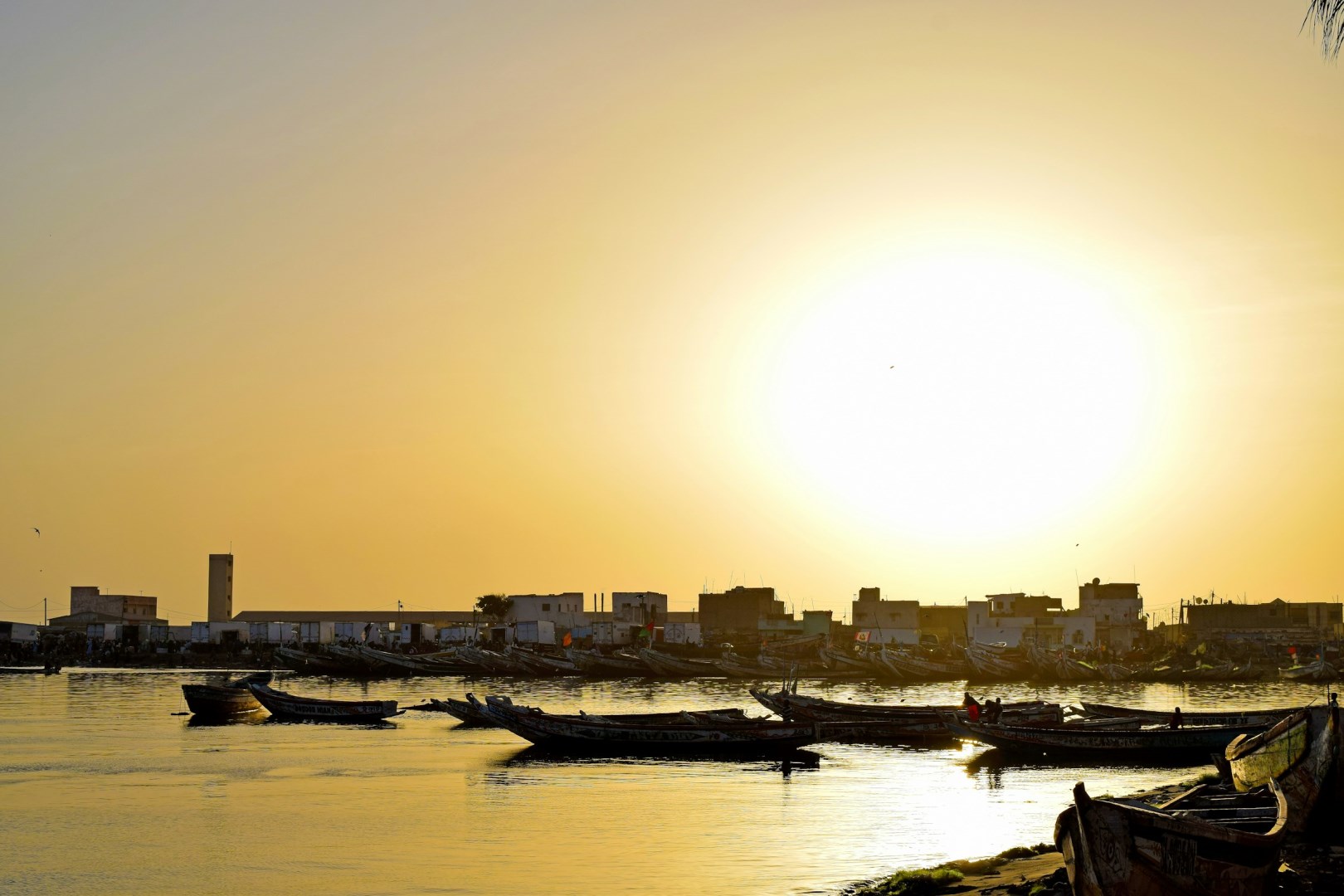
Saint-Louis is a historic city in northern Senegal, positioned on an island at the mouth of the Senegal River where the river meets the Atlantic Ocean. Its distinctive setting between waterways has shaped the city’s architecture, economy, and daily life. The historic island is recognized as a UNESCO World Heritage Site for its regular street plan, waterfront quays, colonial buildings, and distinctive balconies and galleries.
