
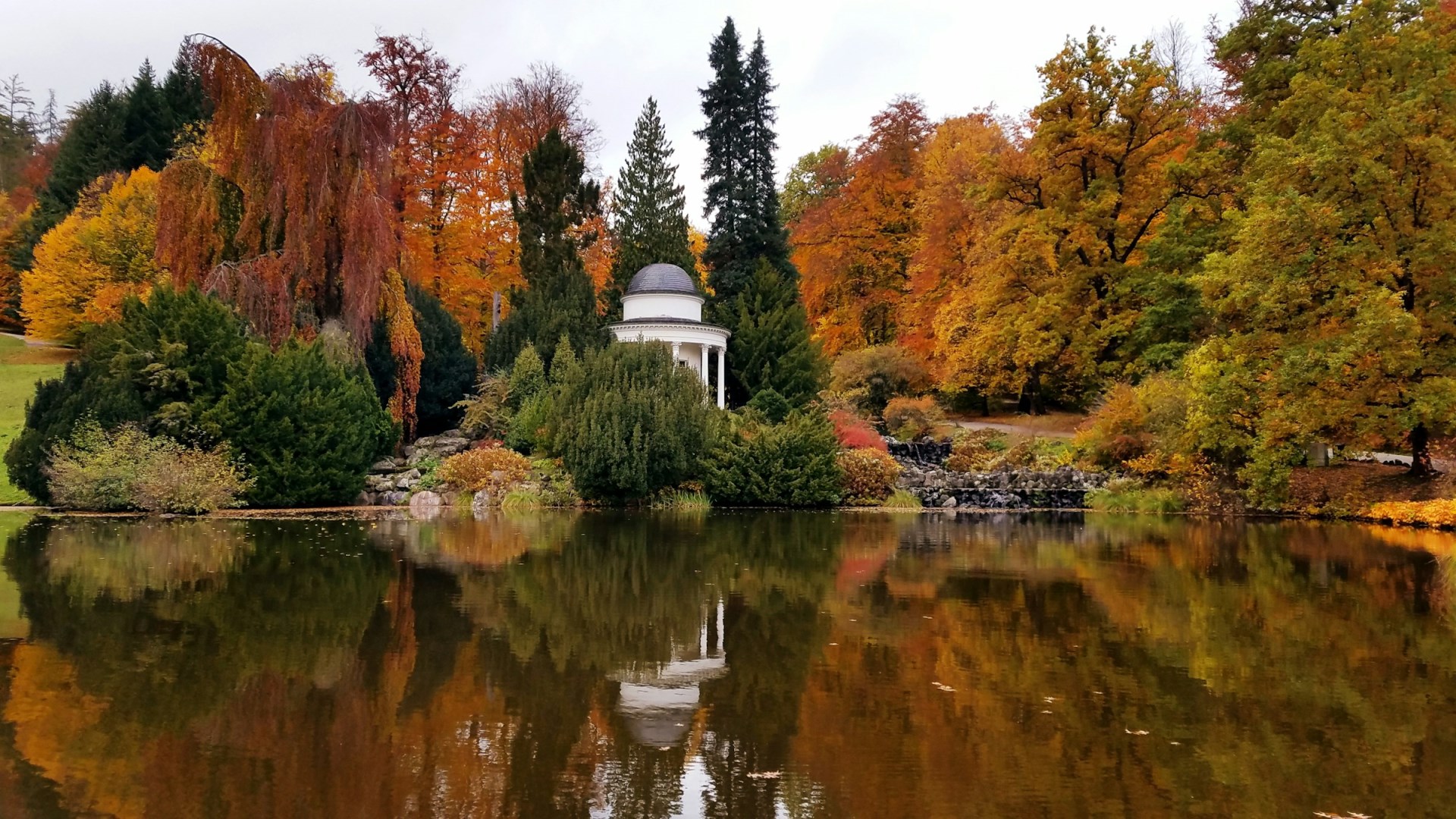
Kassel
Nearly 80% of the city was destroyed in WWII. It is now known for its many museums, including the Museum of Tapestry, the Brothers Grimm Museum and Fredericianum Museum.
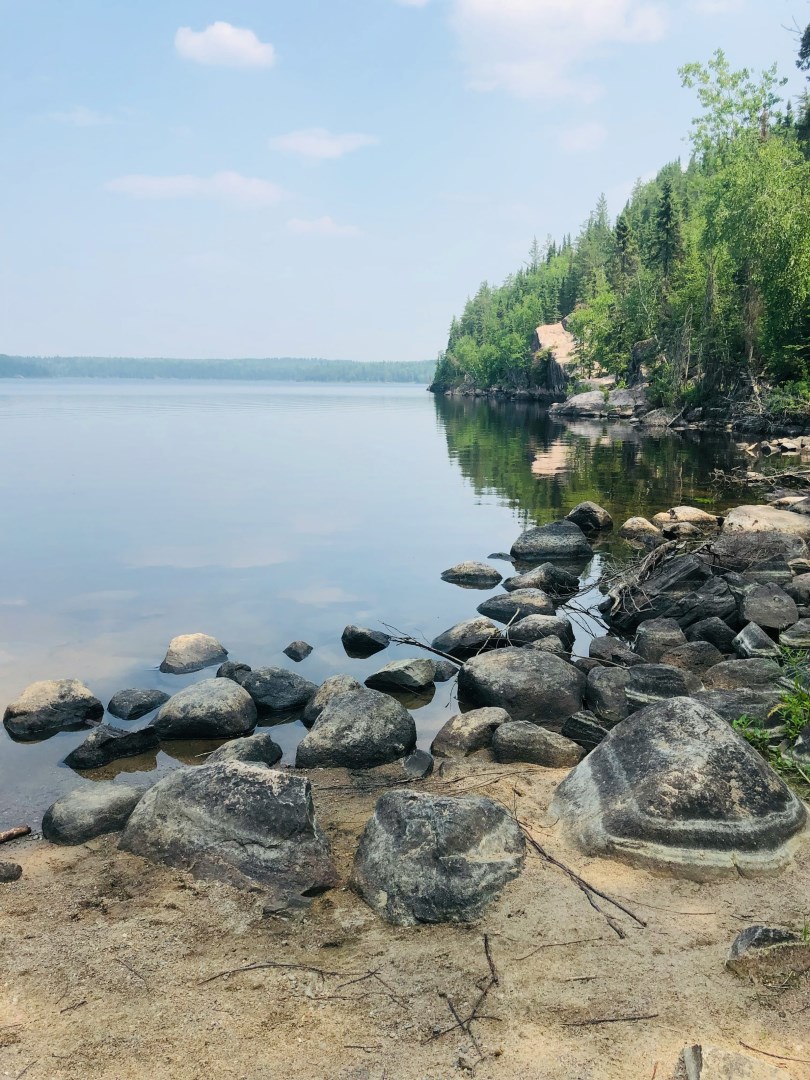
Manitoba
Winnipeg is Manitoba's capital, and its total area equals 250,999 sq. miles. The northern half of the province has dense forests, and mineral-rich soil, while the southern half produces wheat.

Ballestas Island
Ballestas Islands are a group of rocky islands off the coast of Paracas in Peru’s Ica Region, within the marine ecosystem influenced by the cold Humboldt Current. The islands consist of North, Central, and South Ballestas and are protected as part of the National Reserve System of Islands, Islets and Guano Points. Their steep rock faces, arches, caves, and eroded formations rise directly from the Pacific Ocean. The islands are best known for their concentration of marine wildlife.
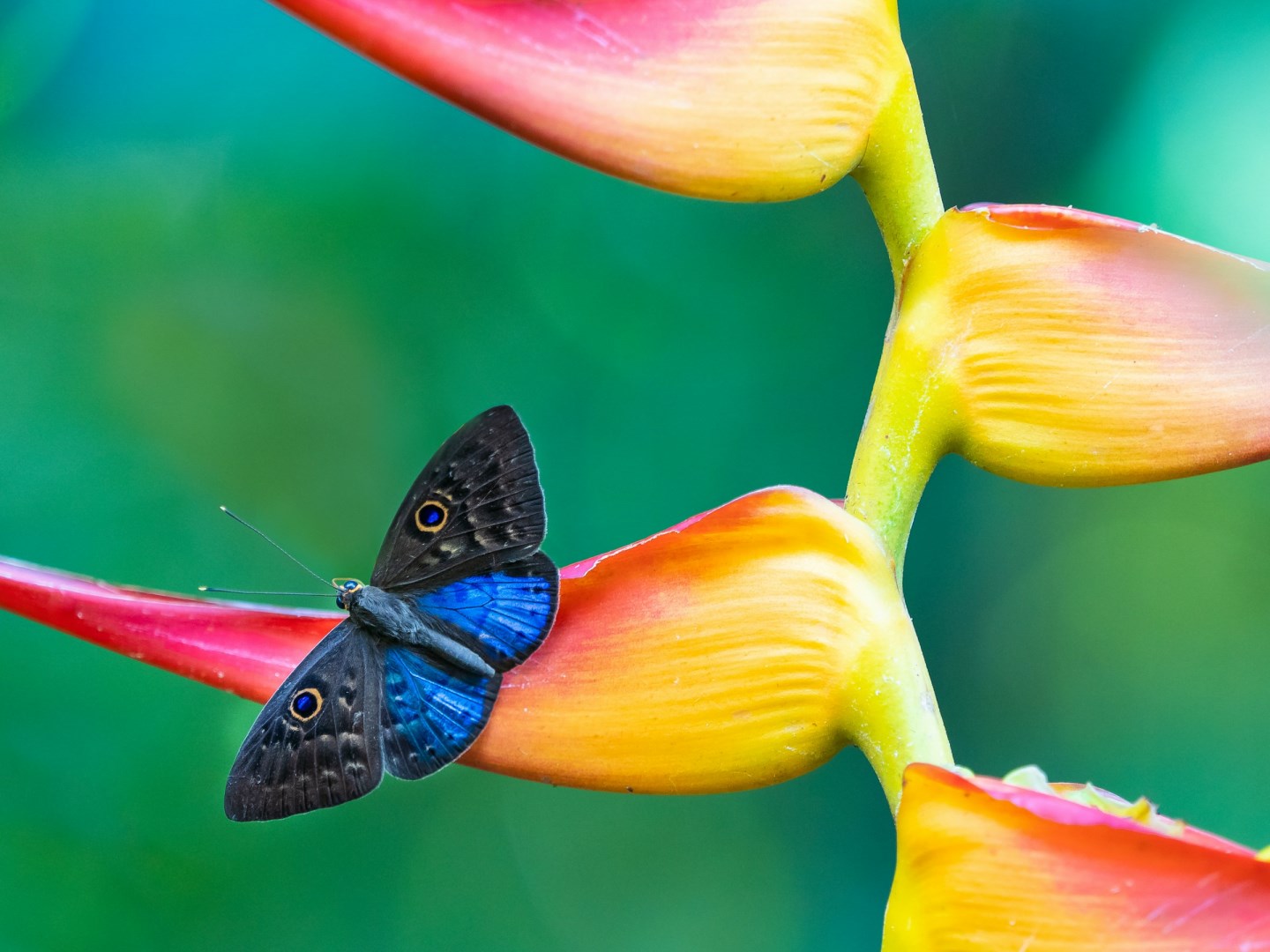
Quepos
Quepos is a coastal town in Puntarenas Province on Costa Rica's central Pacific coast, situated beside the Quepos River and a sheltered bay. The town serves as a regional center for fishing, agriculture, tourism, and transportation, with a marina and waterfront areas overlooking the Pacific. Quepos is also one of the main gateways to Manuel Antonio National Park, located a short distance south of town.
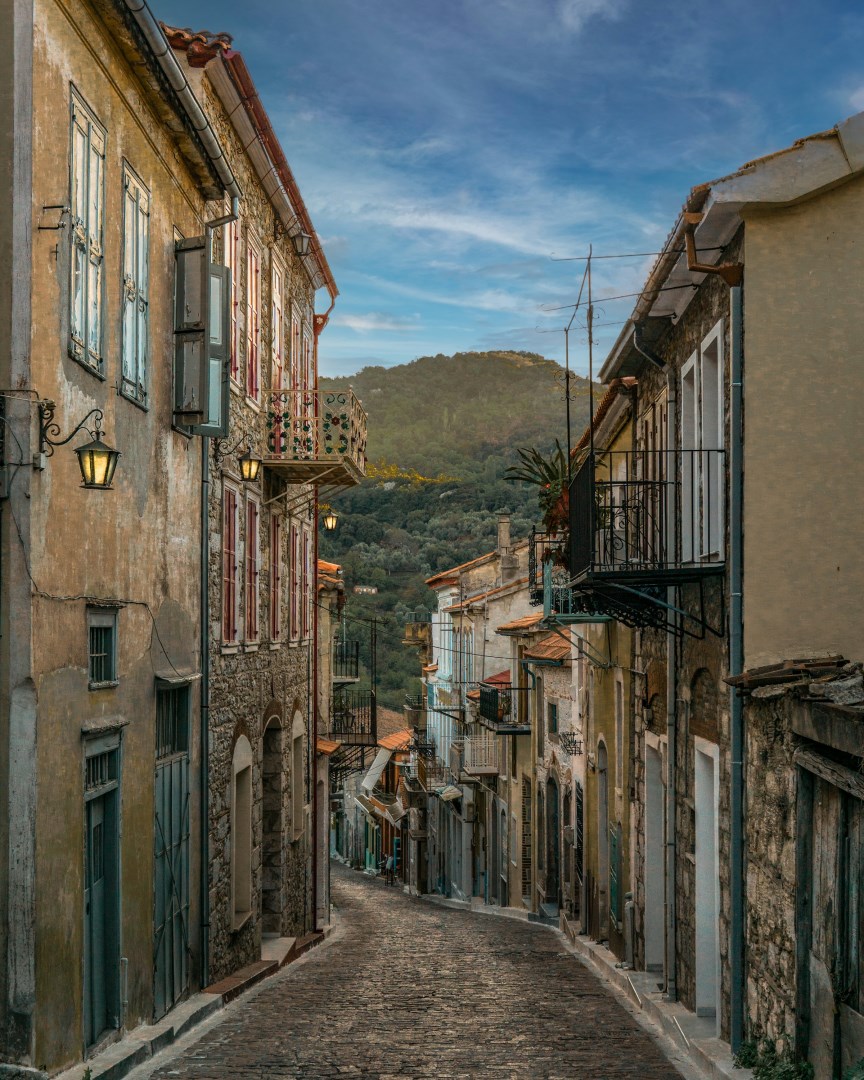
Mytilene
Mytilene, ancient Greek city, the capital of Lésvos (Lesbos), an island in the Aegean Sea. It was colonized in early times by the Aeolians and is known as the birthplace of the poet Sappho and the philosopher Theophrastus. The city became a great naval power and established colonies in Mysia and Thrace.
