
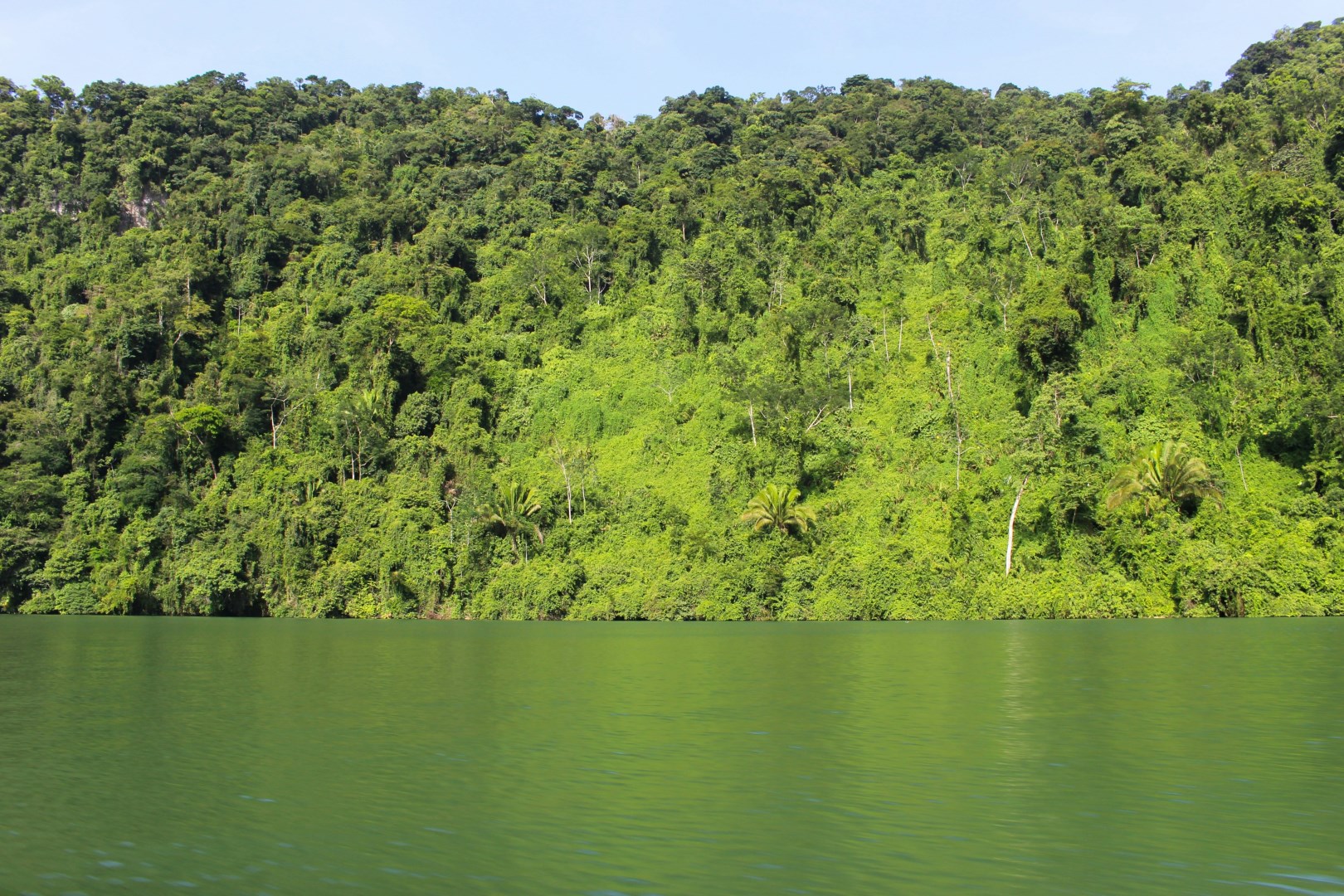
Rio Dulce
Rio Dulce is a river region in eastern Guatemala that connects Lake Izabal to the Caribbean Sea. The area is centered around the town of Fronteras and the long waterway that cuts through tropical forest, limestone cliffs, and wetland habitats.
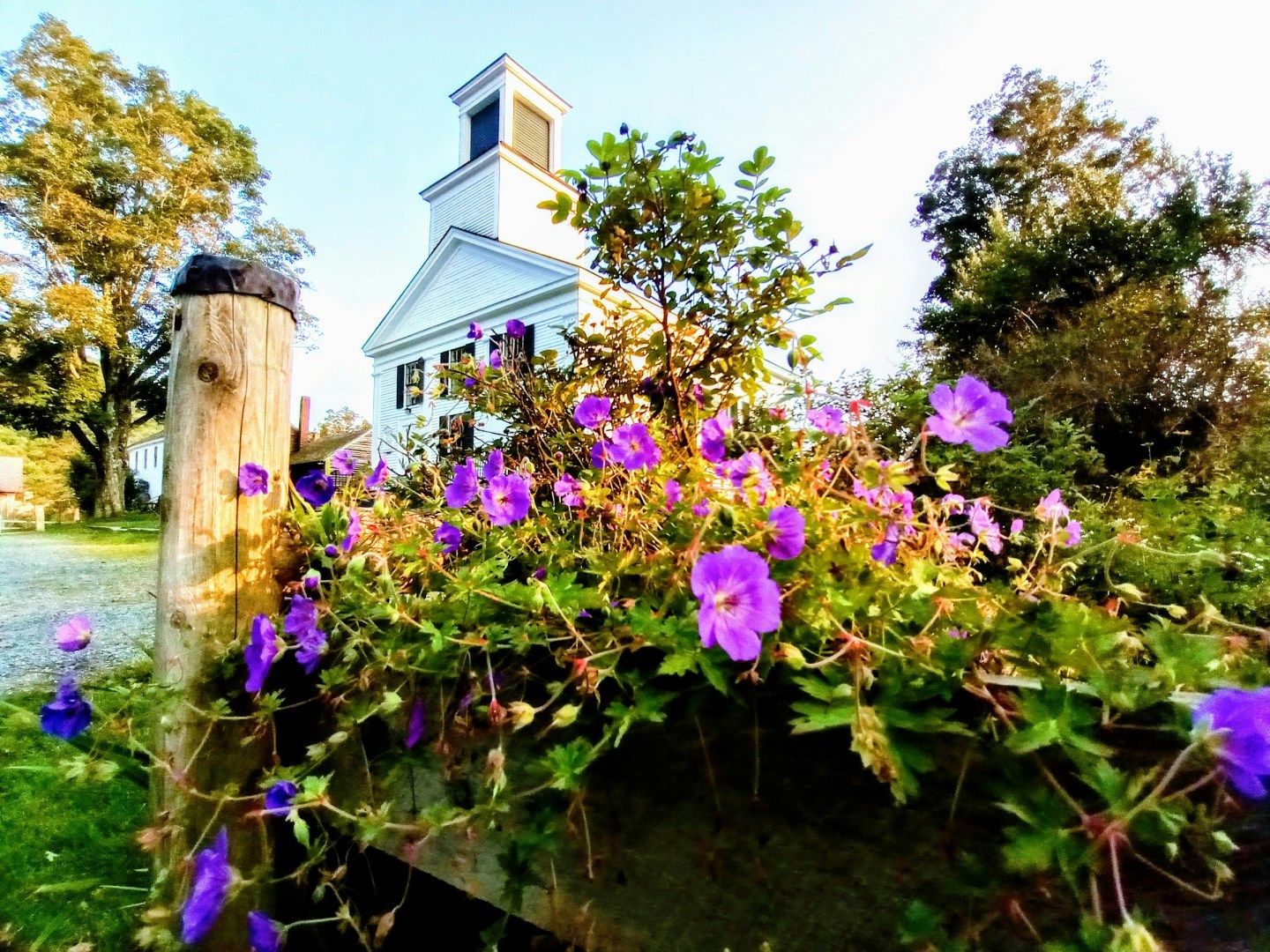
Plymouth
Plymouth is a rural town in central Vermont, set among wooded hills, small farms, ponds, and mountain valleys in the Green Mountain region. The town includes several small settlements, with Plymouth Notch being the best-known because of its preserved historic buildings and connection to President Calvin Coolidge. Much of the surrounding landscape remains forested and lightly developed, with roads following valleys and ridgelines rather than forming a dense urban center.
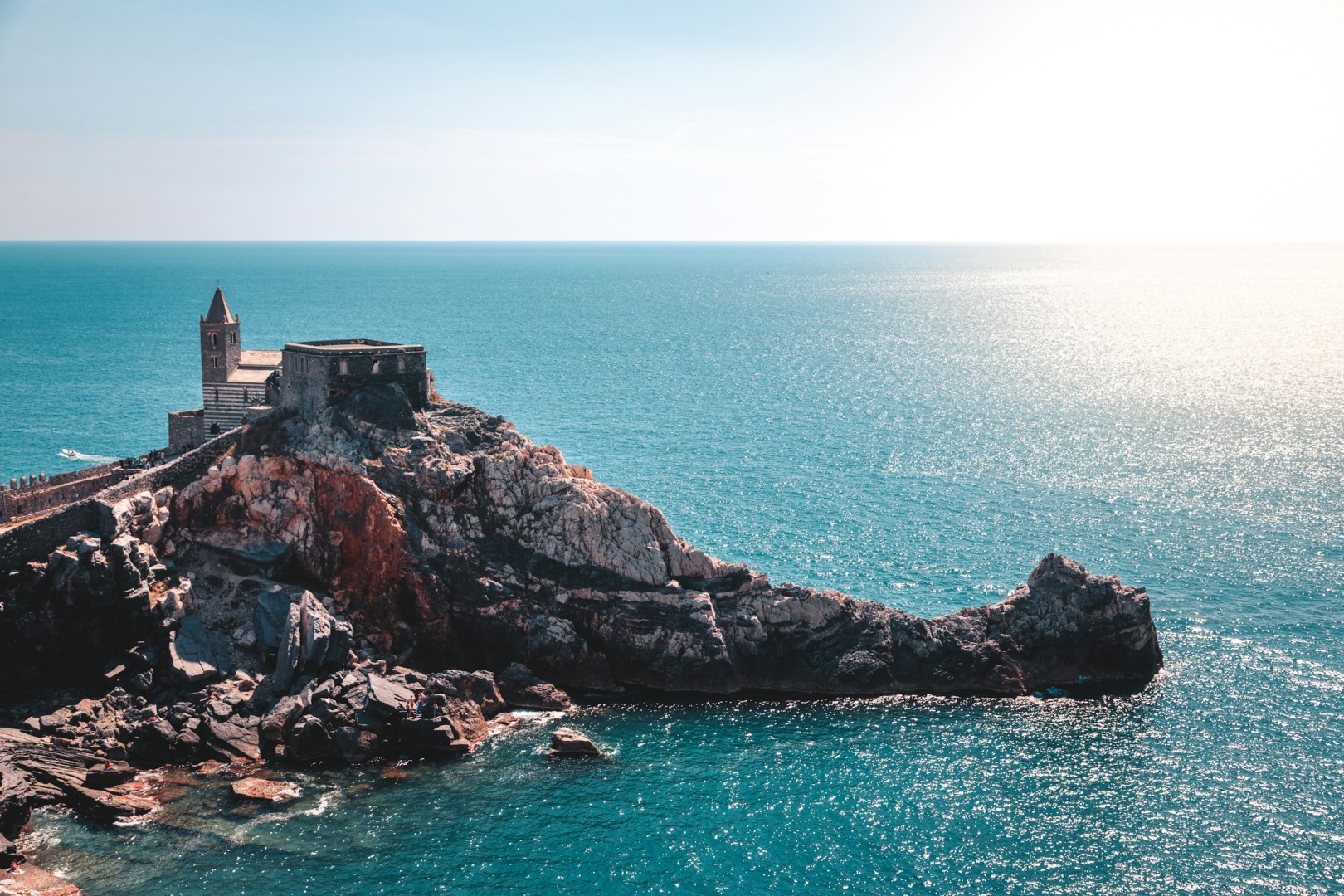
Porto Venere
Porto Venere is a small coastal town on the Ligurian Sea in eastern Liguria, set on a rocky peninsula at the entrance to the Gulf of La Spezia. Its waterfront is lined with brightly colored houses, narrow lanes, and a small harbor, while steep cliffs rise behind the historic center. Offshore, the islands of Palmaria, Tino, and Tinetto form part of the same protected coastal landscape.
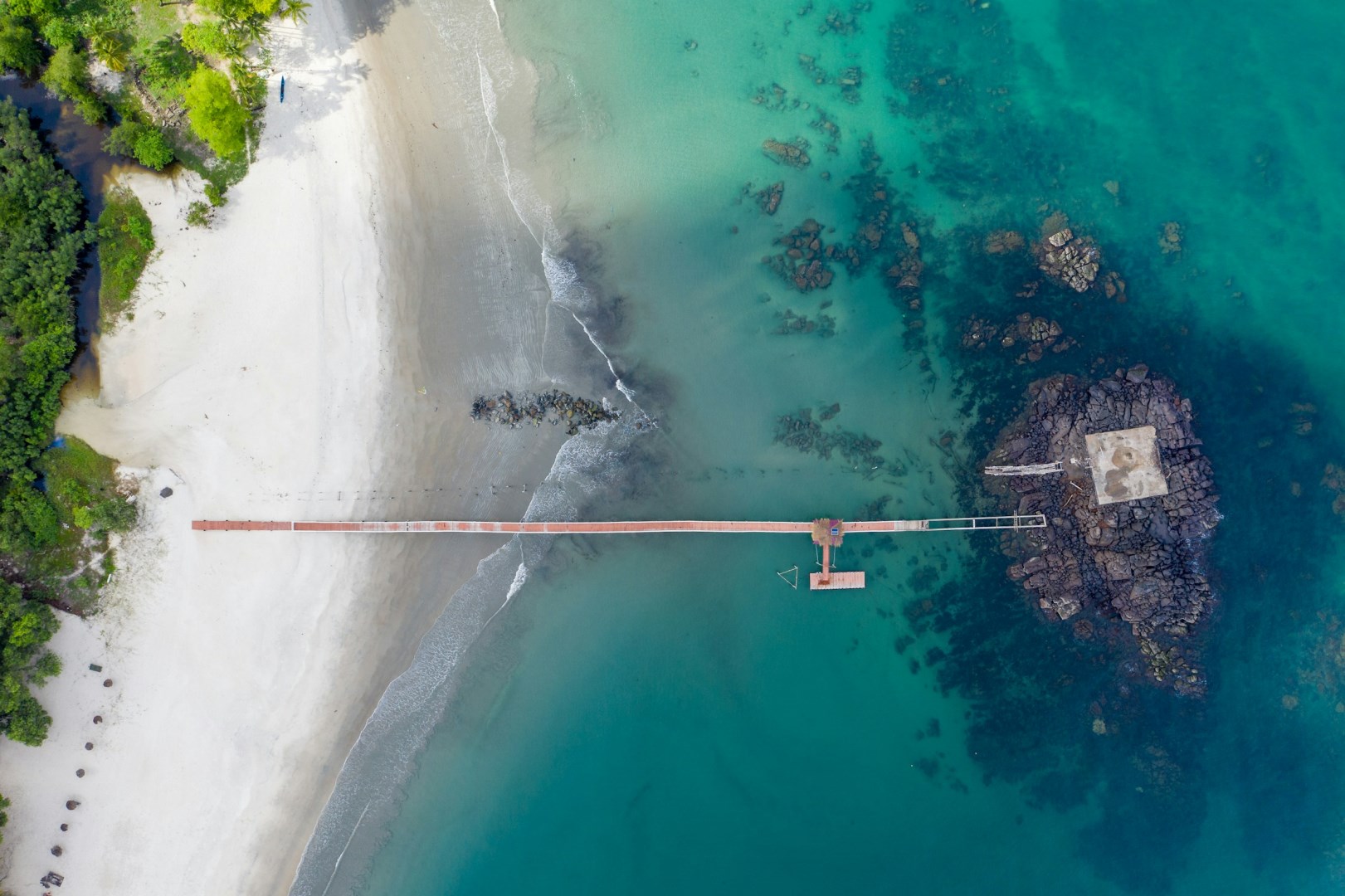
Tokeh
Tokeh is a coastal town on Sierra Leone’s Freetown Peninsula in the Western Area Rural District, between River No. 2 and York. Fishing and tourism are important parts of the local economy, while the town is surrounded by forested hills and the Atlantic Ocean.
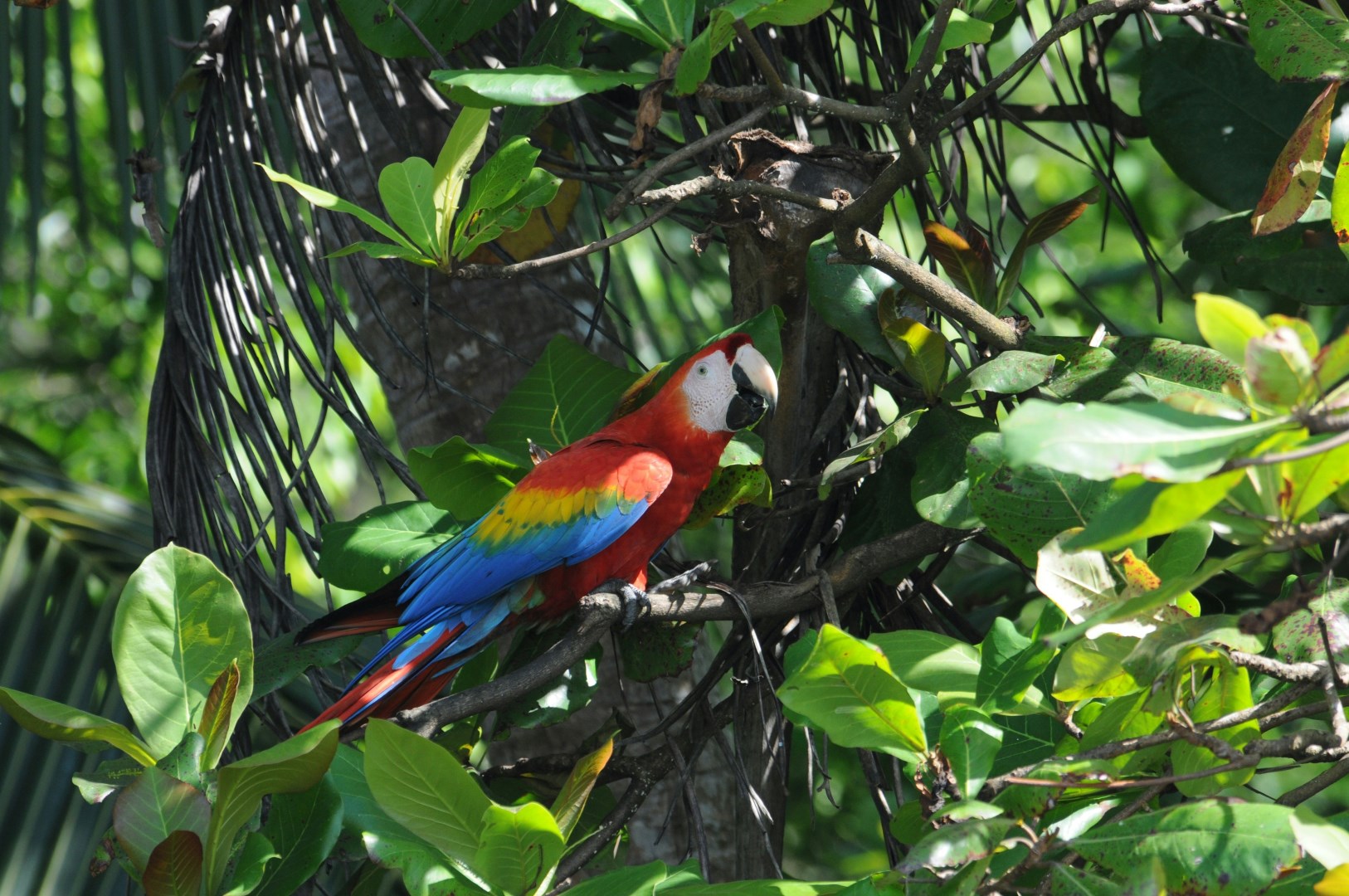
Corcovado
On the remote Osa Peninsula, Corcovado National Park unfolds as a vast stretch of rainforest meeting the Pacific Ocean. This protected area covers a large portion of the peninsula and is often described by scientists as one of the most biologically intense places on Earth. Dense jungle, quiet beaches, and winding rivers sit side by side, creating a landscape where visitors may walk from thick forest into open coastline within minutes.
