
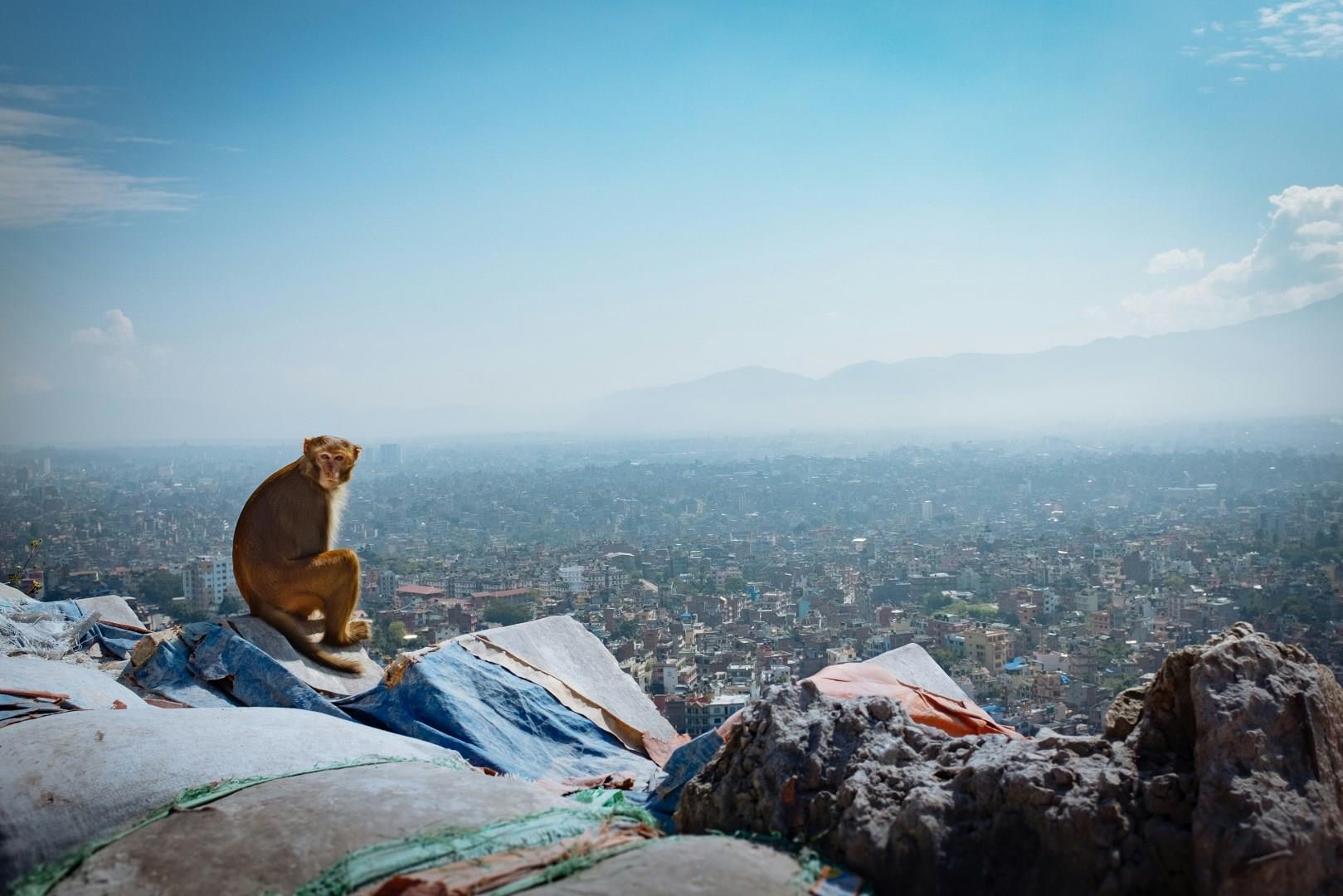
Kathmandu
Home to a number of Hindu and Buddhist temples, beautiful botanical gardens, and ancient palaces, Kathmandu is the perfect place to immerse yourself in Nepali culture, history, and religion.

Saint John
Saint John is a culturally-rich seaport city on New Brunswick's Bay of Fundy. History and natural wonders combine to make this locale a hidden Canadian gem.
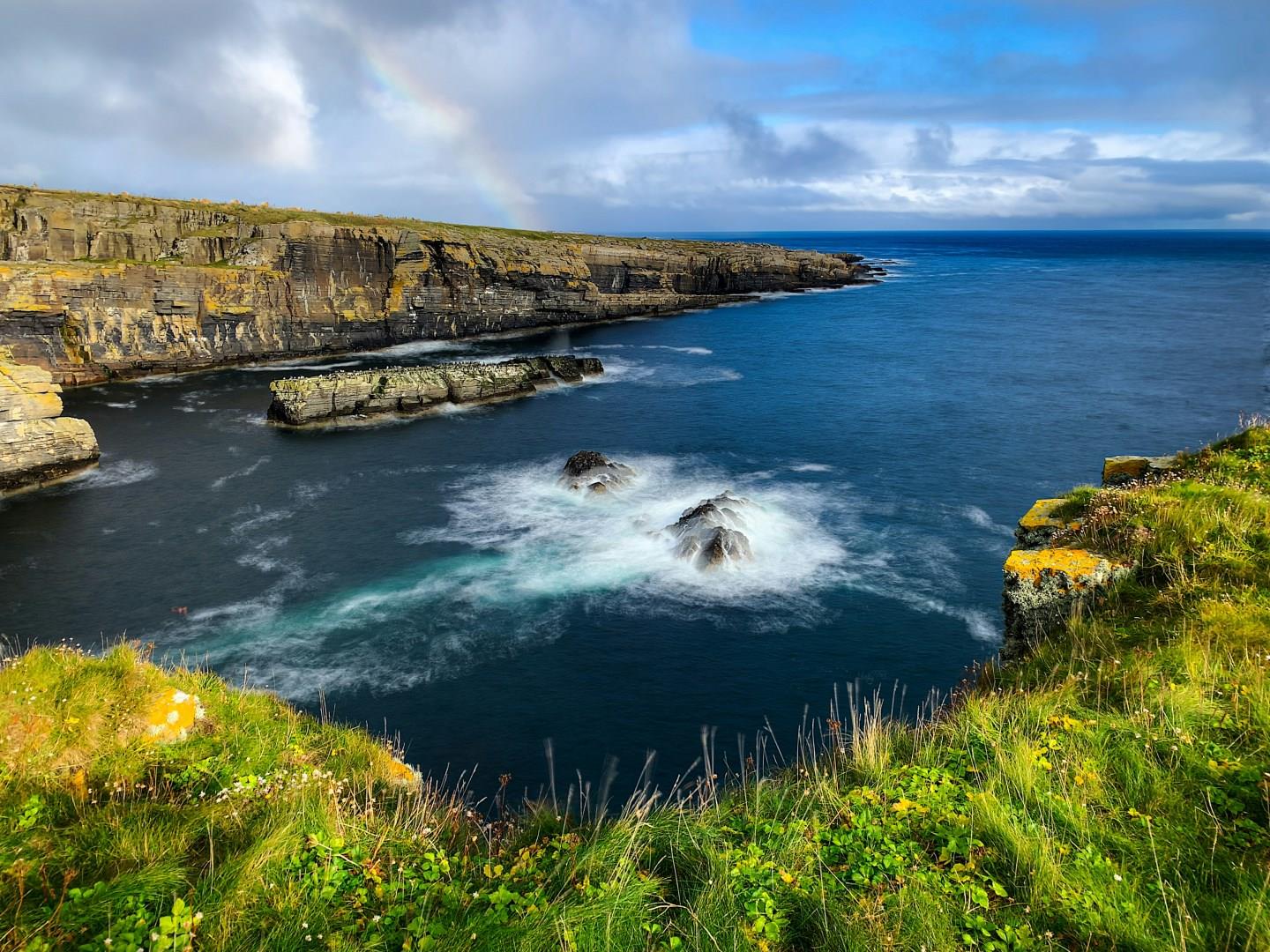
Wick
Wick’s location at the mouth of the River Wick provides a dramatic coastal setting, with cliffs, sandy beaches, and the North Sea stretching into the horizon.
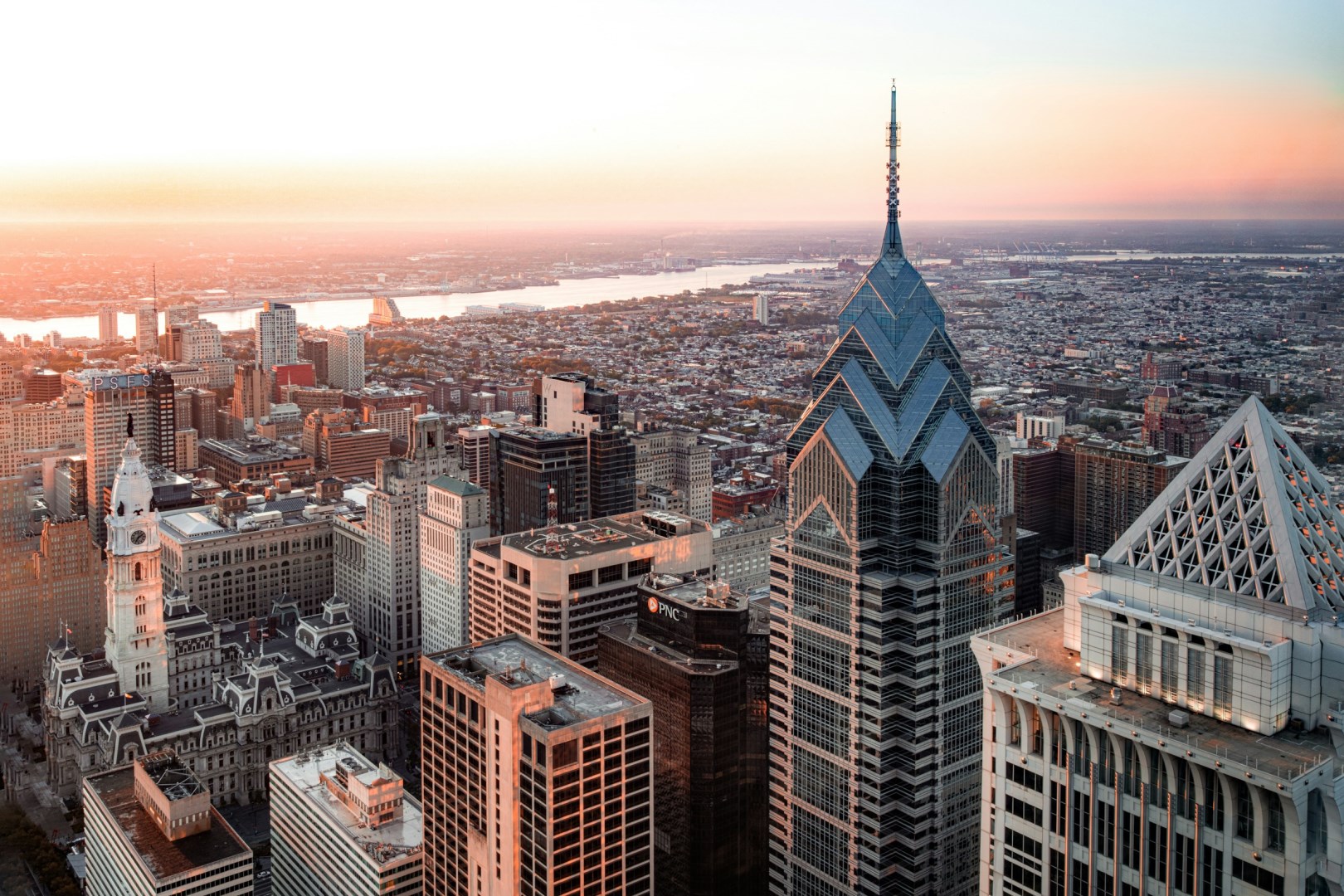
Philadelphia
Philadelphia, the birthplace of American democracy, offers visitors a rare opportunity to walk through the very streets where the nation’s founding ideals were debated, signed, and set into motion. The city's art scene is as bold as its history. The Philadelphia Museum of Art is home to works by Van Gogh, Duchamp, and an entire Japanese teahouse, but it might be better known for the "Rocky Steps" out front, where visitors recreate the famous movie scene daily.
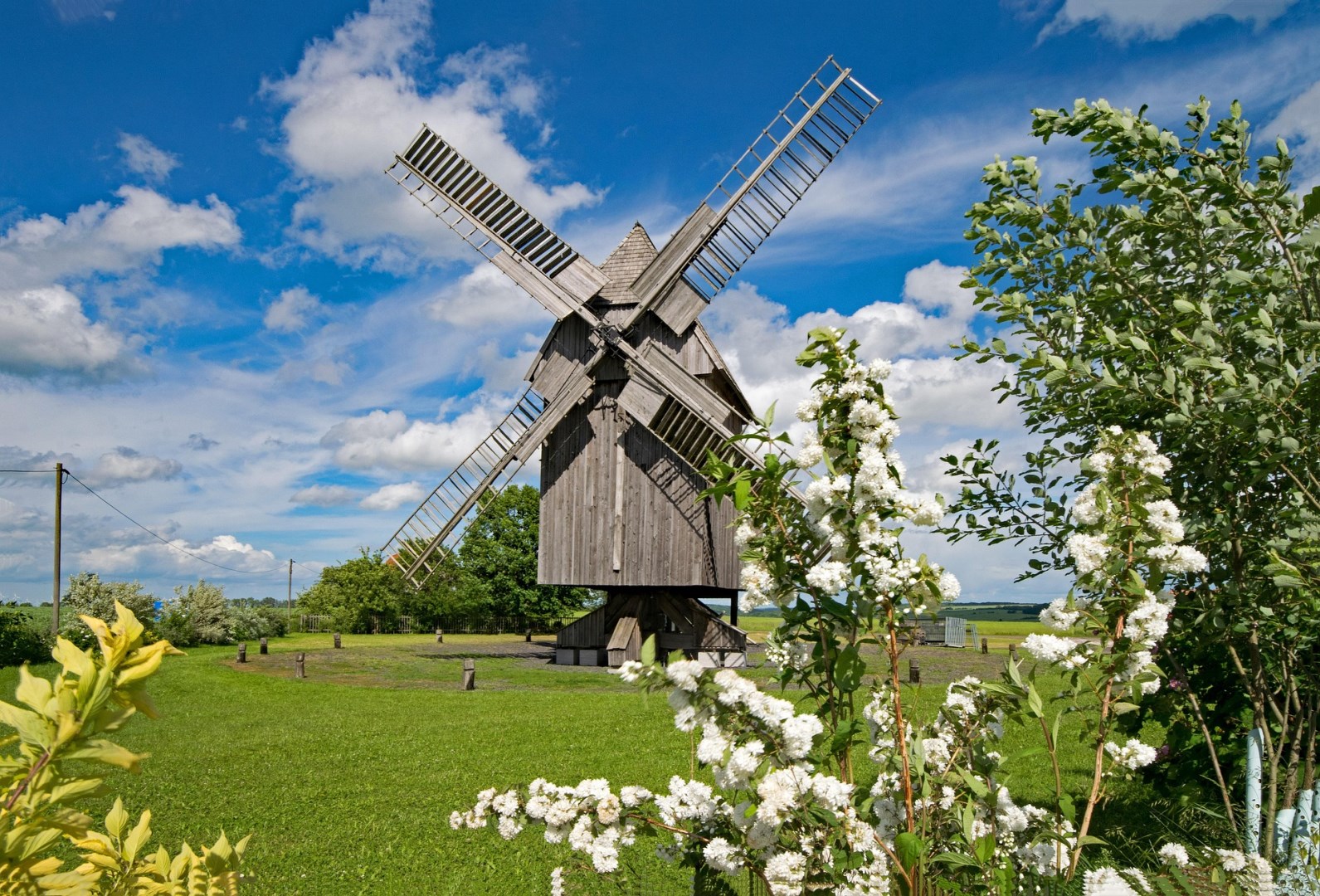
Jena
Jena is surrounded by limestone slopes about 400 m high, botanical and geological features ,amongst which are 40 types of orchids. Jena is also famous for the Optical Museum.
