
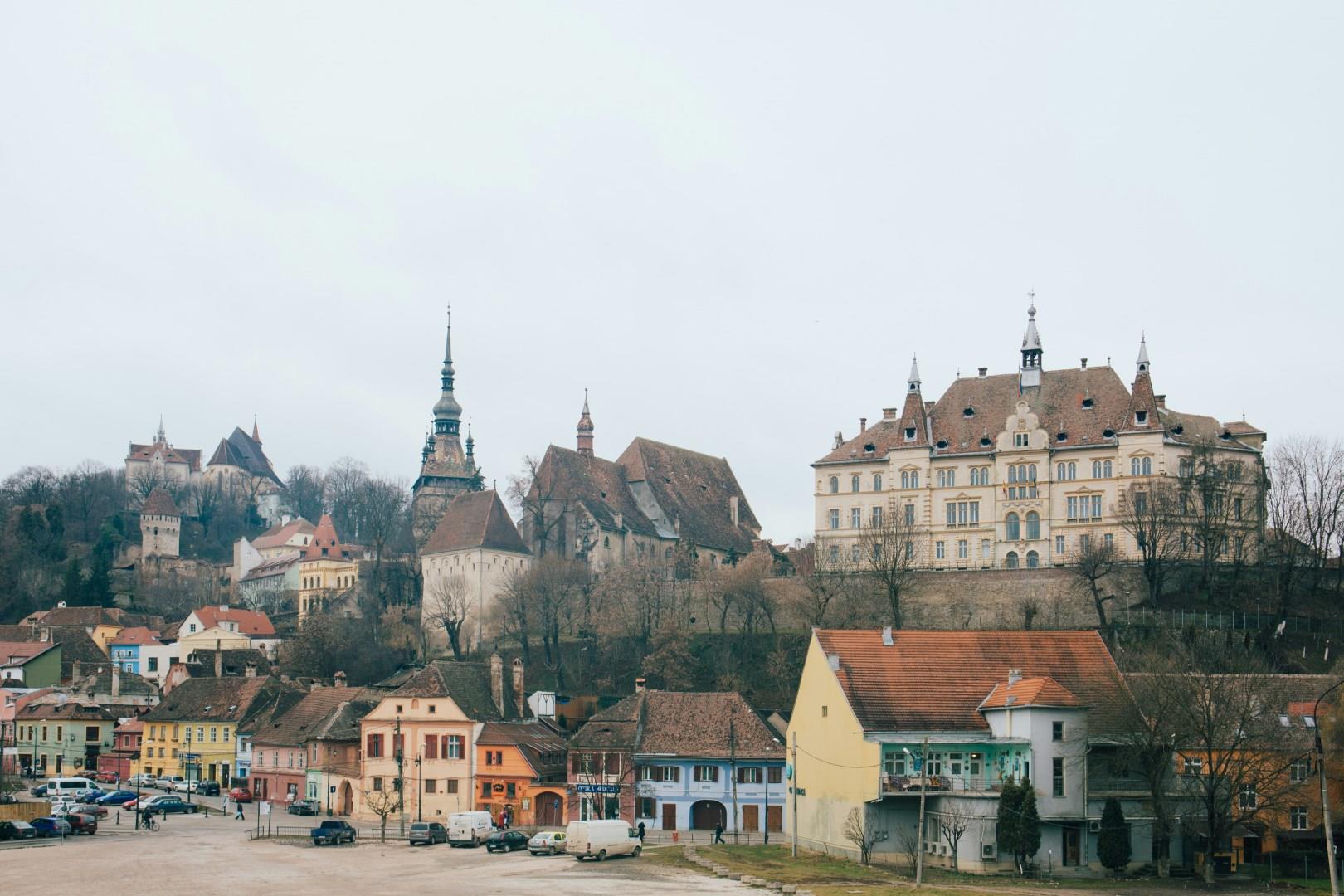
Sighisoara
Sighisoara rises above the Târnava Mare River as one of the few medieval citadels in Europe that is still lived in and admired today. Its historic center has been on the UNESCO World Heritage List since 1999, recognized for its long history as a fortified Saxon settlement and its role in trade and defense on the edges of central Europe. Wander through cobbled alleys framed by pastel-colored houses, and the layers of time feel close at hand, from the city walls and guild towers to busy cafés.
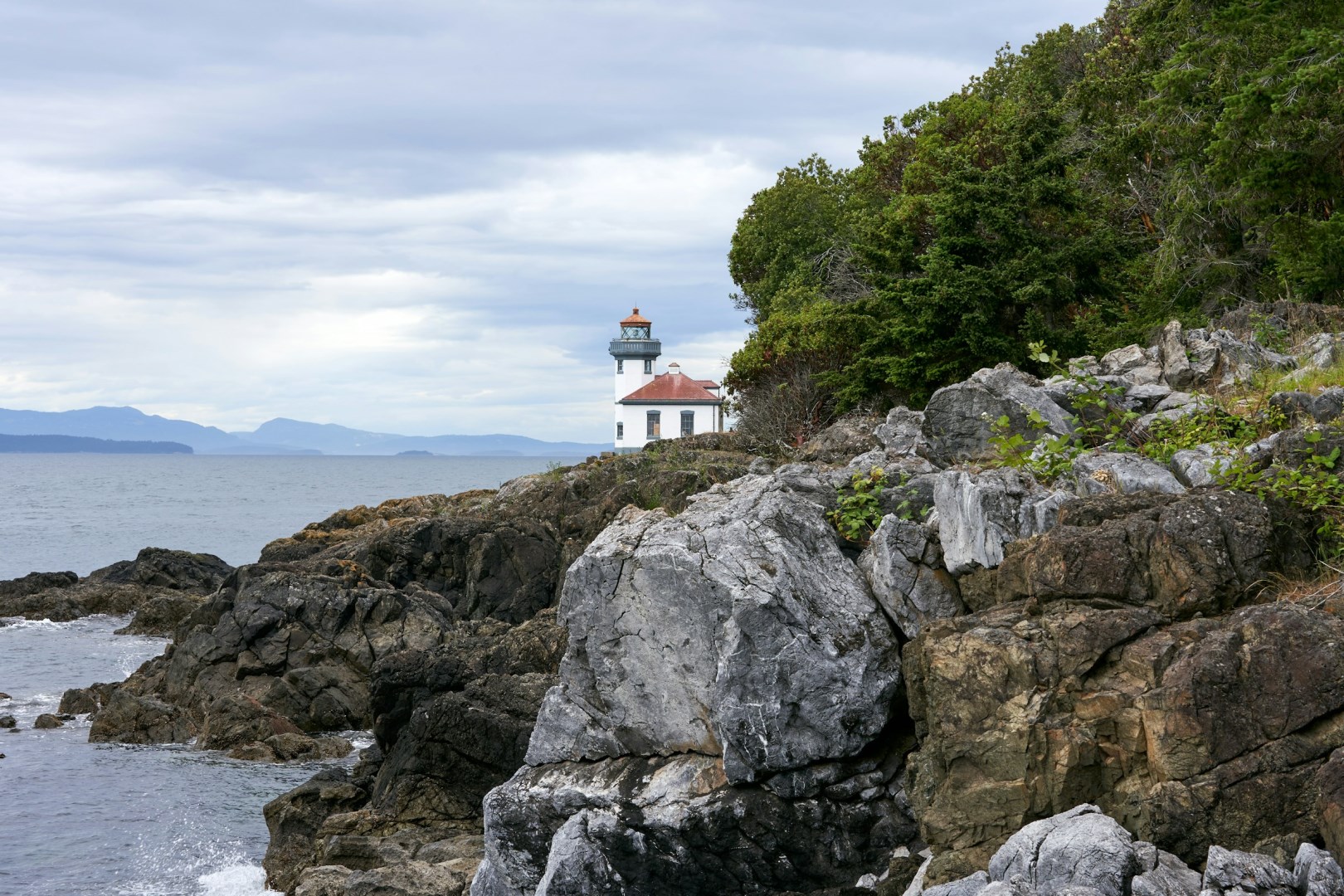
San Juan Islands
Some of the most spectacular scenery is found on a trip to the San Juan Islands. No wonder. This 100-million-year-old mountain range turned archipelago, located a few miles northwest of Seattle, changes dramatically with the tide. There are 743 islands at low tide--and 428 at high tide.
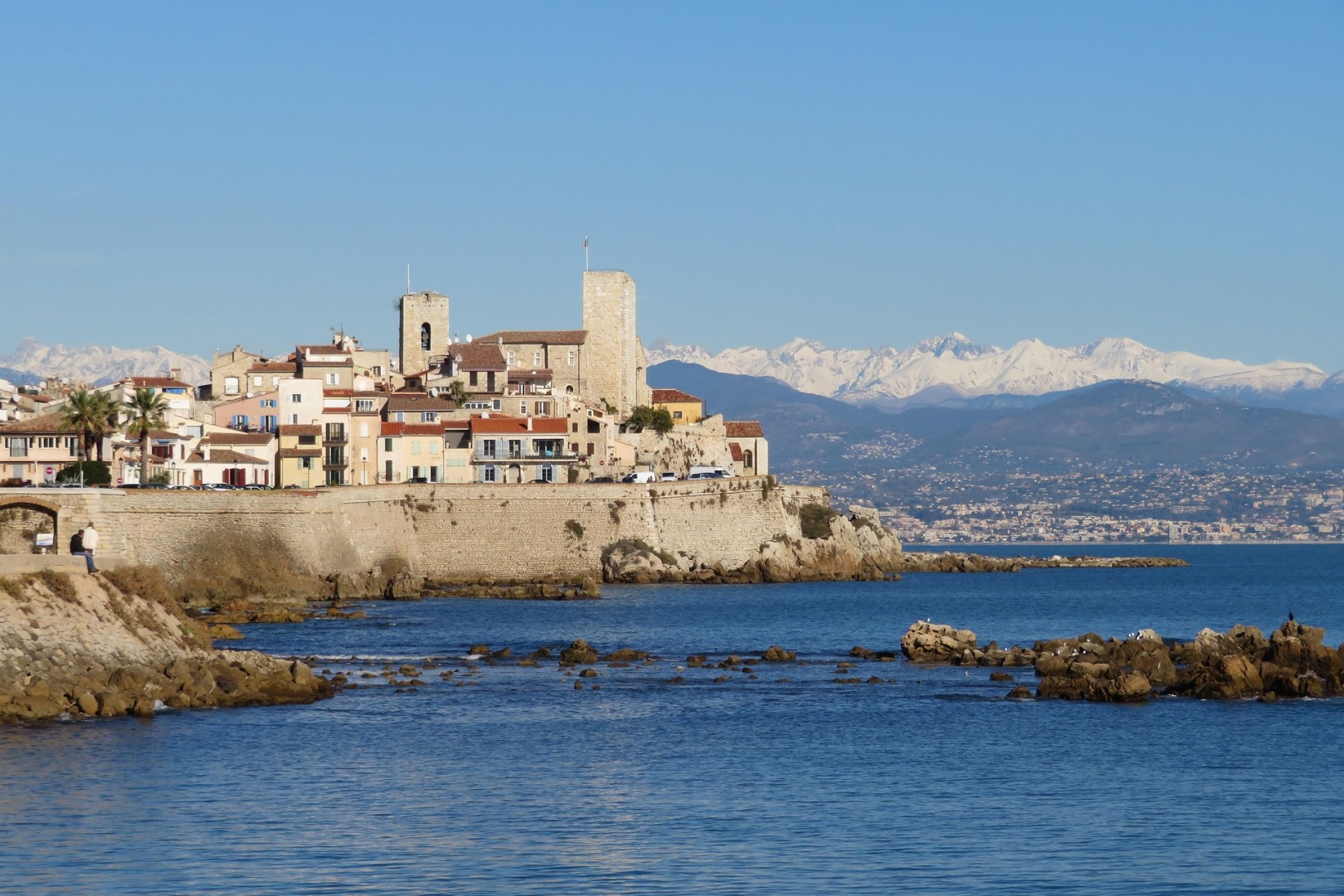
Antibes
Antibes, the new "hot spot" is located across from Nice. Explore traditional market-places packed with beautiful flowers, watching fishermen hauling in the days catch or simply relax in the warmth of the Riviera.
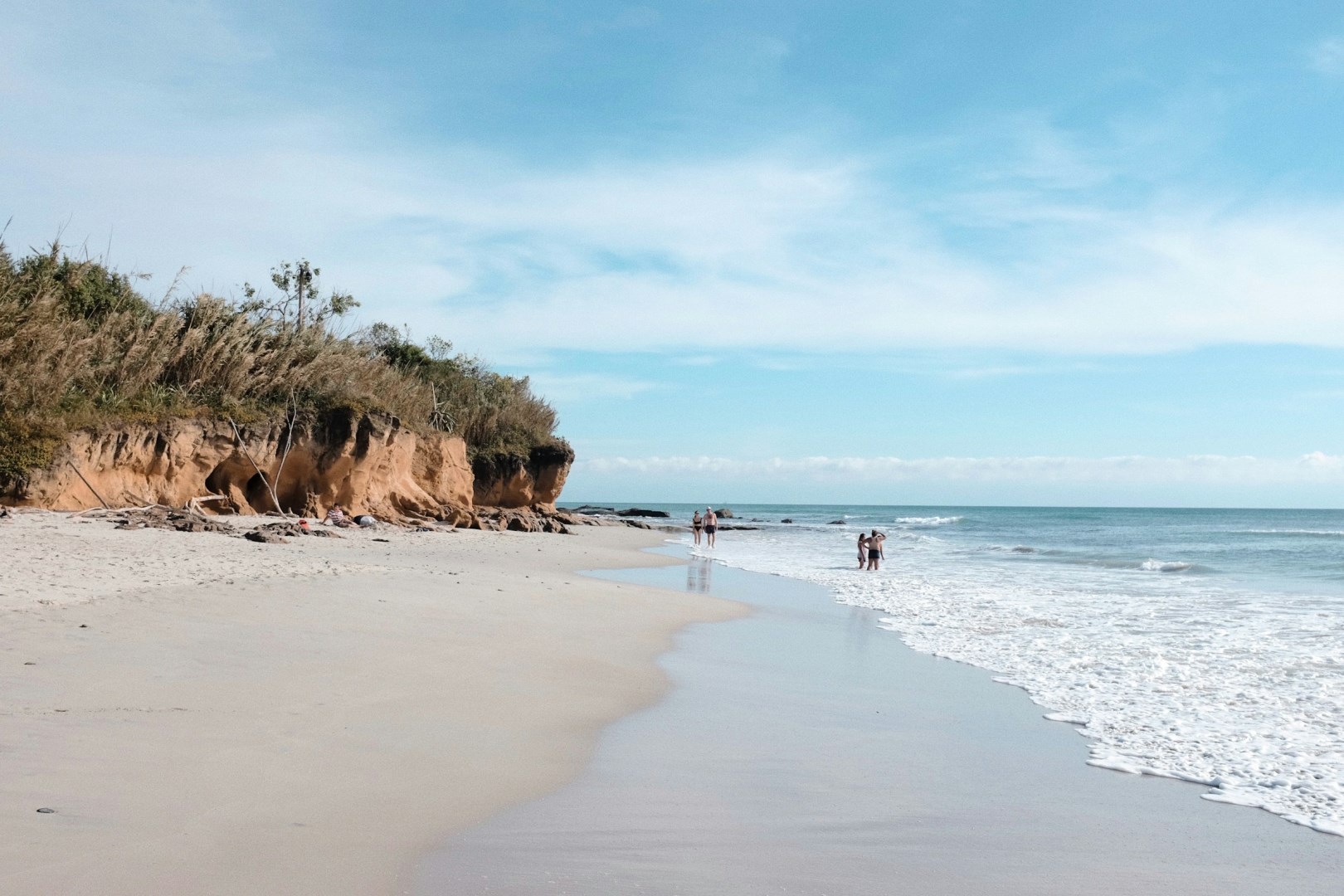
Punta Mita
Punta Mita is located in the pristine State of Nayarit 40 miles northwest of Puerto Vallarta, Jalisco, on the northwest point of Bahia de Banderas, the Bay of Flags. The beaches (playas) are the most beautiful and pristine in the entire Bahia de Banderas, Bay of Flags, possibly all of Mexico. Share the magic, come visit the point of simple pleasures.

St. Kitts
St. Kitts, part of the twin-island federation of Saint Kitts and Nevis, is known for its volcanic landscape, coastal plains, and long stretches of shoreline. The island’s layout is shaped by its central peaks, including Mount Liamuiga, which rises above surrounding farmland and villages. Basseterre, the capital, serves as the main hub for commerce and government, with a harbor that regularly receives cruise ships.
