
Suriname
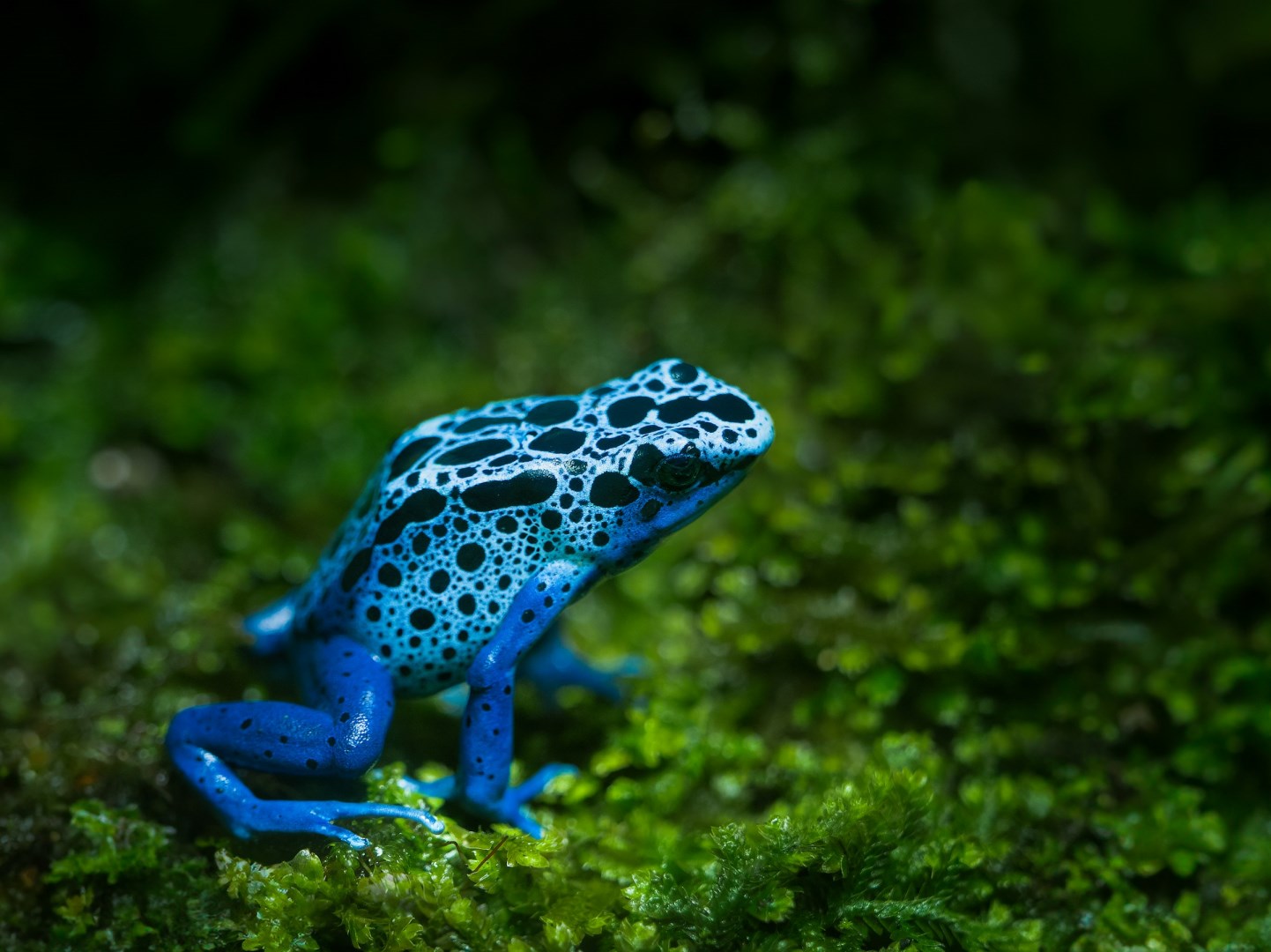
Suriname’s forests cover more than nine‑tenths of the country and house an astounding array of wildlife. The Central Suriname Nature Reserve, one of the largest rainforest sanctuaries on Earth, shelters jaguars, giant river otters, and hundreds of bird species. Nearer the capital, Brownsberg Nature Park offers forest trails and waterfalls amid 1,450 plant and 350 bird species, just a short drive from Paramaribo.
Wertheim am Main
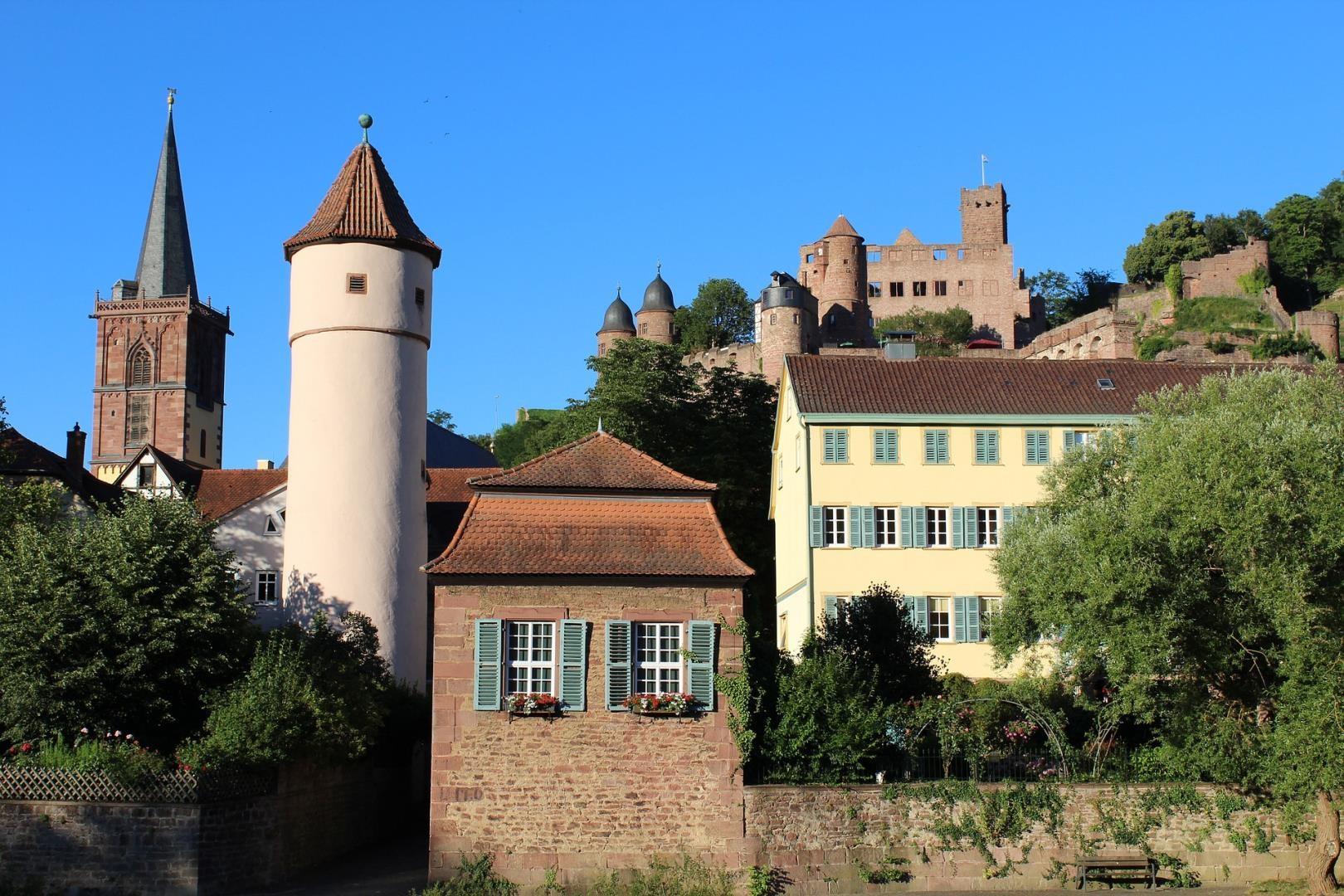
Wertheim is an enchanting town on the banks of the Main River in Germany. A favorite stop on European river cruises, highlights of this charming destination include the Wertheim Castle and the town center, where you can wind your way down cobblestone streets replete with 16th century architecture. Venture outside of town and follow the Tauber River to Kloster Bronnbach, an immense and ornate monastery dating back to the 12th century.
Sao Tome & Principe
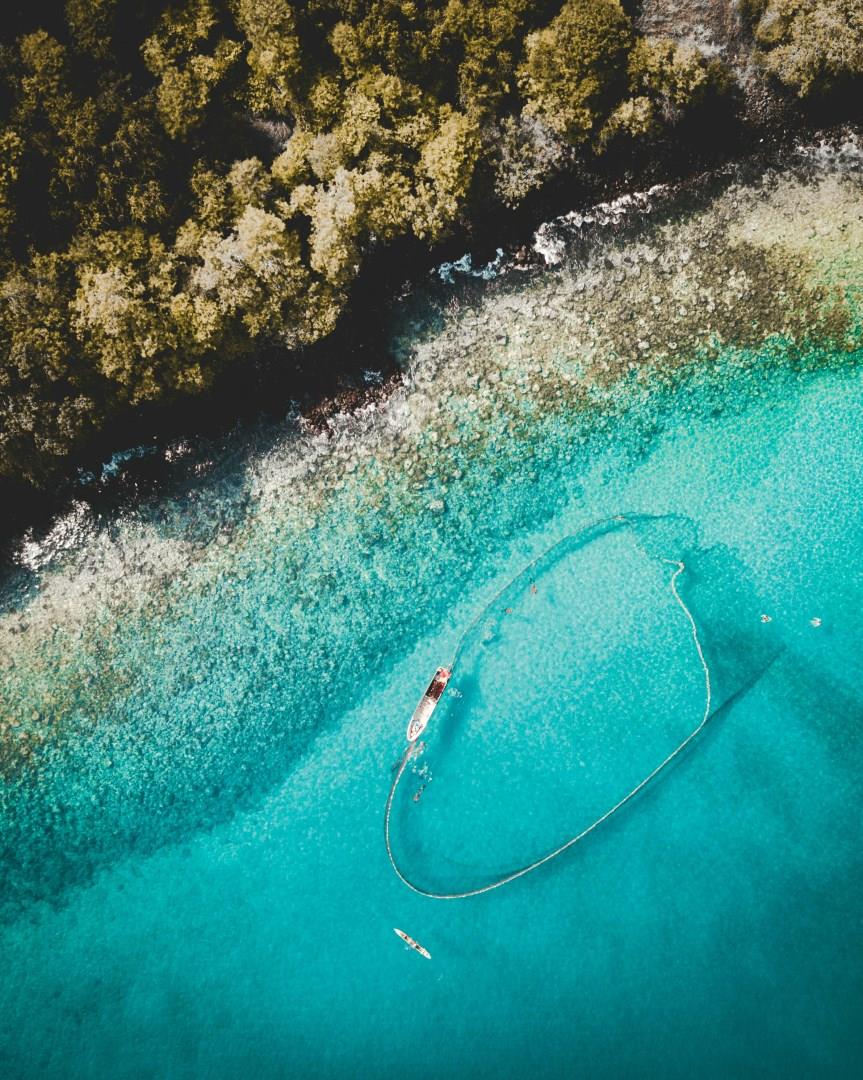
São Tomé & Príncipe, a two-island nation in the Gulf of Guinea, is one of Africa’s smallest yet most captivating destinations. Known for its unspoiled landscapes, it offers lush rainforests, volcanic peaks, and secluded beaches.

Olympia
Situated on Peloponnese peninsula's Western side, Olympia has the distinction of being one of Greece's most significant archaeological sites.
Èze
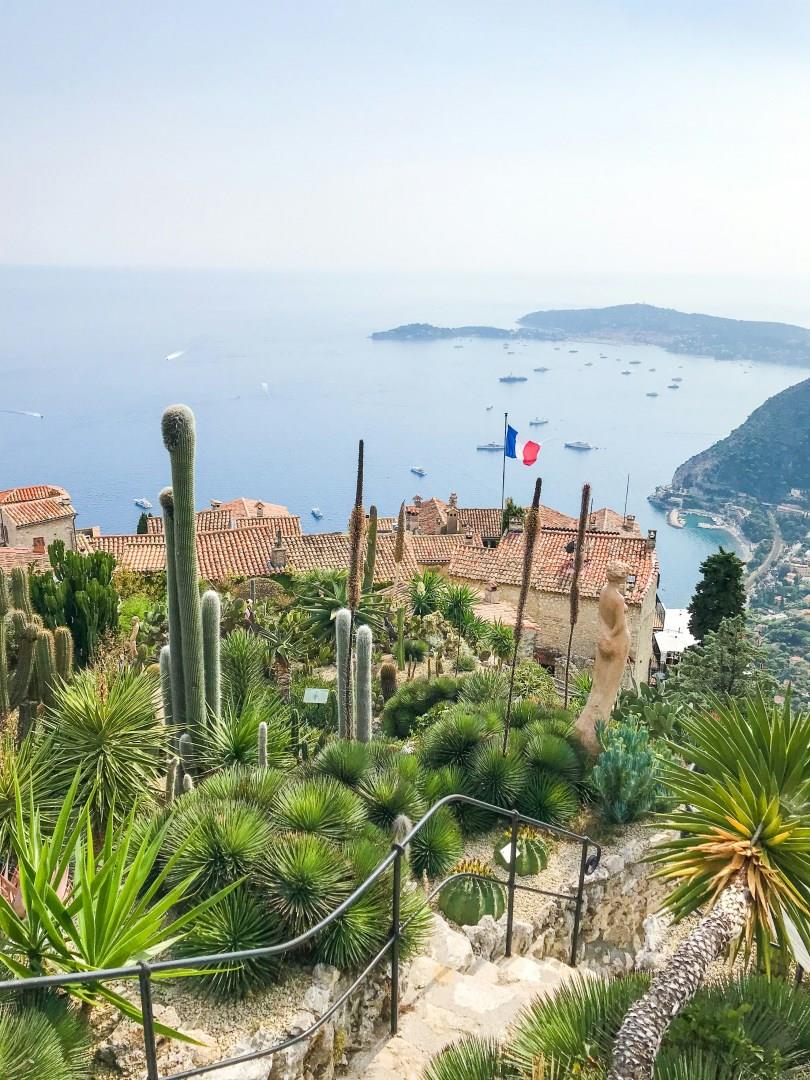
Eze is a hilltop village perched high above the Mediterranean on France’s Côte d’Azur, where stone houses and narrow lanes cling to a steep rocky outcrop between Nice and Monaco.
