
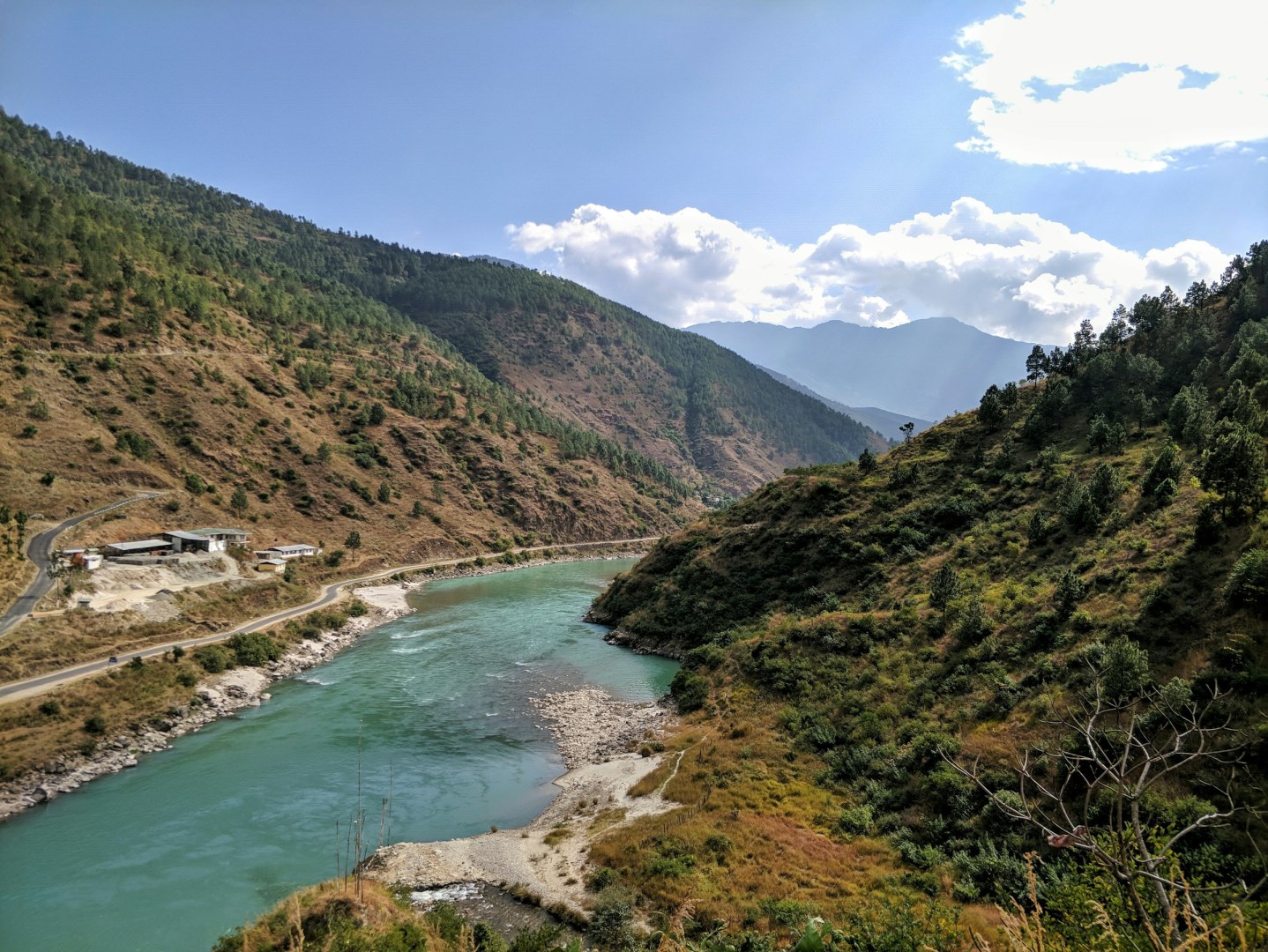
Lobesa - Metsina
Lobesa–Metsina is a rural area in Punakha District, western Bhutan, set within the warm and fertile Punakha Valley. The settlements lie among rice paddies, mustard fields, orchards, and forested hills, with the Punatsangchhu River shaping the wider valley landscape. Lobesa is located along the main road linking Punakha and Wangdue Phodrang and provides access to villages and agricultural areas surrounding the valley. The region has a distinctly rural character, with traditional Bhutanese houses,
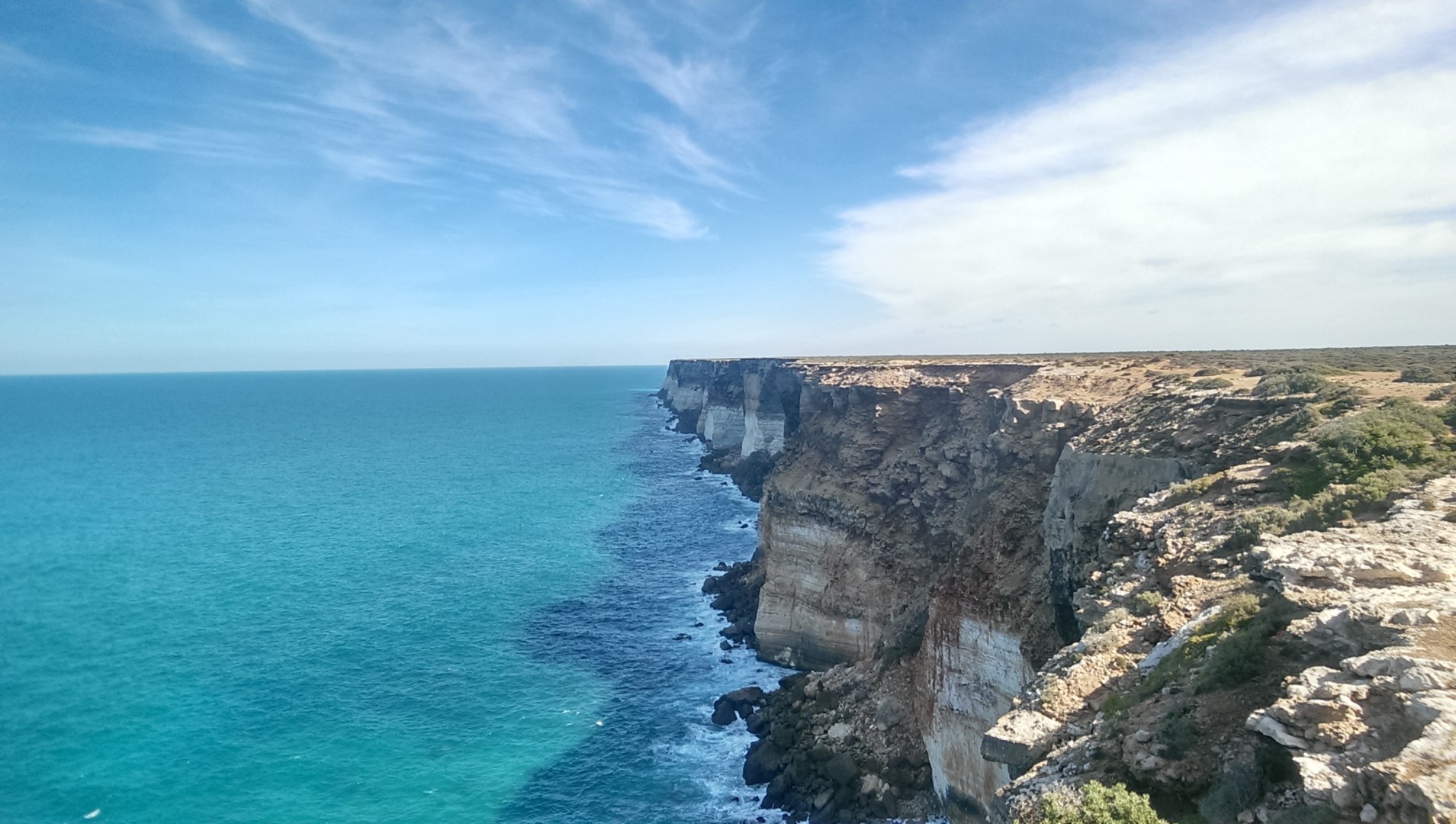
Great Australian Bight
A vast stretch of Australia’s southern coast known for towering limestone cliffs, remote scenery and seasonal southern right whale sightings.
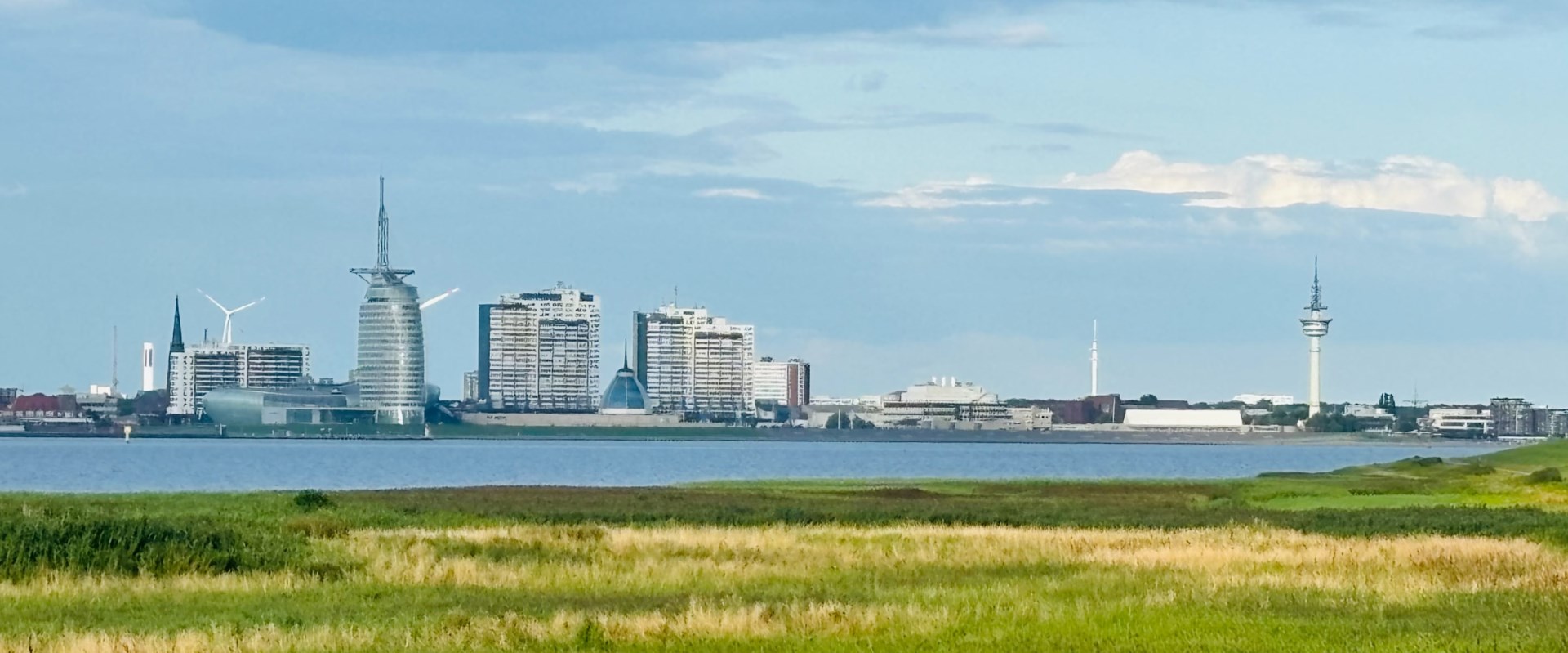
Bremerhaven
Bremerhaven, a port city on Germany’s North Sea coast, is known for its maritime heritage, bustling harbor, and cultural attractions. Founded in 1827 to serve as a gateway for Bremen’s shipping industry, it has grown into a major center for trade, logistics, and seafaring culture.
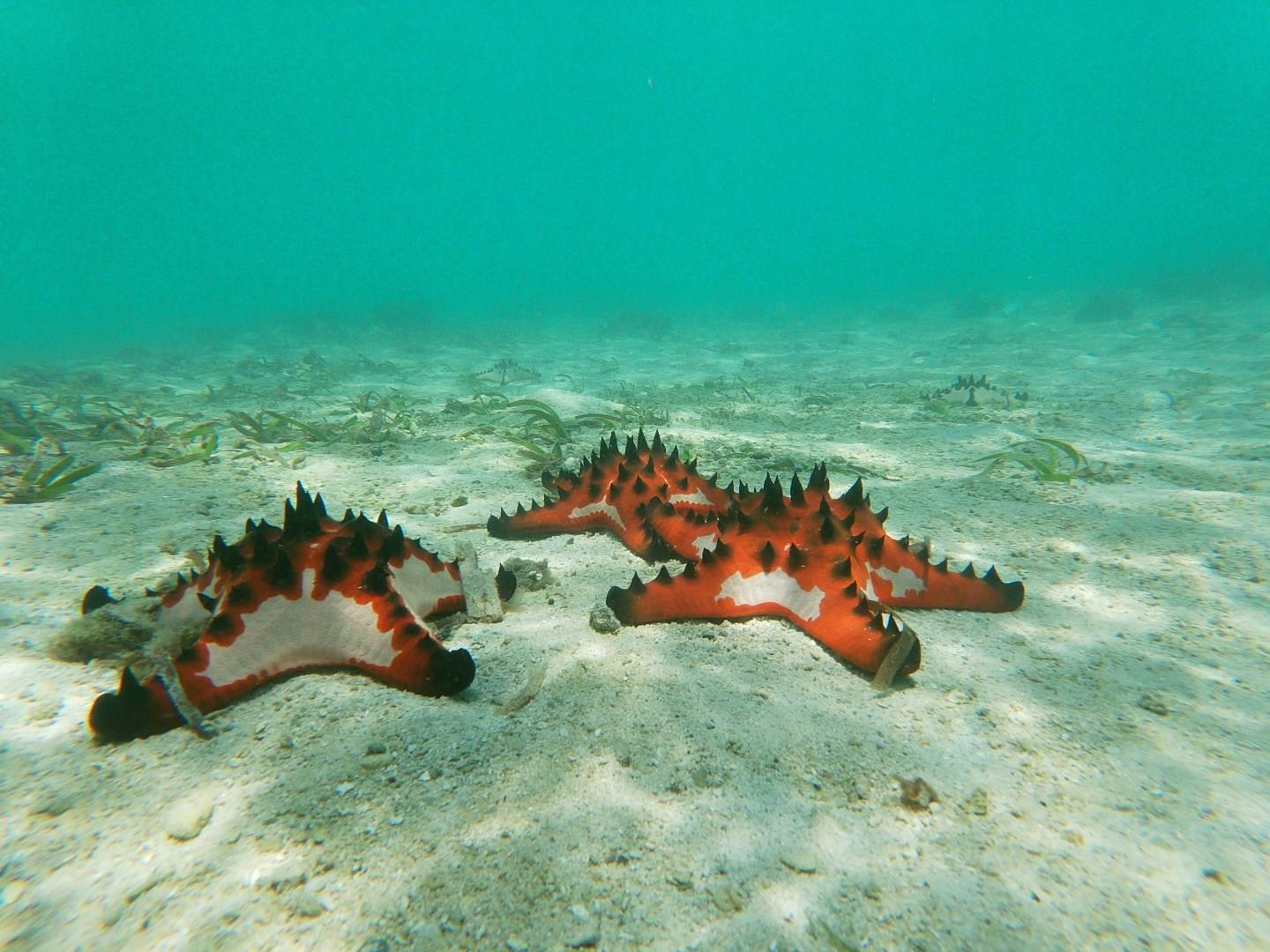
Port Vila
Port Vila, the vibrant capital of Vanuatu, offers a captivating blend of natural beauty, rich culture, and relaxed island charm. Nestled on the southern coast of Efate Island, Port Vila is renowned for its picturesque harbor, lush landscapes, and bustling market scene. Visitors can immerse themselves in the local culture at the Port Vila Market, where colorful stalls brim with fresh produce, handcrafted souvenirs, and traditional island fare.
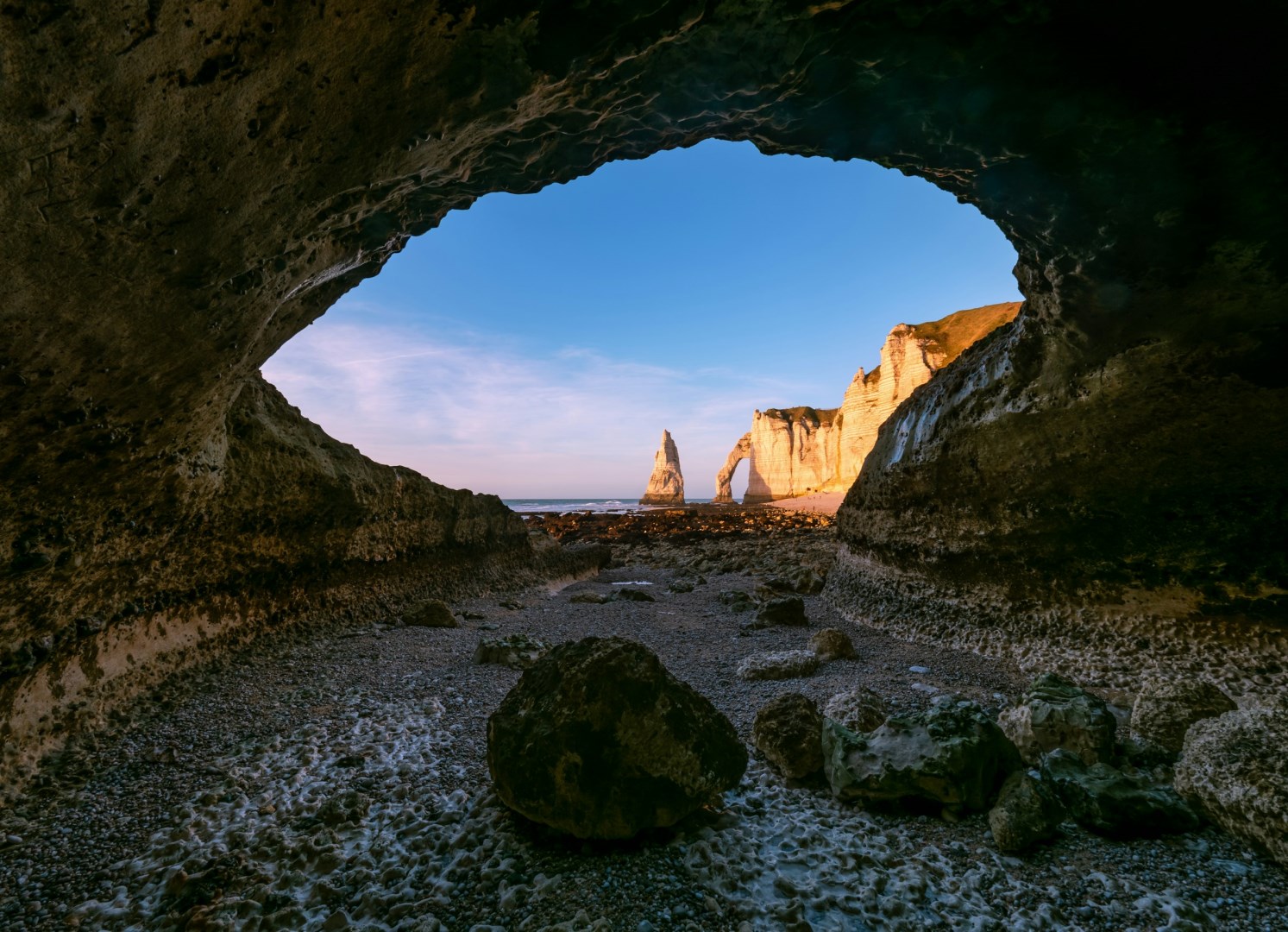
Étretat
Étretat, a small coastal town in Normandy, France, is celebrated for its dramatic white chalk cliffs and natural rock arches that rise strikingly above the English Channel.
