
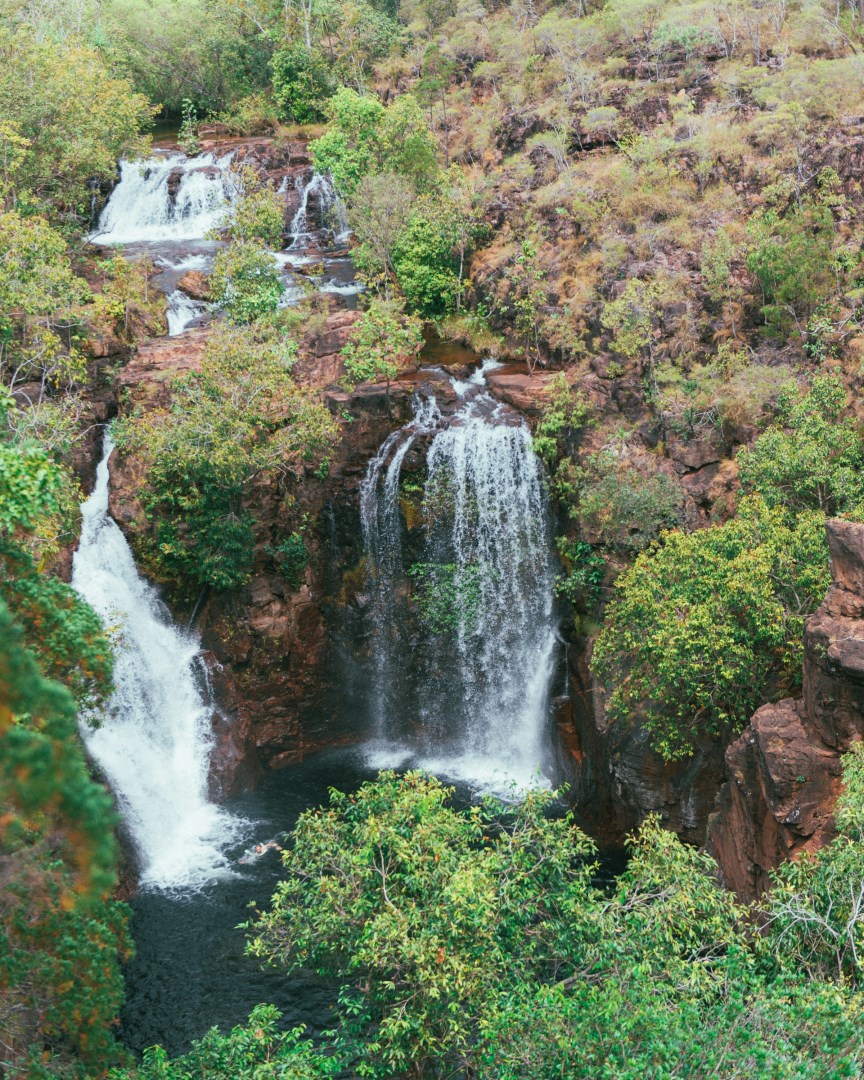
Karijini National Park
Wander through red gorges, swim in clear rock pools, and stand beneath spectacular waterfalls. It is an awe-inspiring journey into the rugged heart of the outback.
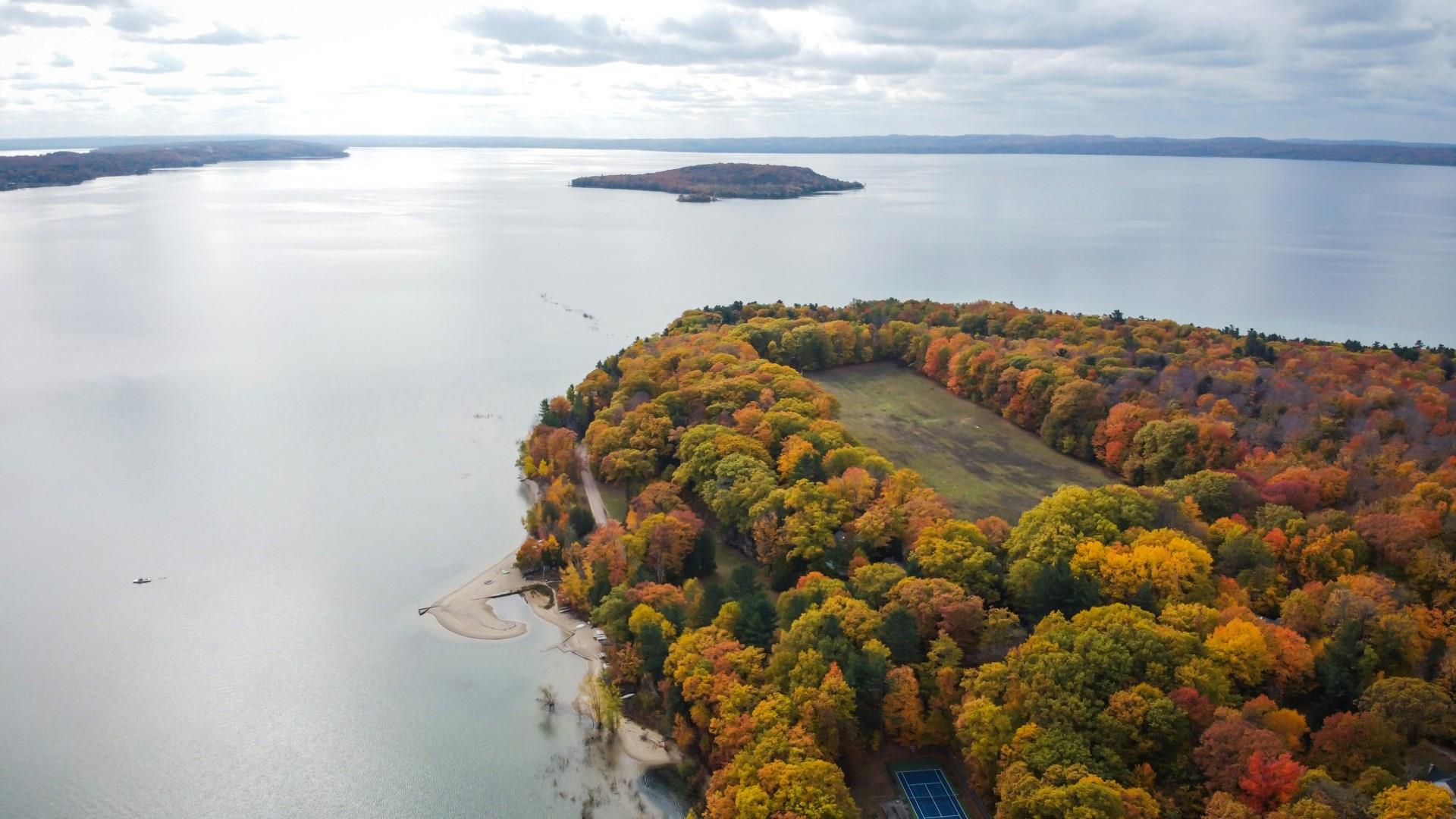
Traverse City
Traverse City offers a delightful blend of natural beauty and vibrant culture. Nestled on the shores of Lake Michigan's Grand Traverse Bay, this charming city is renowned for its stunning waterfront views and picturesque landscapes. The region's pristine beaches, such as Clinch Park, provide an ideal setting for relaxing under the sun or engaging in water sports.

Serbia
Serbia is a country where centuries-old monasteries sit just a short drive from lively cities, and where the past is never far from daily life. In Belgrade, the capital, Kalemegdan Fortress offers panoramic views where the Danube meets the Sava River. This fortress has witnessed more than 100 battles and been rebuilt many times over two millennia. Within its walls are Roman ruins, an open-air military museum, and quiet park paths perfect for wandering between centuries of layered history.

Jost van Dyke
One of the four islands that make up the British Virgin Islands, Jost van Dyke is a Caribbean paradise known for its white sand beaches, turquoise sea pools, and marinas filled with yachts.
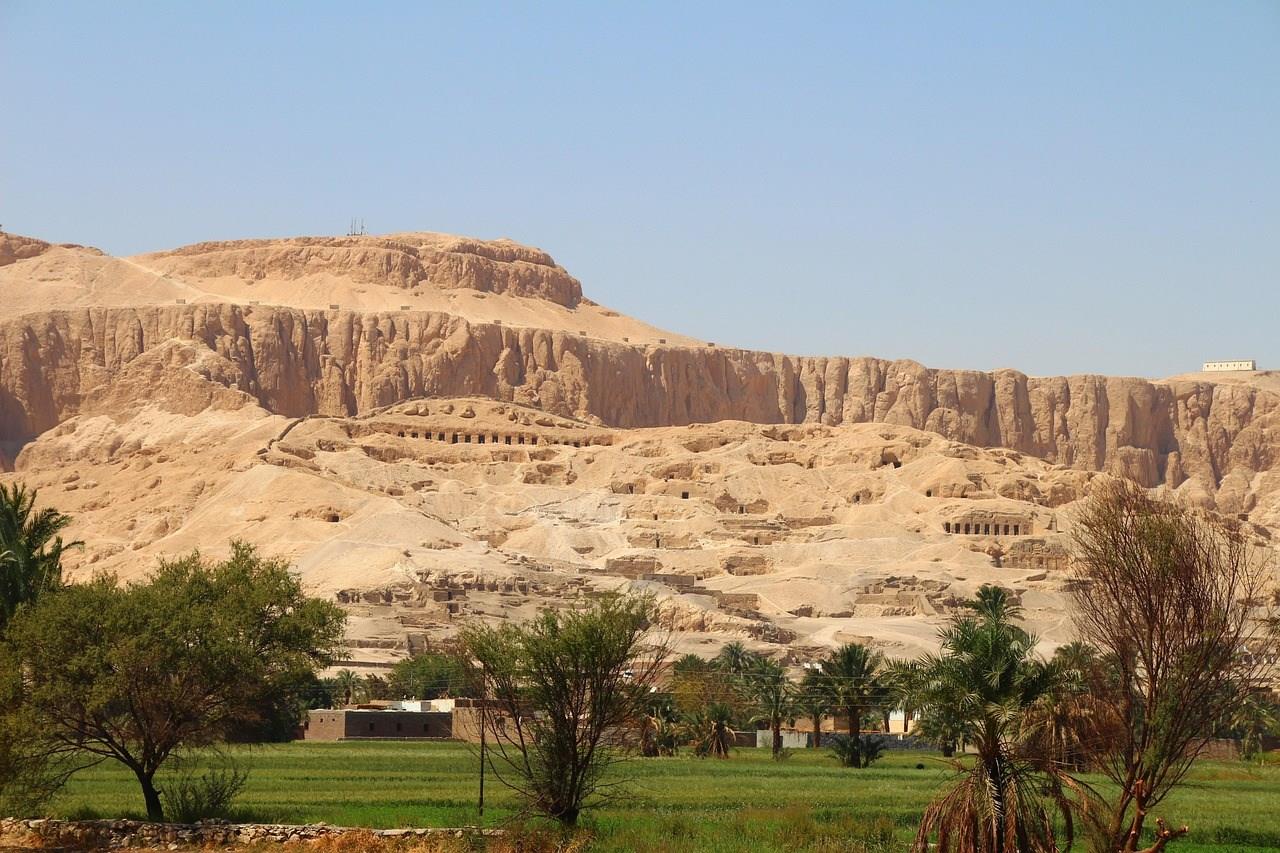
Valley of the Kings and Queens
The Valley of the Kings and the Valley of the Queens, located on the west bank of the Nile near Luxor, Egypt, are two of the world’s most significant archaeological sites. For over 500 years during the New Kingdom (16th–11th centuries BCE), these valleys served as the burial grounds for pharaohs, queens, and high-ranking nobles.
