
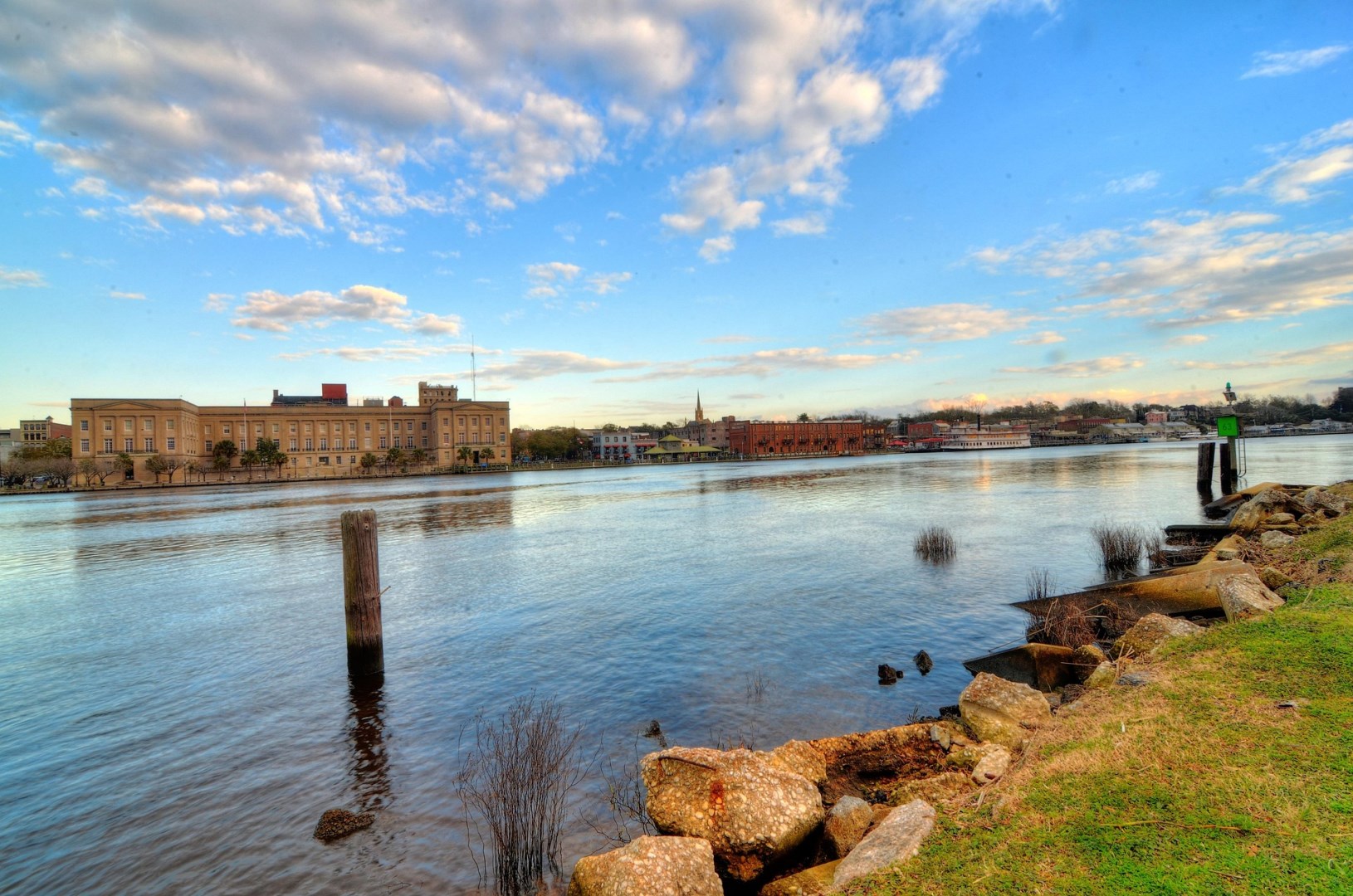
Wilmington
Wilmington was the only open seaport in the Confederacy from 1863 until the last months of the war - nearly two years. Visit Fort Fisher which kept the port open to blockade runners. Afterwards, tour another historic treasure, the Bellamy Mansion Museum of History and Design Arts. In 1865, it was commandeered as headquarters for the Union forces.
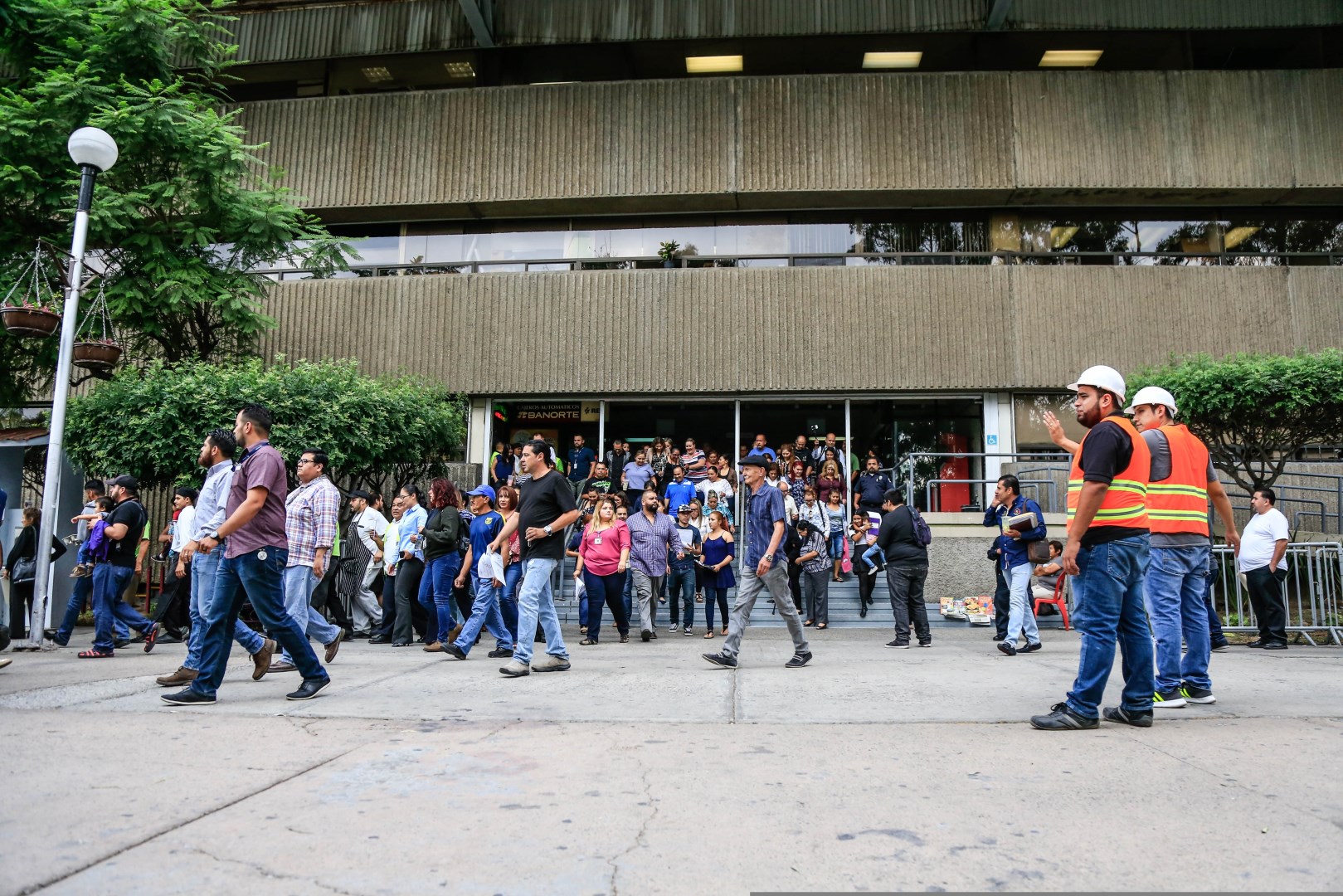
Baja California
Nestled between the Pacific Ocean and the Sea of Cortez, Baja California is a haven for travelers seeking stunning natural landscapes, vibrant culture, and adventure.

Sete
Sète is a lovely port city in southern France, often called the "Venice of Languedoc" because of its many canals. The old port area is full of history and charm, making it a great place to explore. Visitors can stroll along the canals while observing the daily activities of fishermen and admire the array of boats moored along the quays.
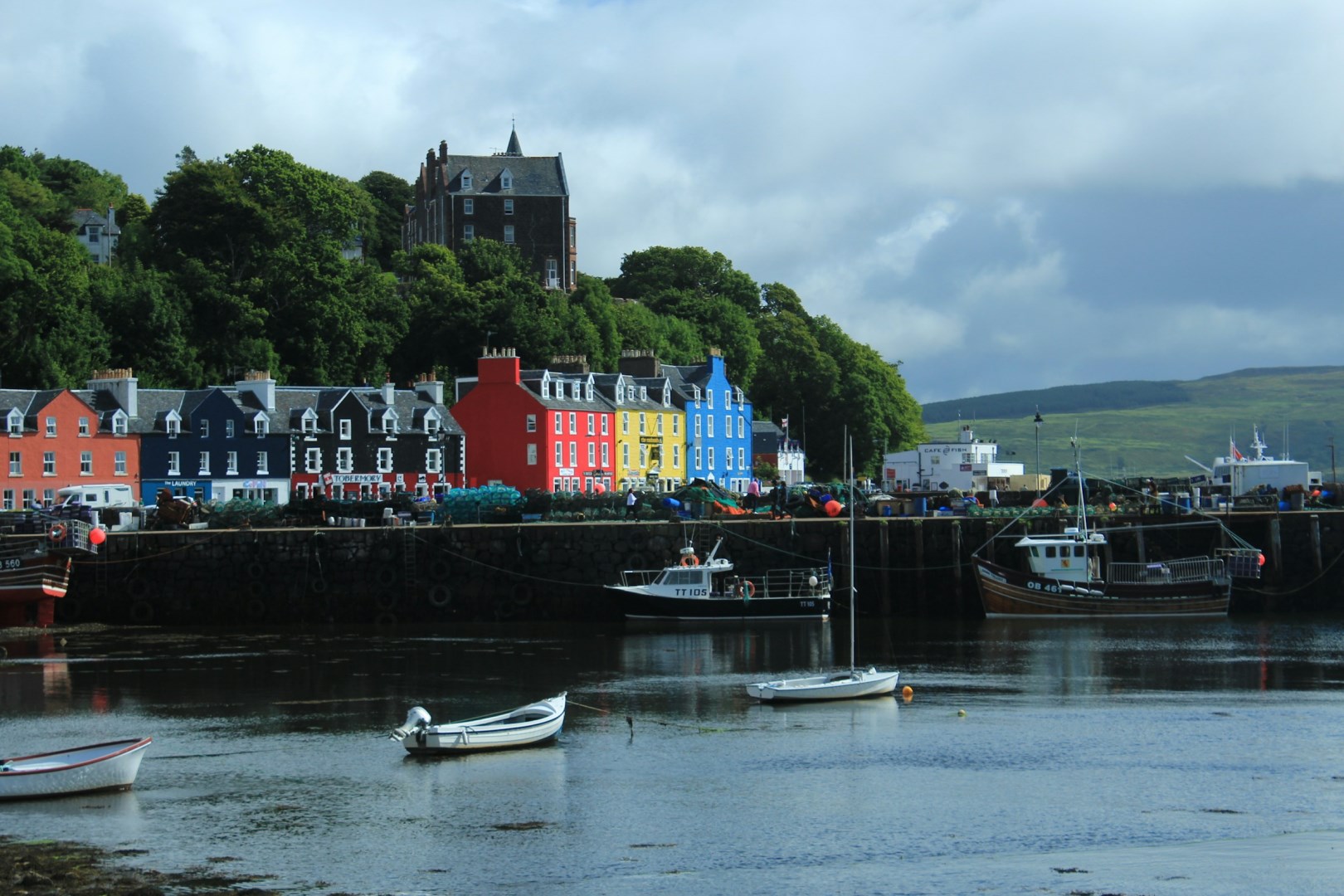
Isle of Mull
A scenic Inner Hebridean island with rugged coasts, mountains, sea lochs, sandy beaches and abundant wildlife.

Mont Tremblant
The mountain boasts 75 ski trails, with a 2,131 vertical drop and 11 lifts including 6 high-speed quads. The European-style village with cobblestone streets exudes the unique ambience of French Canada.
