
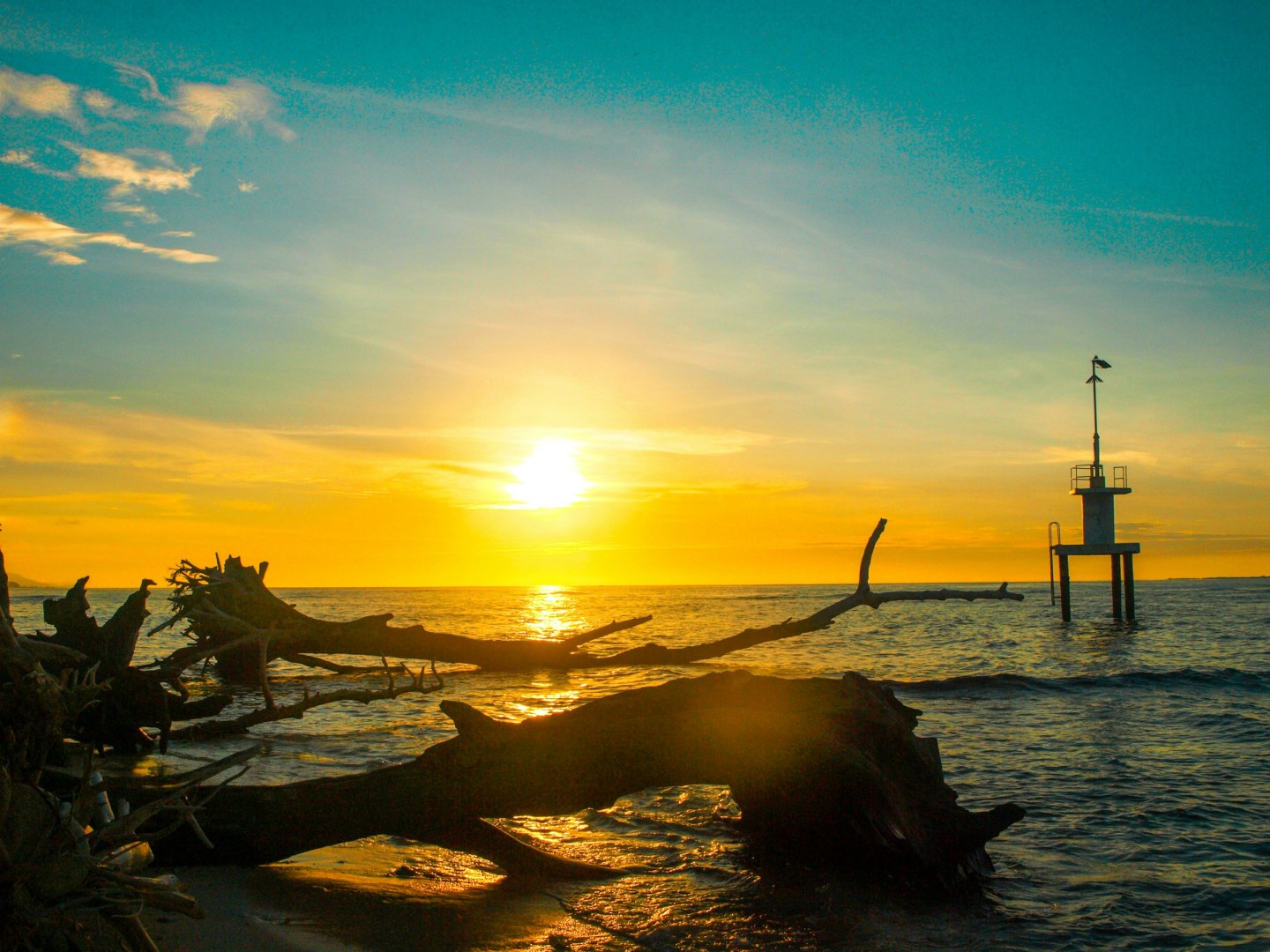
Wewak
Wewak is the capital of East Sepik Province on the north coast of Papua New Guinea, facing the Bismarck Sea. The town stretches along a coastal plain backed by low forested hills, with beaches, bays, and offshore islands forming part of the surrounding landscape. Wewak serves as the province’s main administrative and commercial center and provides access to the Sepik River region farther inland.
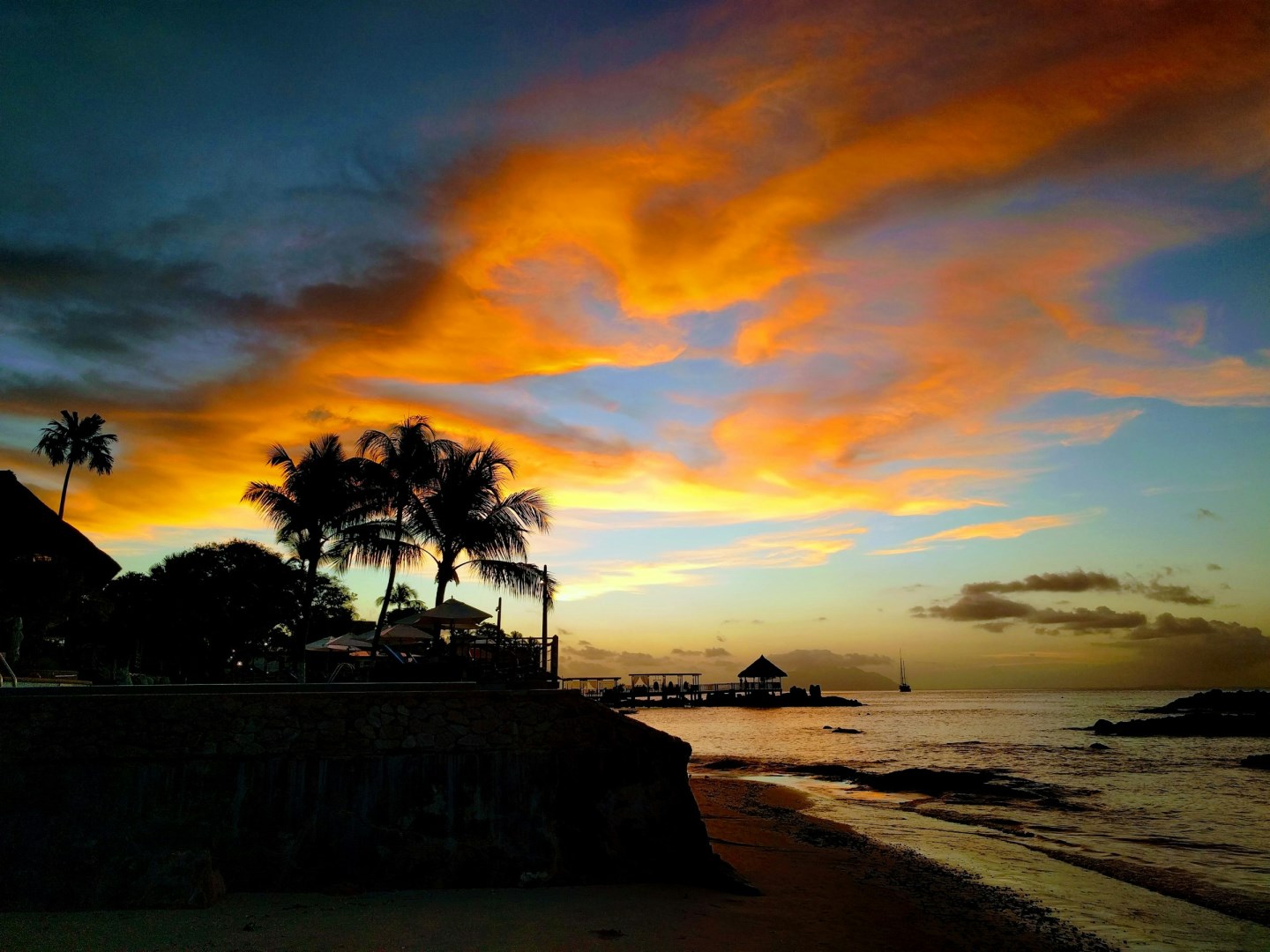
Bel Ombre
Bel Ombre is a coastal village and rural district on the southwestern side of Mauritius, set between the Indian Ocean and the forested slopes of the Black River Gorges. The area is known for its combination of sugar-growing land, native forest, rivers, and a sheltered lagoon. Much of the surrounding landscape forms part of the wider Bel Ombre estate, where agriculture has gradually been joined by conservation and tourism.

Cuba
Cuba is an island nation where history, culture, and natural beauty intertwine in captivating ways. Known for its Spanish colonial architecture, vibrant music, and revolutionary legacy, the country offers a fascinating window into both the Caribbean and Latin American worlds. Havana, with its colorful facades, classic American cars, and lively plazas, embodies Cuba’s charm and resilience, while towns like Trinidad and Cienfuegos showcase UNESCO-listed heritage and a slower pace of life.

Lautoka
Known as Sugar City, Lautoka is a tropical destination on the western coast of Fiji. Be sure to take a stroll through the Lautoka Botanical Gardens, or venture just outside of the city to take in the natural beauty of Koroyanitu National Park, a rainforest preserve with spectacular hikes and bird-watching excursions.
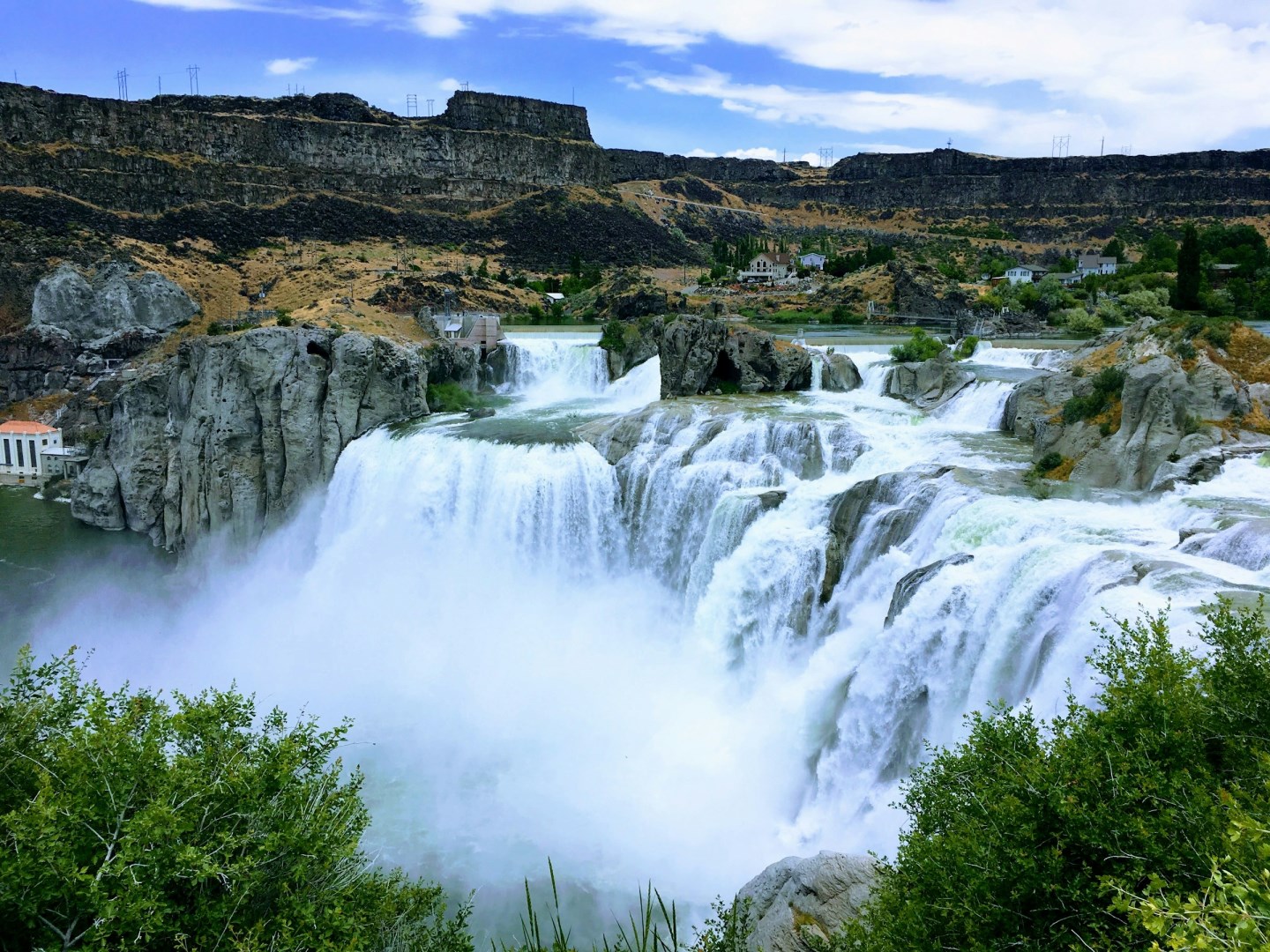
Twin Falls
Twin Falls is a city in southern Idaho overlooking the Snake River Canyon, where the Snake River has cut through the surrounding basalt landscape. The city serves as a regional center for the Magic Valley and is known for its access to canyon viewpoints, waterfalls, farmland, and river recreation. The Perrine Bridge crosses the canyon at the northern edge of the city and is a prominent local landmark.
