
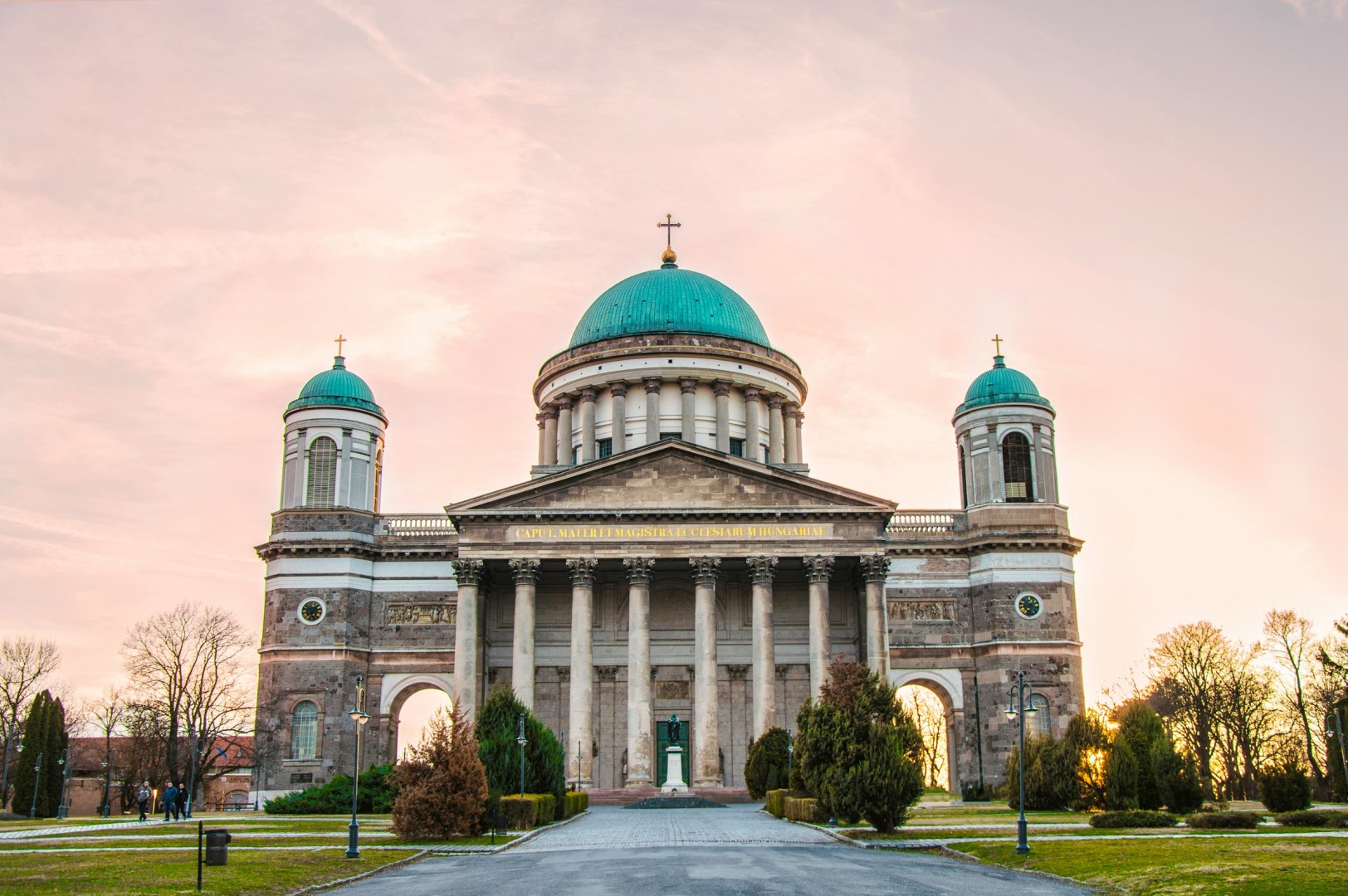
Esztergom
Esztergom is one of Hungary’s oldest and most historically significant towns, located along the Danube River just an hour north of Budapest. It was the country’s royal capital during the Middle Ages and the birthplace of its first king, Saint Stephen. Today, visitors are drawn to the Esztergom Basilica, the largest church in Hungary. Its dome rises over 70 meters high and offers panoramic views of the river, the surrounding hills, and neighboring Slovakia across the Mária Valéria Bridge.
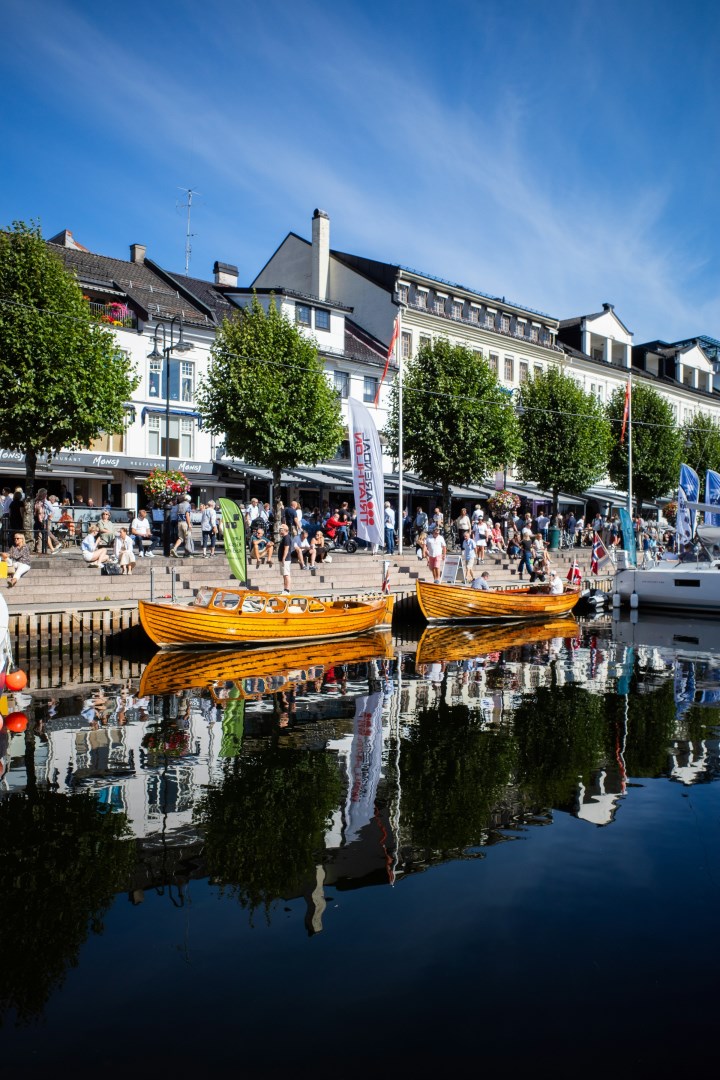
Arendal
Arendal is a coastal city in Agder, southern Norway, set around a sheltered harbor and a chain of islands and skerries along the Skagerrak. The city center combines maritime activity with historic wooden buildings, waterfront streets, and the inner harbor of Pollen. Arendal’s location has long influenced its economy and character, with shipping, forestry, and mining playing important roles in its development.
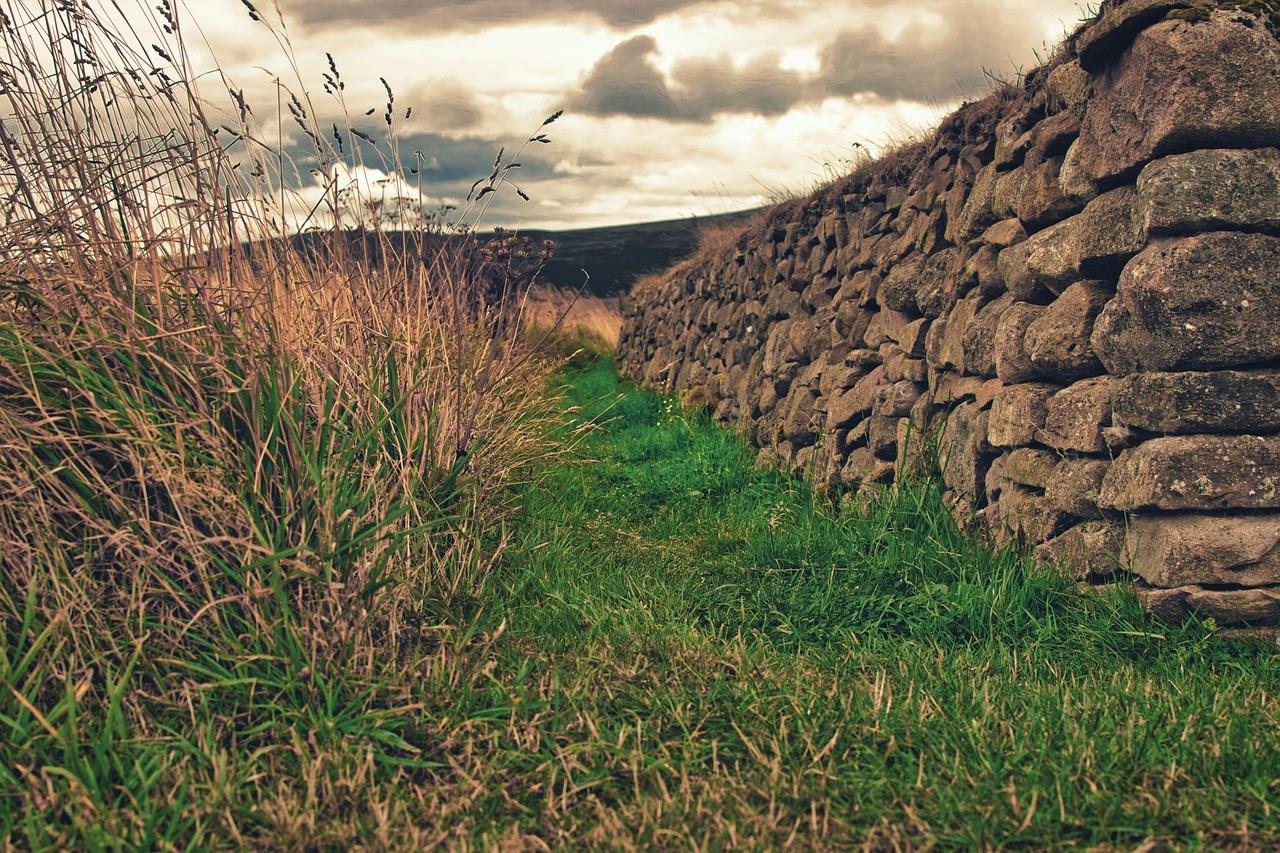
Culloden
Culloden, located just outside Inverness in the Scottish Highlands, is the site of one of the most significant and sobering moments in Scotland’s history. On April 16, 1746, the Battle of Culloden marked the violent end of the Jacobite uprising led by Charles Edward Stuart, better known as Bonnie Prince Charlie. In under an hour, the hopes of restoring the Stuart monarchy were crushed by government forces.
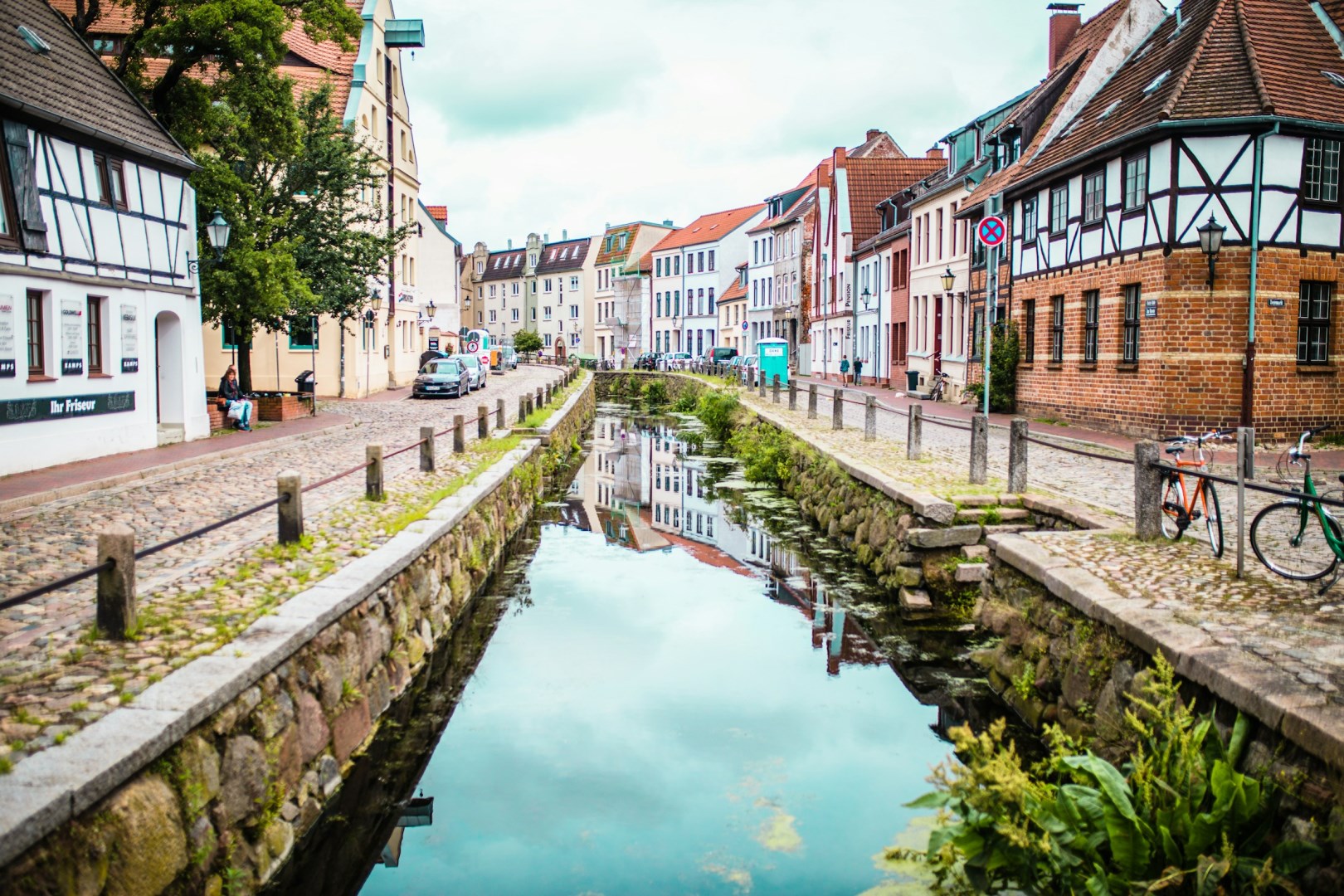
Wismar
Wismar is a historic port city on Germany’s Baltic coast in the state of Mecklenburg-Western Pomerania. Its old town is known for a remarkably well-preserved medieval street plan, large brick churches, merchant houses, and a harbor connected to the Baltic Sea. The city’s architecture reflects its former importance within the Hanseatic trading network, while the waterfront continues to support maritime activity.
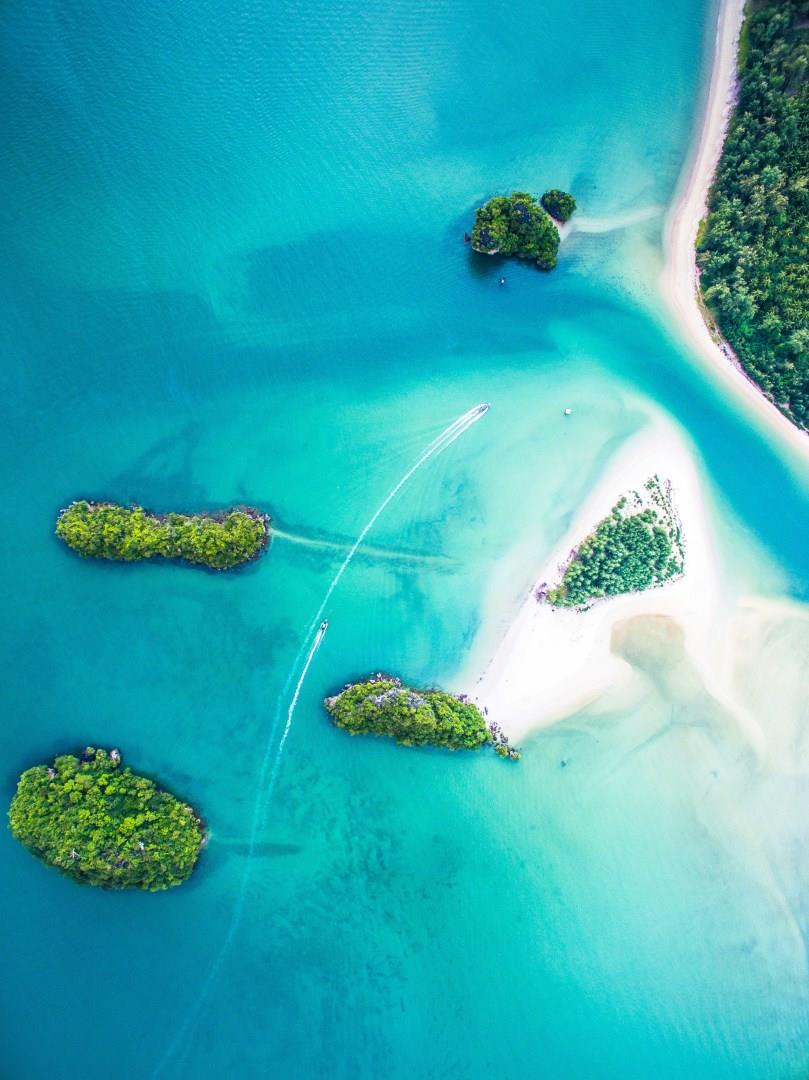
Ao Nang
Ao Nang is a coastal town in Thailand’s Krabi province, set against a backdrop of limestone cliffs that rise abruptly from the shoreline. Once a quiet fishing village, it has grown into a lively seaside hub while still retaining strong ties to the surrounding landscape.
