
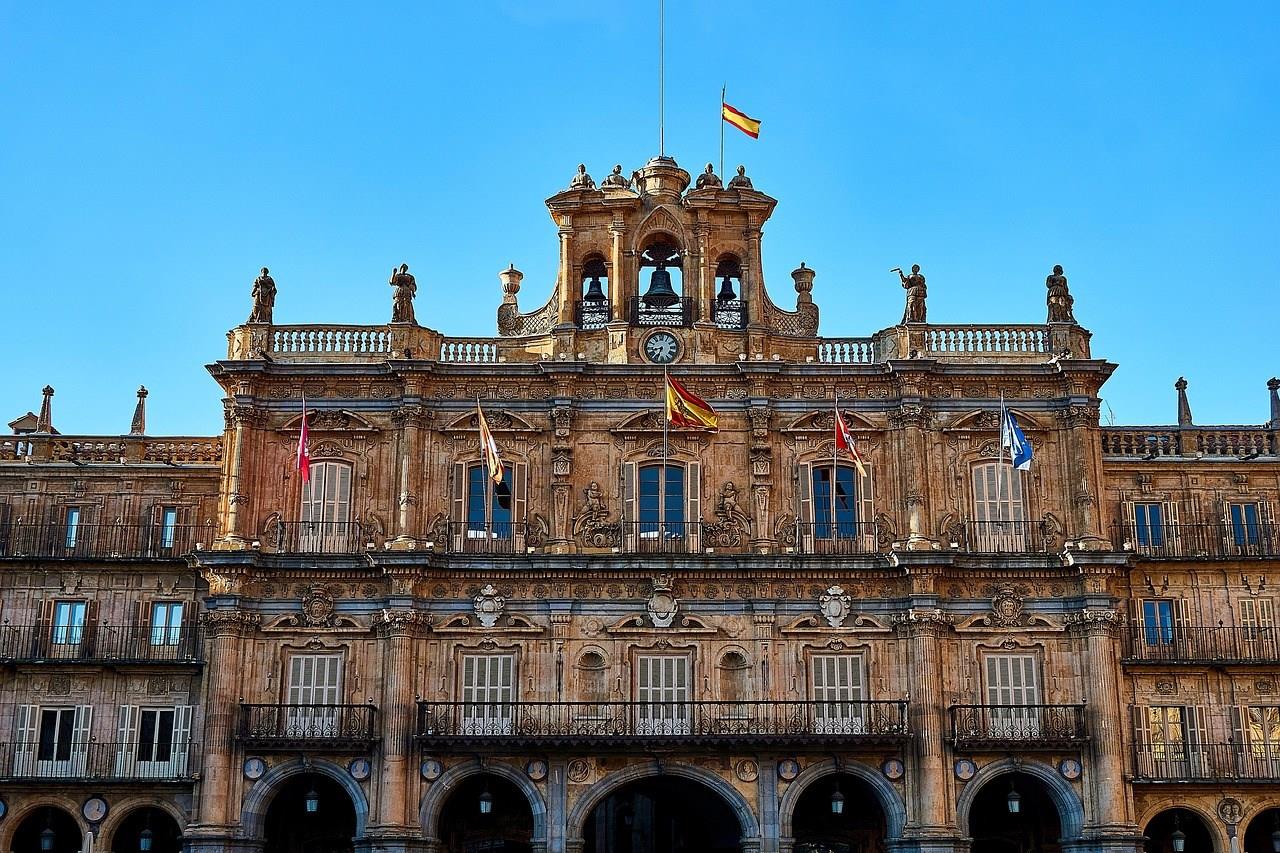
Salamanca
Salamanca, often called the “Golden City” for the warm glow of its sandstone buildings, is a place where centuries of stories are etched into every wall. Visit its historic center to wander through cobbled streets lined with architectural marvels. The University of Salamanca, founded in 1218, is one of the oldest in Europe and still buzzes with student life.
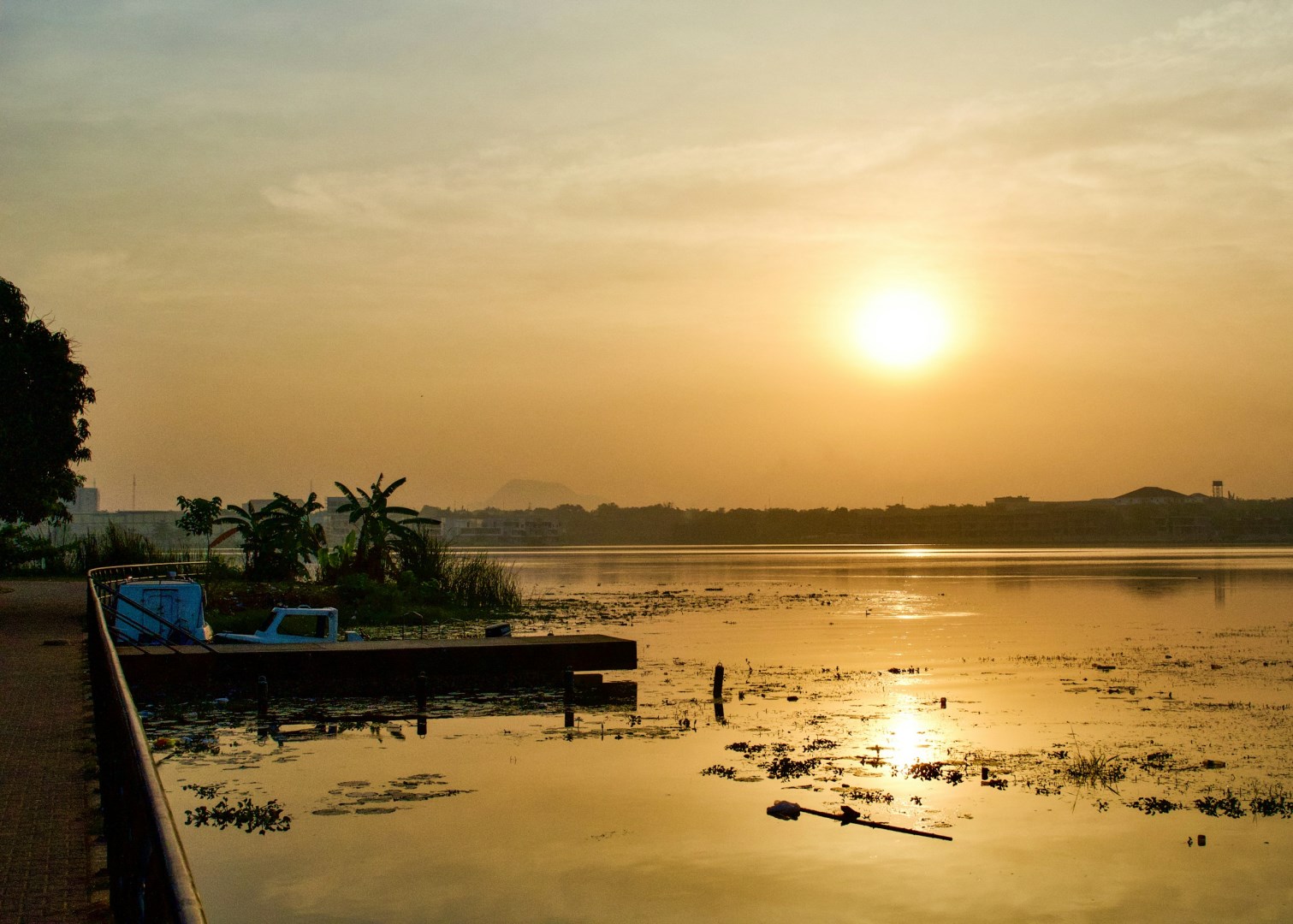
Abuja
Abuja is a planned, modern city and the proposed new federal capital of Nigeria. The site was chosen to replace the capital Lagos because of the central location, easy accessibility, good climate and land for further expansion.

Veneto
Veneto, a region in northeastern Italy, offers a rich tapestry of history, culture, and natural beauty. The city of Verona, famous for its Shakespearean connection, is a jewel within this region. Visitors can explore the ancient Roman Arena, where operas and concerts are still held amidst the ruins. Wander through Verona’s medieval streets, and you’ll find Juliet’s House, a romantic site made famous by Romeo and Juliet.

Shetland Islands
Whether exploring ancient ruins, spotting wildlife along the dramatic coastline, or simply soaking in the calmness of this unique destination, the Shetlands provide a truly extraordinary travel experience.
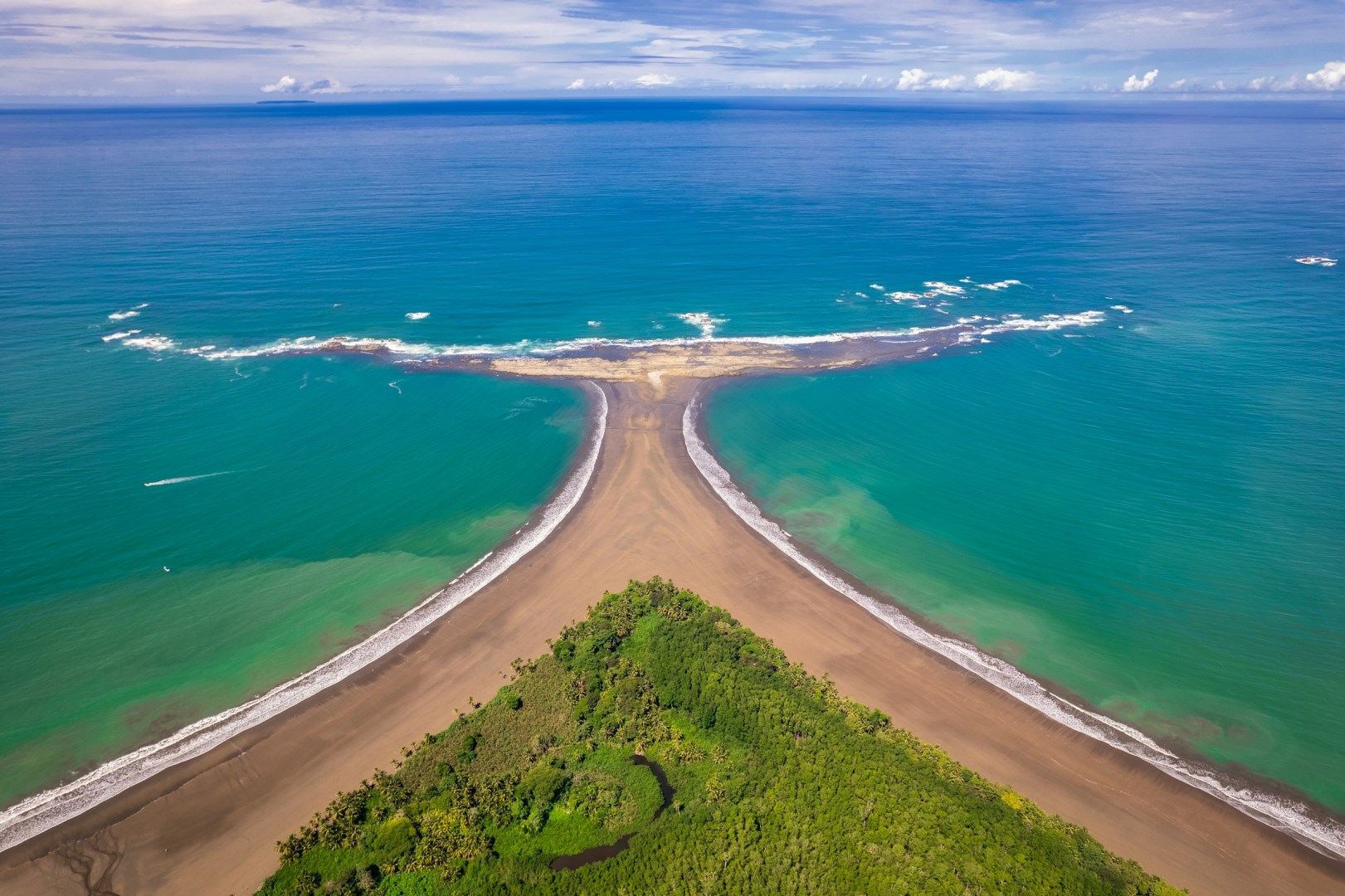
Ballena Bay
Ballena Bay is a coastal community in southern Costa Rica's Puntarenas Province, located along the Pacific coast near Uvita. The area is closely associated with Marino Ballena National Park, a protected marine and coastal landscape extending along about 15 kilometers of shoreline. Ballena Bay is surrounded by tropical forest, sandy beaches, rocky shores, mangroves, and offshore formations.
