
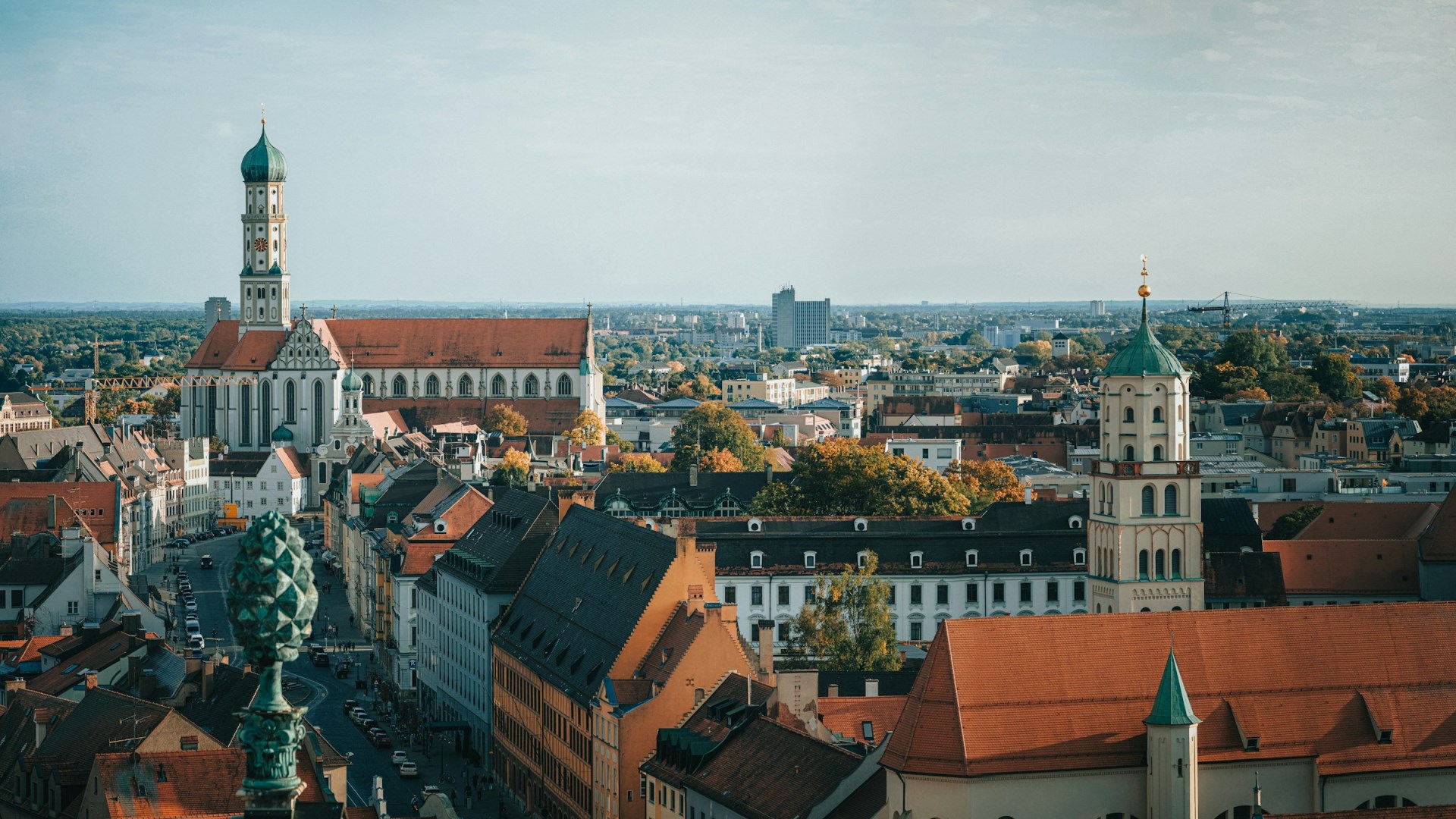
Augsburg
Augsburg was founded in 15 BC under the rule of the Roman emperor Augustus. For 400 years the city was the seat of a provincial government of the Roman empire. Its ideal location made it a crossroad of all important routes to the south. An advantage from which the powerful merchants and bankers, the Fugger family and the seafaring Welsers, likewise profited. They elevated Augsburg to rank among the world's most powerful cities. Kings and emperors were frequent guests here.
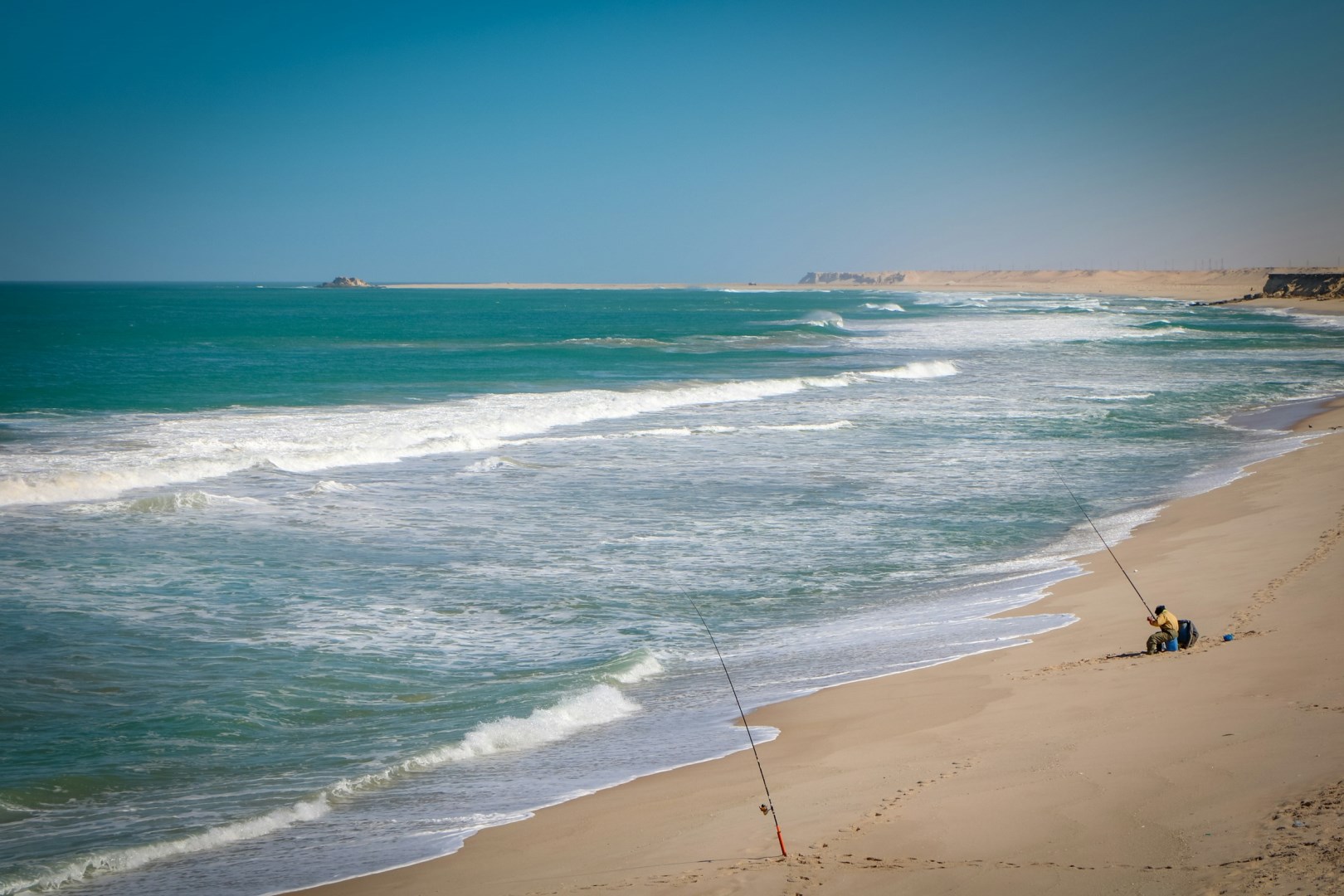
Dakhla
Dakhla is a coastal city in Morocco’s far southwest, situated on a narrow peninsula that extends into a large Atlantic lagoon. Its setting creates a striking contrast between the dry desert landscape inland and the sheltered blue waters along the coast. Dakhla is an important regional centre for fishing, commerce, and transport, while its lagoon has made the city increasingly known for water sports.
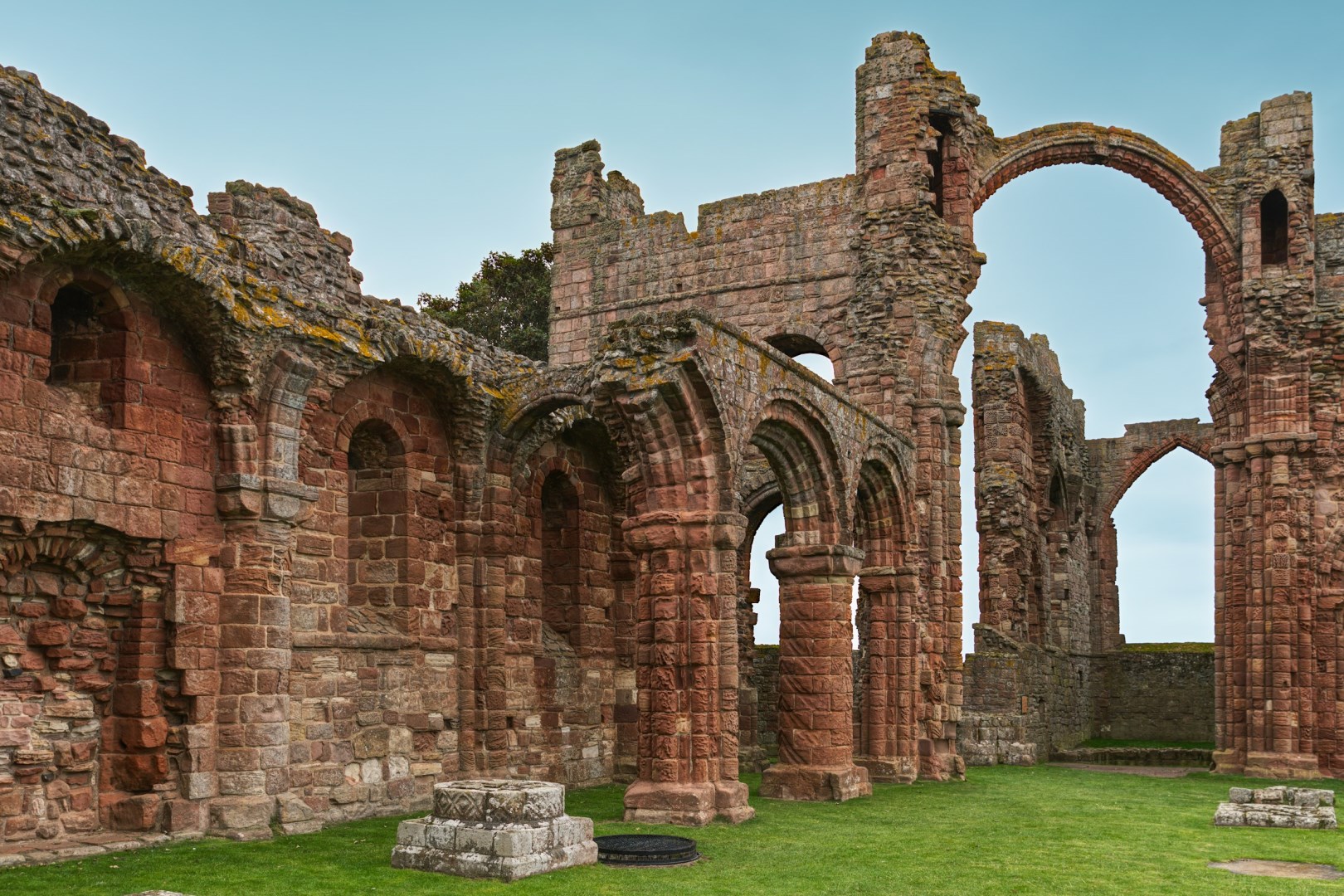
Holy Island
Holy Island, also known as Lindisfarne, is a tidal island off the Northumberland coast in northeast England. It is connected to the mainland by a causeway that is covered by the sea at high tide, making careful tide planning essential for access. The island’s compact village contains stone cottages, small shops, churches, and the remains of Lindisfarne Priory. Lindisfarne Castle stands on a rocky hill above the harbor, while beaches, dunes, salt marshes, and open shoreline surround the settlemen
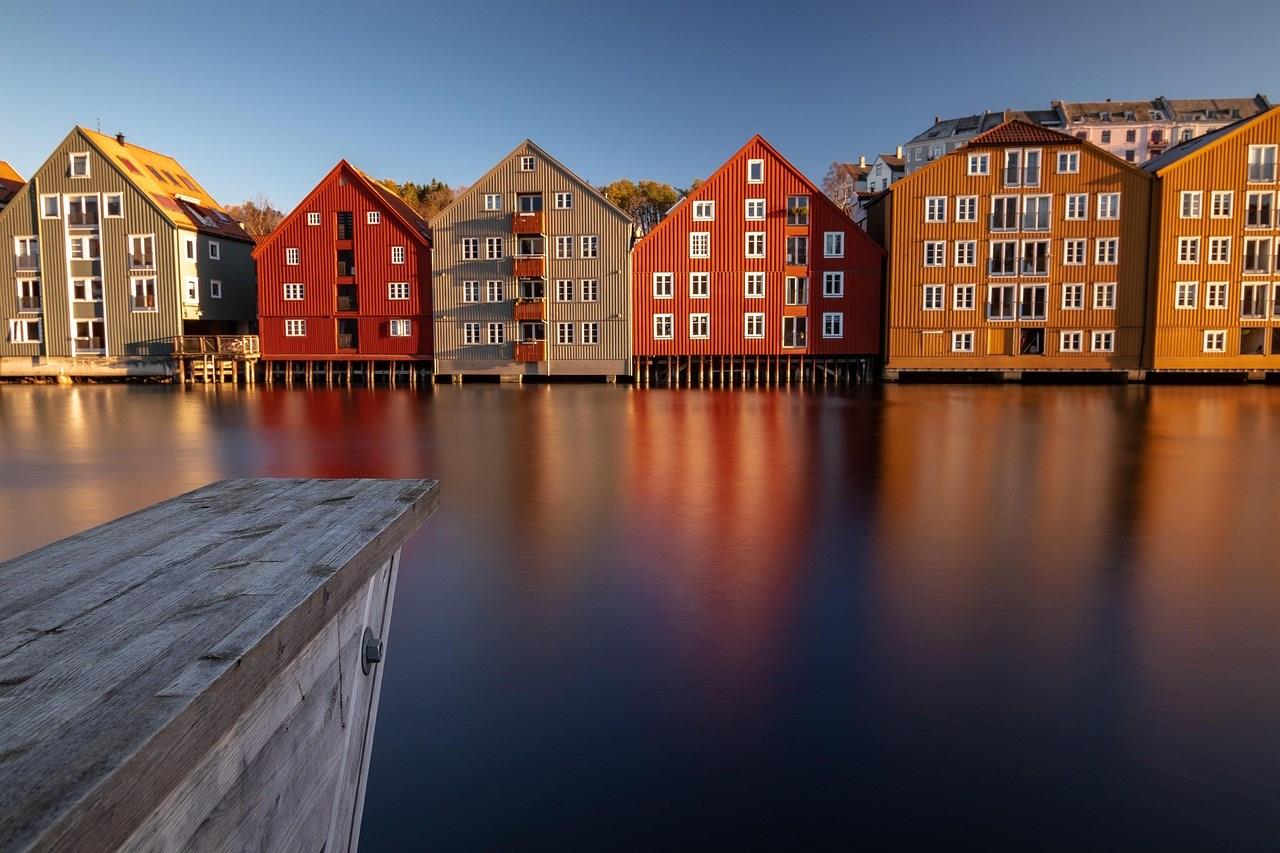
Sognefjord
Sognefjord stretches over 200 kilometers into Norway’s mountainous interior, making it the country’s longest and deepest fjord.
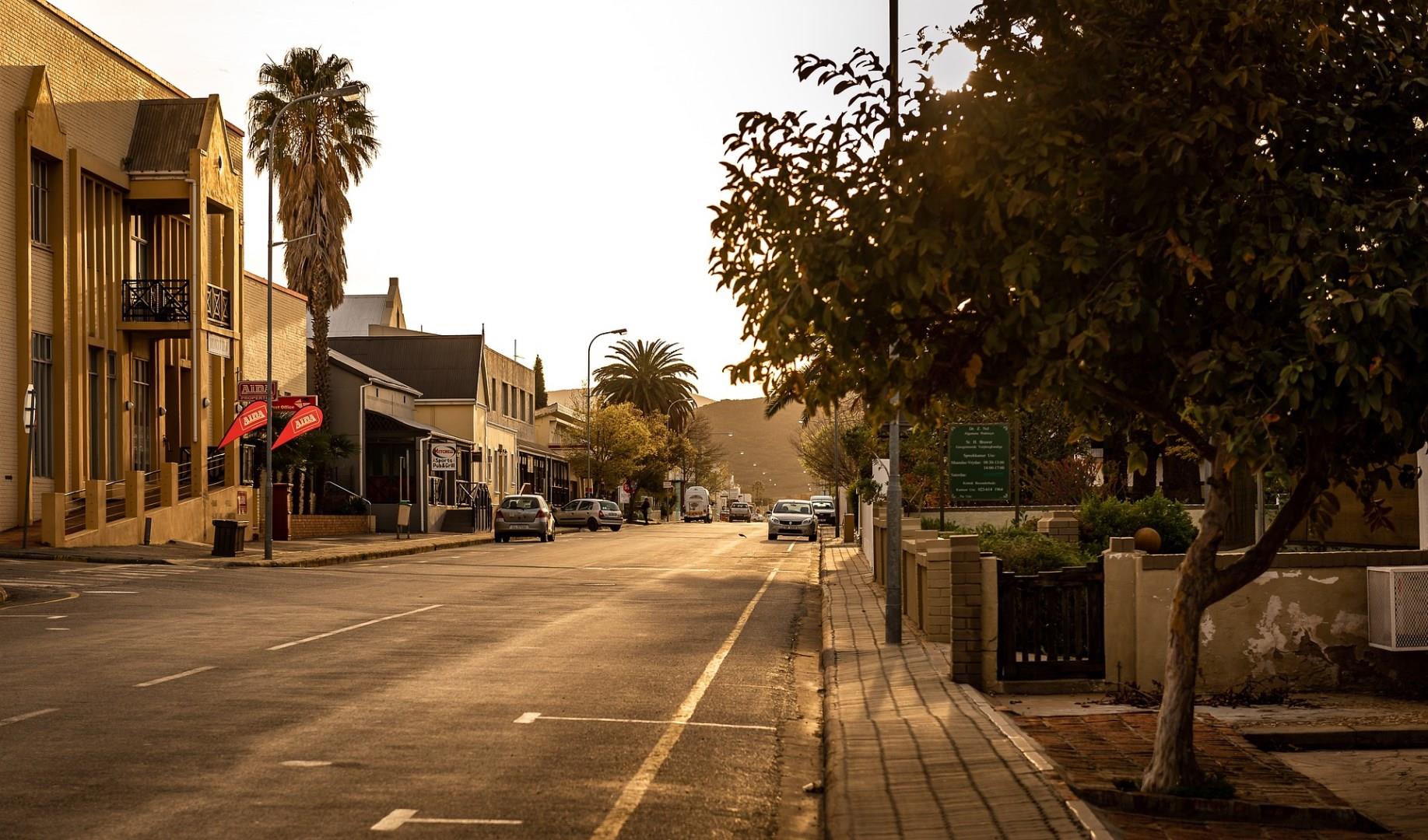
Montagu
Nestled in the heart of South Africa’s Western Cape, Montagu is a charming town renowned for its natural beauty and historical significance. Surrounded by rugged mountains and lush vineyards, Montagu is a gateway to the stunning Klein Karoo region. Visitors are drawn to its remarkable architecture, particularly the well-preserved Cape Dutch and Victorian buildings that line the streets, reflecting the town’s rich history.
