
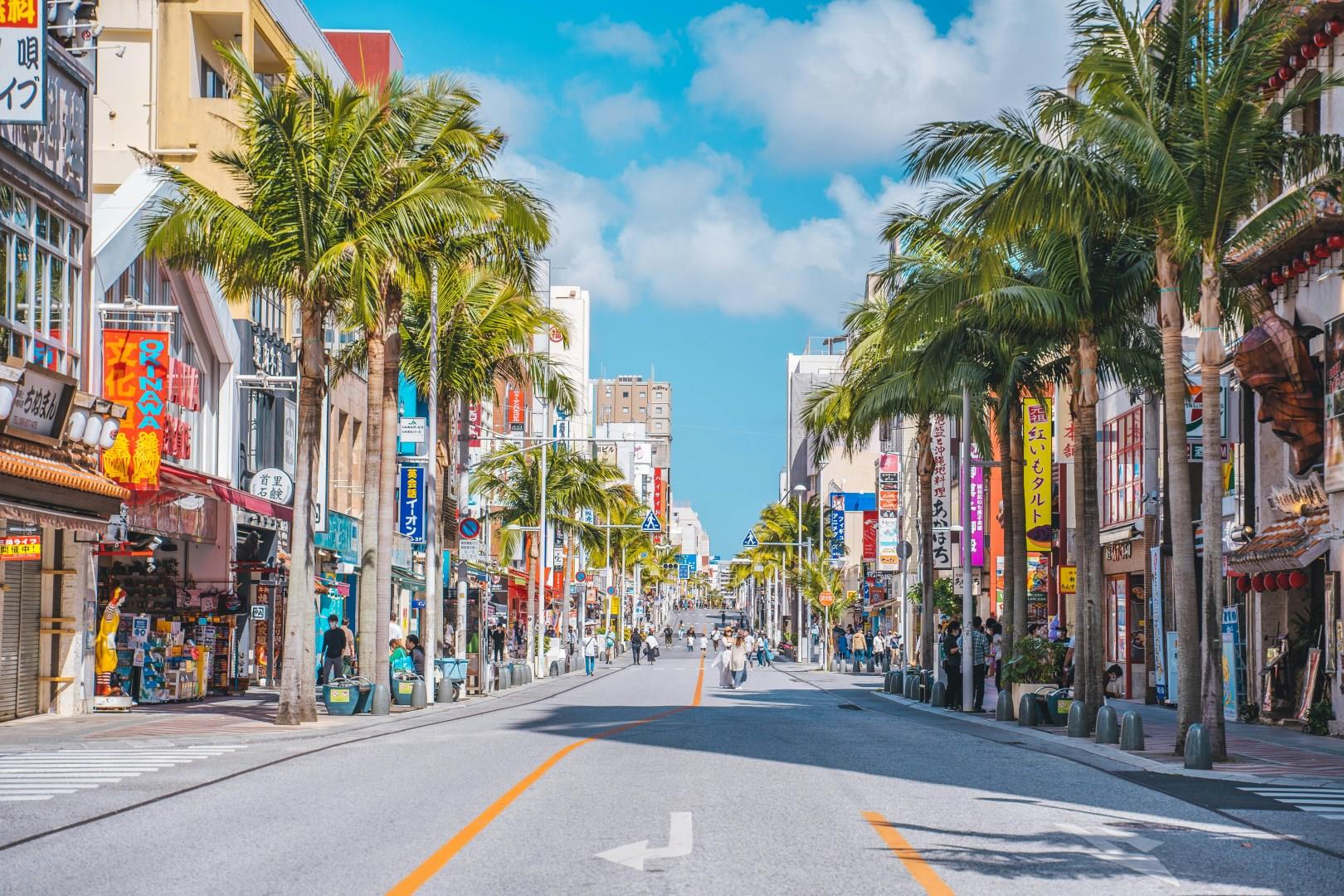
Naha
Naha is the cultural and administrative heart of Okinawa Island, shaped by its past as the capital of the Ryukyu Kingdom.
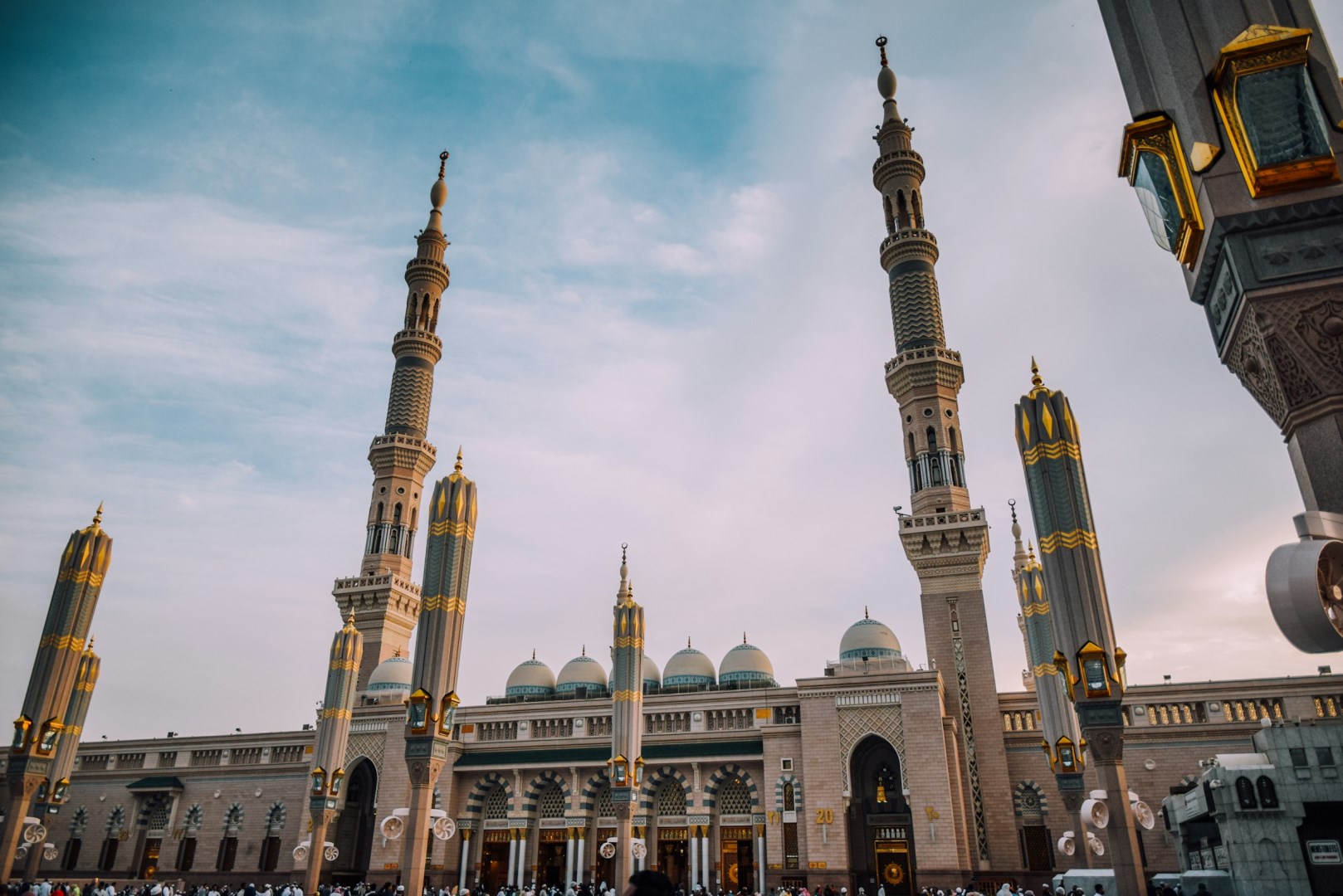
Madinah
Madinah, officially Al Madinah Al Munawwarah, is a city in western Saudi Arabia with a central place in Islamic history and religious life. The city developed around an oasis and is surrounded by volcanic hills and rocky terrain, giving its urban landscape a distinct setting. At its heart stands Al Masjid an Nabawi, the Mosque of the Prophet Muhammad, which is one of the most important religious sites in Islam.
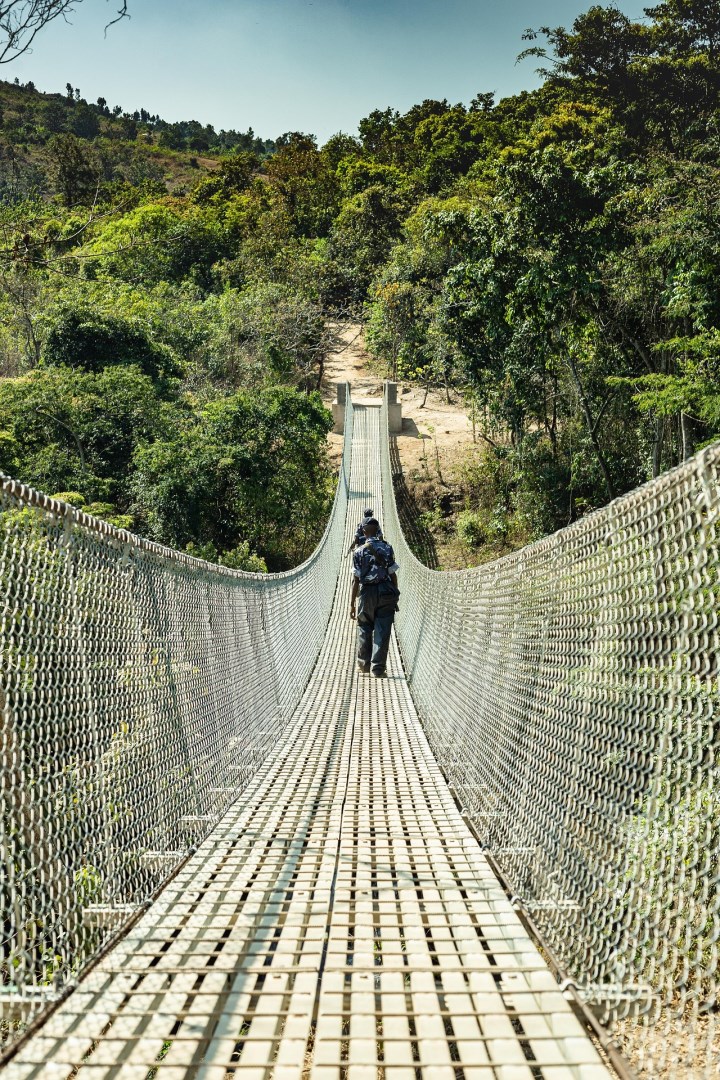
Rutana
Rutana is a town in southeastern Burundi and the administrative centre of Rutana Province. The town sits within a hilly landscape of cultivated slopes, valleys, and rural settlements, with the surrounding countryside forming part of Burundi's southern highlands. Rutana is particularly associated with the nearby Kagera Falls, also known as the Chutes de la Kagera, where a series of waterfalls descends through a green valley.
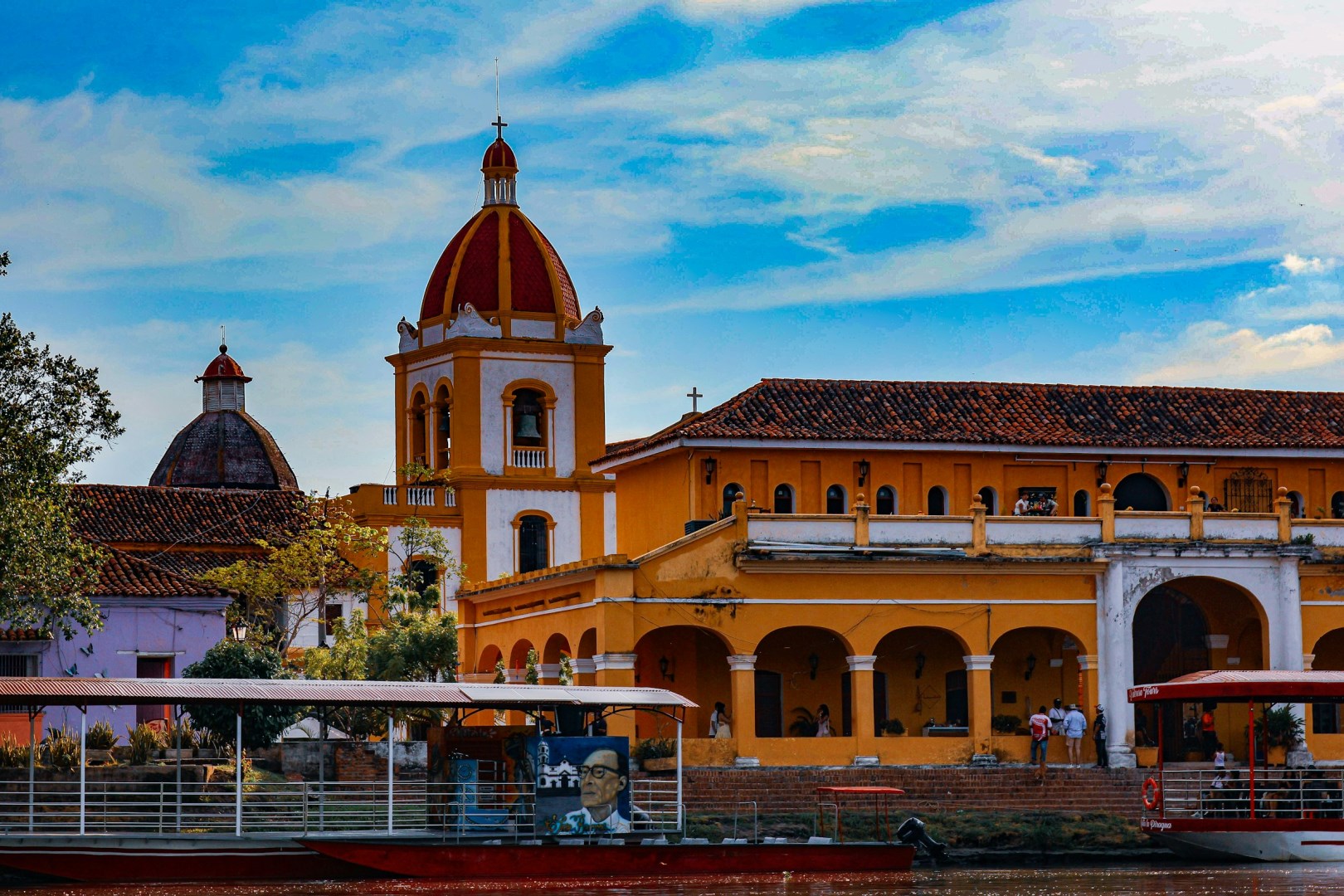
Santa Cruz de Mompox
Santa Cruz de Mompox, better known as simply Mompox (or Mompós), draws many visitors to northern Colombia with its rich history, well-preserved colonial architecture, and several annual events including its Holy Week celebrations and the Mompox Jazz Festival.
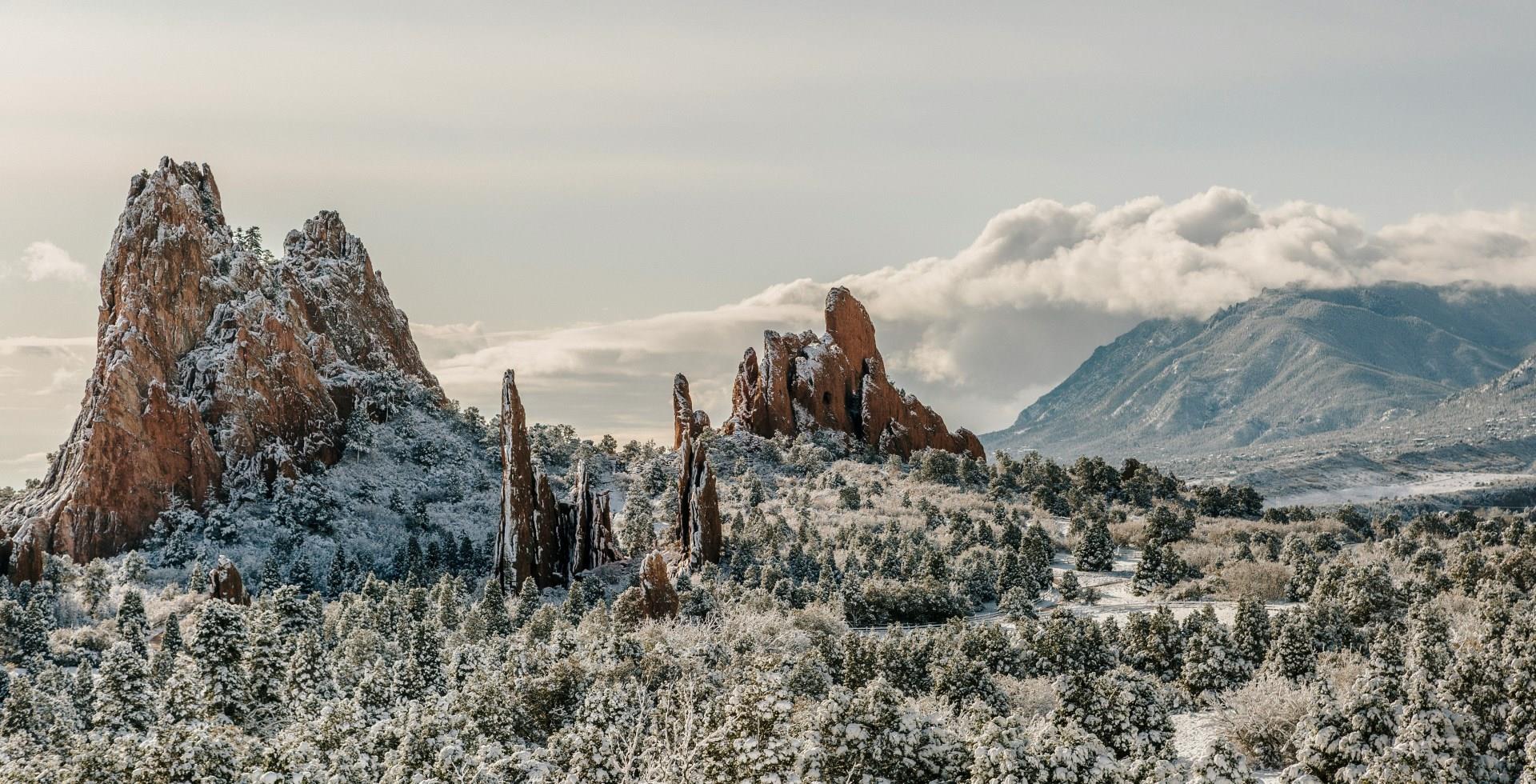
Colorado Springs
Modern-day Colorado Springs is flourishing, as the second largest city in Colorado. Fortunately, the unique features which attracted people long ago still remain. Nature entices with her array of textures and striking colors. People from all over the world visit to appreciate the countless natural and man-made attractions the Pikes Peak region has to offer.
