
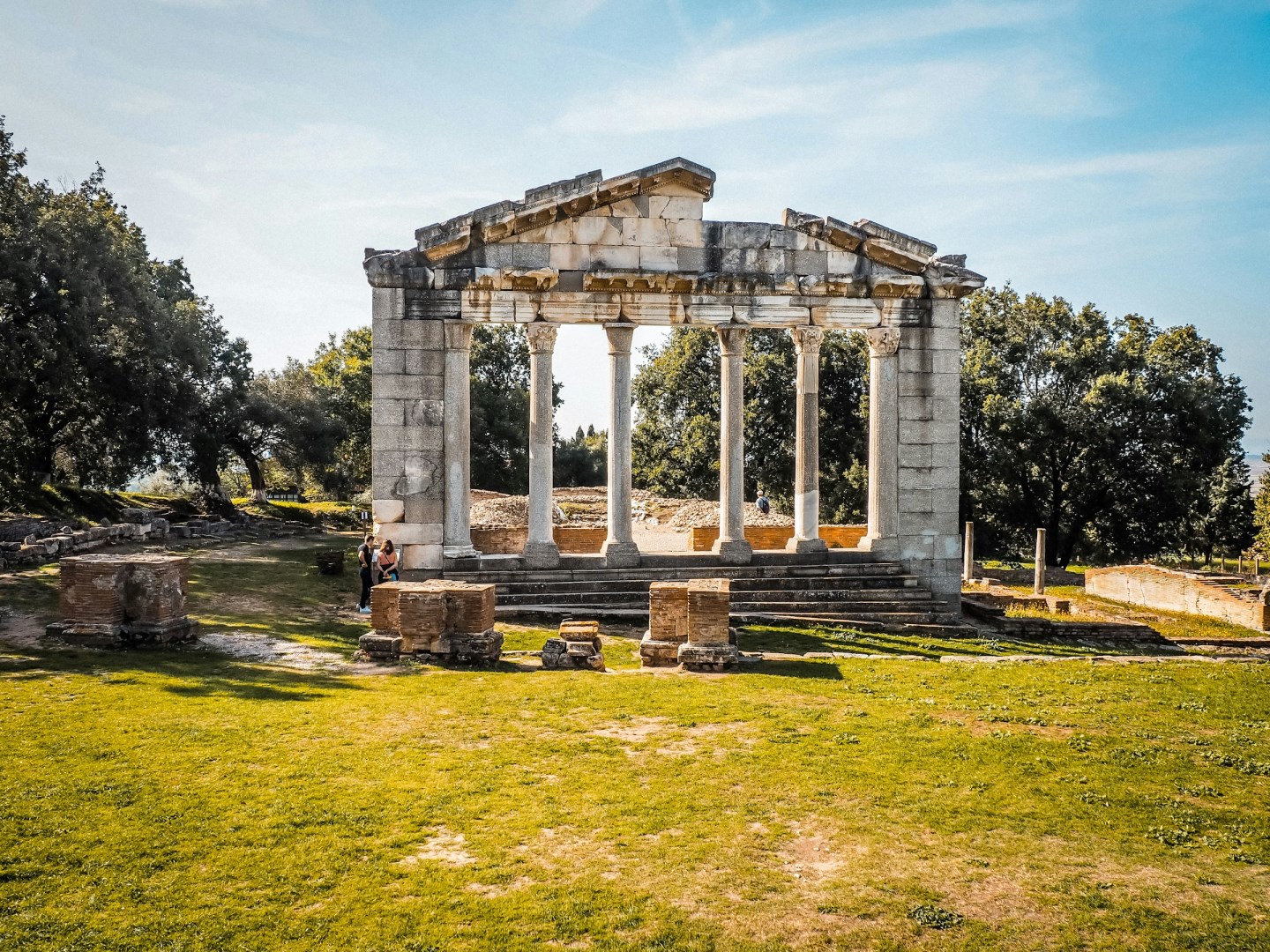
Apolonia
Apolonia, an ancient Roman city is famous for its exceptional ruins. See the city walls, the Bouletherion, the Odeon and the library.
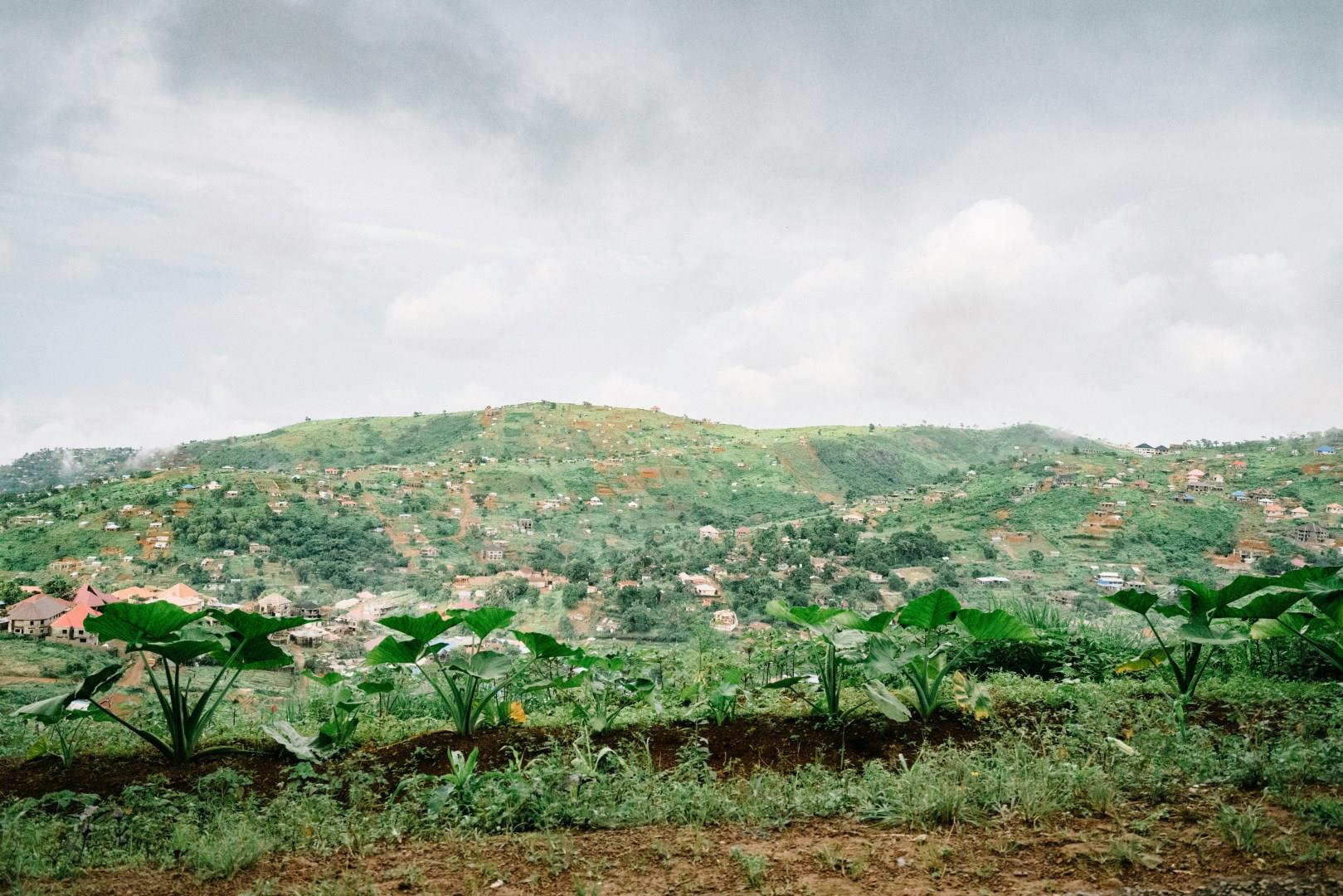
Freetown
Freetown, the capital of Sierra Leone, is a city where history and daily life intertwine along the shores of the Atlantic. Founded in 1792 as a settlement for freed slaves from Britain and the Americas, it remains a place of cultural depth and resilience.
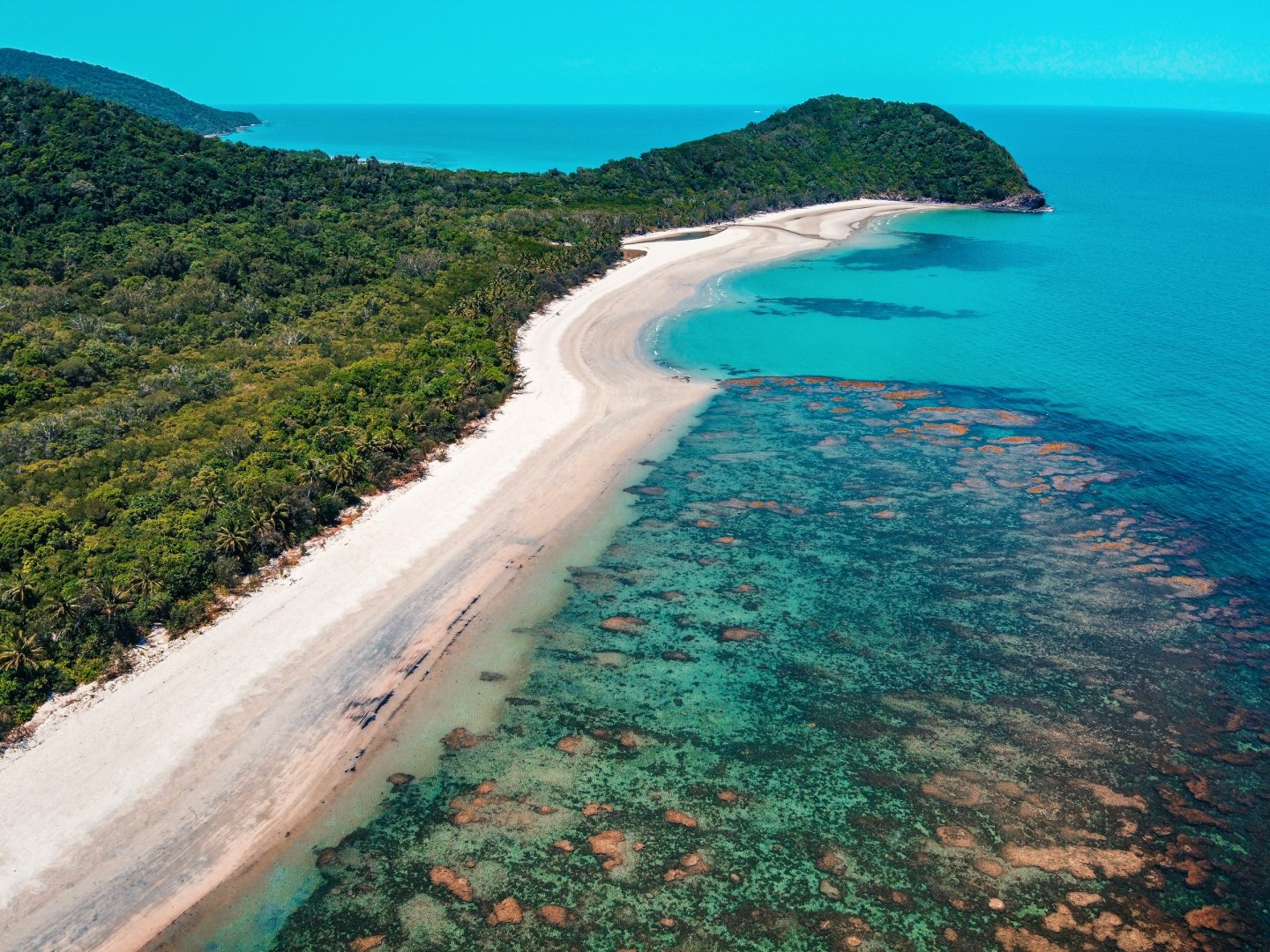
Cape Tribulation
The largest virgin tract of rainforest in Australia (and the second largest in the world), this lush, tropical World Heritage area is a living testimonial to the ancient rainforests which once covered the earth's surface. Cool forest streams, primitive rainforests, stunning mountain scenery and abundant wildlife - a naturalists and bird watchers paradise.
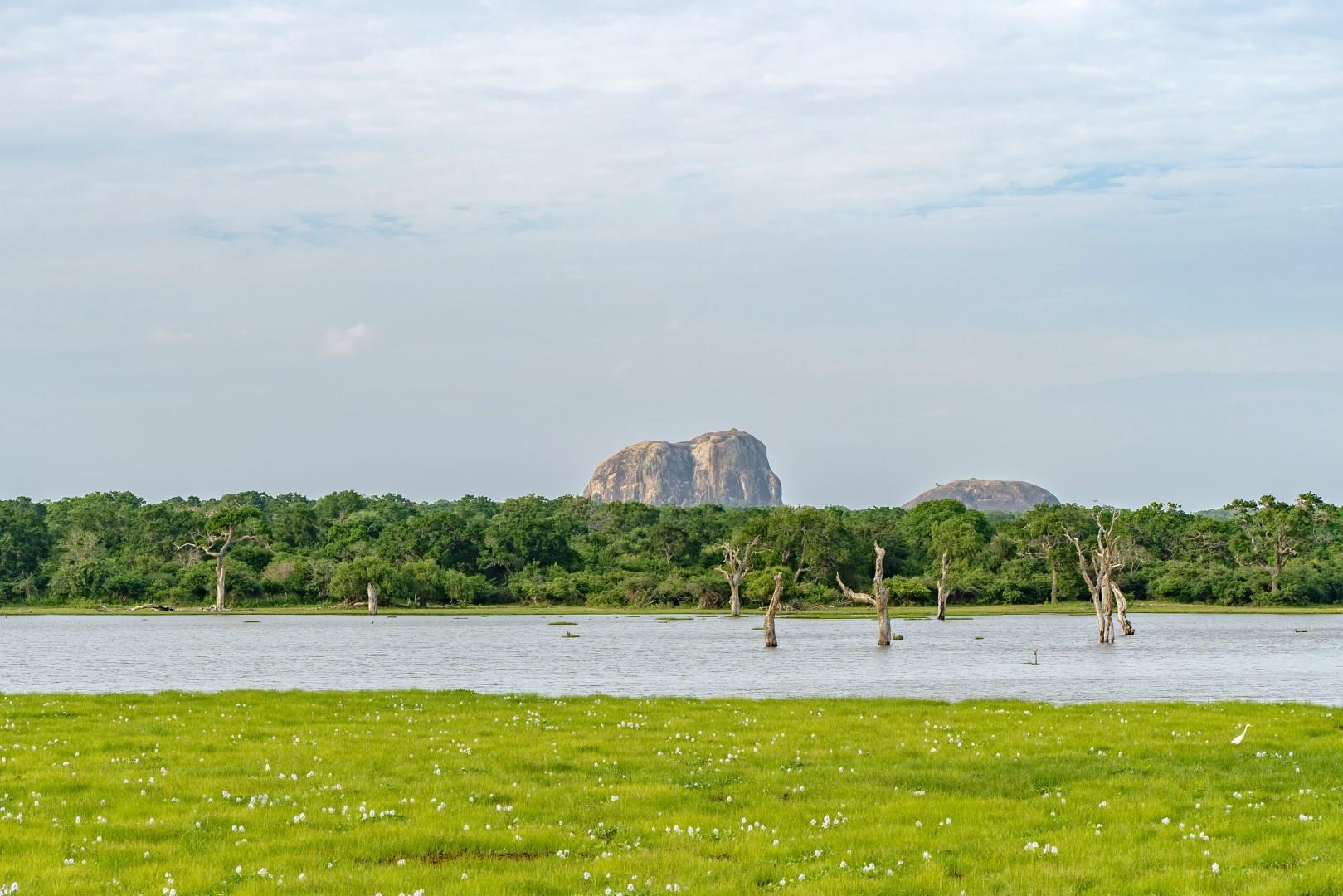
Yala National Park
Yala National Park sprawls across Sri Lanka’s southeast, where dry plains meet lagoons and the Indian Ocean’s shoreline. It is one of the country’s oldest protected areas, first set aside as a wildlife reserve in 1900 and later declared a national park in 1938, and today invites travelers to see life thrive in a wide range of landscapes, from scrubland to sandy beaches.
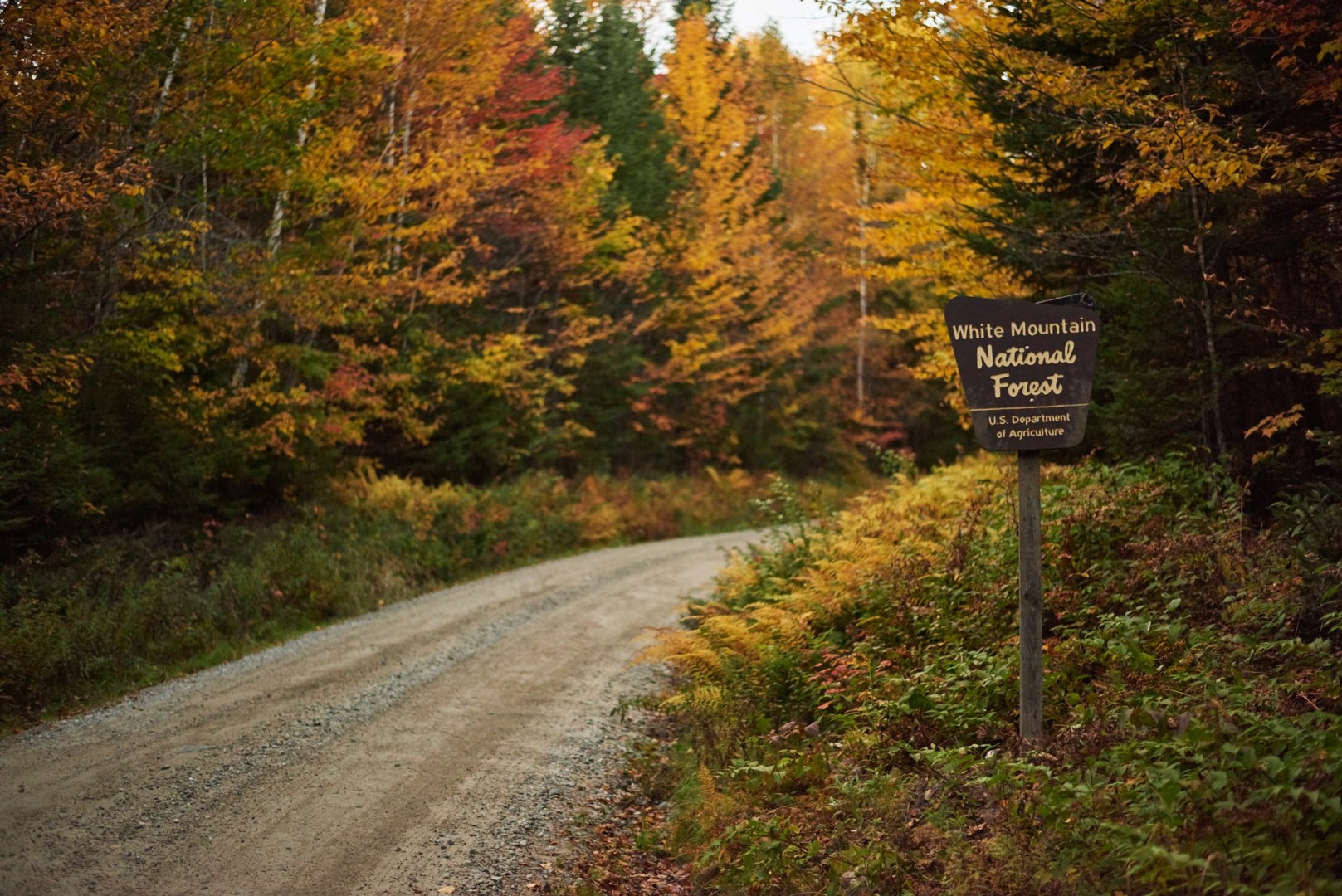
Carroll
Carroll is a small town in northern New Hampshire within the White Mountains region, known for its forested slopes, mountain views, and proximity to several major outdoor attractions. The town includes the village of Twin Mountain, which sits near the junction of several roads crossing the northern White Mountains. Its landscape is shaped by the Ammonoosuc River and surrounding peaks, including Mount Washington farther east.
