
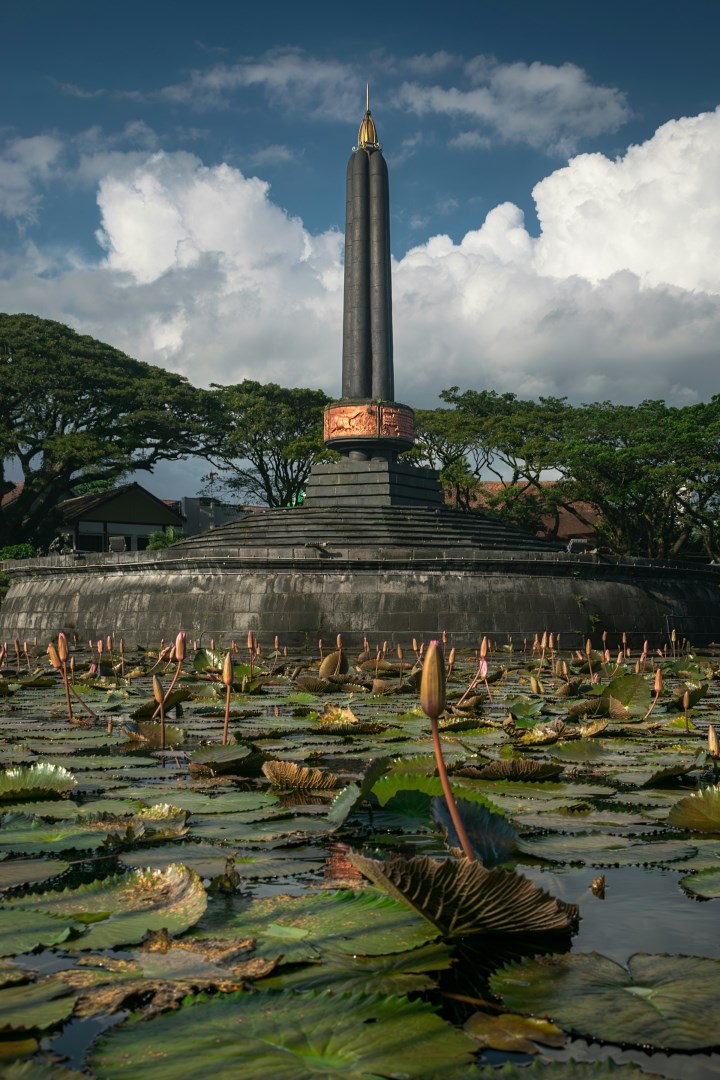
Malang
Malang, located in East Java, Indonesia, is a city known for its cool highland climate, colonial architecture, and rich Javanese heritage. Nestled between volcanic peaks and fertile valleys, it has long been a retreat for travelers seeking both cultural depth and natural beauty.

Clarksville
Clarksville, located along the Cumberland River in northwestern Tennessee, is a historic city that blends military heritage, cultural attractions, and scenic natural surroundings. Established in the late 18th century, Clarksville grew as a river trading hub and later became closely linked to Fort Campbell, a major U.S. Army base, which has shaped much of the city’s identity and economy.
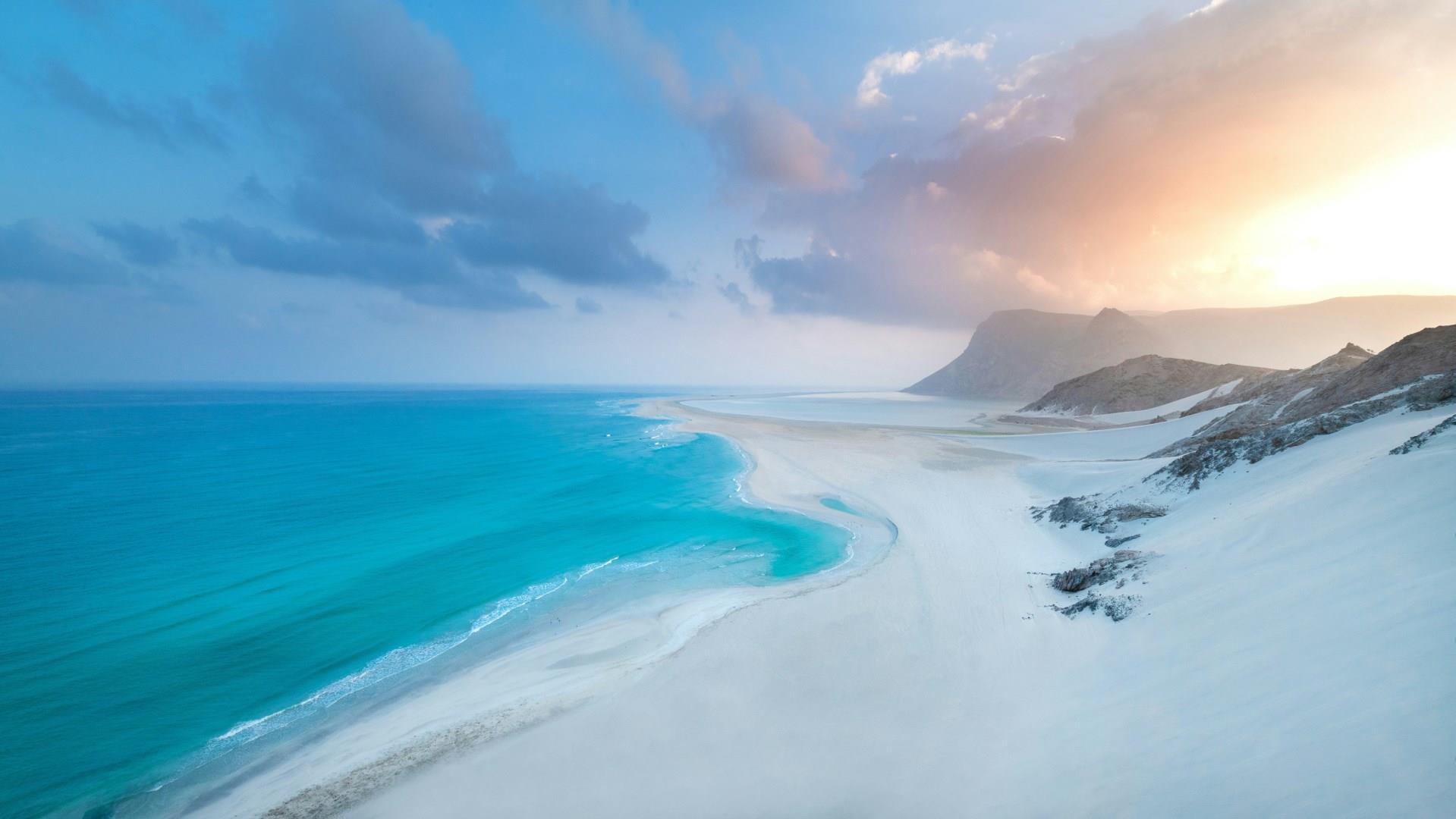
Socotra
Socotra rises from the Arabian Sea like a world apart, its landscapes shaped over millennia. The Dragon’s Blood Trees, with their umbrella-shaped crowns and deep red sap, stand among the most iconic sights here. In places like Dixam Plateau and Homhil Forest, these trees gather in sparse formations, creating scenes that feel both ancient and alien. The resin remains valued for traditional dyes and remedies.
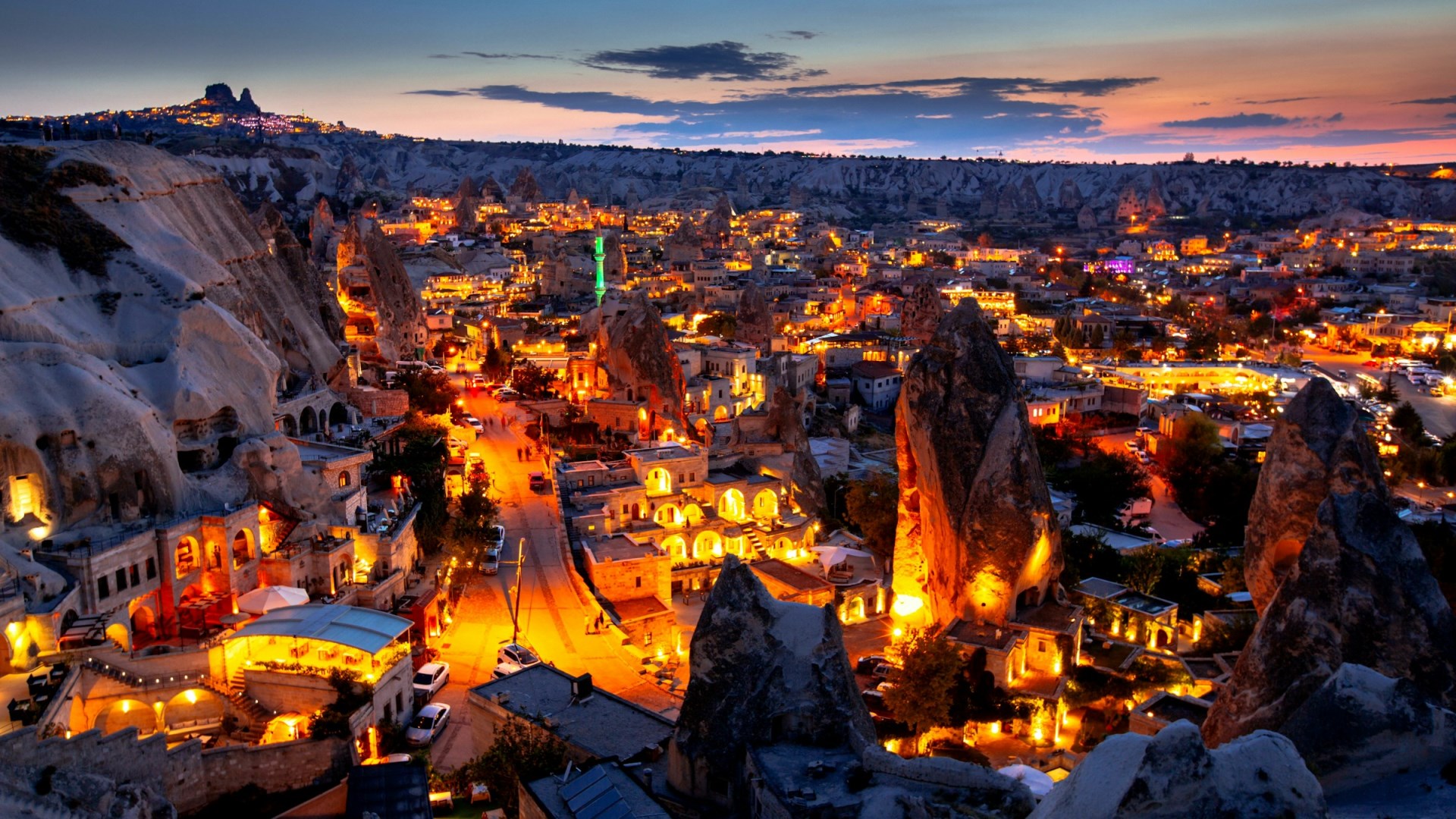
Göreme
Göreme is a small town in Türkiye's Cappadocia region, surrounded by a landscape of volcanic rock formations, valleys, and distinctive fairy chimneys. The soft tuff rock was shaped by erosion into pillars, cliffs, and sheltered valleys, while people carved homes, churches, storage rooms, and other spaces directly into the rock.
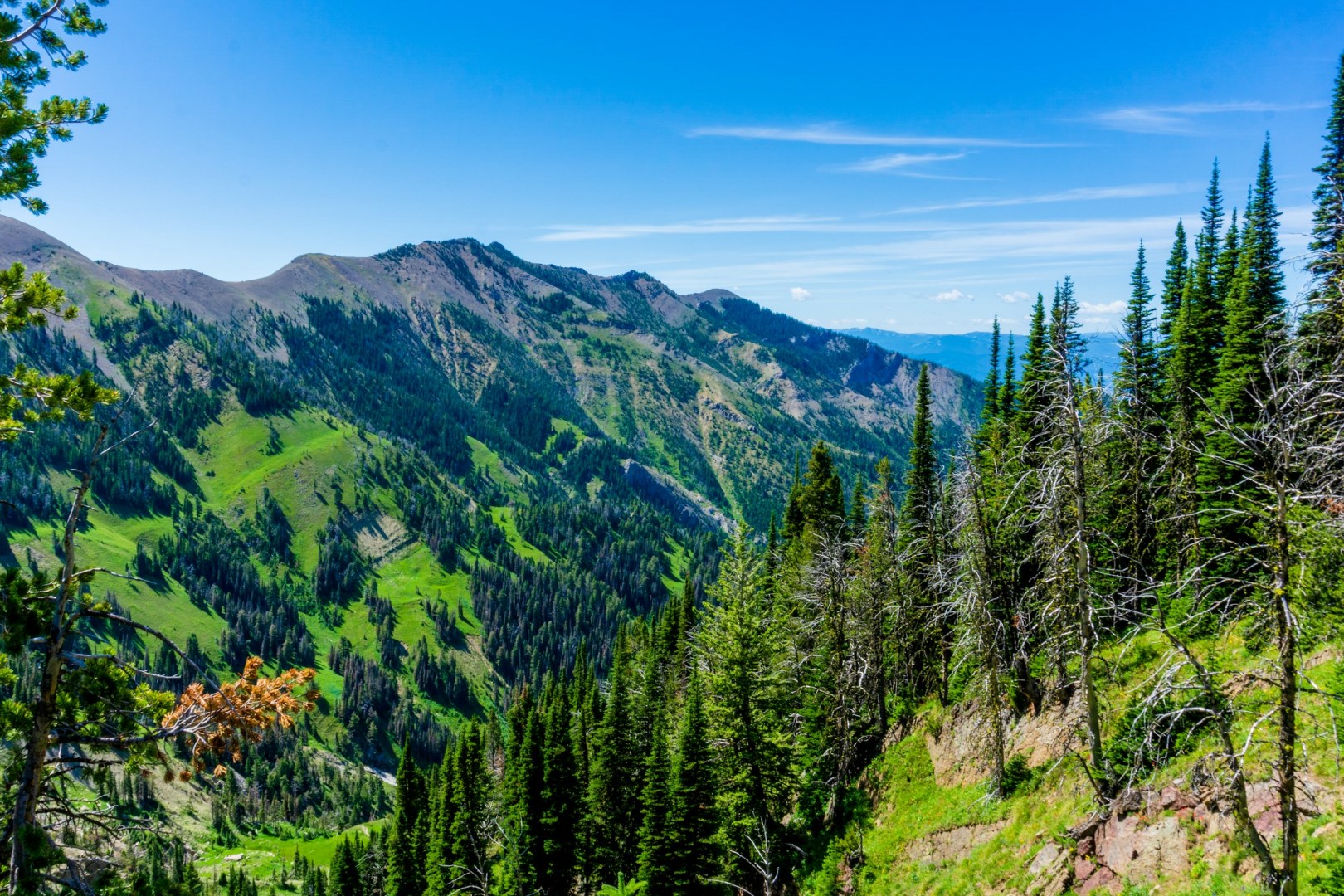
Bozeman
Bozeman, Montana, lies in the Gallatin Valley beneath the Gallatin, Bridger, Madison, and Absaroka mountain ranges. The city combines a historic downtown with a strong university presence and easy access to forests, rivers, and high-country recreation. Main Street remains the center of the older commercial district, with brick buildings housing restaurants, galleries, shops, and cafés.
