
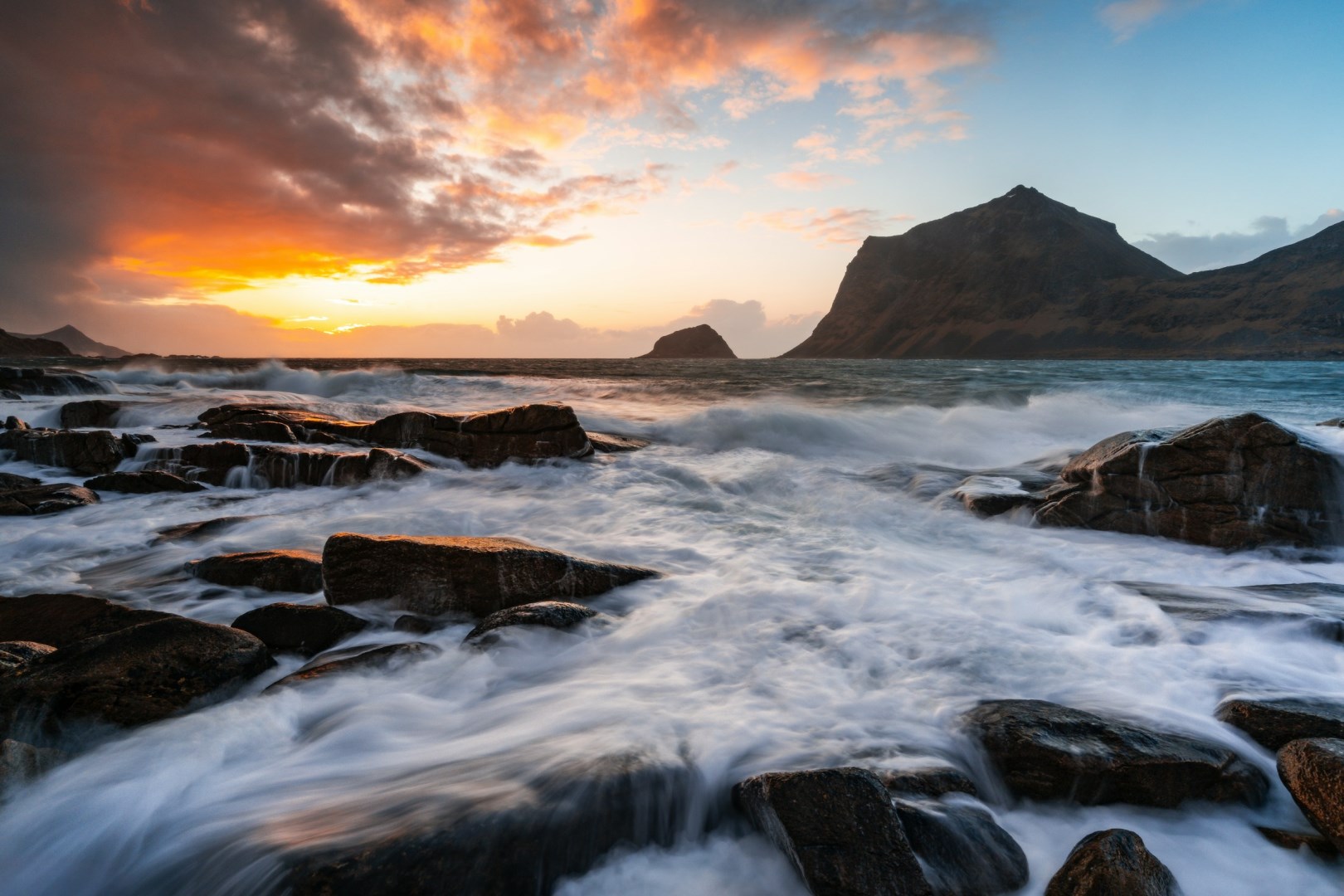
Leknes
Leknes sits in the heart of Norway’s Lofoten Islands, a small town shaped more by geography than by long urban history. It developed as a regional hub for farming, fishing, and transport, serving surrounding villages spread across Vestvågøy. Rather than presenting a preserved past, Leknes reflects contemporary life in the north, practical and closely tied to seasonal rhythms.

Amantani
Amantani is an island in Lake Titicaca, Peru, known for its high-altitude landscapes, agricultural terraces, and Quechua-speaking communities. Located in the lake’s Peruvian waters, the island is home to small settlements spread across hillsides that rise above the water. Unlike larger lakeside destinations, Amantani has few paved roads and no major commercial center, so daily life remains closely connected to farming, weaving, and community activities.
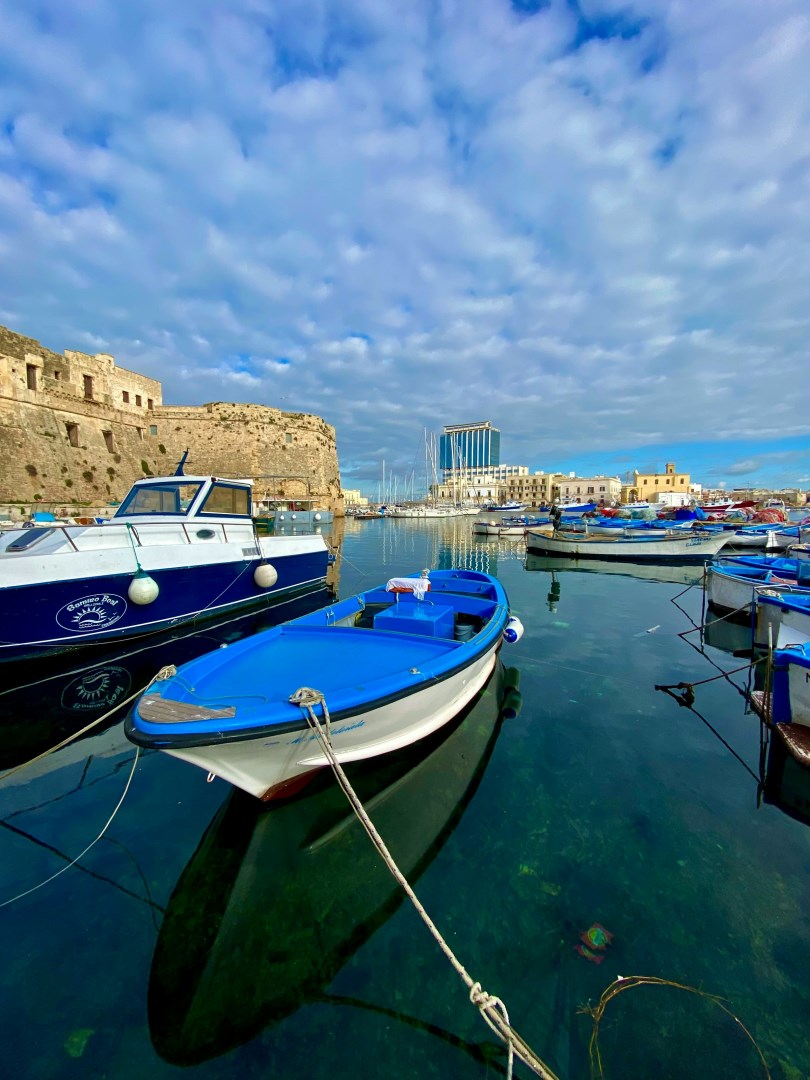
Gallipoli
Gallipoli is a coastal town in Puglia’s Salento peninsula, built around an old city that occupies a limestone island just offshore from the modern mainland. A bridge connects the historic island with the newer part of town, creating a distinctive layout shaped by the sea. The old center contains narrow streets, whitewashed buildings, small squares, churches, and remnants of defensive walls, while the waterfront opens toward the Ionian Sea.
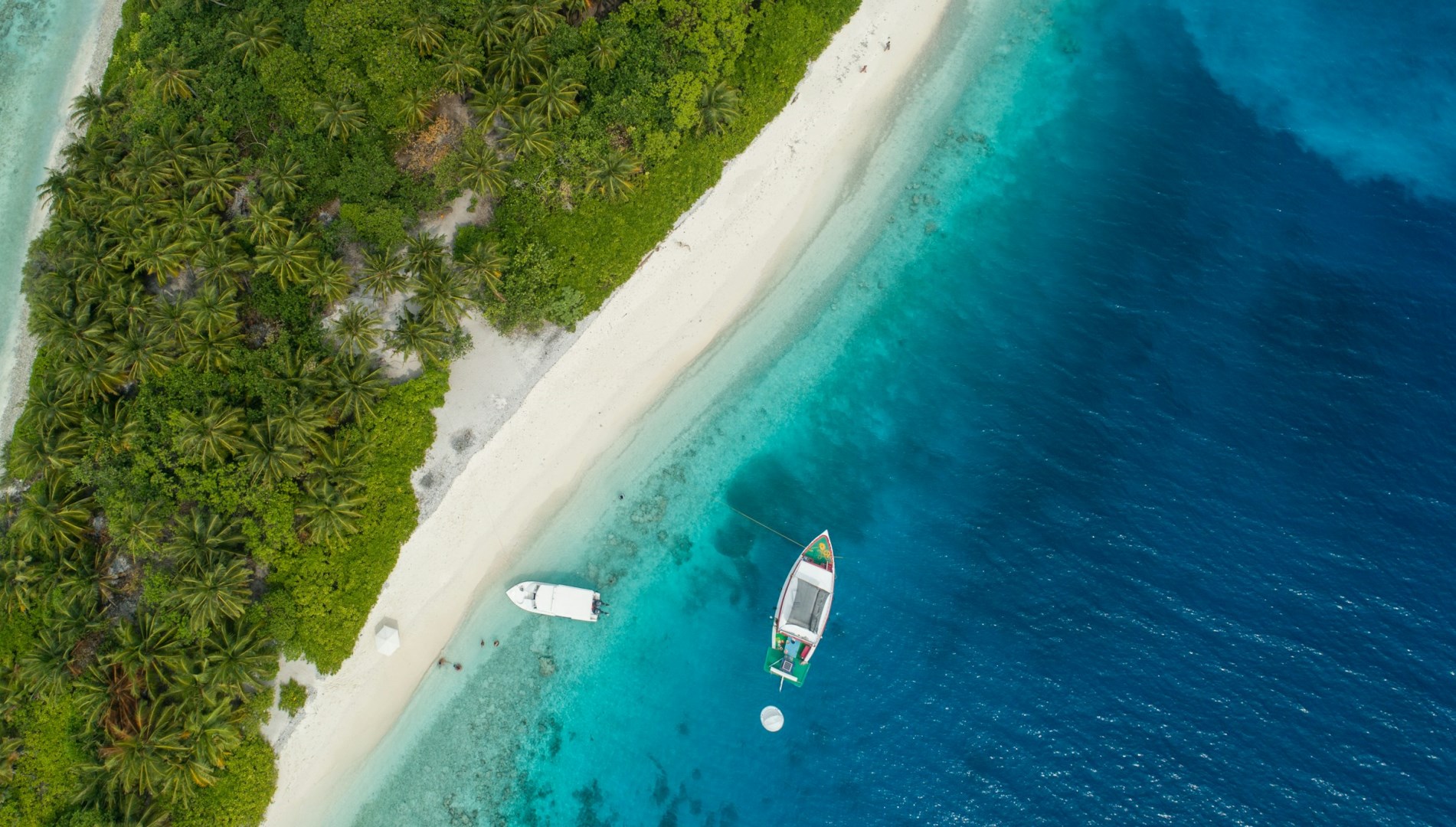
Vaavu Atoll
Vaavu Atoll lies south of Malé and is known for its relatively small population, numerous uninhabited islands, clear lagoons, and extensive coral reefs. Felidhoo is the administrative capital, while Thinadhoo, Keyodhoo, and Fulidhoo are among the better-known inhabited islands. The atoll has a quieter character than the more developed areas closer to the capital, with guesthouses, fishing communities, and resorts spread across separate islands.
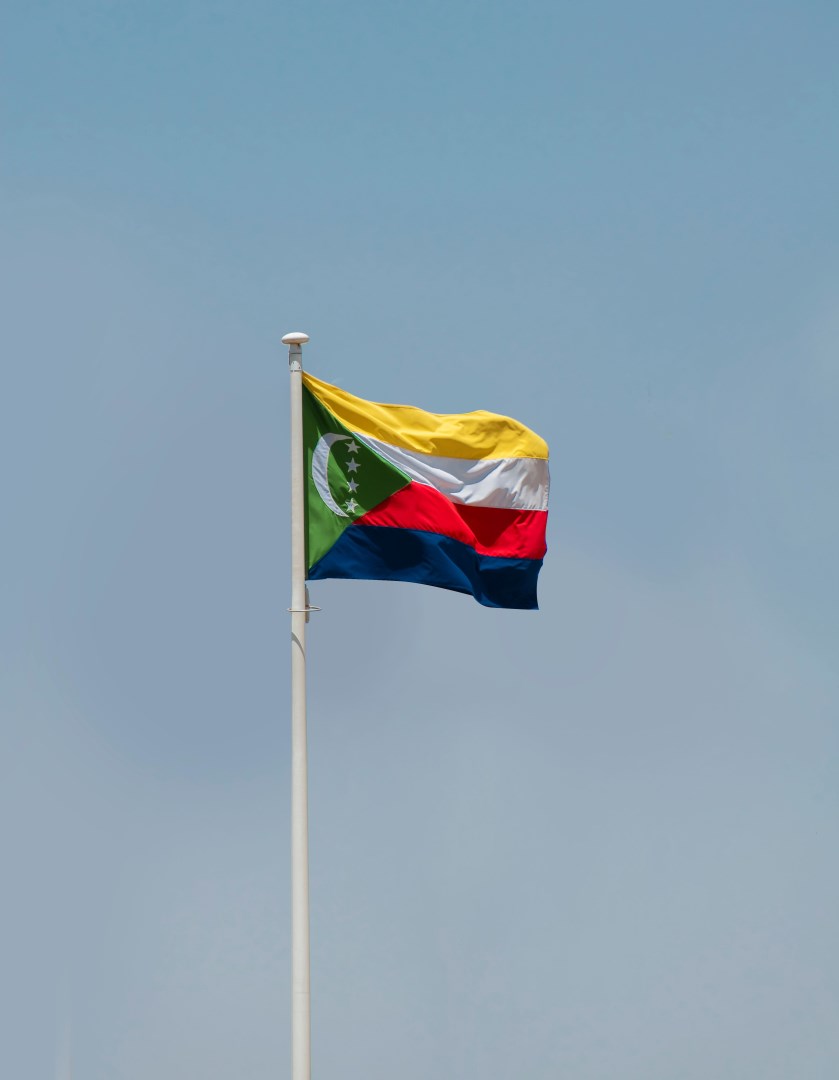
Comoros
Comoros, independent state comprising a group of islands located at the northern entrance of the Mozambique Channel, between the African mainland and the island of Madagascar. Officially called the Federal Islamic Republic of the Comoros, the archipelago includes four major islands.
