
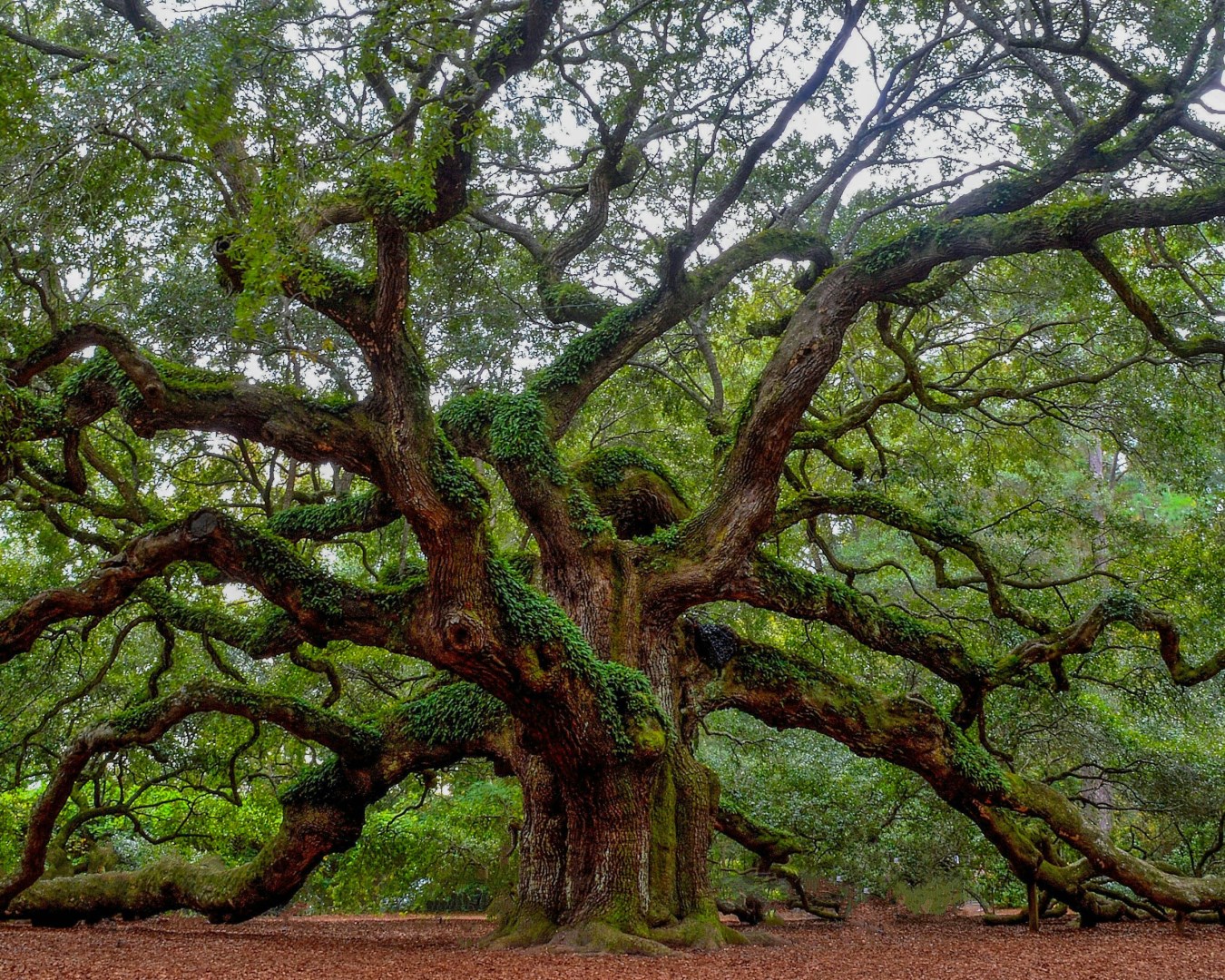
Charleston
Charleston, South Carolina, is a gem of Southern charm and history, offering an immersive travel experience in a beautifully preserved city. Known for its cobblestone streets and antebellum architecture, Charleston's historic district is a living museum where visitors can stroll past colorful row houses and elegant mansions. Key landmarks include the Battery and Rainbow Row, a series of pastel-colored houses that are among the city's most photographed sites.

Kagoshima
Kagoshima, Japan offers a captivating blend of natural beauty, cultural heritage, and culinary delights. Nestled on the southwestern tip of Kyushu, this city is famously dominated by the imposing Sakurajima volcano, one of Japan’s most active volcanoes. Visitors can take a ferry to get up close to the volcano or view it from the Kagoshima City Viewpoint for breathtaking panoramic views.
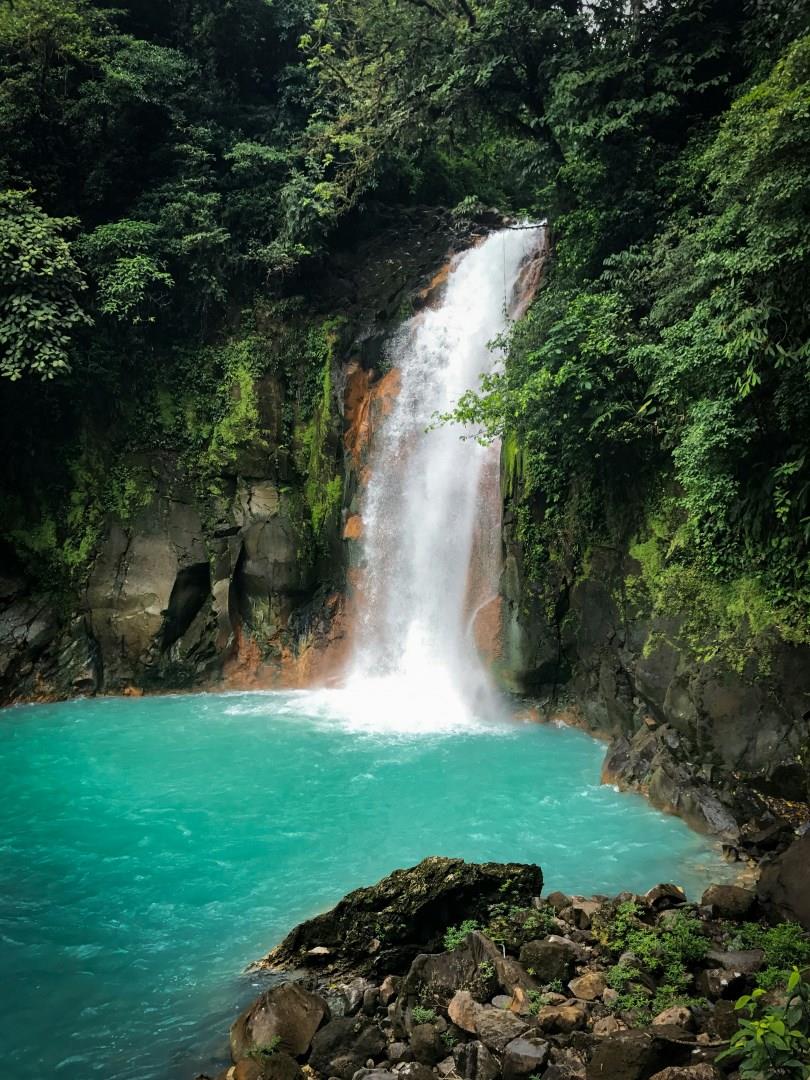
Celeste River
Hidden in the northern region of Costa Rica, the Celeste River (Río Celeste) winds through Tenorio Volcano National Park with a color so vivid it seems unreal. The river’s striking turquoise hue is caused by a natural chemical reaction between two mineral-rich streams, Quebrada Agria and Río Buena Vista, which merge at a point known as "El Teñidero." This one-of-a-kind phenomenon creates the illusion that the water has been dyed blue, even though no pigments are present.
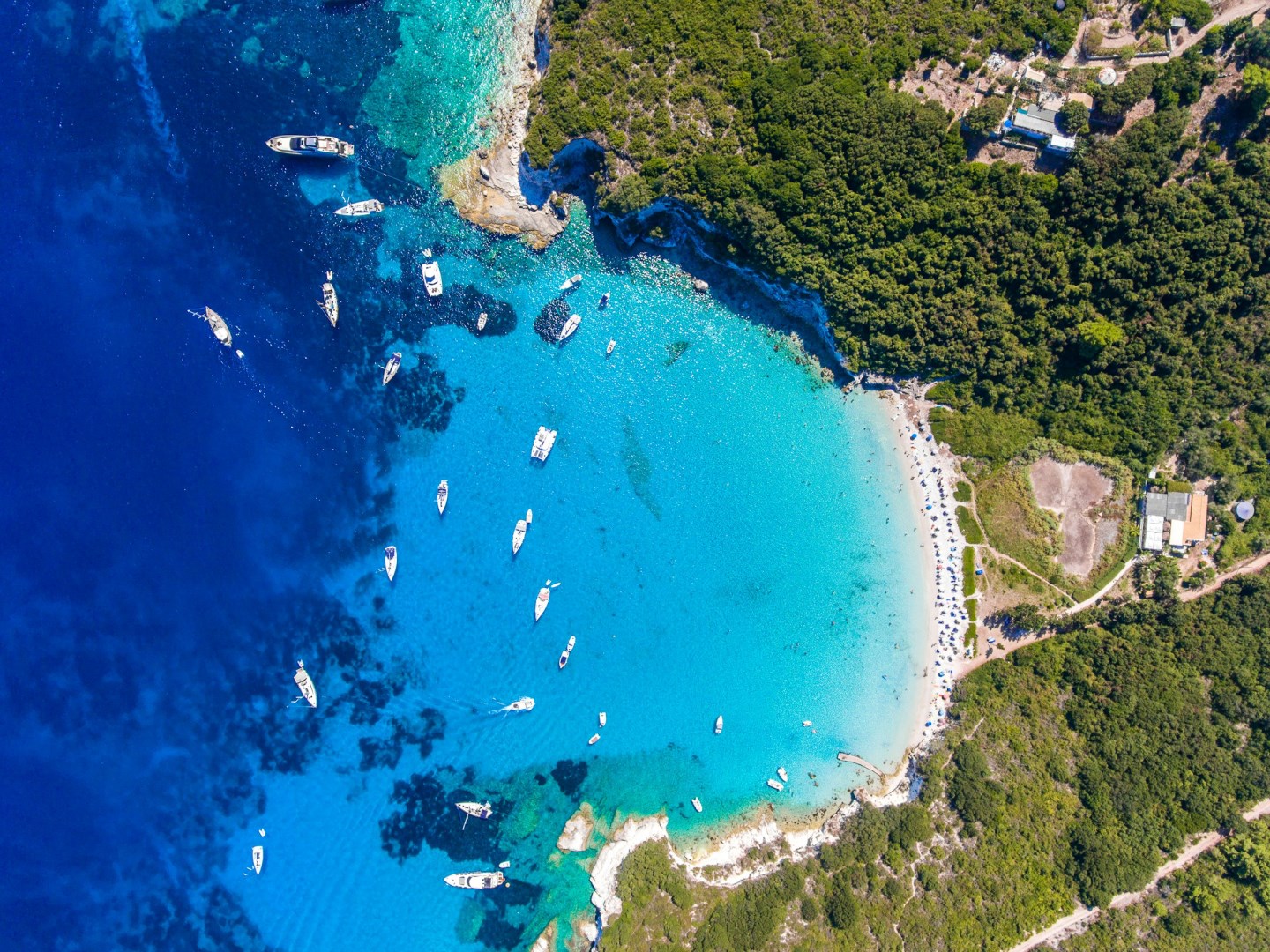
Antipaxos
Antipaxos is a small Ionian island southeast of Paxos, separated from its larger neighbor by a short boat journey from Gaios. Covering roughly 4.5 square kilometers, it has a gently rolling landscape of vineyards, olive groves, pine trees, and low Mediterranean vegetation. The island has no large settlement and is known mainly for its beaches, particularly Voutoumi and Vrika, where white sand or pale pebbles meet clear blue-green water.
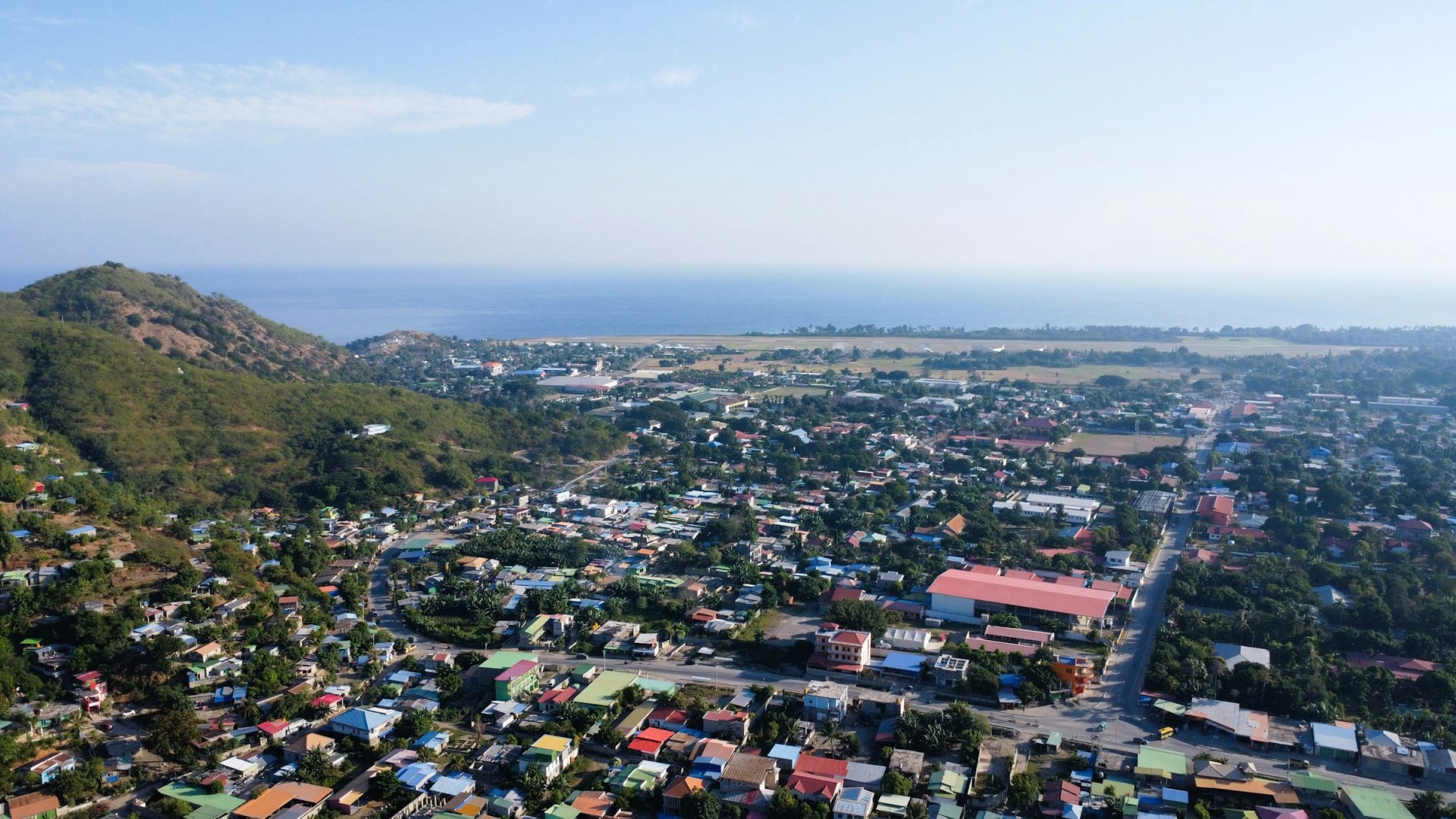
Dili
Dili is the capital and largest city of Timor-Leste, set along the country's northern coast between the sea and rugged mountain slopes. The city stretches around a broad bay, with beaches, government buildings, markets, residential neighborhoods, and busy streets forming its urban landscape. Mountains rise immediately south of the city, while the Ombai Strait extends north toward Atauro Island.
