
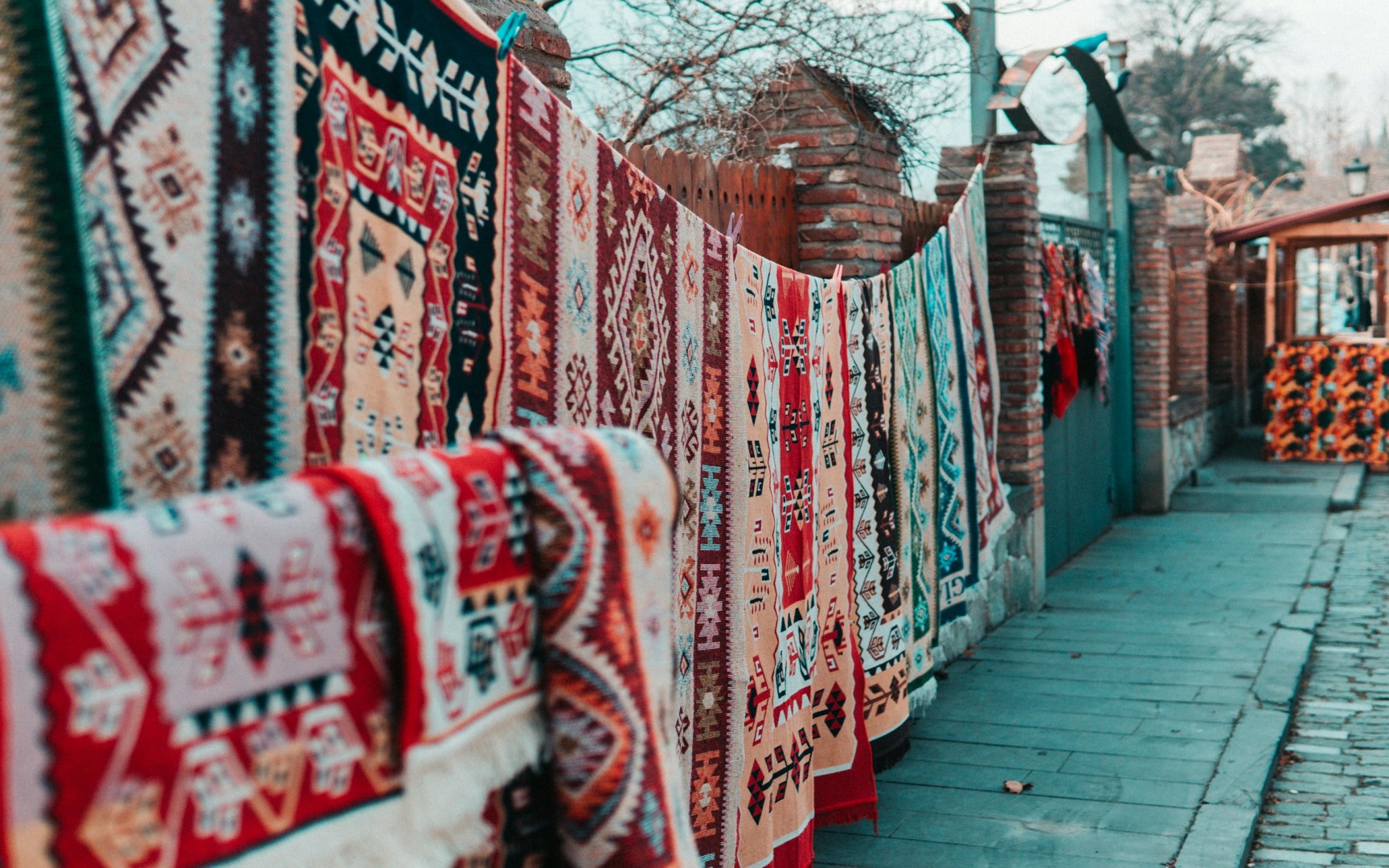
Mtskheta
Mtskheta is a historic town in central Georgia, located at the meeting point of the Mtkvari and Aragvi rivers, about 20 kilometers northwest of Tbilisi. It served as the ancient capital of the Georgian kingdom of Kartli and remains one of the country's most important religious and cultural centers. The town sits within a landscape of river valleys, wooded hills, and mountain slopes, with historic churches rising above its compact streets.
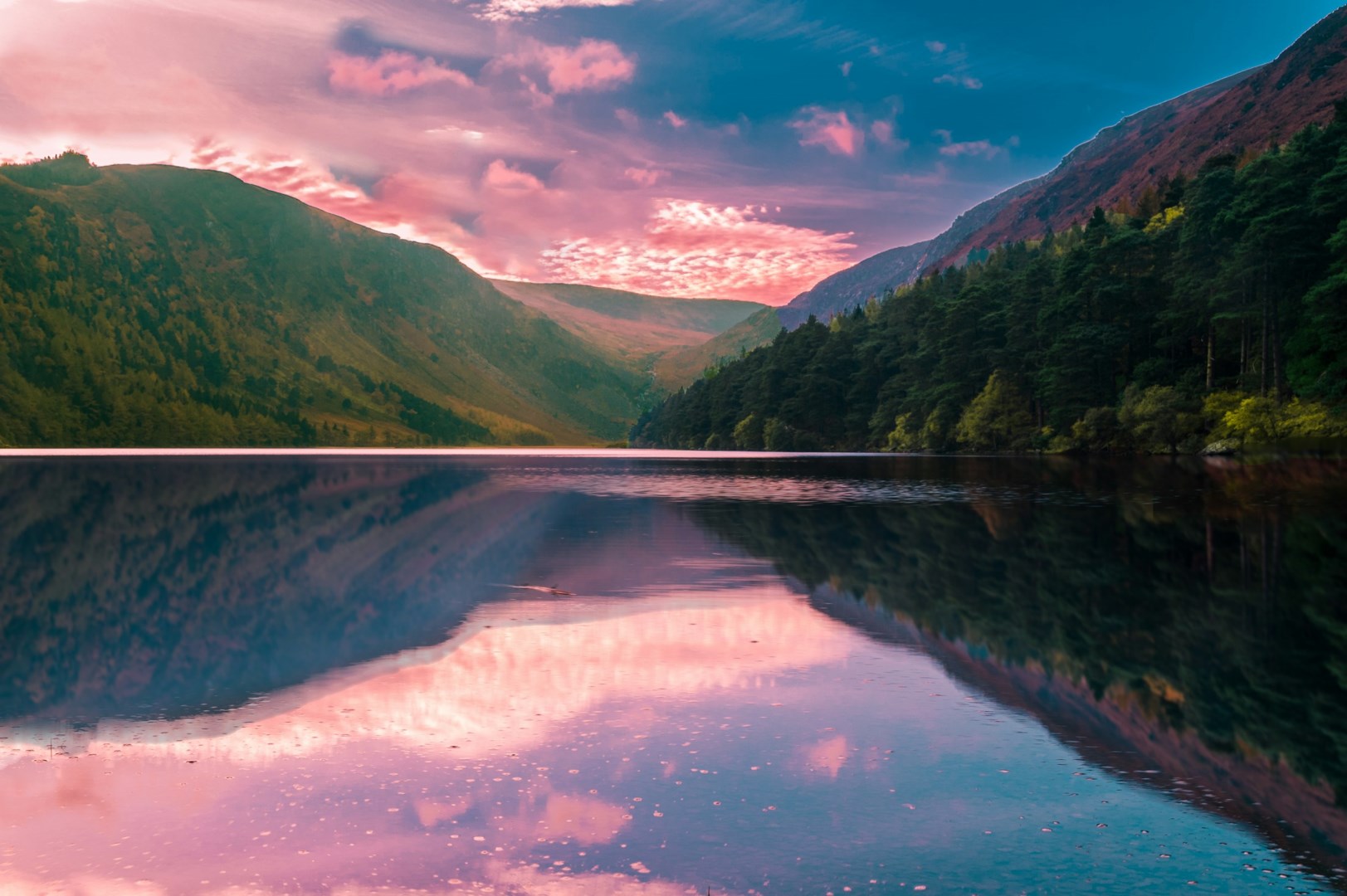
Wicklow
Wicklow is a coastal town in County Wicklow on Ireland’s east coast, positioned around a sheltered harbor where the Vartry River meets the Irish Sea. Known locally as the county town, it combines a working harbor, historic streets, coastal walks, and access to the wider landscapes of the Garden County. The ruins of Black Castle stand on a rocky headland above the harbor, while the Murrough provides a broad coastal wetland for walking and wildlife observation.
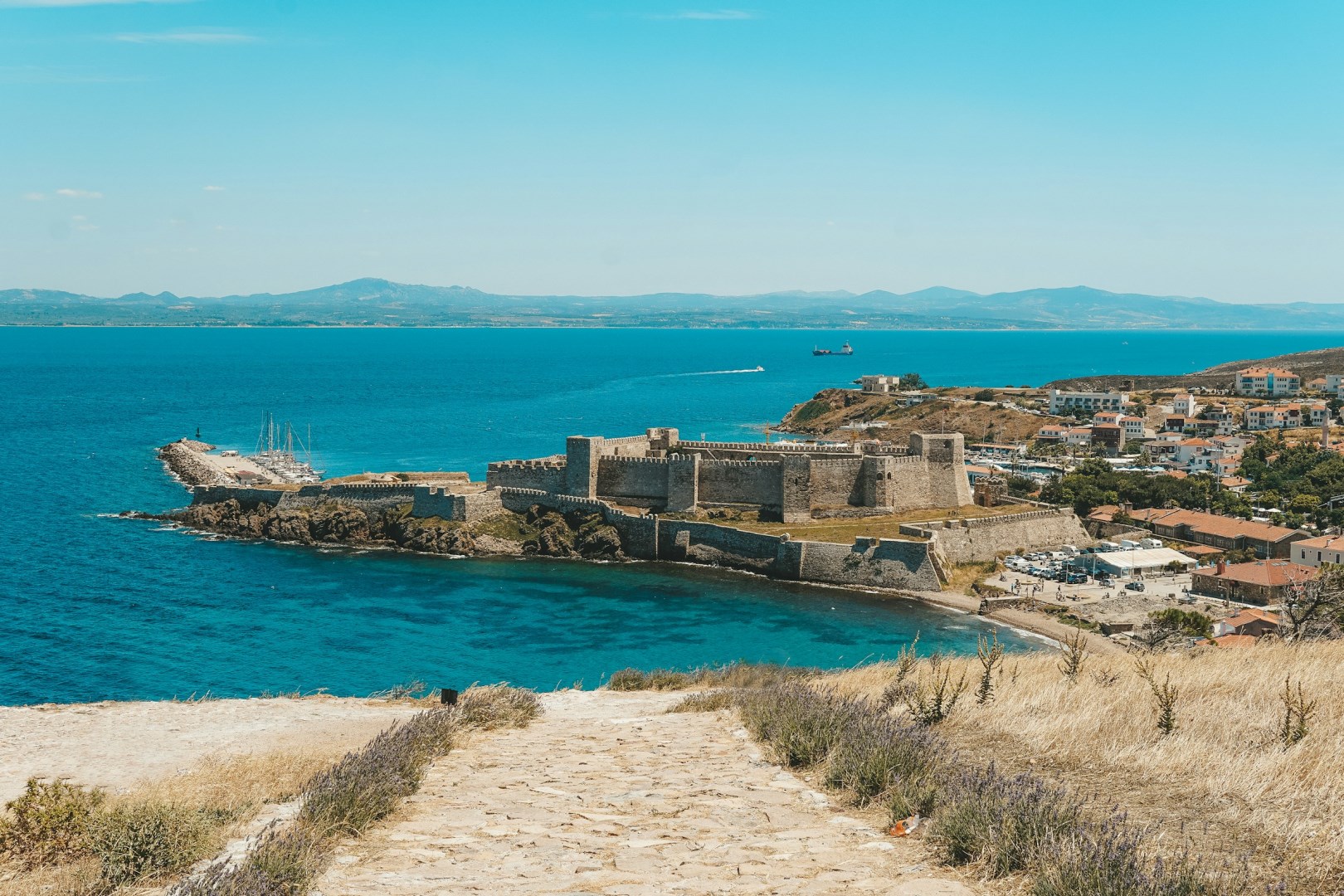
Bozcaada
Bozcaada is a small Turkish island in the northeastern Aegean, off the coast of Çanakkale and near the entrance to the Dardanelles. Formerly known as Tenedos, it is Turkey’s third-largest island and is known for its whitewashed houses, narrow streets, vineyards, and windswept coastline. The harbor is dominated by Bozcaada Castle, while the old town extends behind the waterfront with cafés, shops, and traditional houses.
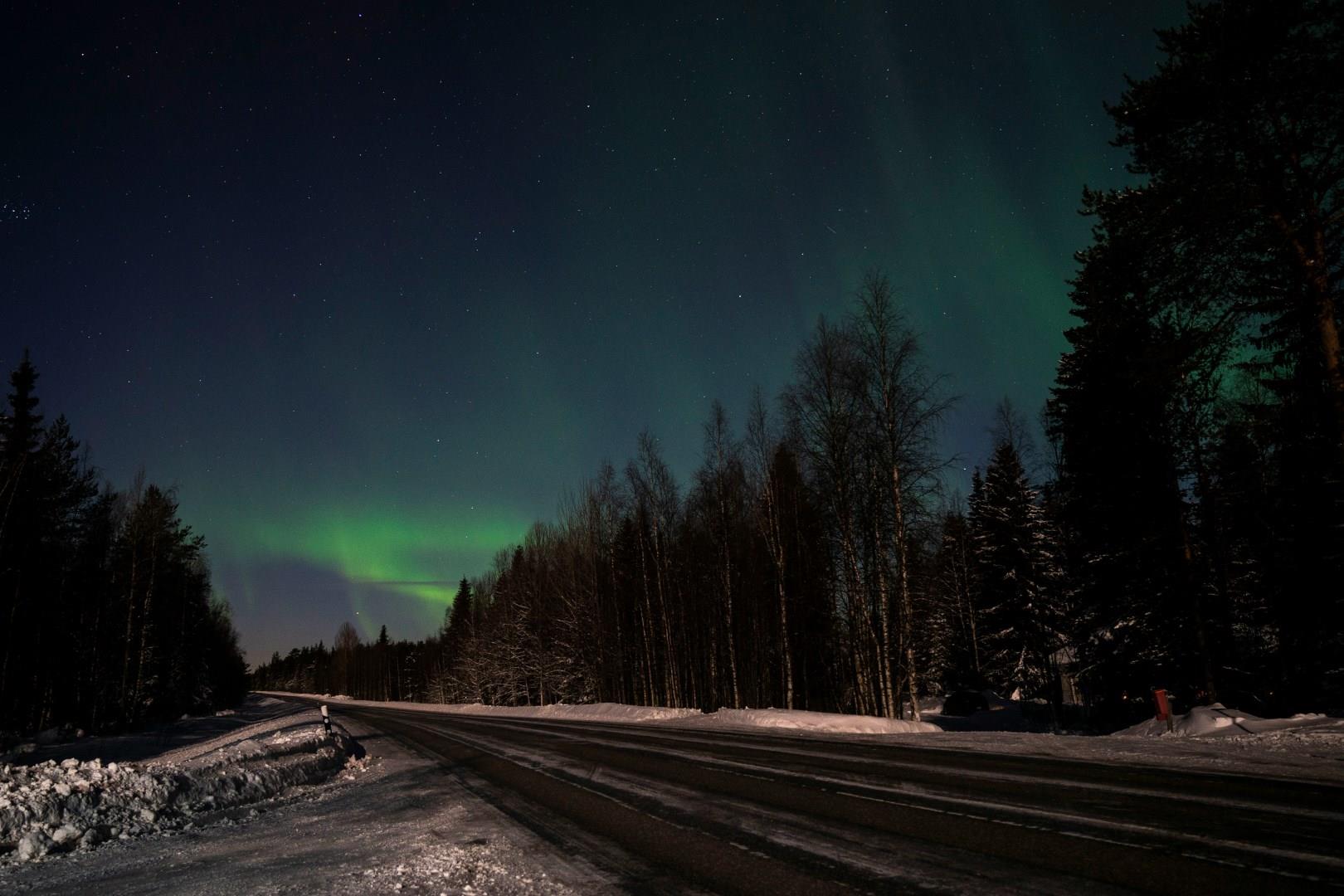
Rovaniemi
Rovaniemi, located just a few kilometers south of the Arctic Circle, is widely recognized as the official hometown of Santa Claus. From late August through early April, the Northern Lights are visible on clear nights, and several local guides offer nighttime tours to remote locations for optimal viewing. During summer, the sun doesn't set for weeks, giving travelers the rare chance to hike or kayak under a sky that stays bright at midnight.
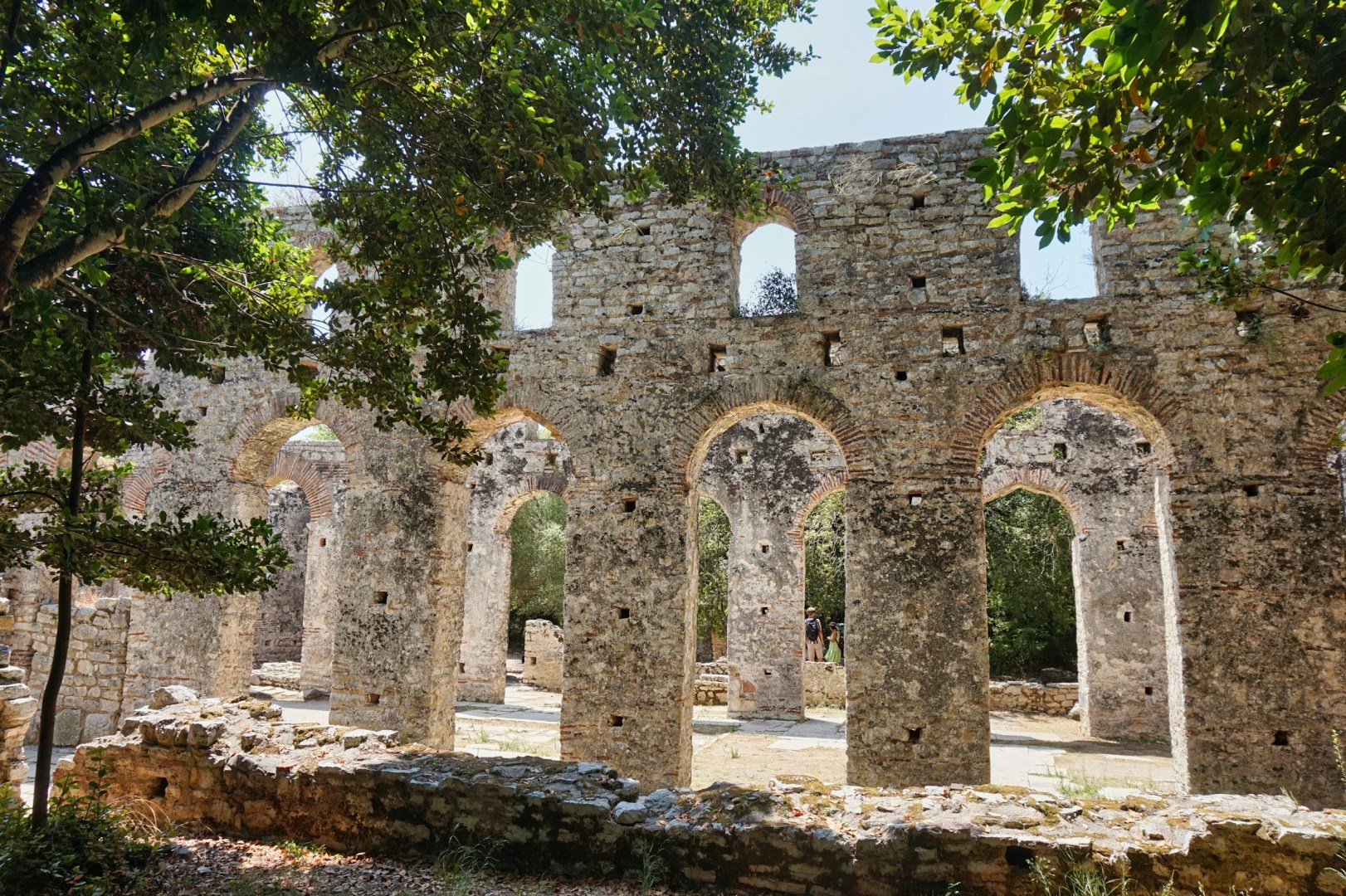
Butrint
According to legend, the ancient Greek city of Butrint was founded by the Trojans. It was later occupied by the Romans, Greeks, and the Byzantine Empire
