
Aït Ben Haddou
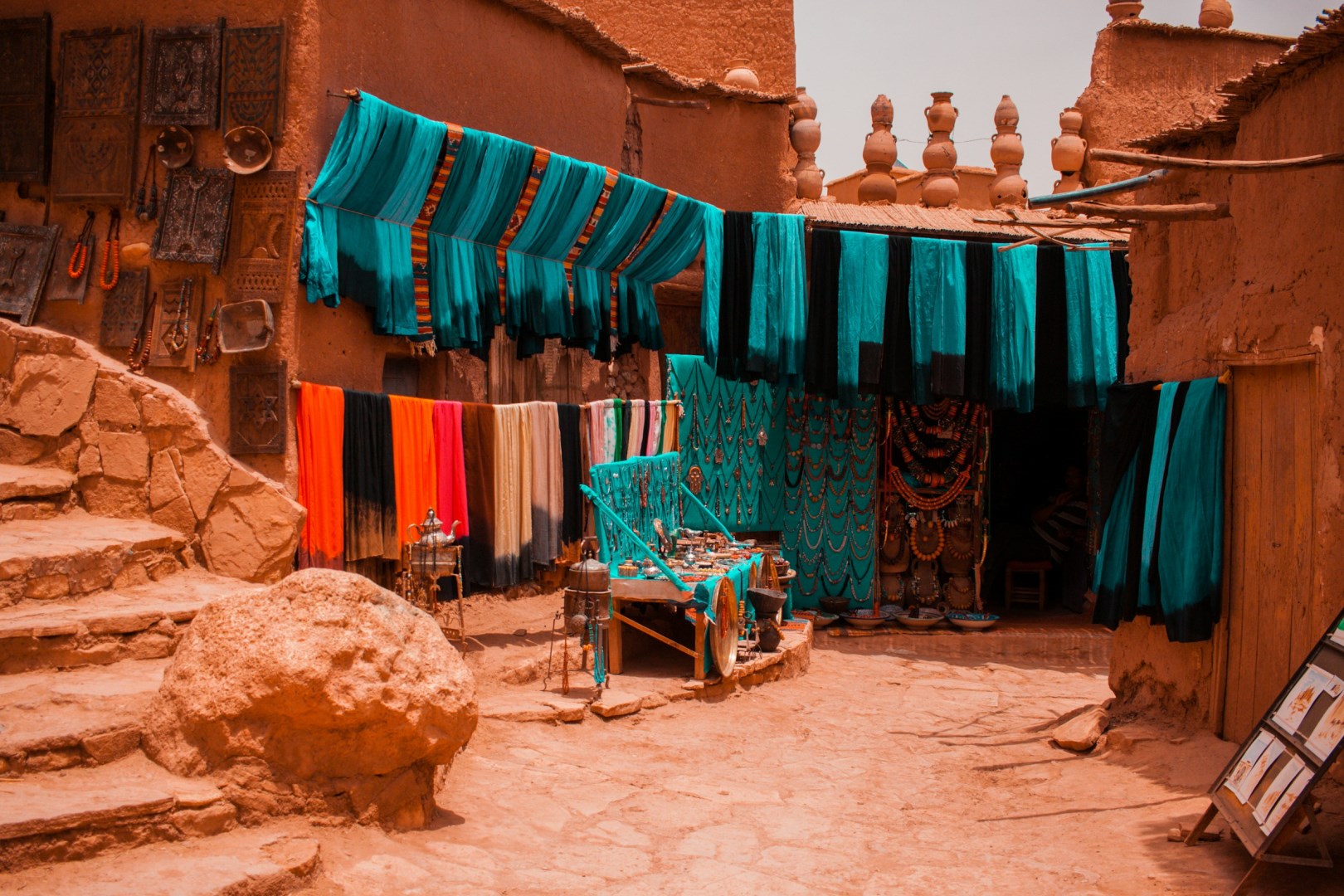
Aït Benhaddou, located in southern Morocco along the former caravan route between the Sahara and Marrakesh, is one of the country’s most iconic historic sites. This fortified village, or ksar, is recognized as a UNESCO World Heritage Site and is admired for its striking earthen clay architecture that rises dramatically from the desert landscape.

Kehl
Originating as a tiny fishing village in 1038, modern Kehl has become an important link between Germany and France. Rhine River cruises most often use Kehl as their gateway to the much larger and better-known Strasbourg. The savvy traveler, though, might choose to skip the jaunt across the river and enjoy many similar sights, shopping and cuisine as those offered in the teeming French city.

Fremantle
Beyond the historic and cultural highlights, Fremantle boasts natural attractions that are accessible and inviting. The coastline offers calm beaches such as South Beach and Bathers Beach, popular spots for swimming and relaxing. Not far from the Fremantle Fishing Boat Harbour, the Rottnest Island ferry departs regularly, giving visitors a chance to explore the island’s sandy beaches and meet the famously friendly quokkas.
Kalaat M'Gouna
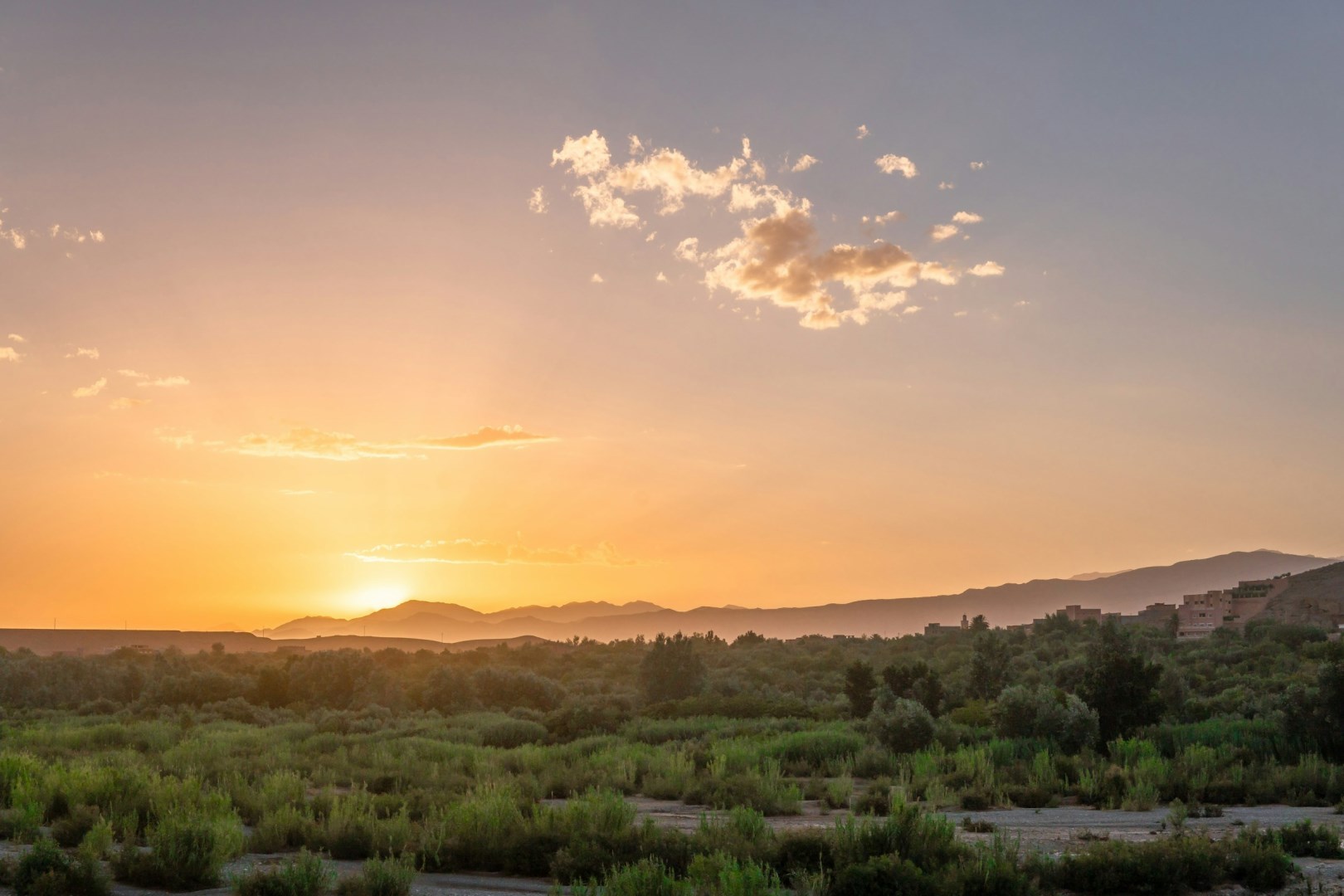
Kalaat M'Gouna is a town in Morocco set in the Valley of Roses between the High Atlas and Jbel Saghro mountain ranges. It lies near the Dadès Valley, where irrigated fields and settlements form green corridors through an otherwise dry, rocky landscape.
Yogyakarta Java
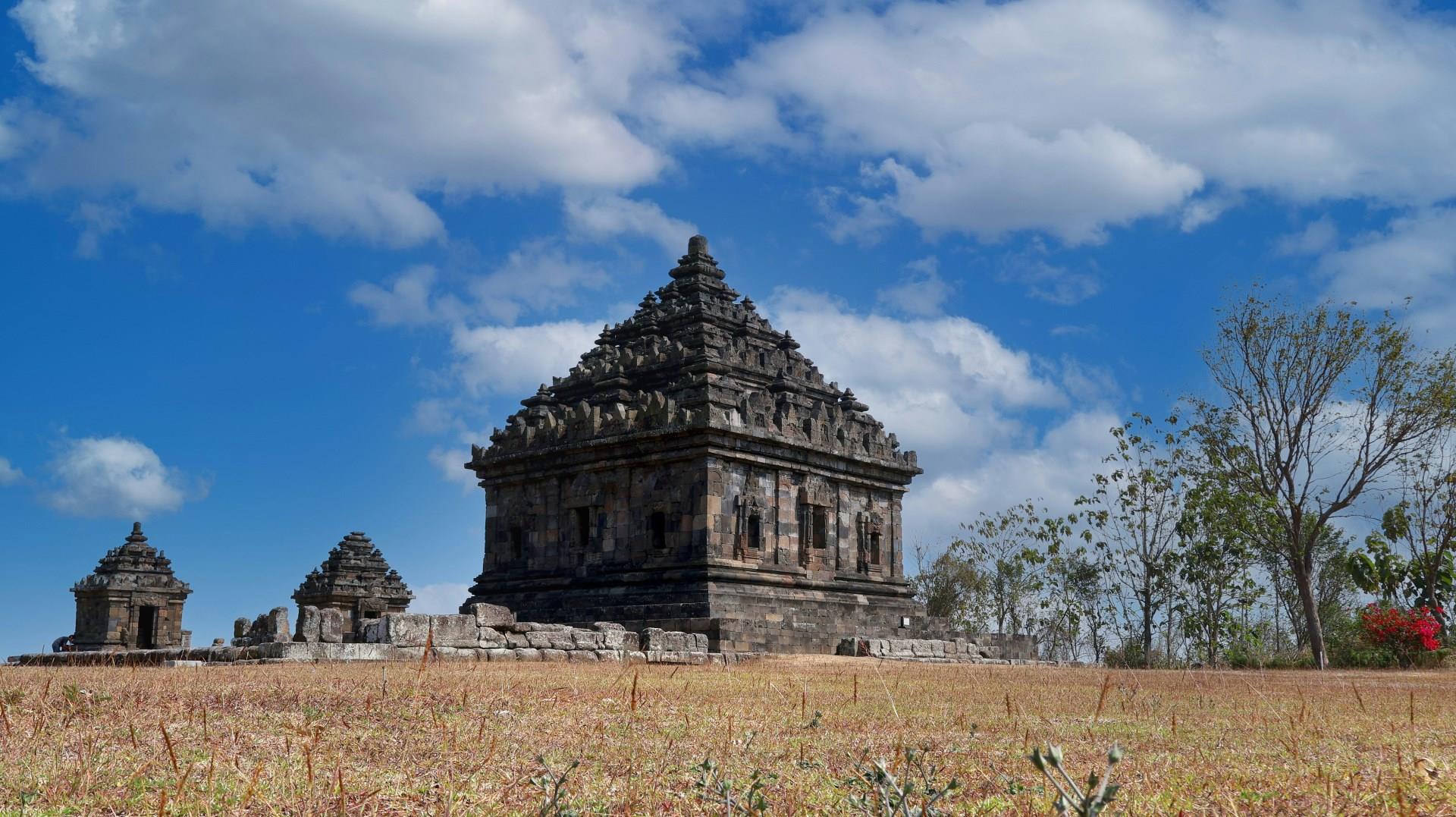
Yogyakarta, on the island of Java, is often described as Indonesia’s cultural capital, a reputation grounded in living tradition rather than nostalgia. It remains the seat of a functioning sultanate, and the royal palace, or kraton, anchors the city’s identity through ceremonies, crafts, and court arts that continue to shape everyday life. The city also played a key role in Indonesia’s struggle for independence, giving it a strong sense of civic pride and historical awareness.
