
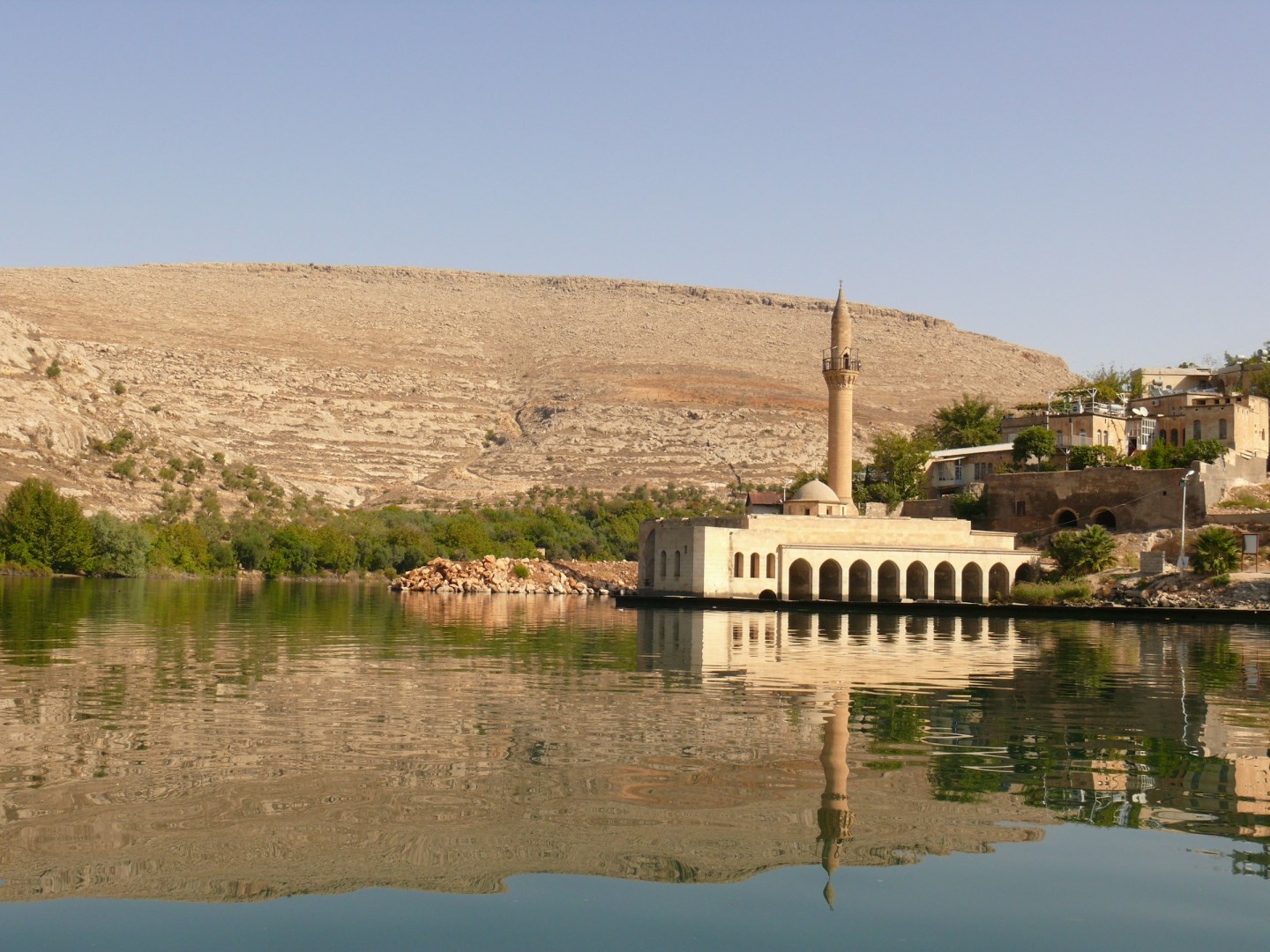
Urfa
Urfa proudly exhibits the legacy of all civilizations that have prospered in this region. In the second millenium B.C., it was a city of a Hurrite state. Tradition relates that Abraham was born in a cave near the area where the Mevlid Mosque now stands.
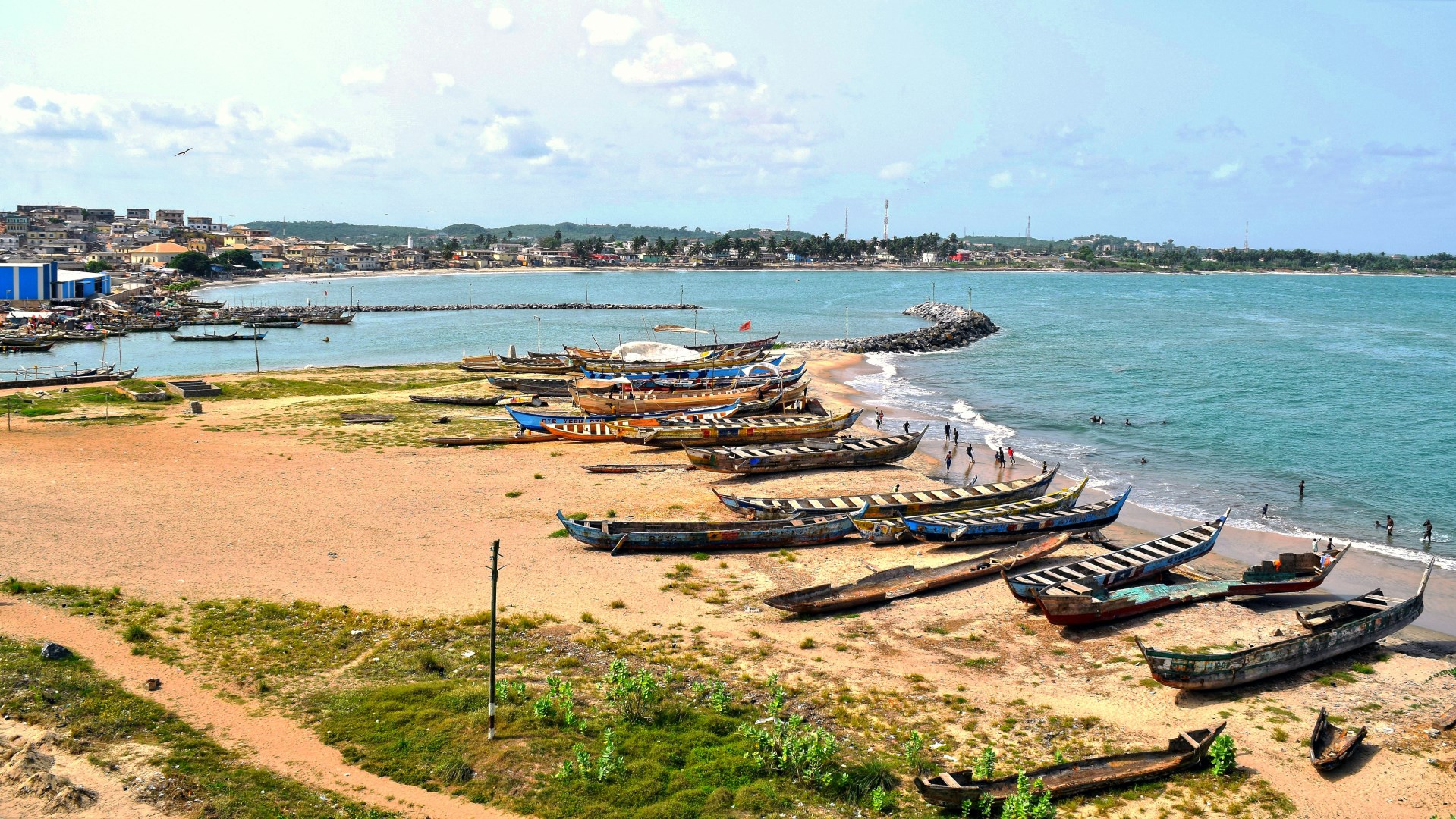
Elmina
Elmina is a coastal town in southern Ghana, located along the Gulf of Guinea in the Central Region. The town is closely tied to the Atlantic fishing industry, with large numbers of brightly painted wooden canoes lining the shoreline each morning.
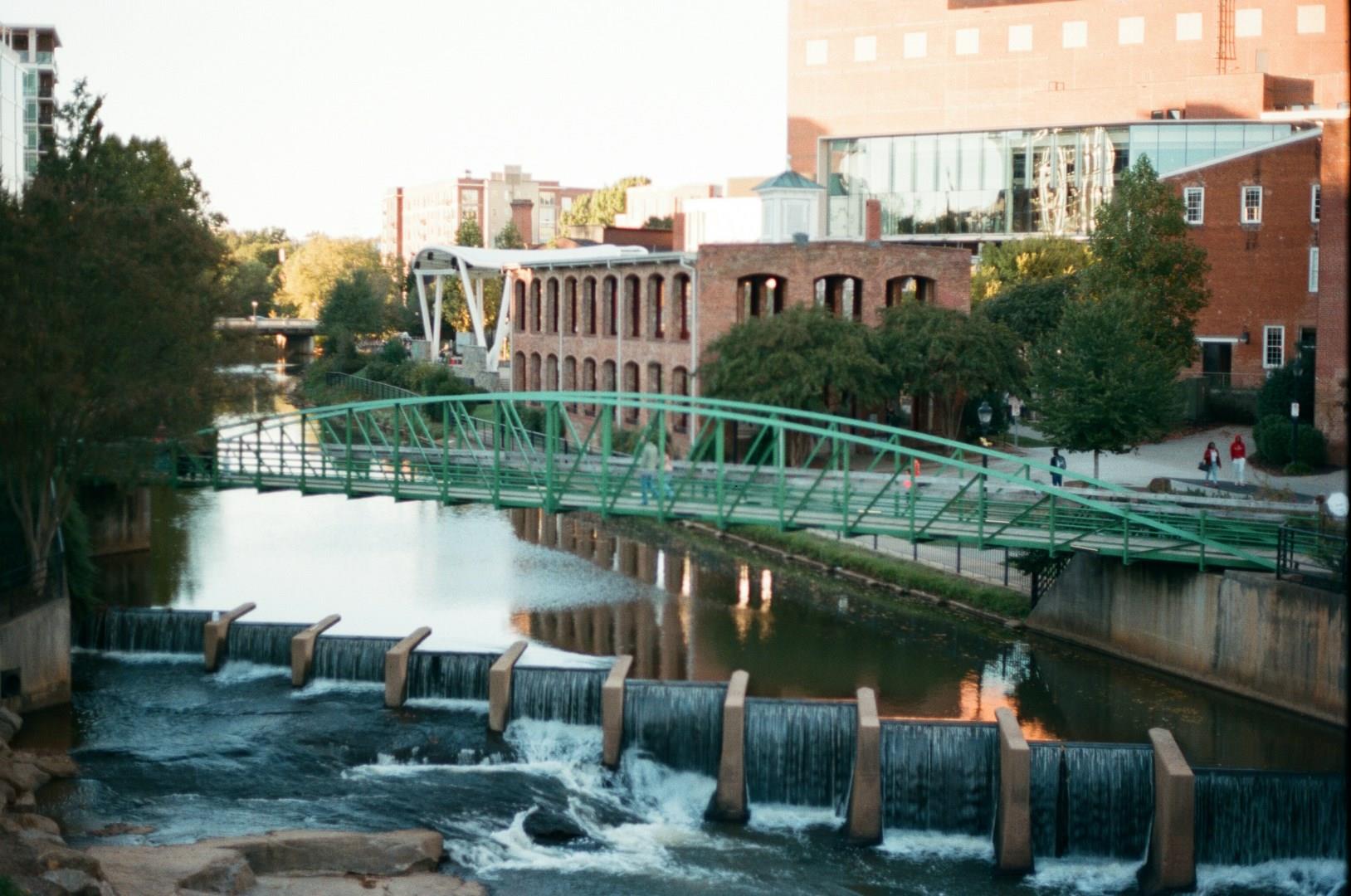
Greenville
Greenville, South Carolina sits at the foothills of the Blue Ridge Mountains and has grown from a former textile center into one of the Southeast’s most appealing small cities.

Lombok
Lombok offers an experience that blends adventure, relaxation, and cultural discovery. Whether trekking volcanic peaks, lounging on secluded shores, or immersing in local traditions, visitors will find a destination that remains true to its natural and cultural roots.
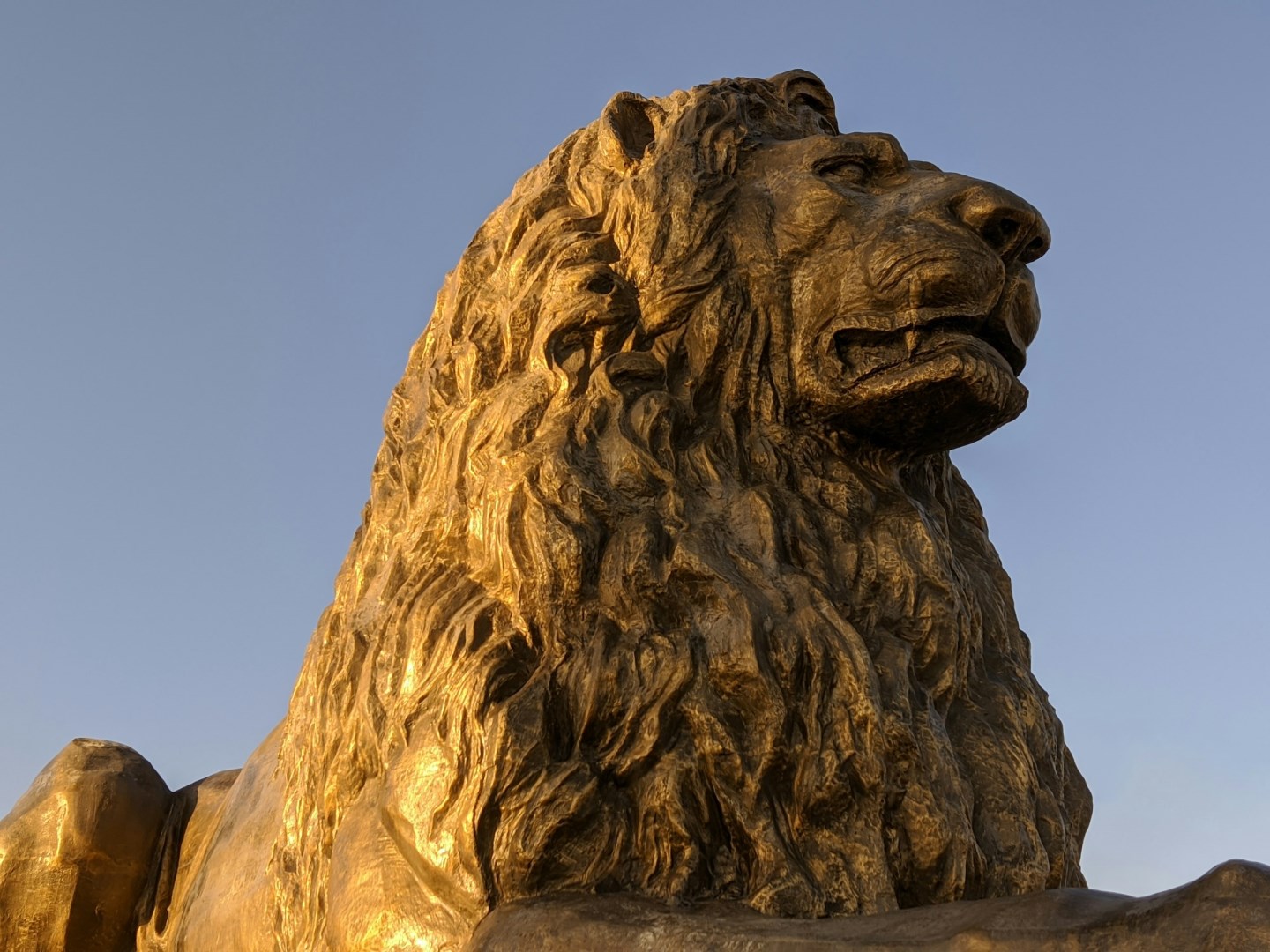
Khujand
Khujand is a major city in northern Tajikistan, situated along the Syr Darya River in the Sughd Region. It is one of Central Asia’s oldest urban centers and was an important stopping point along historic trade routes linking the region with Persia and China. Today, the city combines a long urban tradition with busy markets, riverside parks, museums, and broad views toward the surrounding hills.
