

Costa Brava
The Costa Brava coastal region, in northeastern Spain, offers excellent beaches and a typical Mediterranean climate, making it an enticing holiday destination. While parts of the Costa Brava coastline have been exploited by large-scale tourist developments, other areas have retained their traditional roots.

Kamloops
Kamloops, located in the interior of British Columbia, sits at the meeting point of the North and South Thompson Rivers. The name comes from the Secwépemc word “Tk’emlúps,” meaning "where the rivers meet," and the area has been a gathering place for Indigenous communities for thousands of years. Today, visitors can explore this rich cultural heritage at the Secwépemc Museum and Heritage Park, where trails lead through archaeological sites and reconstructed pit houses.

Playa Del Carmen
Playa del Carmen, located along Mexico’s Riviera Maya, offers more than just soft beaches and turquoise waters. Once a quiet fishing village, the town has grown into a lively hub where Mayan history meets a modern beachside lifestyle. Visitors walking along Quinta Avenida will find artisan shops, street performers, and cafes offering everything from espresso to tacos al pastor. This area becomes especially active in the evenings when live music spills out from local venues.
Arendal
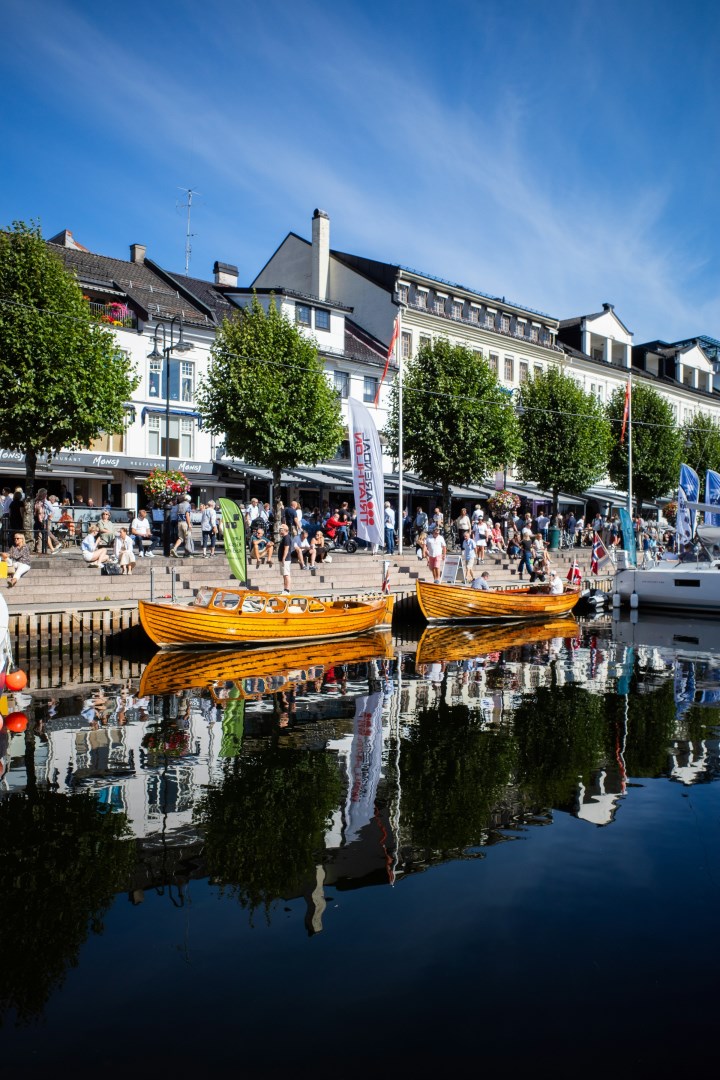
Arendal is a coastal city in Agder, southern Norway, set around a sheltered harbor and a chain of islands and skerries along the Skagerrak. The city center combines maritime activity with historic wooden buildings, waterfront streets, and the inner harbor of Pollen. Arendal’s location has long influenced its economy and character, with shipping, forestry, and mining playing important roles in its development.
Lake Kariba
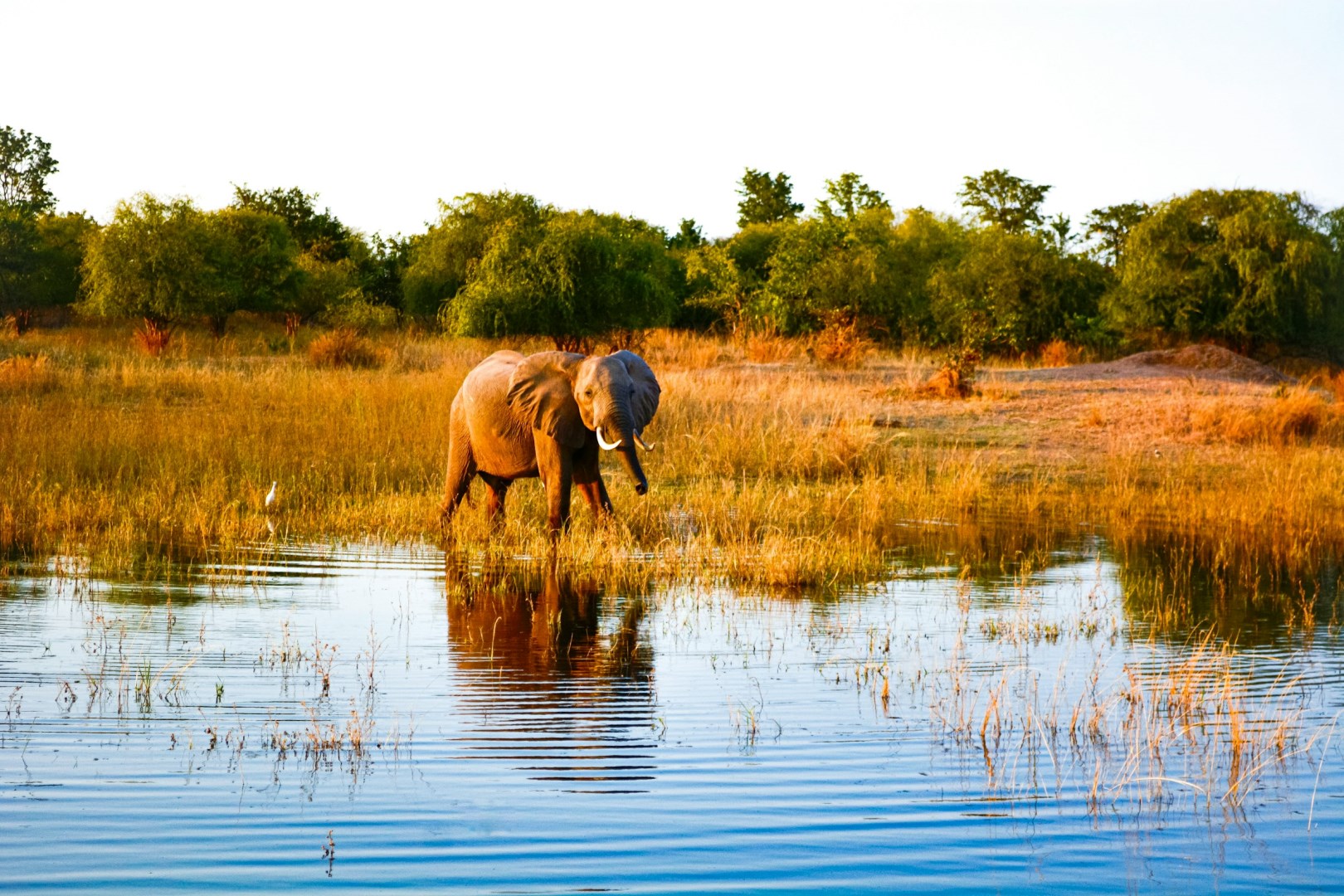
Lake Kariba is a large reservoir on the Zambezi River along the border between Zimbabwe and Zambia. On the Zimbabwean side, the lake stretches through a landscape of wooded hills, rocky shorelines, islands, and broad expanses of open water. The reservoir is closely connected with the town of Kariba, which developed around the hydroelectric project at the lake’s eastern end.
