

Madison
The greater Madison area is full of ways to relax and enjoy the beauty of rolling hills and many lakes, in addition to fantastic cultural events and exciting sporting opportunities.

Madrid
Whether exploring its iconic landmarks, indulging in its flavorful cuisine, or enjoying its lively nightlife, visitors are sure to fall in love with the charm and energy of Madrid.

Loyalty Islands
The Loyalty Islands, an enchanting archipelago in New Caledonia, provide an unforgettable escape for travelers looking to experience an unspoiled side of the Pacific.
Libreville
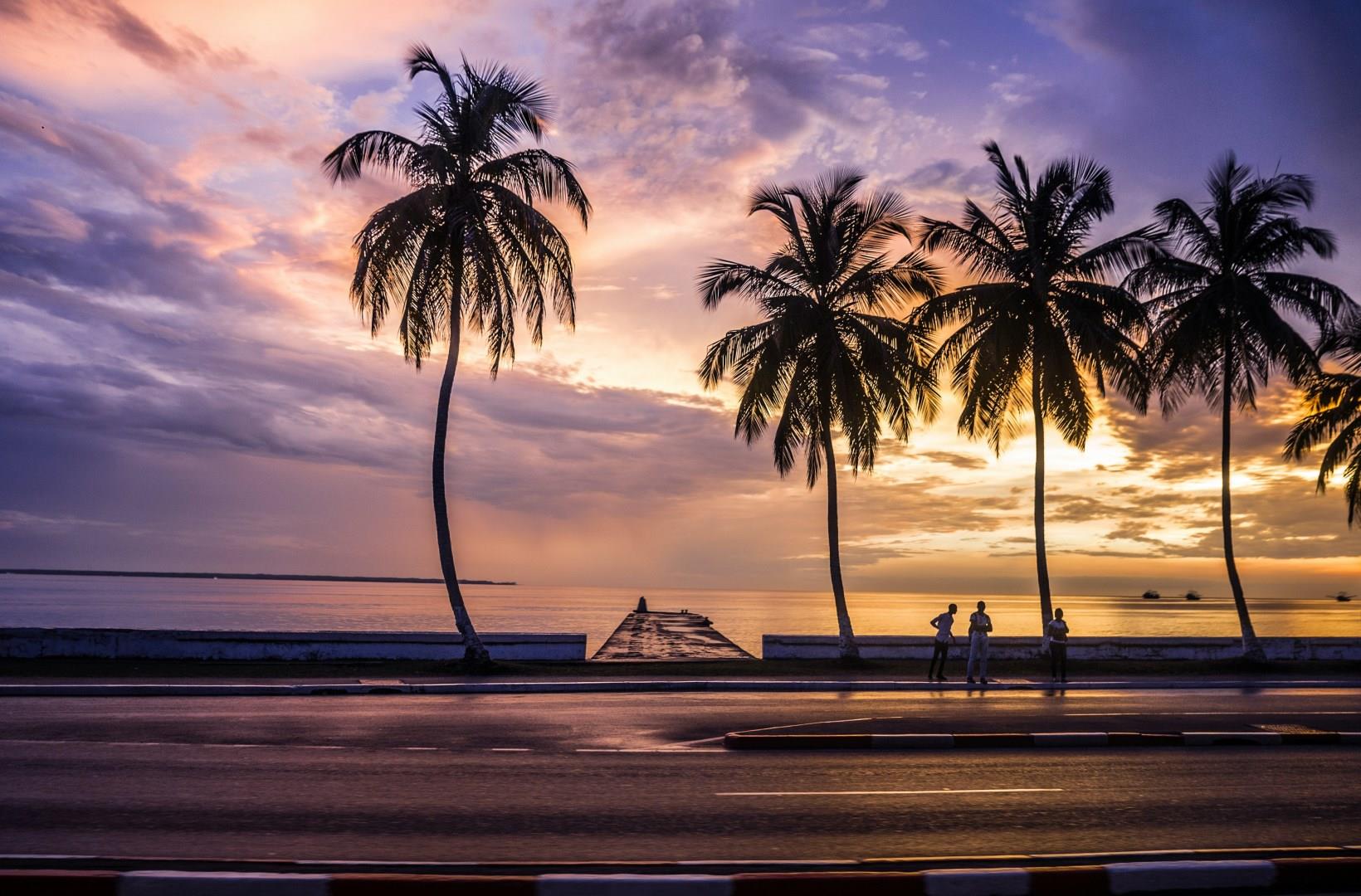
Libreville, the capital of Gabon, stretches along the Atlantic coast with a mix of modern streets, colonial-era buildings, and bustling markets.
Madidi National Park
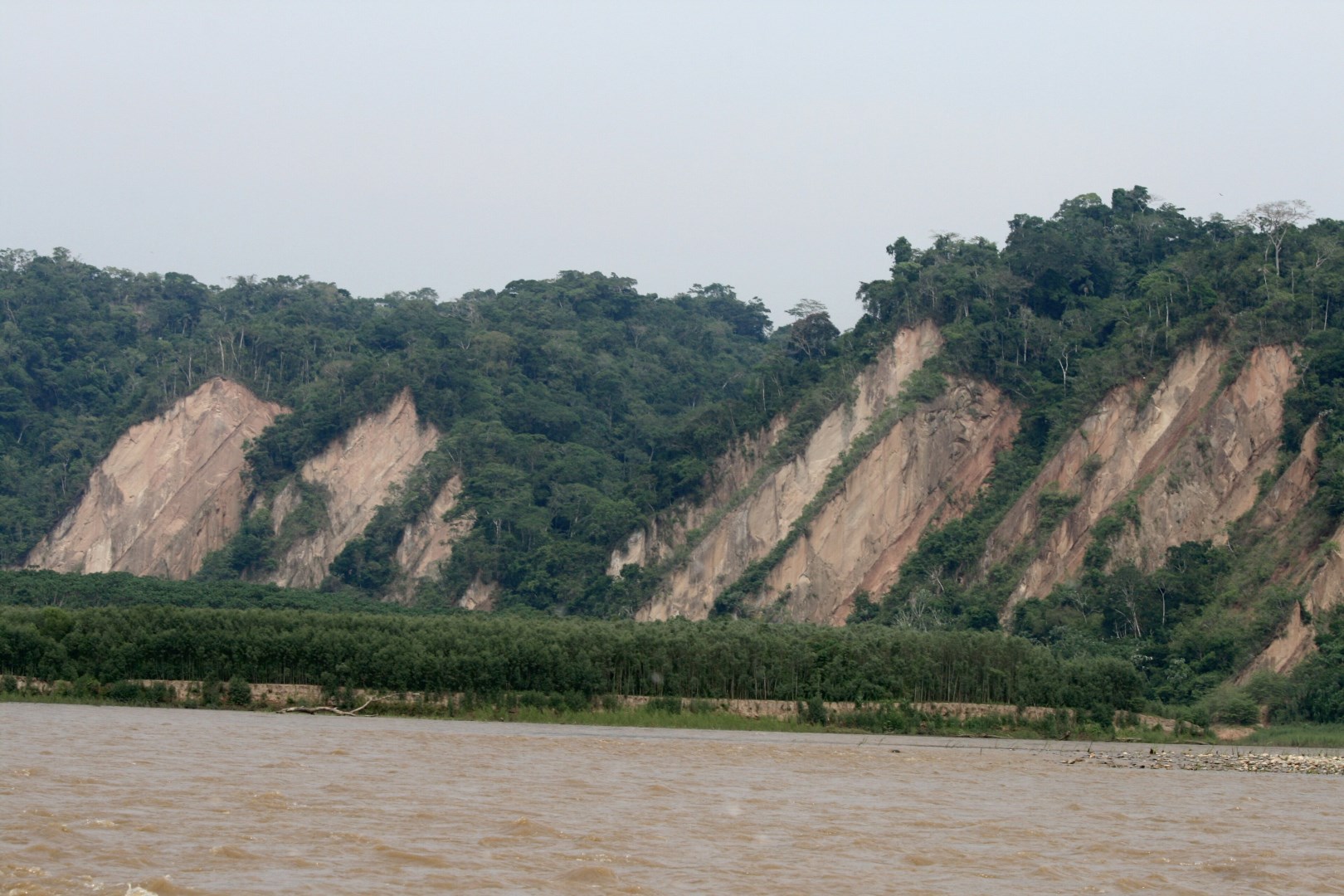
Would you dare venture into the untamed wilderness of Madidi National Park in Bolivia? This vast and biodiverse rainforest is home to jaguars, giant otters, and countless exotic species, making it one of Earth's most ecologically rich places. Trek through dense jungle, navigate winding rivers and immerse yourself in the sounds of nature. For those bold enough to explore this remote paradise, unforgettable wildlife encounters and raw natural beauty await.
