
Ilulissat
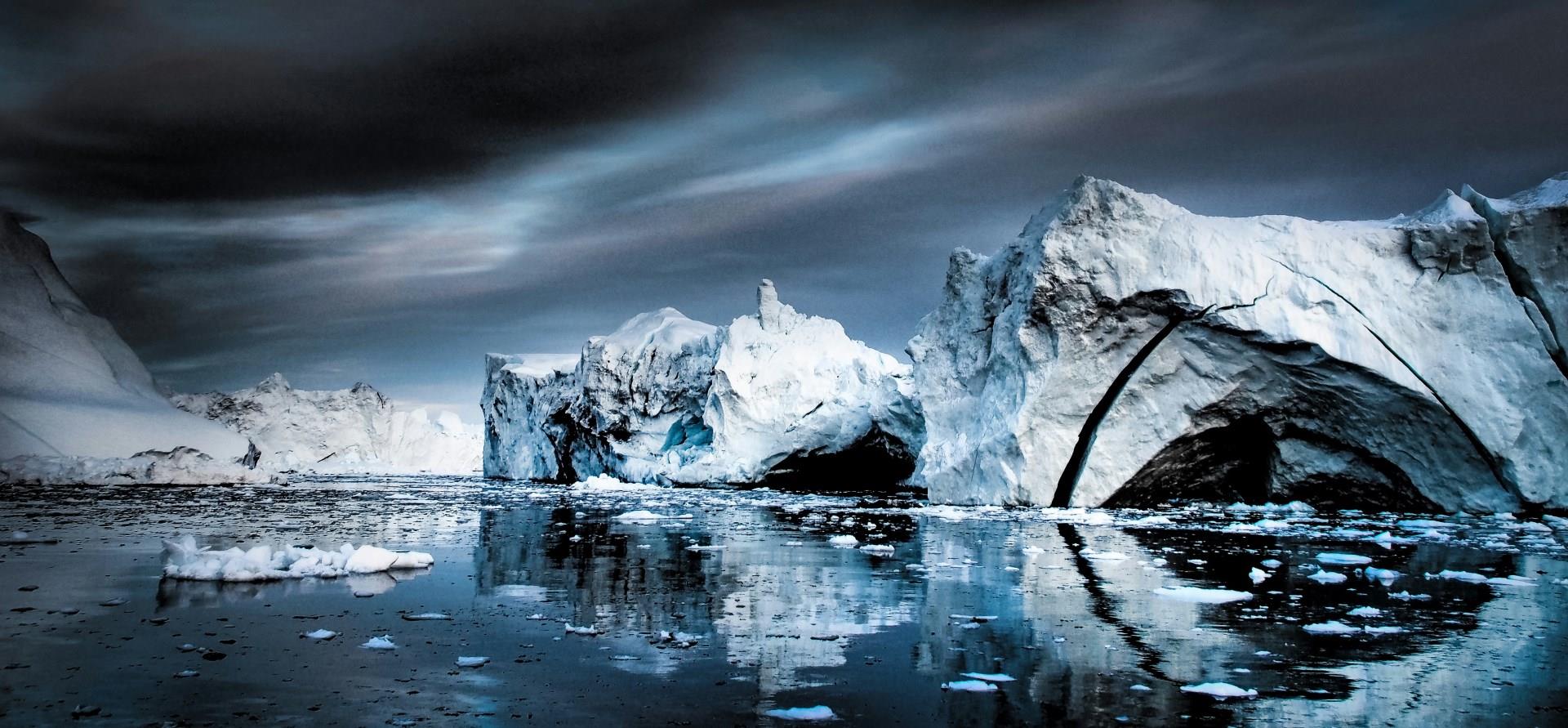
On Greenland’s west coast, Ilulissat (once known as Jakobshavn) welcomes travelers with astonishing ice scenery and a sense of scale that feels almost otherworldly. The town sits beside Disko Bay, where immense icebergs drift silently past, glowing pink and gold in the Arctic light. The name “Ilulissat” means “icebergs,” and it could not be more fitting. Here, every turn toward the sea offers a fresh view of towering ice forms, each one sculpted by nature into something fleeting and beautiful.
Dunedin
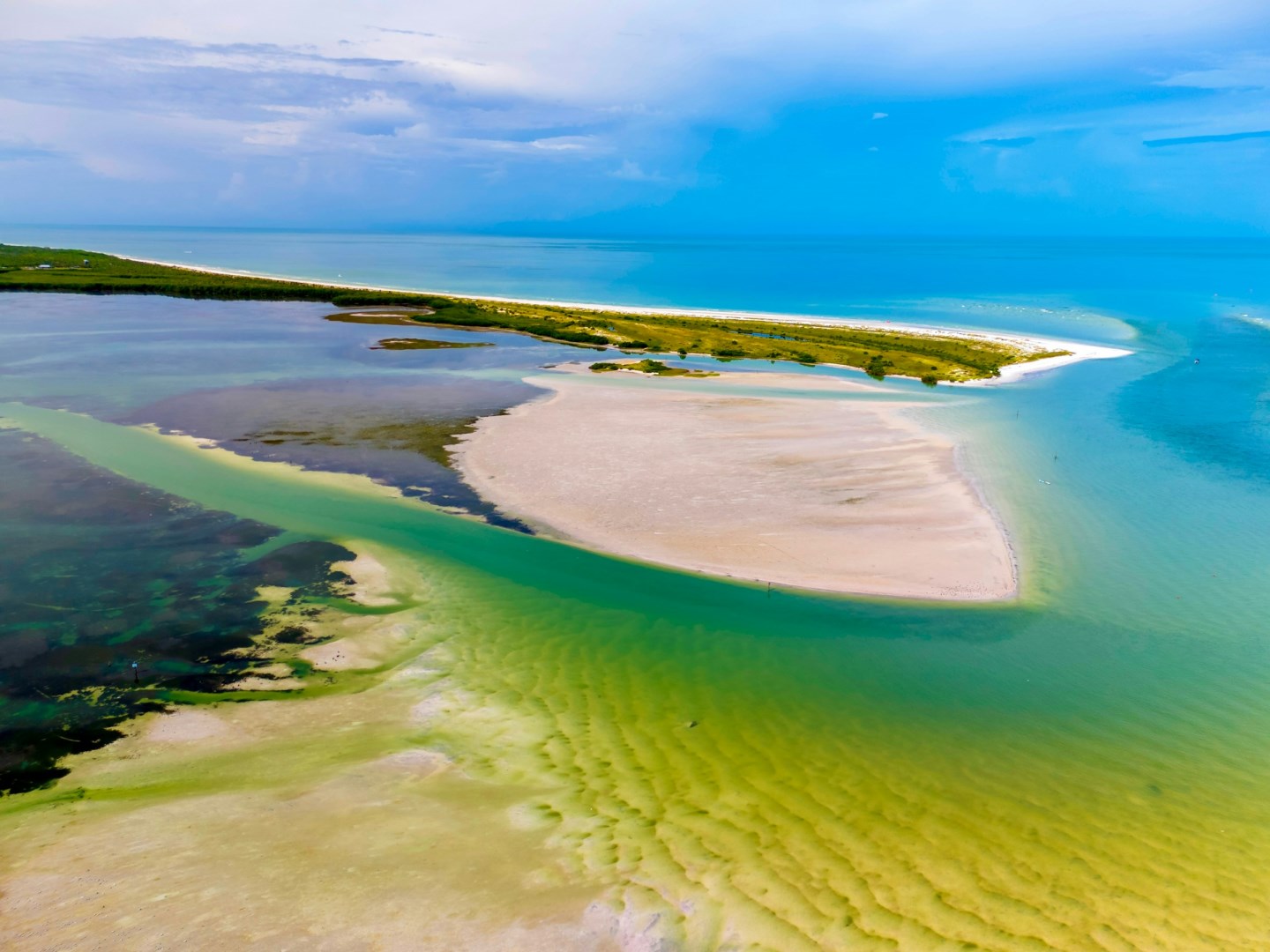
Dunedin is a coastal city on Florida’s Gulf Coast in Pinellas County, positioned along St. Joseph Sound and surrounded by barrier islands, beaches, and waterways. Its compact downtown is known for independent shops, restaurants, breweries, galleries, and a walkable main street, while the Pinellas Trail provides a popular route for cycling and walking through the community.
Carcross
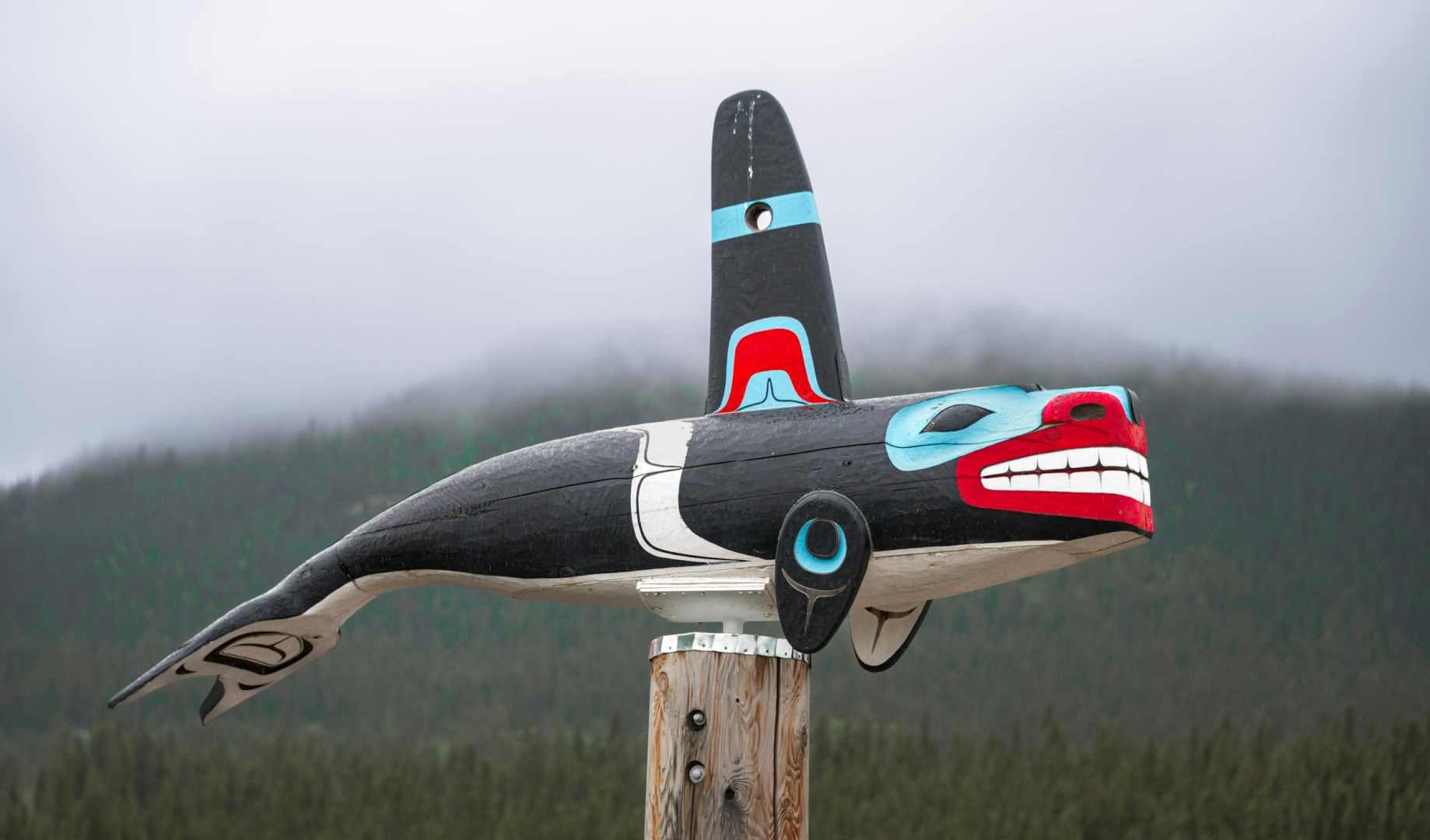
Carcross is a small community in Yukon’s Southern Lakes region, located at the narrow passage between Bennett Lake and Nares Lake. Its setting combines sandy dunes, forested mountains, and glacier-fed lakes, with the community lying along the South Klondike Highway between Whitehorse and Skagway. Carcross is within the Traditional Territory of the Carcross/Tagish First Nation and remains closely connected to the surrounding land and waterways. Th
Norfolk
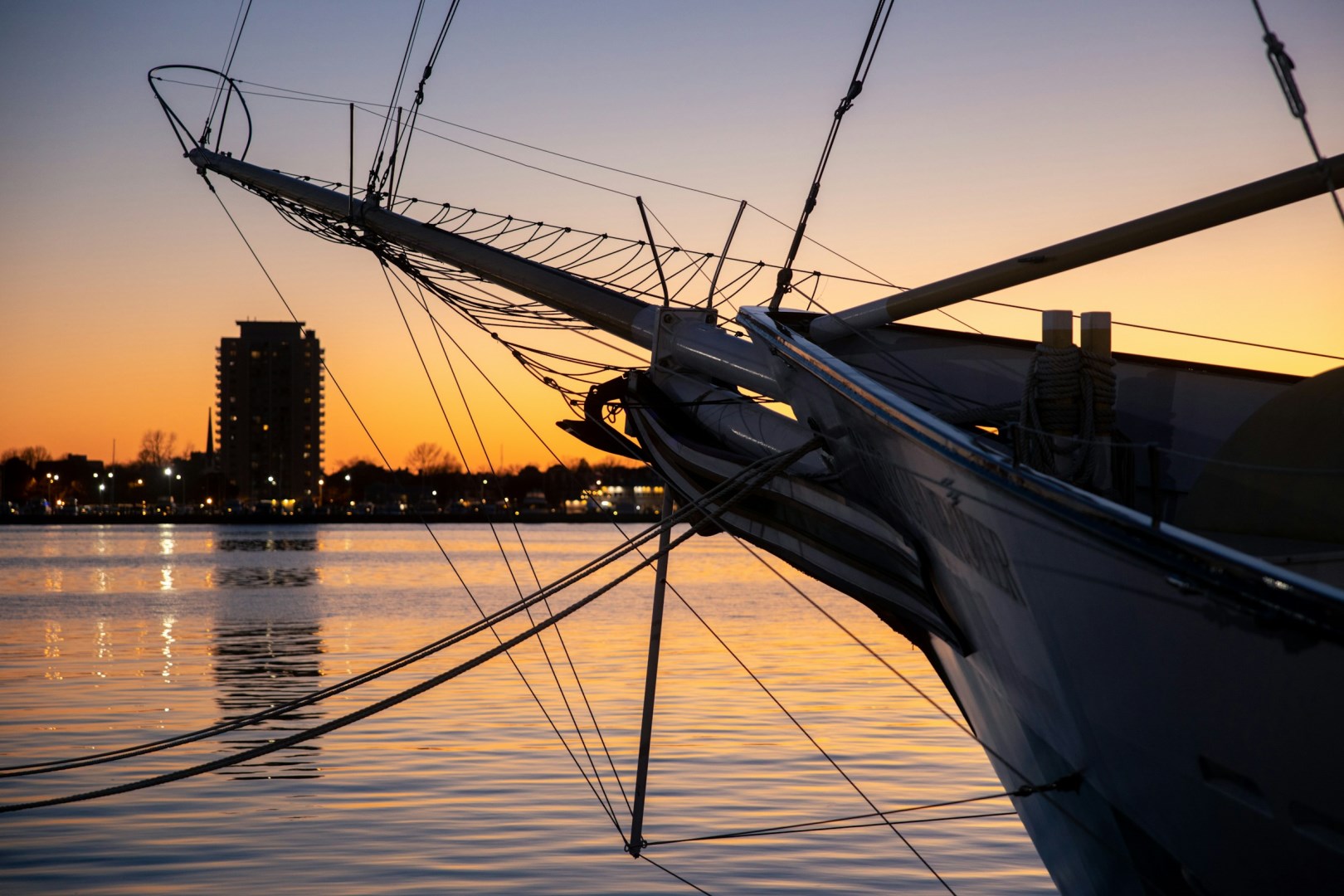
Norfolk, the second largest city in Virginia (after Virginia Beach) is located at the mouth of the James, Elizabeth, and Nansemond rivers, near the outlet of Chesapeake Bay on the Atlantic Ocean. With the cities of Hampton, Portsmouth, and Newport News, Norfolk forms the port of Hampton Roads, one of the greatest natural harbors in the world.
Mauritania
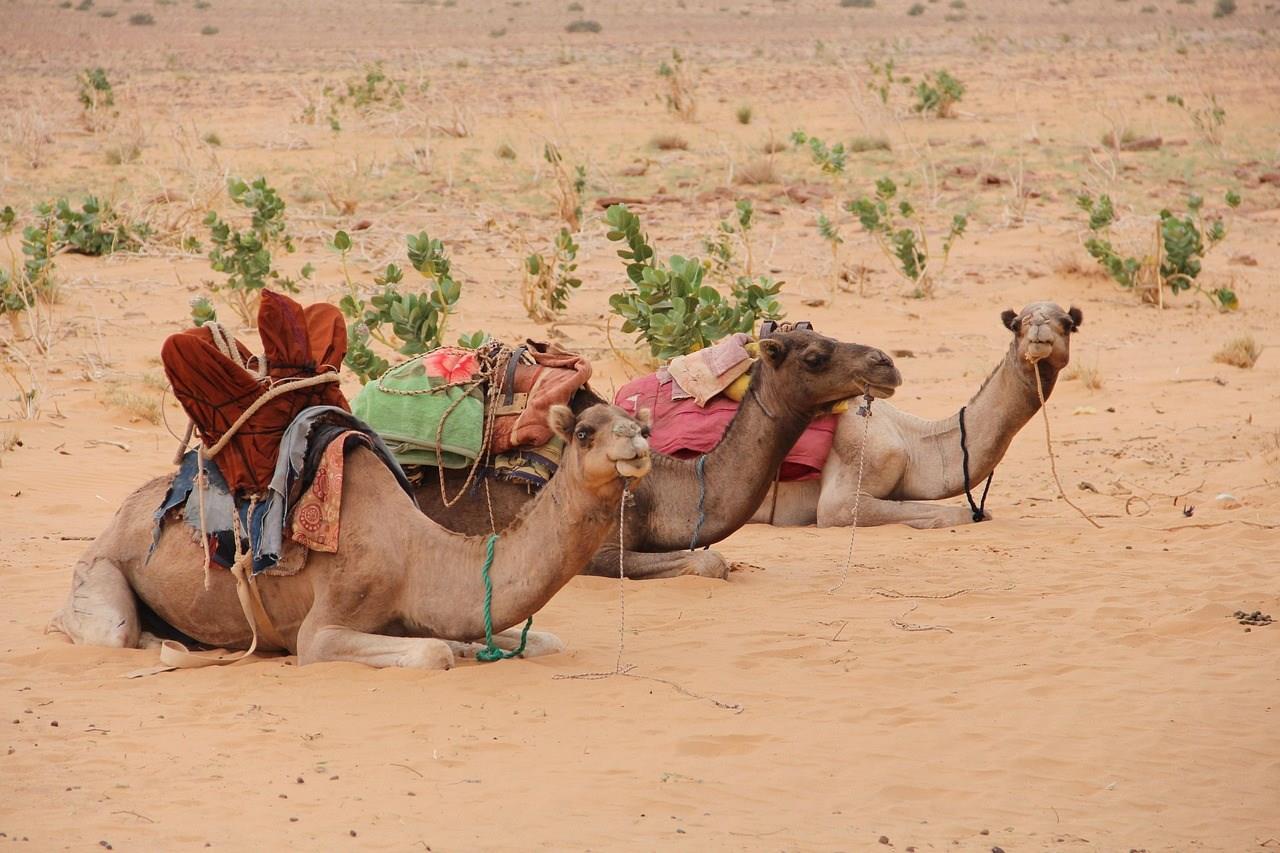
Mauritania, stretching between the Atlantic Ocean and the Sahara Desert, offers travelers a journey through wide-open landscapes and centuries of history. Its terrain is marked by shifting sand dunes, ancient caravan towns, and stretches of untouched coastline.
